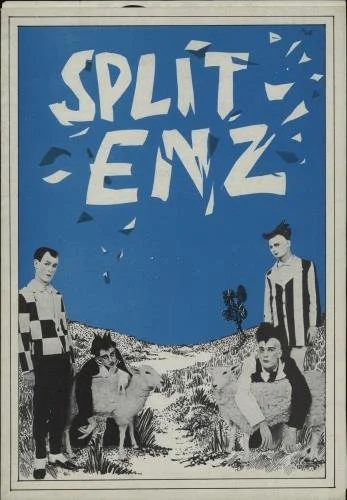


Split Enz

On This Day Split Enz 10/02/1978

On this day, 10 February 1978, New Zealand rock band Split Enz played Cardiff’s Top Rank.

Formed in 1972 in Auckland they ar regarded as the first New Zealand band to gain significant recognition outside of Australasia, they were initially noted for their progressive/art rock sound, flamboyant visual style and theatrical performances. The band later moved toward a pop/new wave sound that yielded hit singles such as "I See Red"
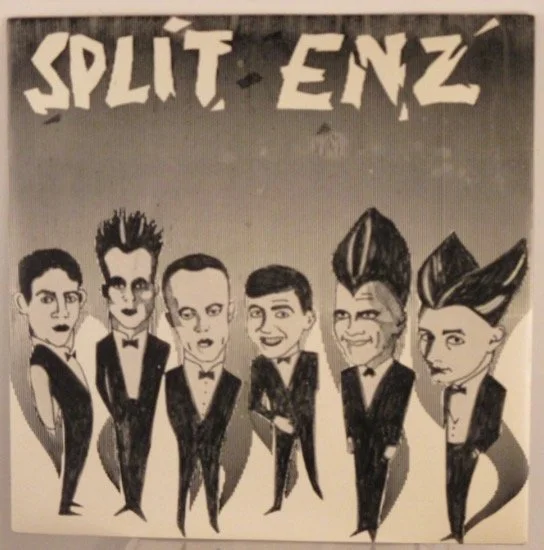
By the summer of 1978, Split Enz had no agent, no manager, and no UK or US record contract, having been dropped by Chrysalis. The New Zealand Arts Council gave the band a grant of $5,000. The grant money was used to book studio time in Luton, England, where the band recorded demos that later became known as the "Rootin' Tootin' Luton Tapes". One of the songs from those sessions was "I See Red". Released as a single later that year, "I See Red" marked a significant move away from the band's early progressive/art rock style, towards high-energy, guitar-based power pop. While "I See Red" did not chart in the UK, where it was released on Illegal Records, it did bring the band critical attention.

On this day 29/11/1977 Split Enz

Images may be subject to copyright

On this day, 29 November 1977, New Zealand rock band Split Enz- played Cardiff’s Top Rank,

The band had just recorded their third album, Dizrythmia (a title taken from the medical term for jet-lag, circadian dysrhythmia, meaning 'upset body rhythm').

It made no appreciable impact in the UK, but was very successful in Australasia, and gave them their first simultaneous hits on the Australian and New Zealand singles and album charts.

It was the first Split Enz album without co-founding members Phil Judd and Mike Chunn. Neil Finn and Nigel Griggs, the first being the younger brother of band leader Tim Finn, replaced them respectively.

Between November 1977 and February 1978 Split Enz toured solidly throughout the UK and Europe.

The Enz struggled to survive through 1978: they lost their Chrysalis contract and spent most of that year without a UK record deal, a booking agent or a manager.

Debts mounted and, unable to get gigs, they were forced to go on the dole, but they continued writing new material and rehearsing constantly. It was at this point that the New Zealand Arts Council came to the rescue with a grant of $5000.

Grant of $5,000