
1950's

On This Day 26/04/1958 Johnnie Ray

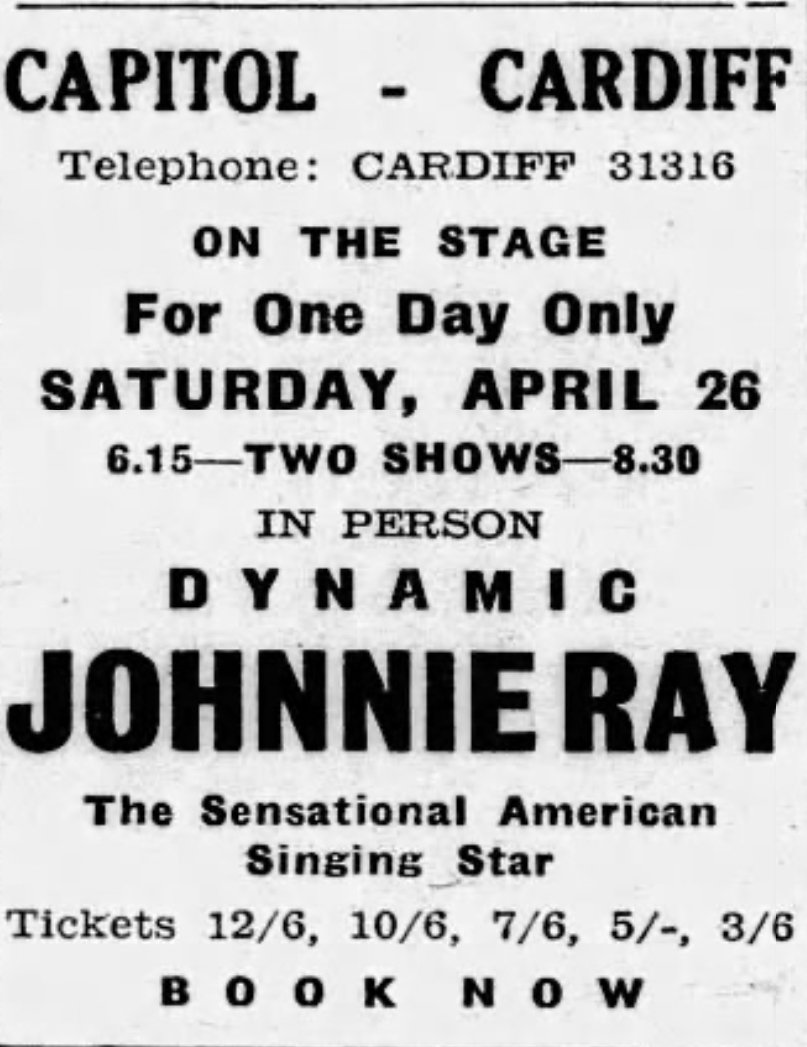
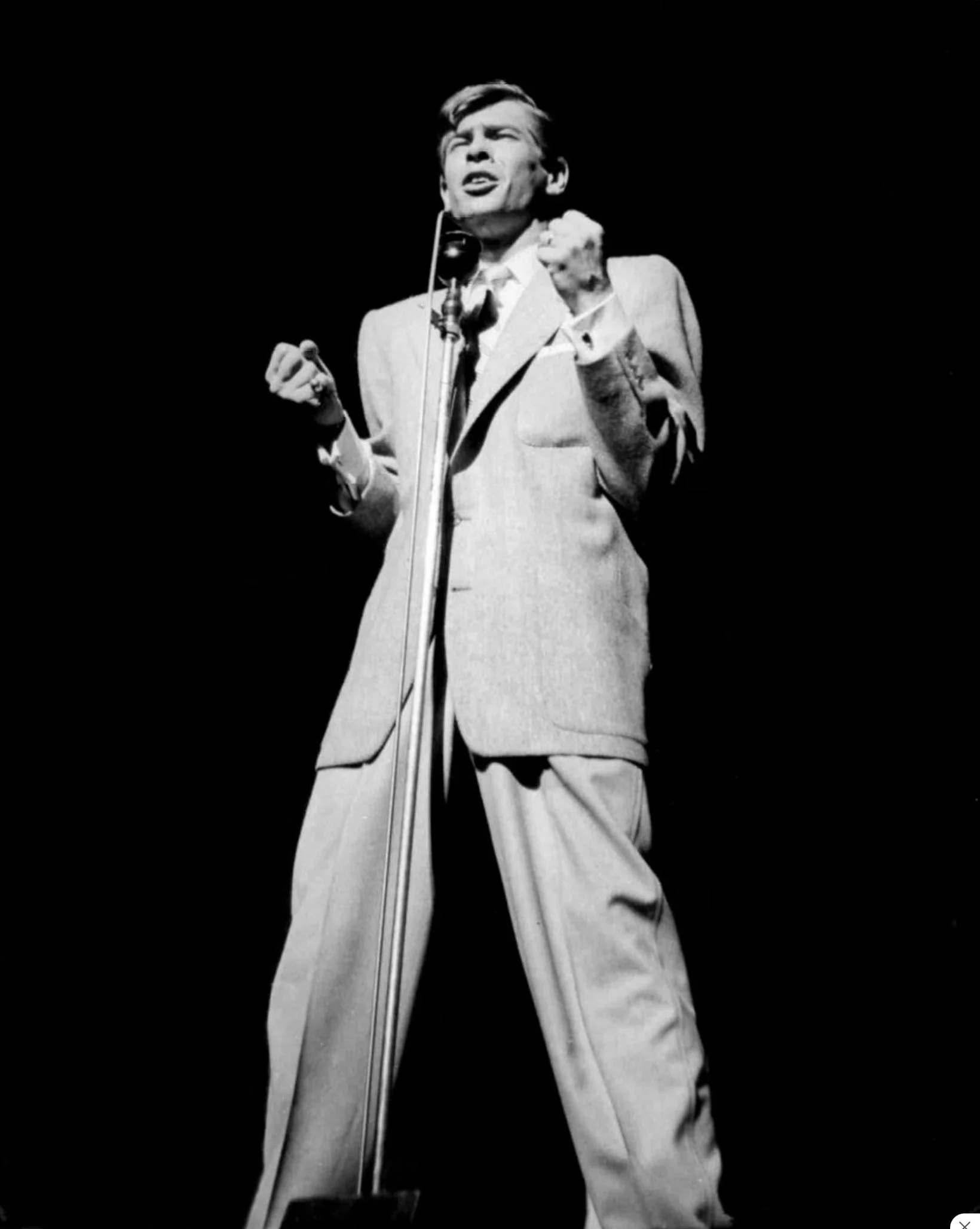
On this day, 26 April 1958, American singer Johnnie Ray played Cardiff’s Capitol Theatre.
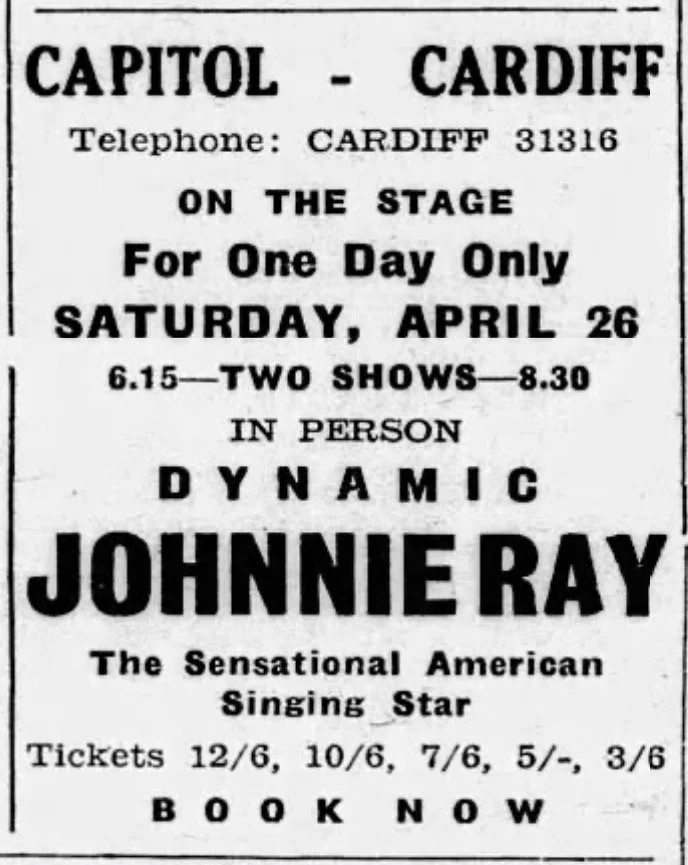
Inspired by rhythm singers like Kay Starr, LaVern Baker, and Ivory Joe Hunter, Ray developed a unique rhythm-based singing style described as alternating between pre-rock rhythm and blues and a more conventional classic pop approach. He began singing professionally on a Portland, Oregon, radio station at age 15, sharing billing with Jane Powell, then a local young singer.
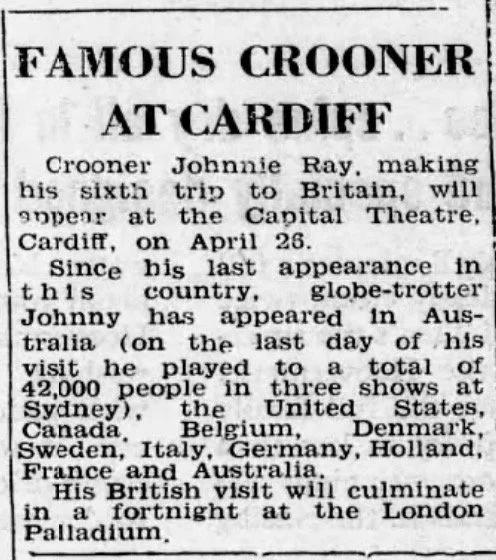
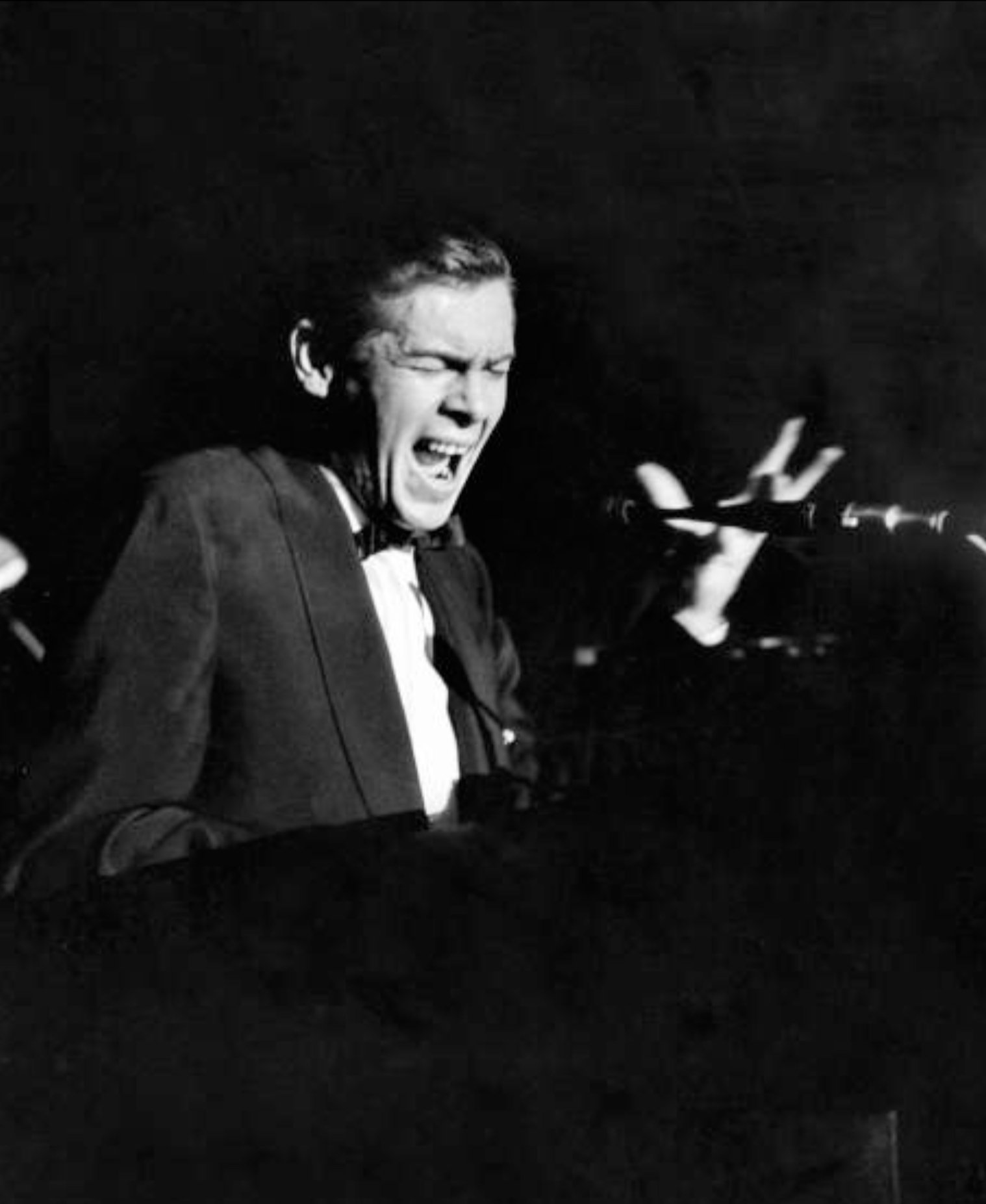
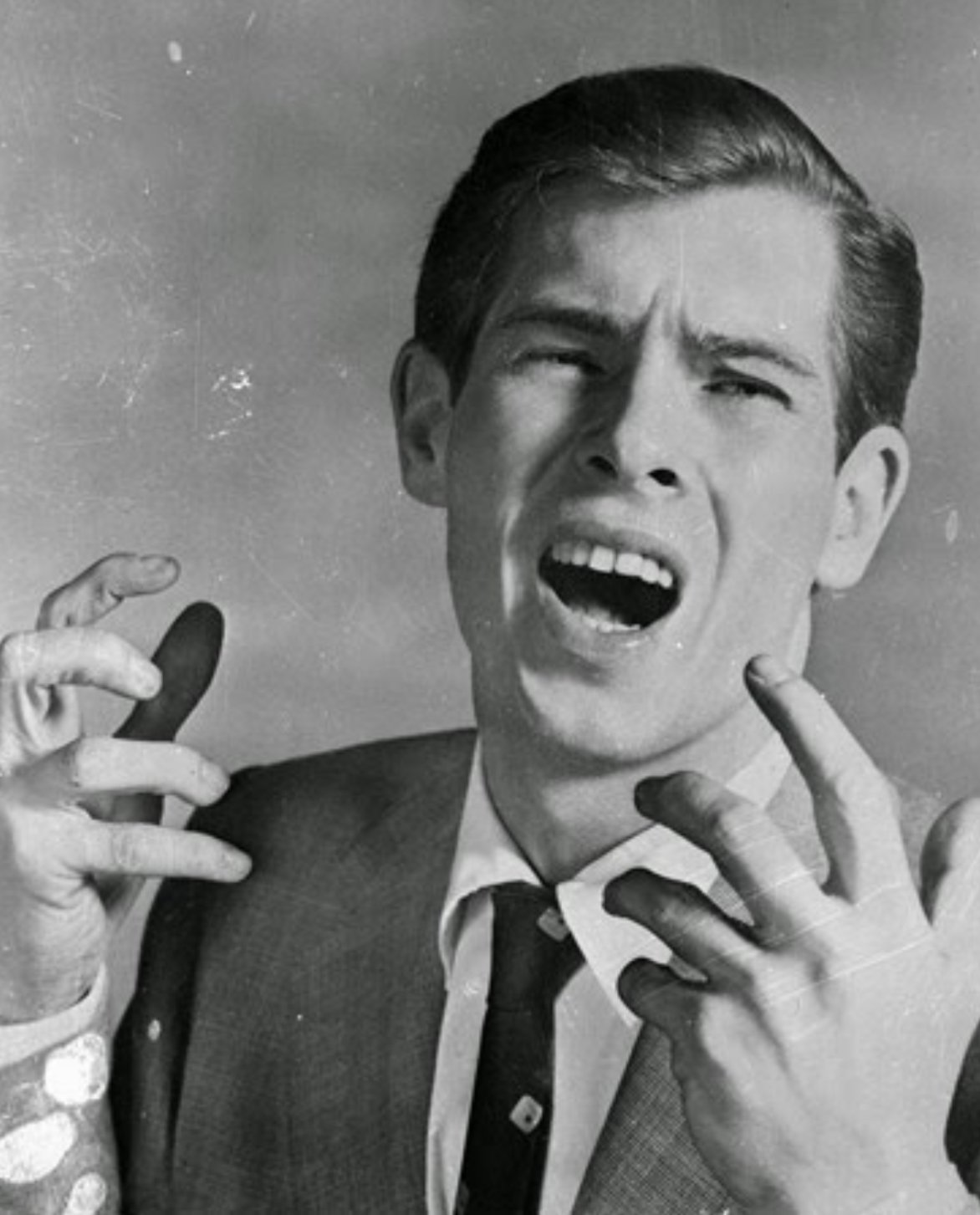
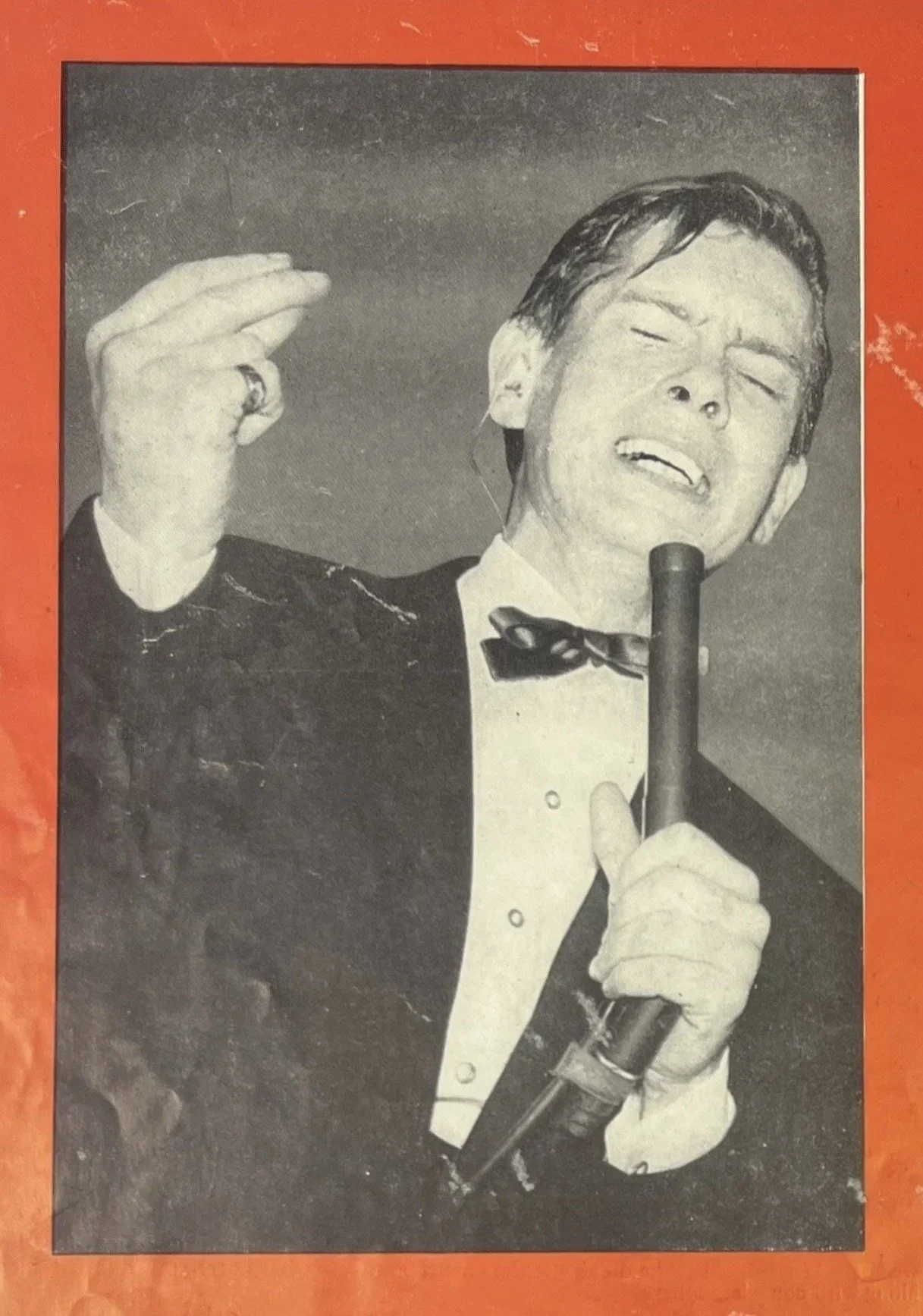
Ray's performing style included theatrics later associated with rock and roll, including tearing at his hair, falling to the floor, and crying on stage. Ray quickly earned the nicknames "Mr. Emotion", "The Nabob of Sob", "The Prince of Wails", and several others. One source states that Ray "opened the way for Elvis and the overt sexual energy of rock and roll and is credited by the Beatles, Bob Dylan, and Elton John as being a formative influence on their artistic styles". As well, Ray's manager said that Elvis Presley often watched Johnnie's concerts.
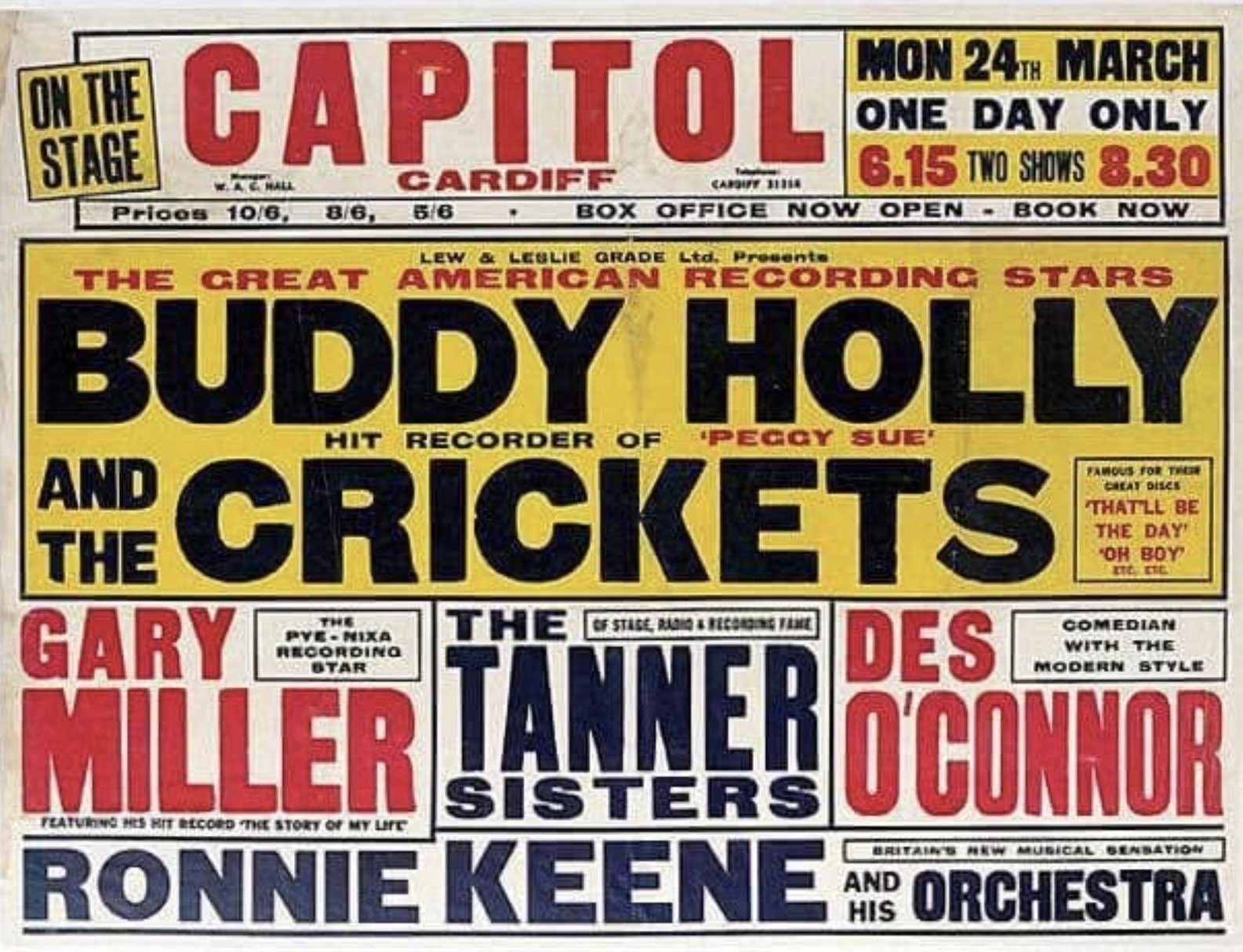
On This Day 24/03/1958 Buddy Holly

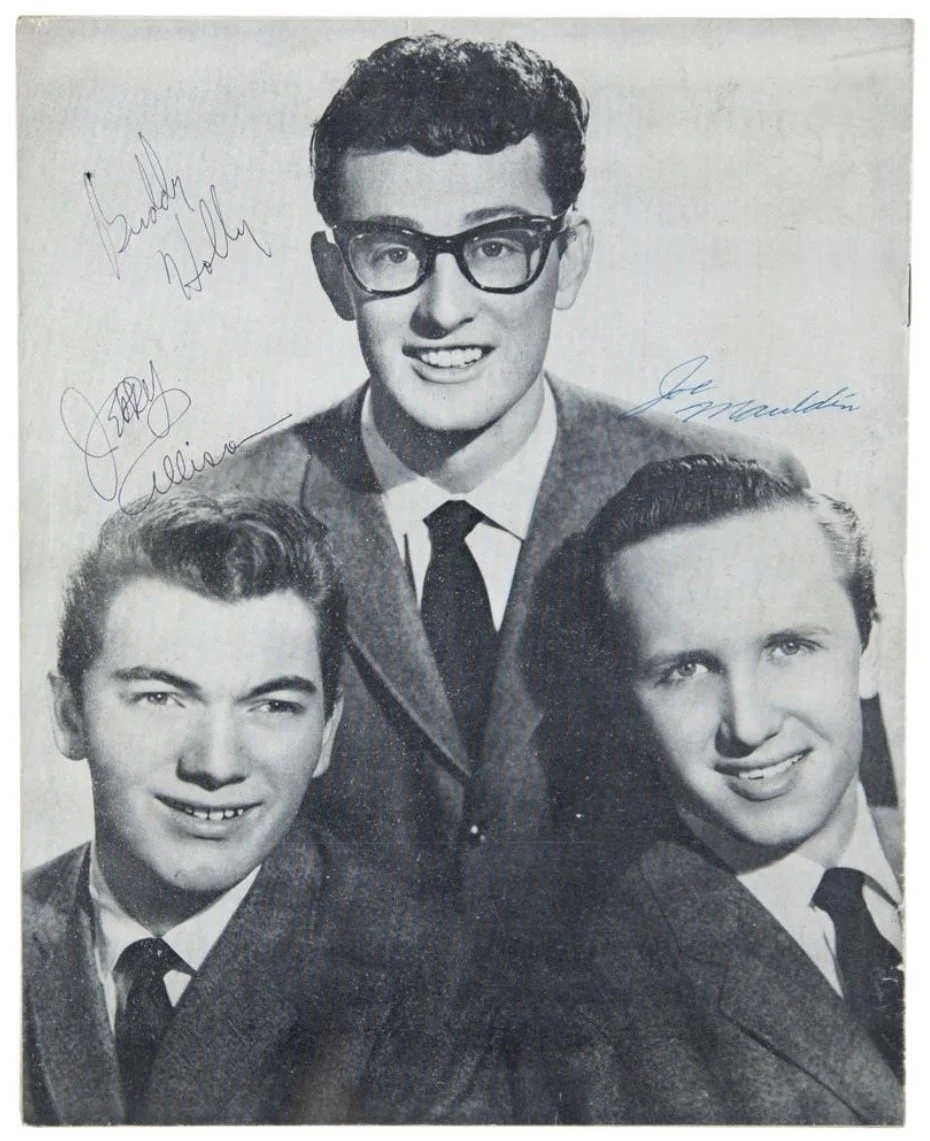
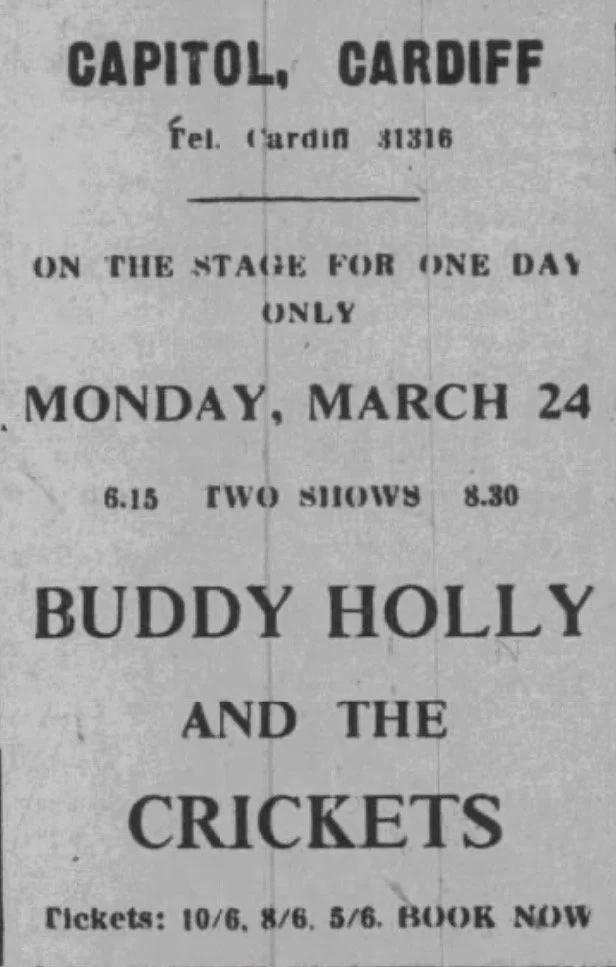
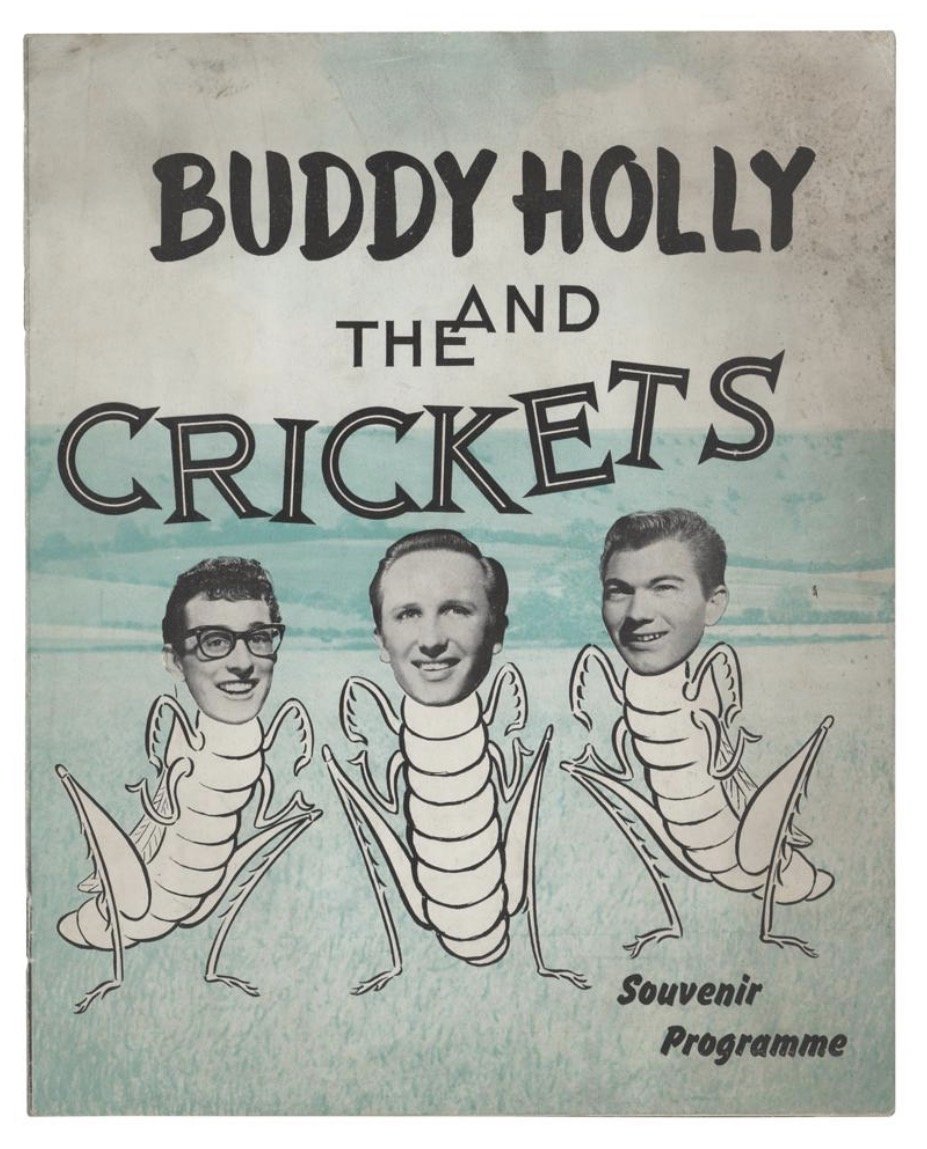
On this day, 24 March 1958, rock and roll legend Buddy Holly played Cardiff’s Capitol Theatre.

Buddy Holly and The Crickets' only UK tour in March 1958 was a seminal, month-long package tour featuring 25 nights of performances, often twice nightly, starting at London's Trocadero. Supported by acts like Des O'Connor and Gary Miller, the tour played a pivotal role in influencing future British rock musicians.

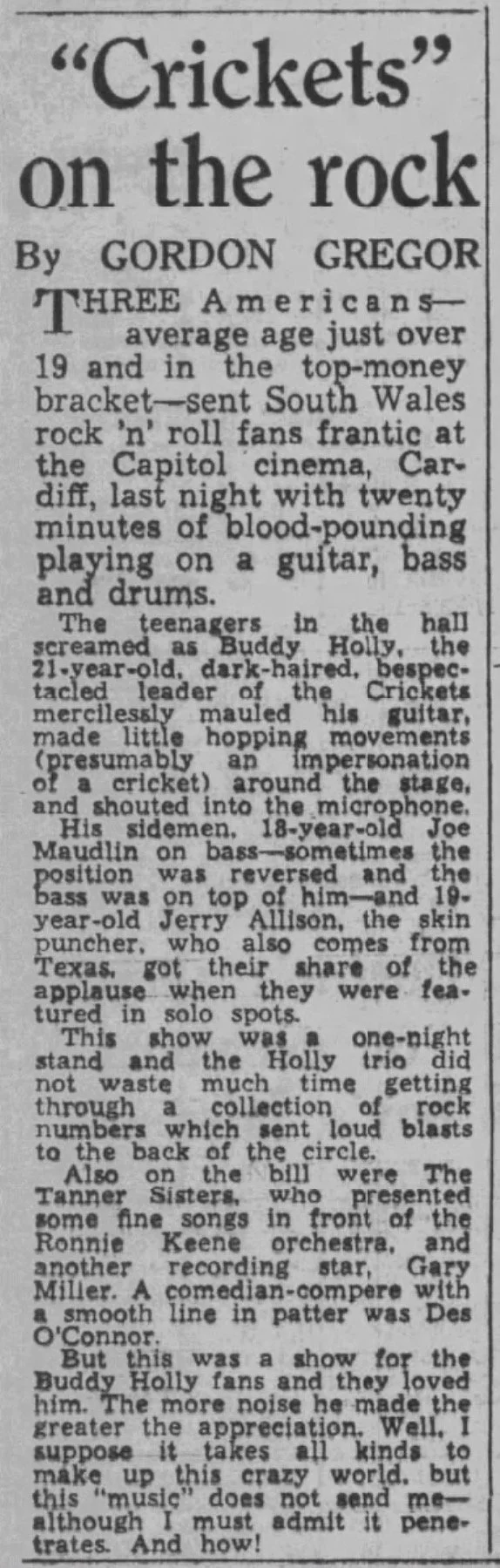
South Wales Argus

HOLLY AND THE CRICKETS GIVE US LOUDEST ROCK SHOW YET!

If rowdyism, drive and down-to earth abandon are the ingredients necessary for success in the rock’n’roll field, then Buddy Holly and The Crickets are all set for a long and eventful run of popularity! They rocked their way through a tremendous, belting 25-minute act without letting up for one moment at the Capitol Theatre on Monday, and the audience shared their approval in no uncertain terms. Much of the trio’s success can be attributed to the fact that their “in person” sound is almost identical to the sound they produce on record. They generate a brand of contagious excitement that is irresistible. On Monday, they completely overpowered the 13-piece Ronnie Keene Orchestra in relation to the volume of sound produced and, at times, I felt that leader Holly’s guitar was badly over-amplified. Drummer Jerry Allison attacks his kit with murderous intent, but bassist Joe Maudin remains relatively calm, and looks rather miserable most of the time! But how these 3 boys manage to make such a big, big sound with their limited instrumentation still baffles me!

Review - Cardiff and Suburban News.

On This Day 28/08/1959 Billy Fury

Images may be subject to copyright

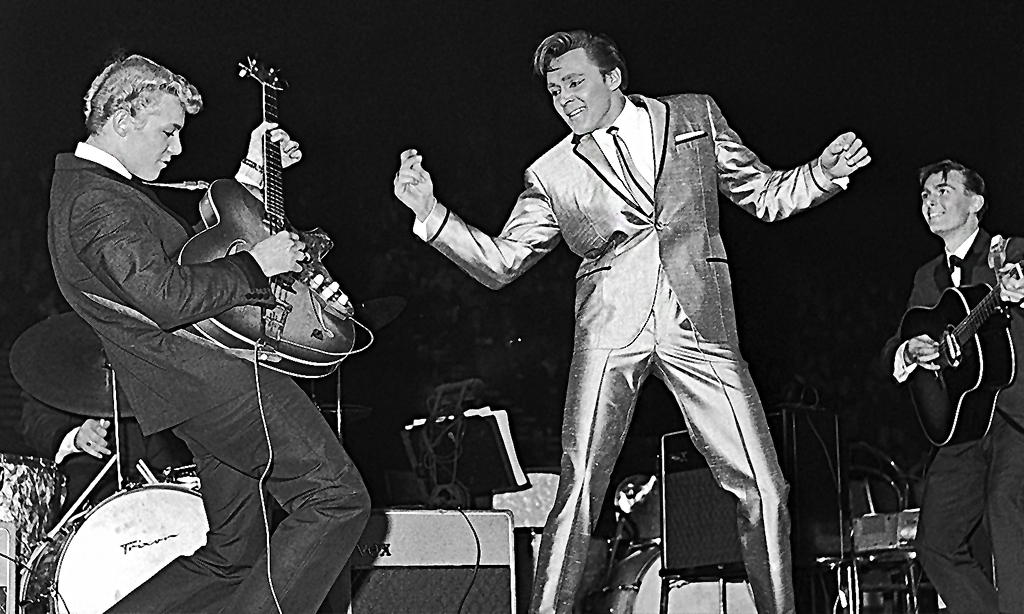
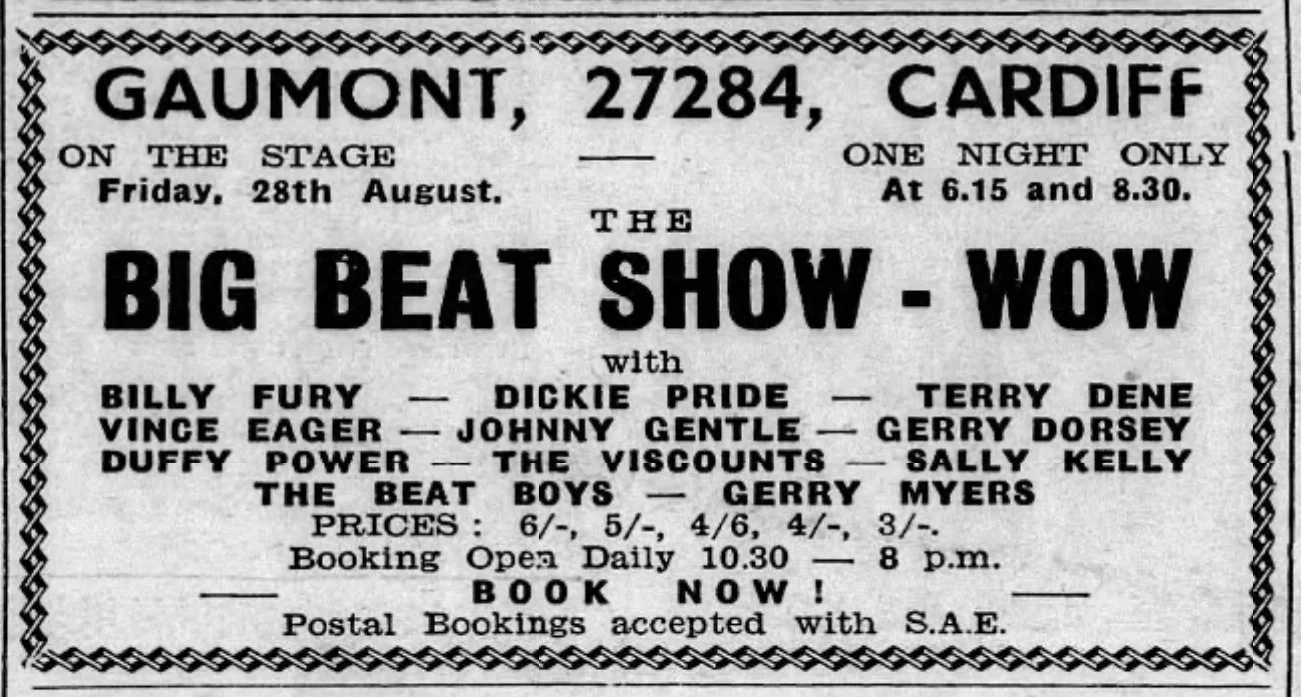
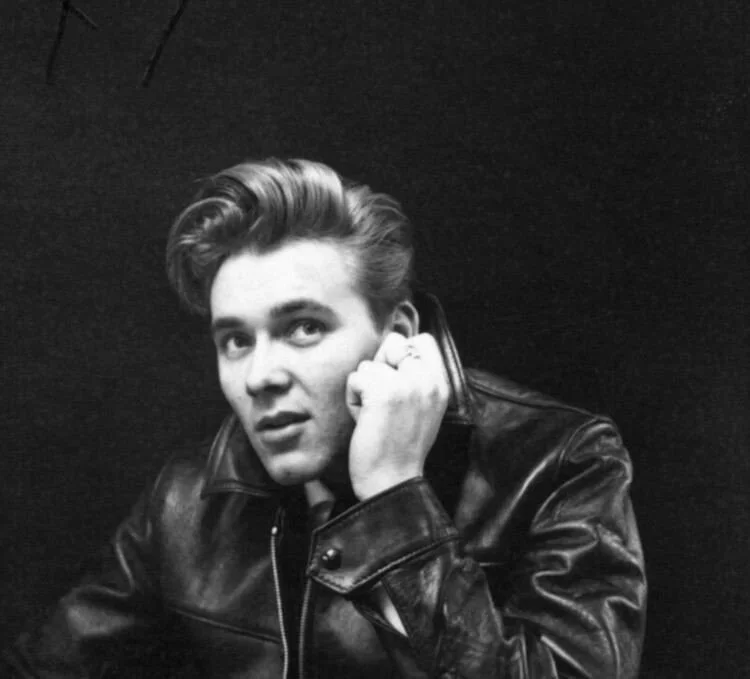
On this day, 28 Aug 1959, British rock legend Billy Fury played Cardiff’s Gaumont Theatre. Also included in the package was Terry Dene, Dickie Pride, Johnny Gentle, Duffy Power, Vince Eager, Gerry Dorsey, Sally Kelly with
Gerry Myers (compere).

Ronald Wycherley/Billy Fury went to meet pop manager and impresario Larry Parnes at the Essoldo Theatre in Birkenhead, hoping to interest one of Parnes' protégés, singer Marty Wilde, in some of the songs he had written.

Instead, in an episode that has since become pop music legend, Parnes pushed young Wycherley up on stage right away. He was such an immediate success that Parnes signed him, added him to his tour, and renamed him "Billy Fury".

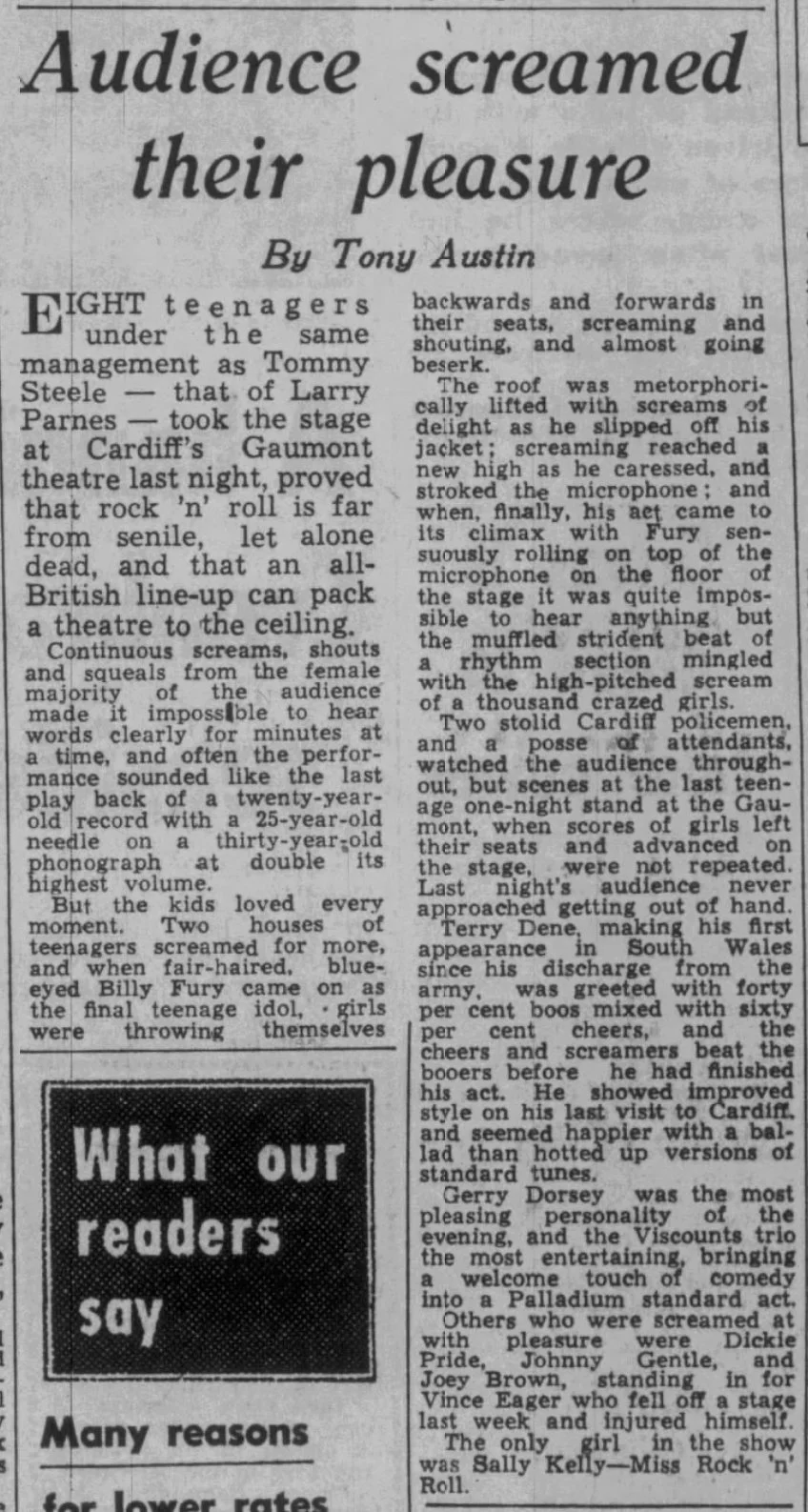
Review - South Wales Argus

However, his early sexual and provocative stage performances received censure, and he was forced to tone them down. In October 1959, the UK music magazine, NME, commented that Fury's stage antics had been drawing much press criticism.

An early star of both rock and roll and films, he equalled the Beatles' record of 24 hits in the 1960s and spent 332 weeks on the UK chart, though he never had a chart-topping single or album.

On This Day 16/05/1957 Mitchell Torok

Images may be subject to copyright

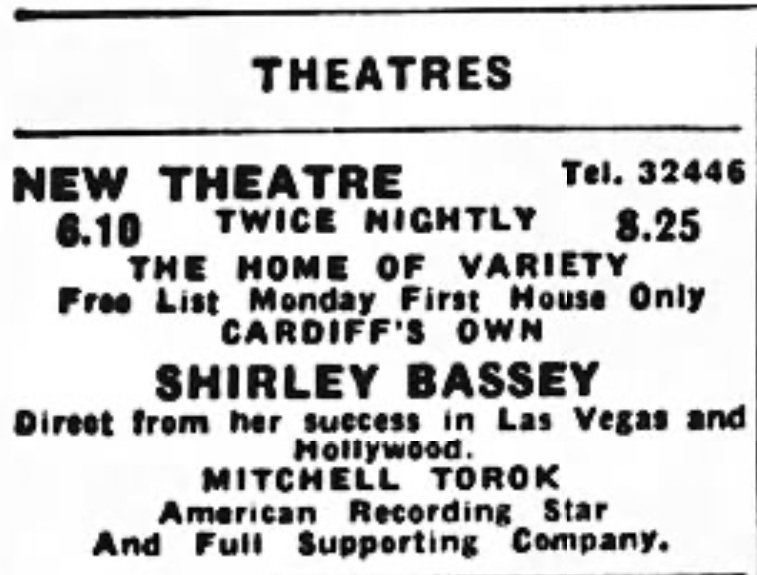
On this day, 16 May 1957, American country music singer-songwriter, guitarist, artist and author Mitchell Torok played Cardiff’s New Theatre as part of abill that included Cardiff born singer Shirley Bassey. He is best known for his 1953 hit record "Caribbean". He also wrote "Mexican Joe", which catapulted Jim Reeves to stardom.

Torok became a member of Louisiana Hayride on KWKH-AM in Shreveport. In 1954, his song "My Arabian Baby" appeared as the B-side of Snow's hit "I Don't Hurt Anymore". Torok gained a No. 8 country hit with "Hootchy Kootchy Henry (From Hawaii)" and in 1956, after joining Decca Records in Nashville, he had top ten success on the UK Singles Chart with his and wife Gail Reed’s song, "When Mexico Gave Up The Rhumba" and "Red Light, Green Light".

This success led to a four-month tour of the United Kingdom in 1957, headlining at the London Palladium. His shows included English comedian Dickie Henderson and Shirley Bassey. It marked the only time Torok has performed with a full pit orchestra with written arrangements on all the songs, led by Torok's own conductor, Maurice " Tex" Bromley, at the on-stage piano with him.

On This Day 26/04/1958 Johnnie Ray

Images may be subject to copyright

On this day 26 April 1958, American singer, songwriter, and pianist Johnnie Ray played Cardiff’s Capitol Theatre.

Born and raised in Dallas, Oregon, Ray, who was partially deaf, began singing professionally at age 15 on Portland radio stations. He gained a local following singing at small, predominantly African-American nightclubs in Detroit, where he was discovered in 1949.

In 1951, he signed a contract with Okeh Records, a subsidiary of Columbia Records. On the Billboard charts, he rose quickly from obscurity with the release of his debut album Johnnie Ray (1952), as well as with a 78 rpm single, both of whose sides reached the Billboard magazine's Top Hot 100 chart, "Cry" and "The Little White Cloud That Cried".

In the 1950s, after both sides of the single "Cry"/"The Little White Cloud That Cried" ran their course, more hit songs followed. They included "Please, Mr. Sun", "Such a Night", "Walkin' My Baby Back Home", "A Sinner Am I", and "Yes Tonight Josephine". He scored a number-one hit in the United Kingdom with "Just Walkin' in the Rain" (which he initially disliked) during the Christmas season in 1956. He hit again in 1957 with "You Don't Owe Me a Thing", which reached number 10 on the Billboard charts in the United States.

Though his American popularity was declining in 1957, he remained popular in the United Kingdom, breaking the attendance record at the London Palladium formerly set by fellow Columbia Records artist Frankie Laine. In later years, he retained a loyal fan base overseas, particularly in Australia.

On This Day 21/04/1958 Lonnie Donegan  

Images may be subject to copyright

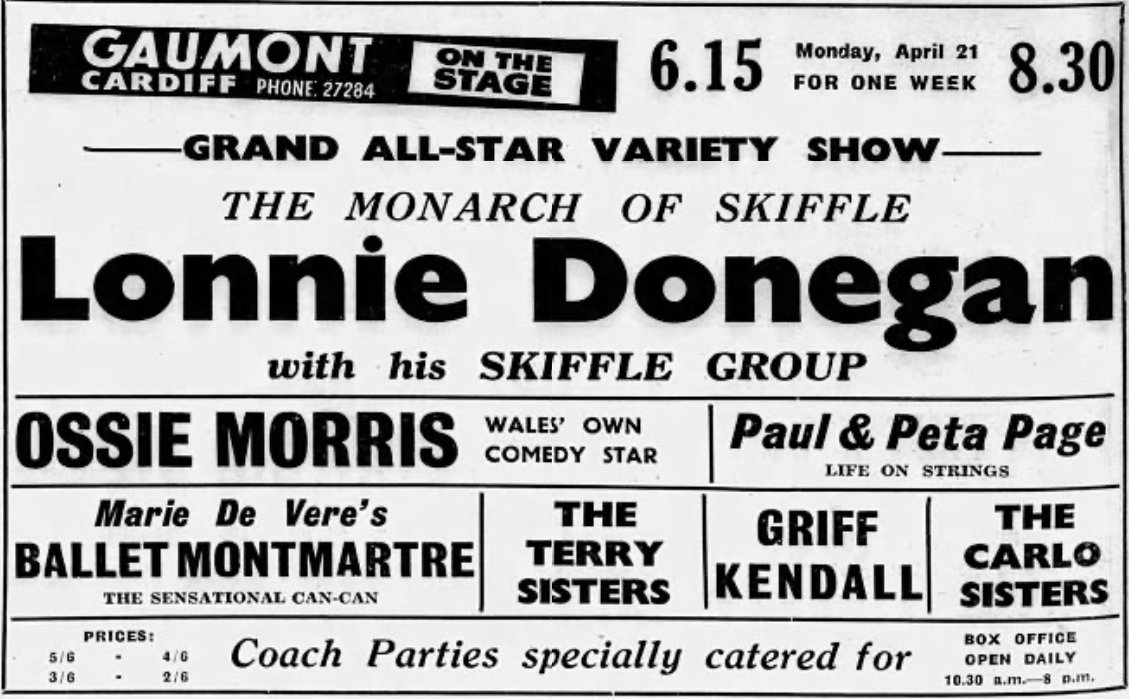
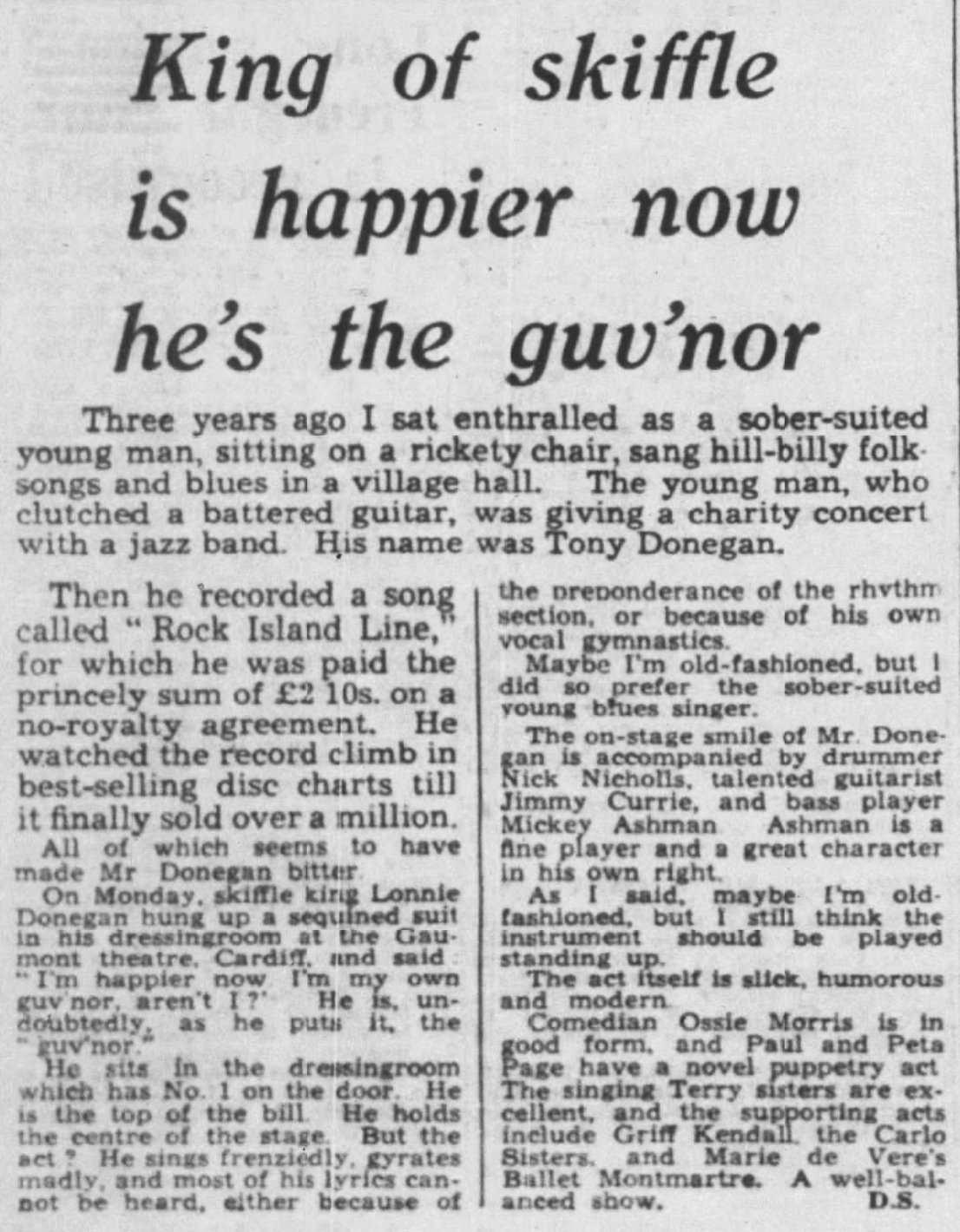
On this day, 21 April 1958, skiffle legend Lonnie Donegan played Cardiff’s Gaumont Theatre, the first of a week of shows, playing twice nightly. Also on the bill was Welsh comedian Ossie Morris, Paul and Peta Page, Ballet Montmartre, The Terry Sisters, The Carlo Sisters and Grif Kendall.

Review - South Wales Argus


On This Day 27/09/1958 The Hi-Lo's

Images may be subject to copyright

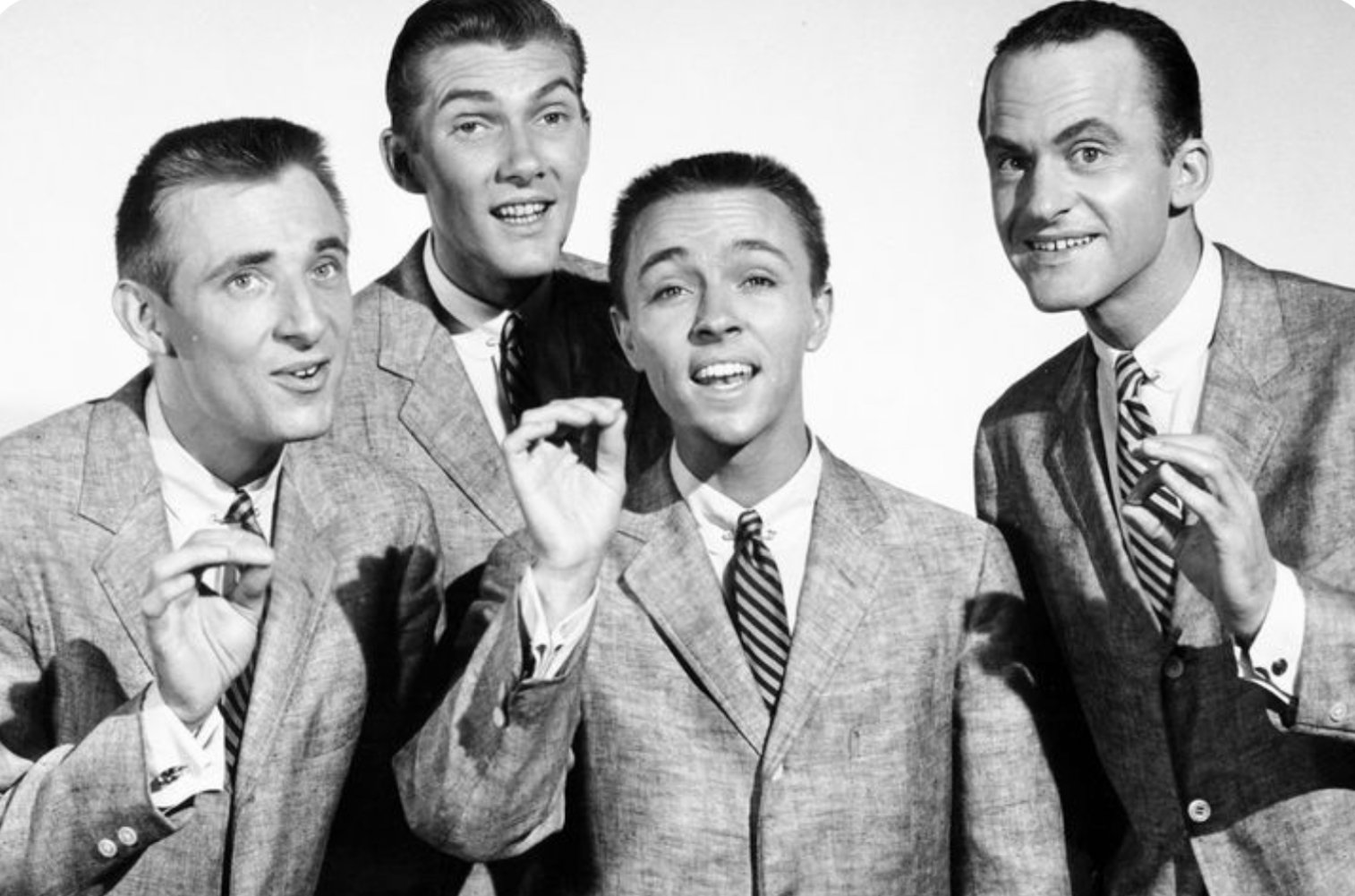
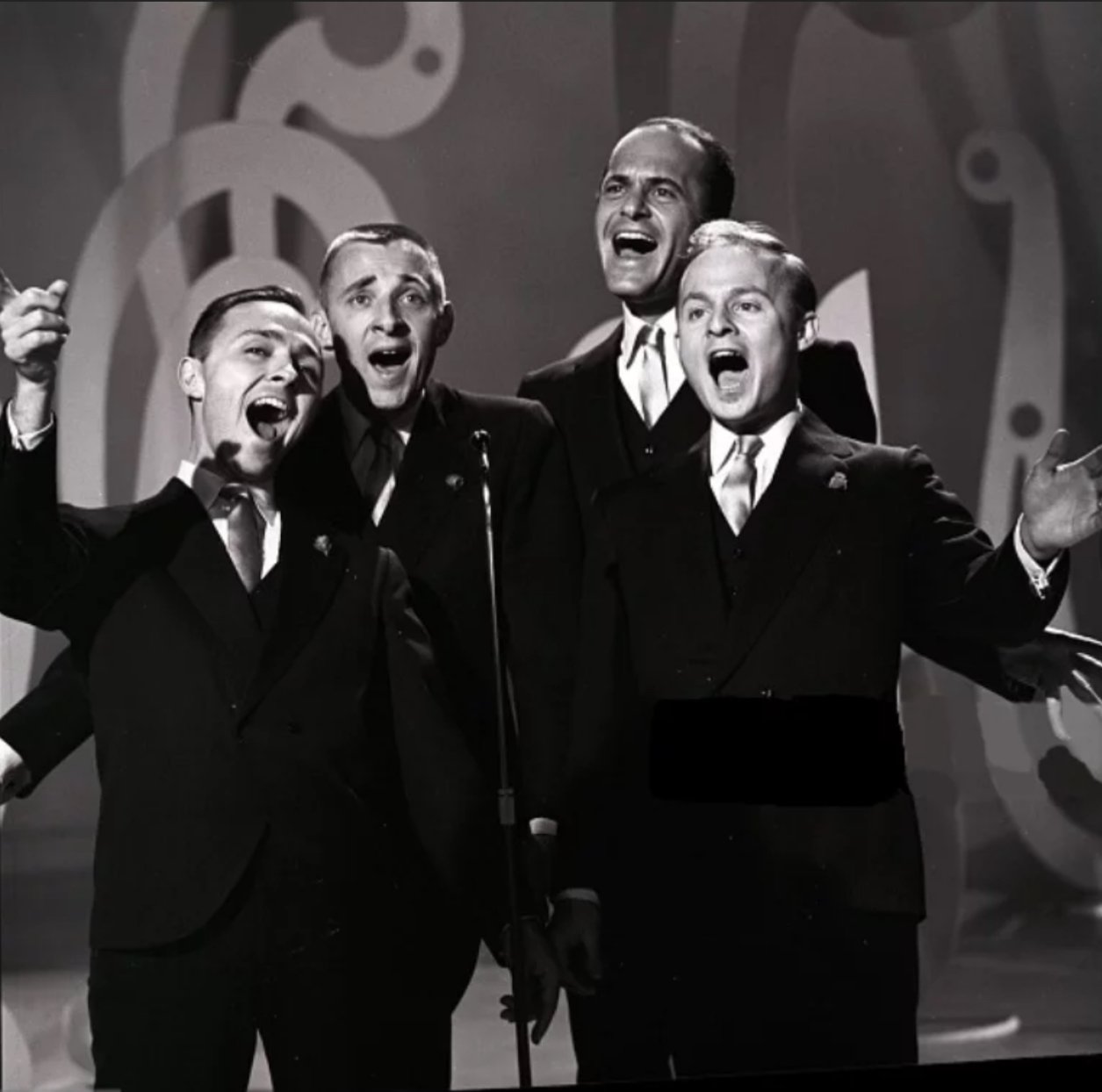
On this day, 27 September 1958, American jazz/pop vocal group The Hi-Lo's played Cardiff’s Capitol Theatre. Support was provided by Vic Lewis and his Orchestra, jazz harmonica player Max Geldray and Anglo-American comedian Alan Clive.

The Hi-Lo's were a close-harmony vocal quartet of the 1950's and early 1960's who brought the arrangement and harmonics of popular song to a standard which has seldom been equalled and never surpassed. In their time, only the Four Freshmen have acquired a comparable reputation.

They were Gene Puerling, bass-baritone, arranger and leader of the group: Bob Strasen, baritone: Bob Morse, baritone and occasional soloist and Clark Burroughs, tenor. The group was formed in April, 1953 and took their name from the incredible vocal range they covered between them. It was also true that, while Puerling and Burroughs were five feet seven and five feet five respectively, Morse and Strasen topped six feet.

They brought imagination, technical accomplishment, daring, determination and integrity to their artistry when the model for groups of their kind was a safe commercial blend. Their superiority in every department ofarranging, recording and performance was down to the genius of Gene Puerling who, in later years, went on to form Singers Unlimited with replacement Hi-Lo Don Shelton. After disbanding in the midst of the early-sixties British pop invasion of the United States and pursing their various projects, they reformed with great success in the late seventies to perform live and to produce two further outstanding albums.

Brian Wilson of the Beach Boys, the Mamas and the Papas, the Gatlin Brothers, Manhattan Transfer and Take Six were all awakening to their own musical ambitions at this time and cite the Hi-Lo's as a major musical influence. The group's personal appearances at this time are well remembered. They opened for Judy Garland on tour, sang at Madison Square Garden, the Hollywood Bowl and the Royal Albert Hall in London.

A critic who saw them at the Crescendo in Hollywood referred to their 'bright, well-scrubbed look and the highly humorous content of the act … accentuated by spokesman Puerling's comic patter, aided and abetted by cracks from the others' and to a routine in which the four Hi-Lo's wound up in a tangle of arms and legs on the floor. More seriously, they would find huge audiences breathless and captivated by their beguiling vocal performances.

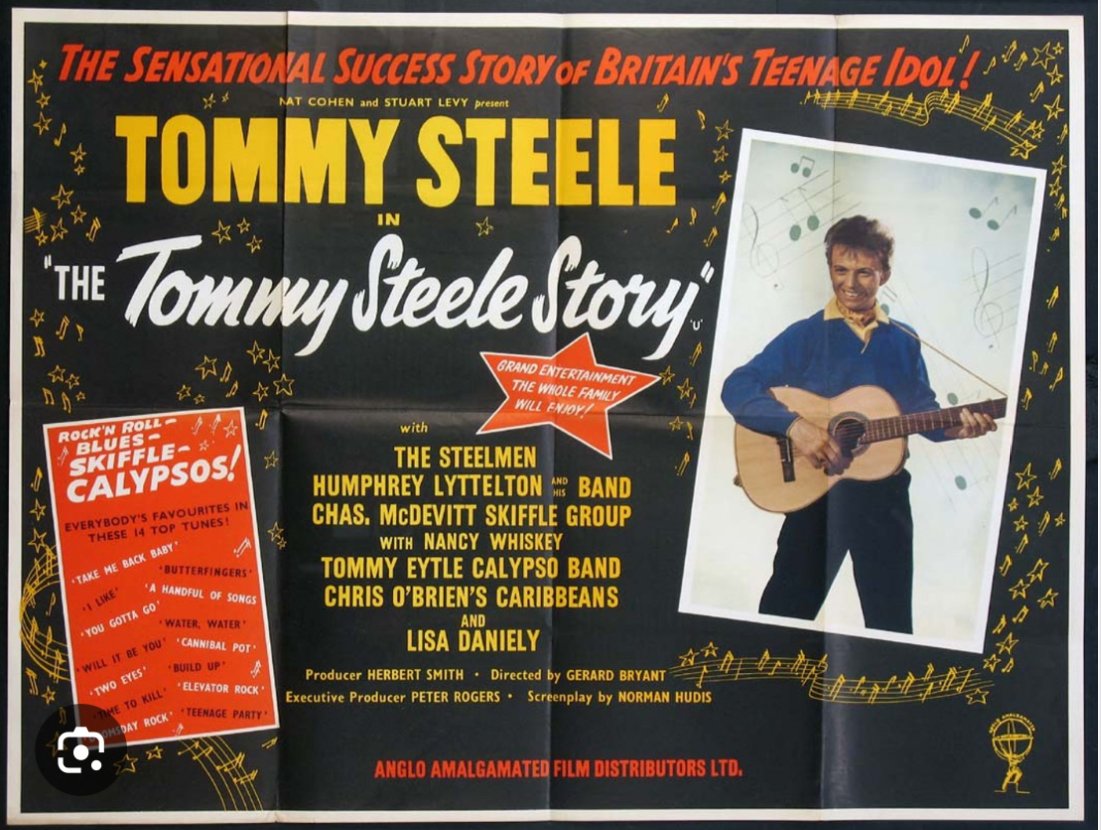
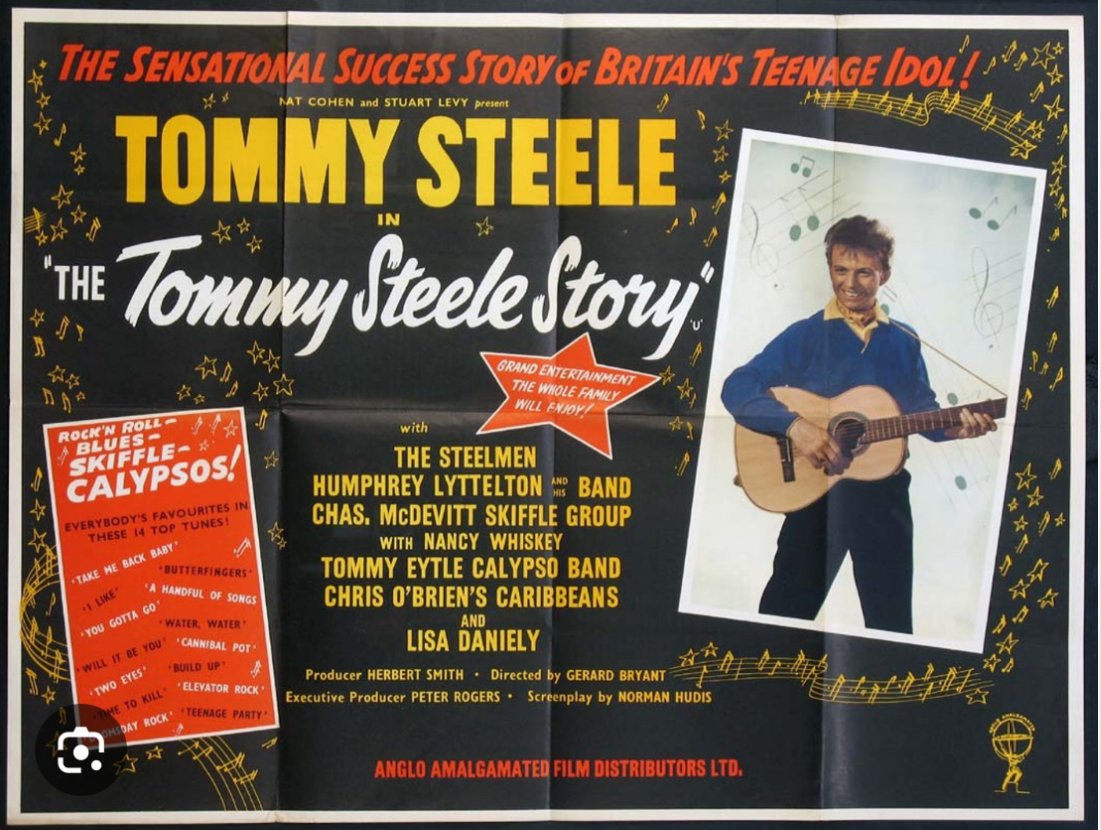
On This Day 13/05/1957 Tommy Steele

Images may be subject to copyright

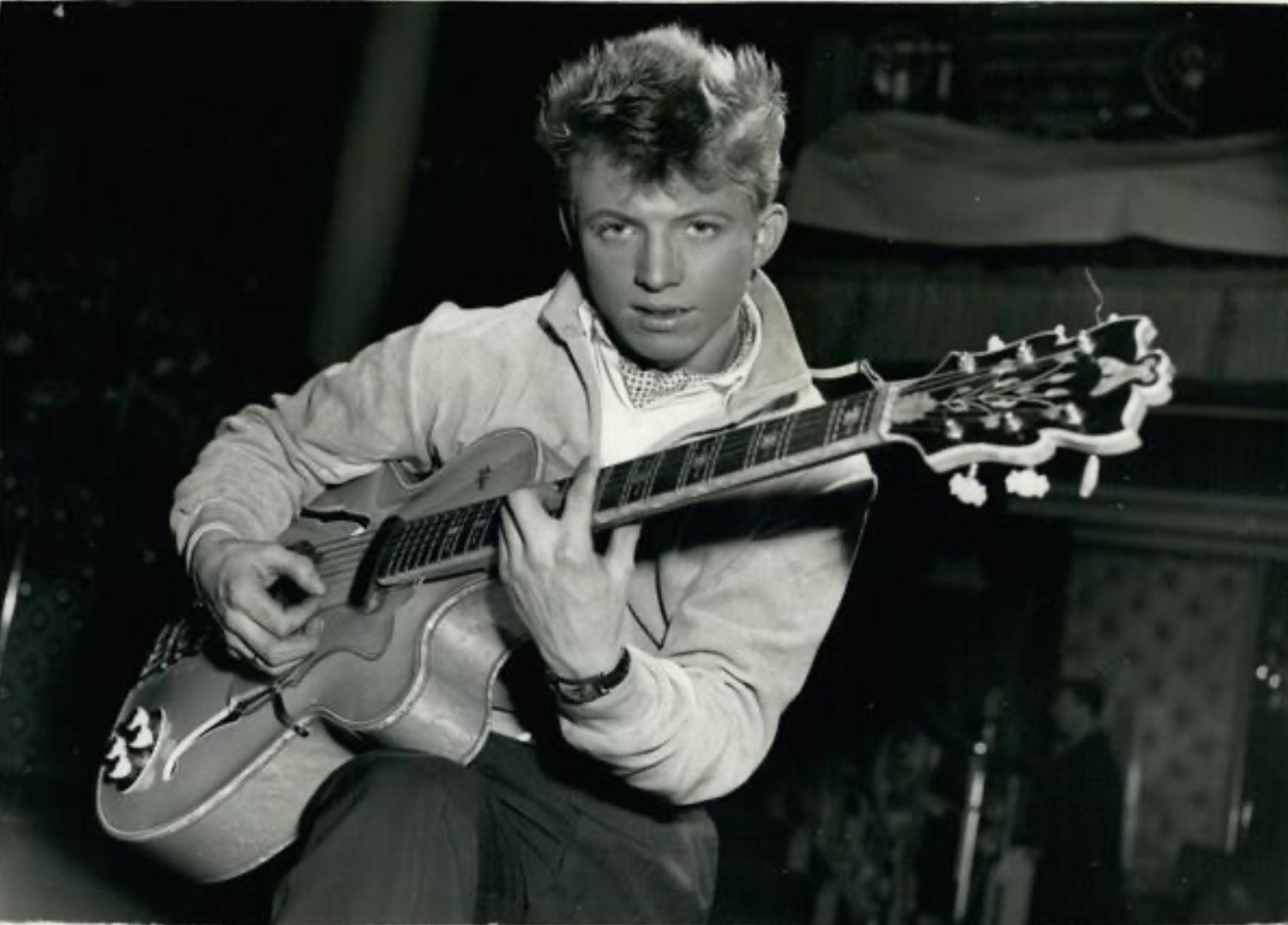
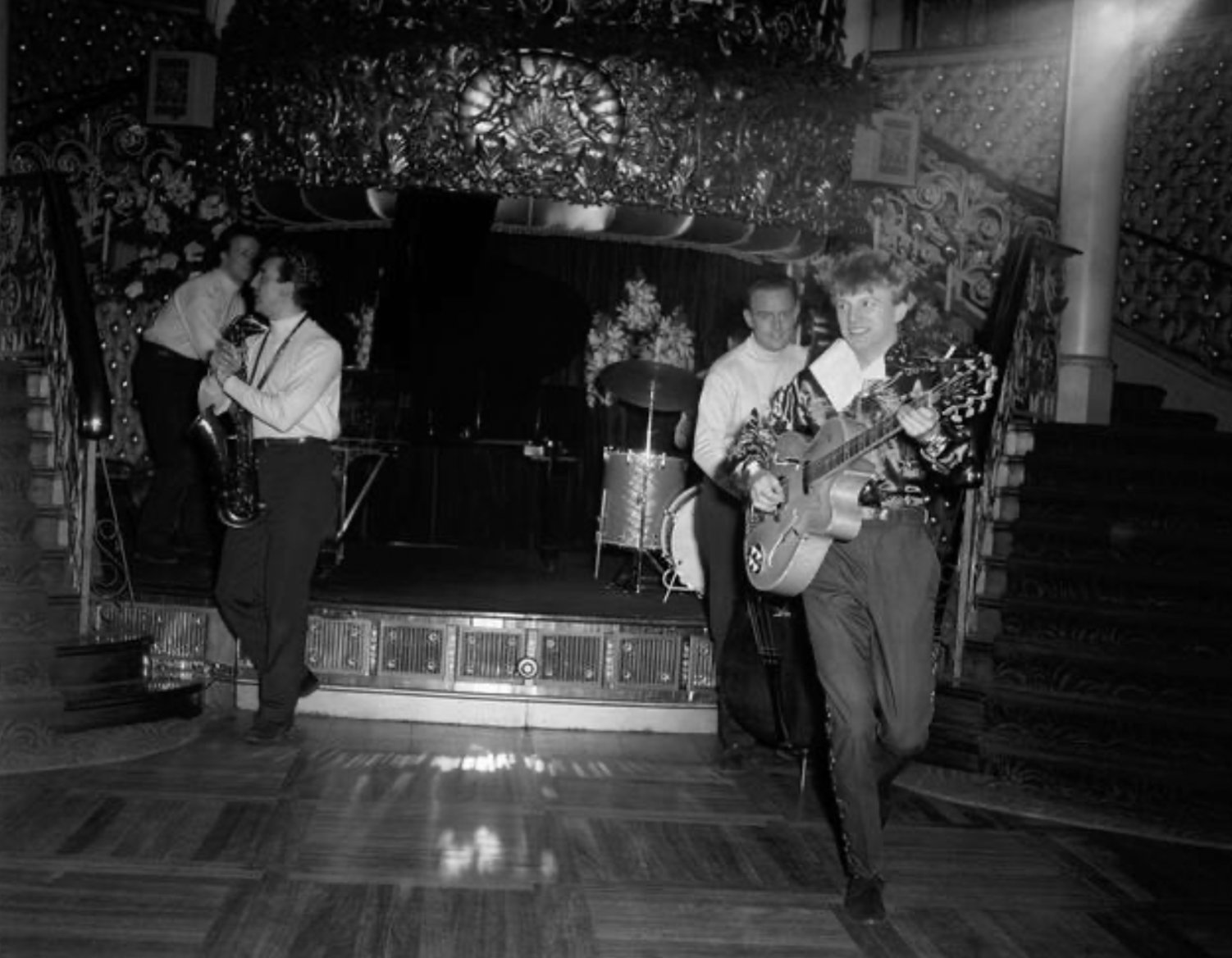
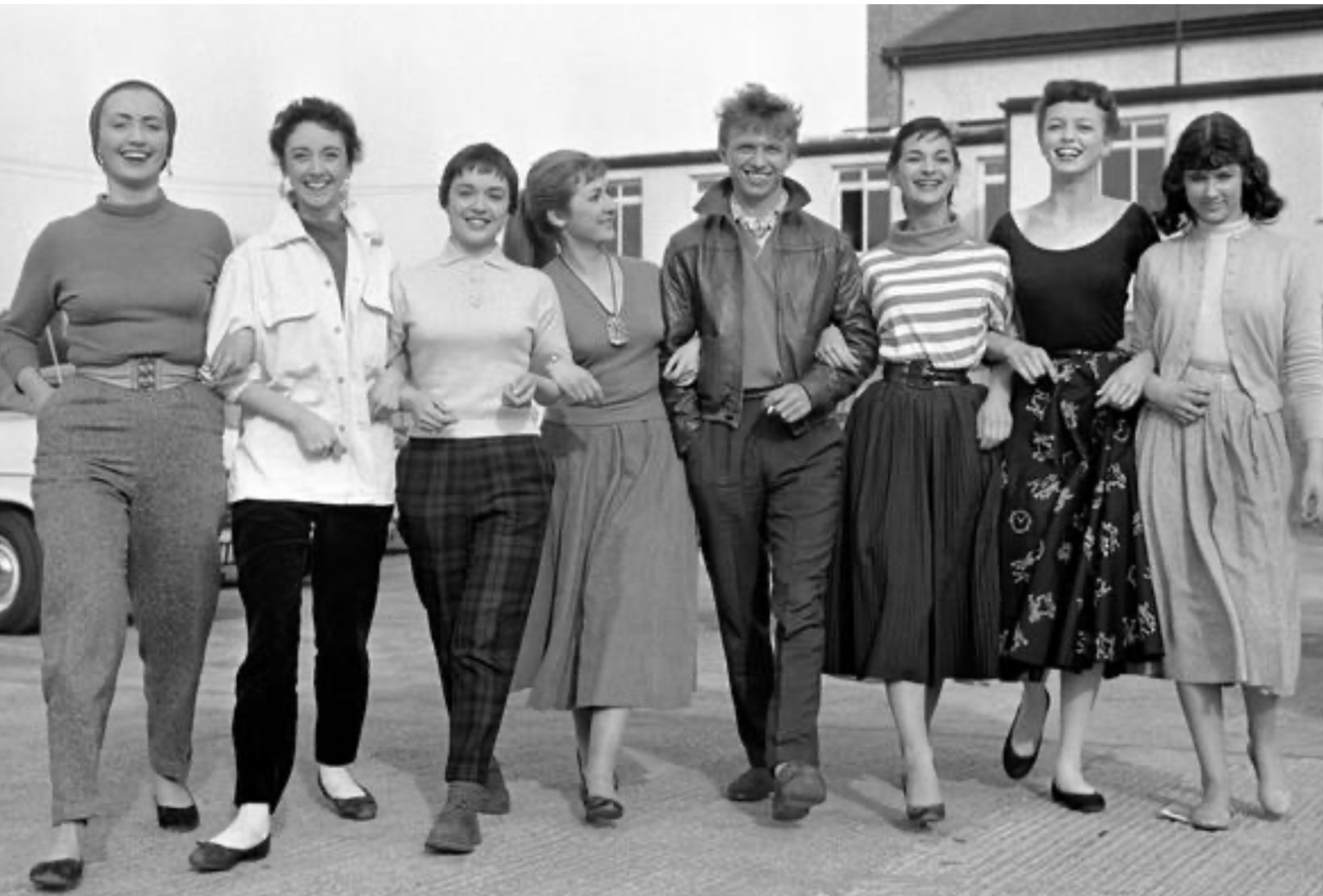
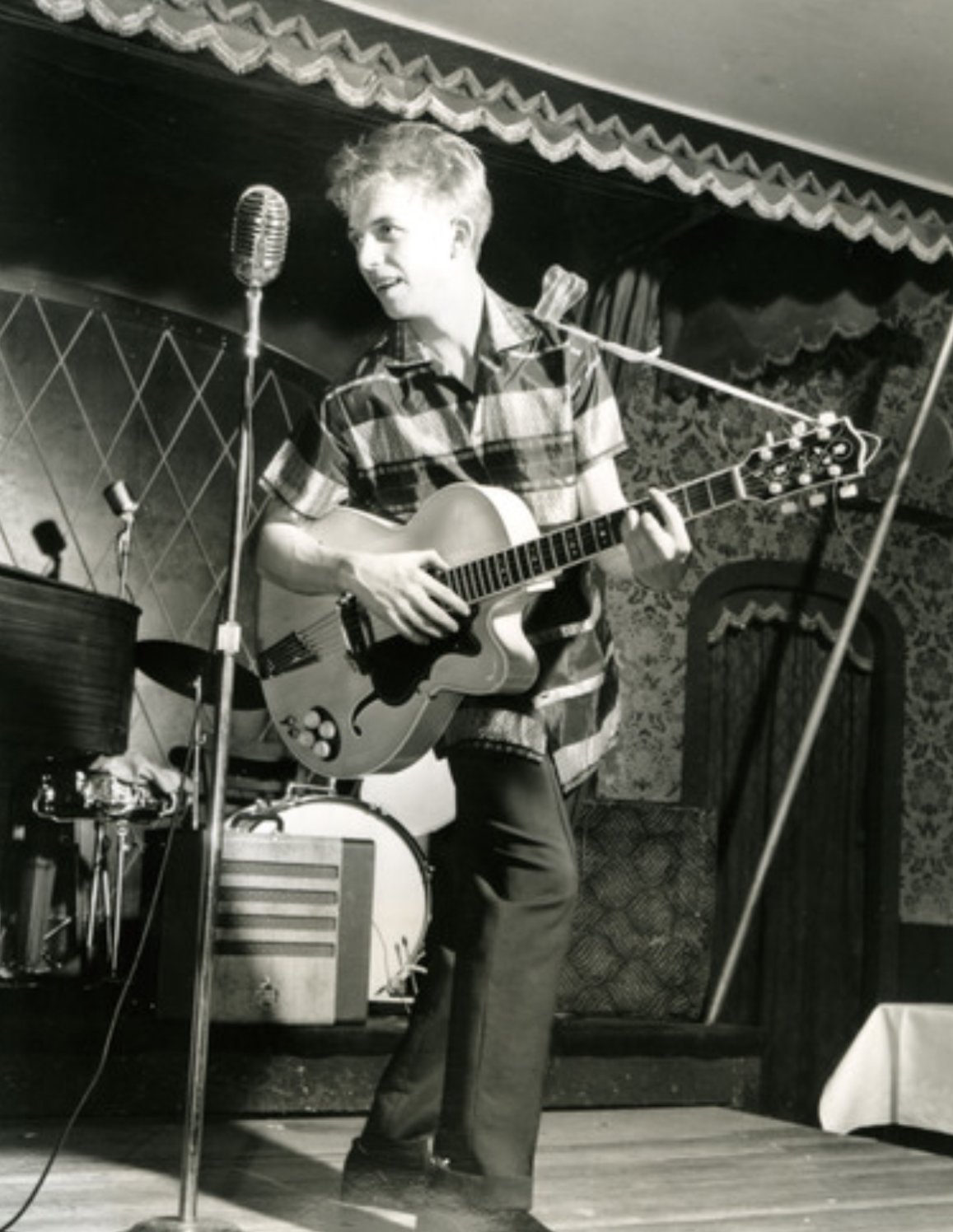
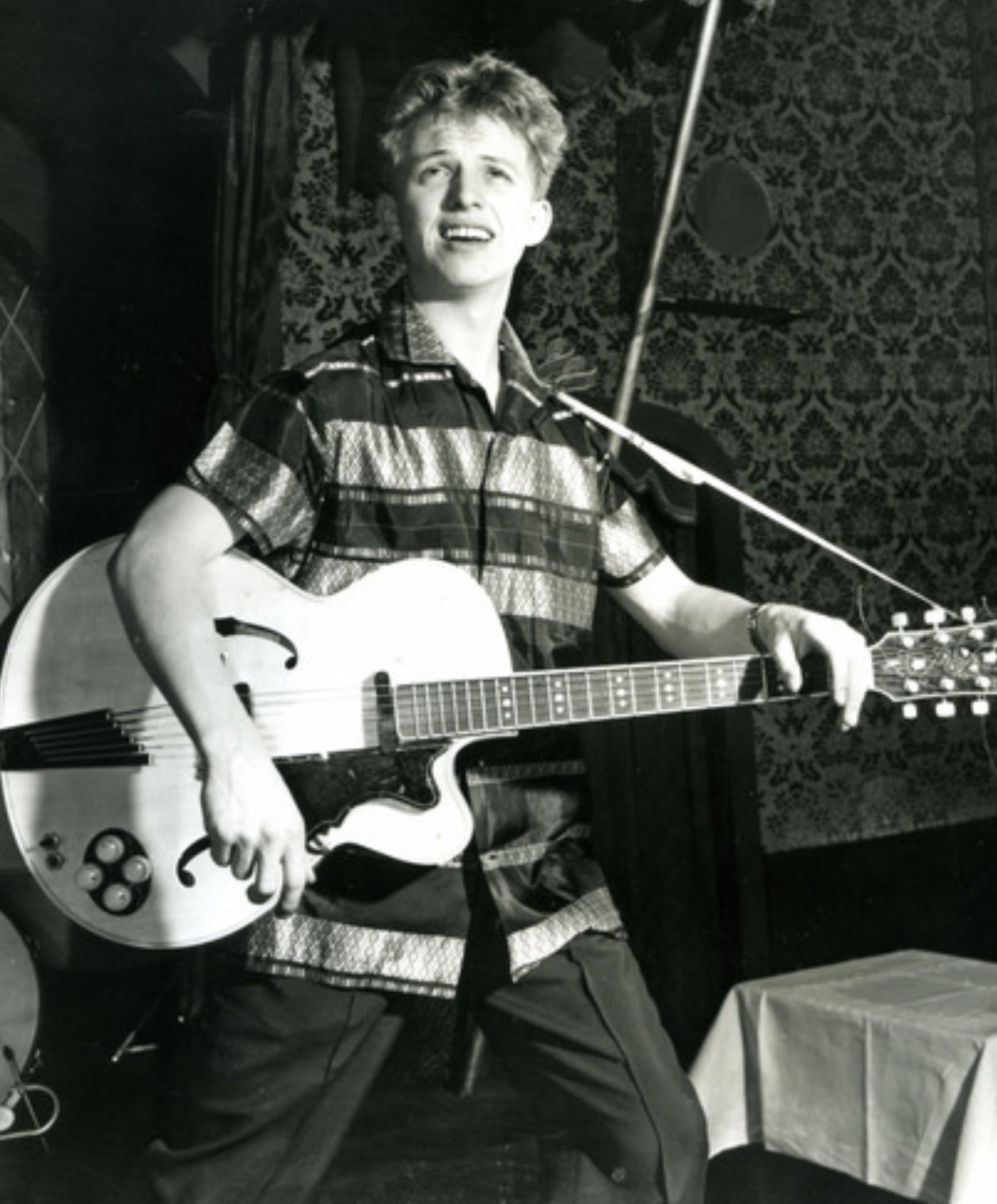
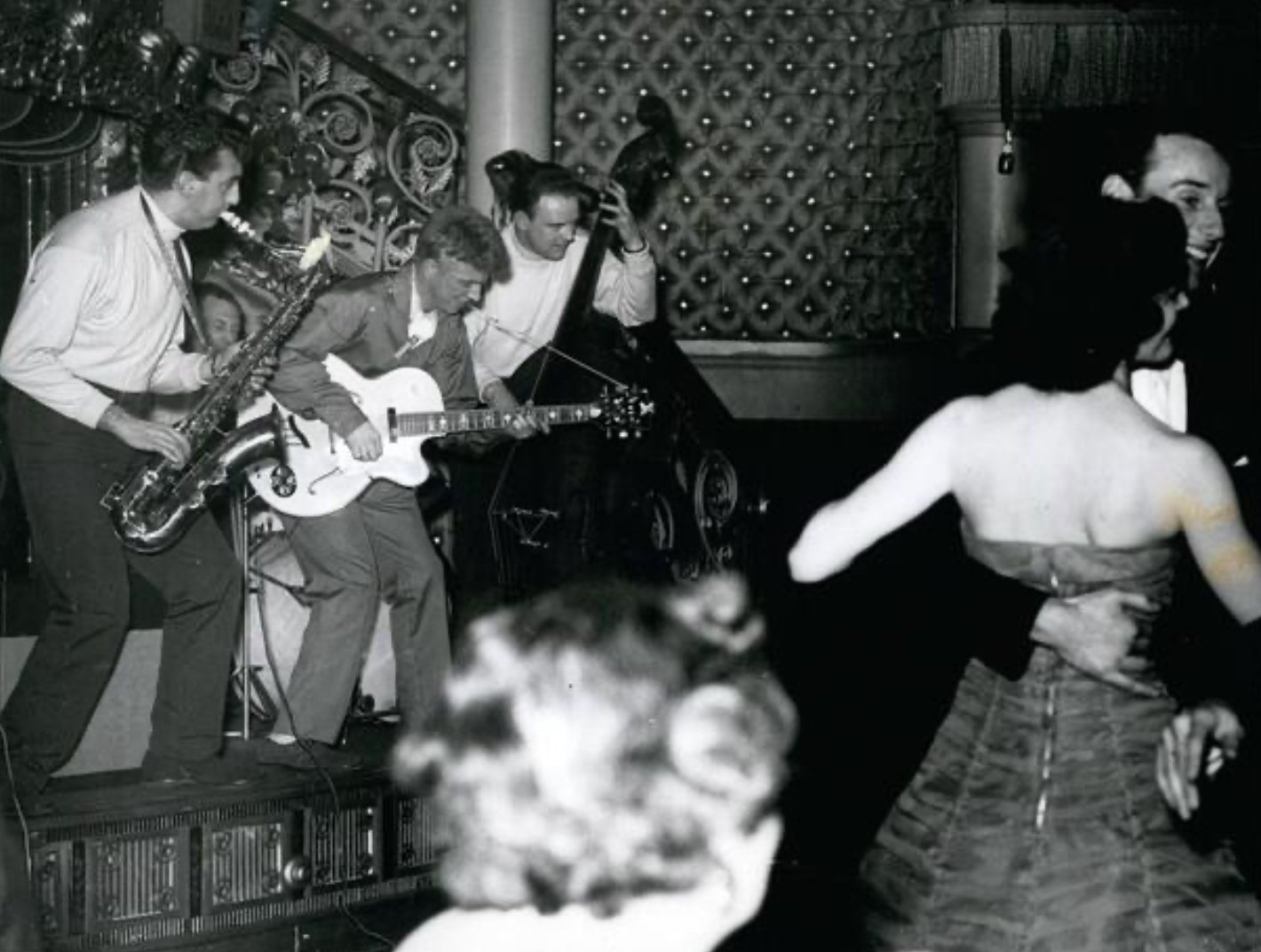
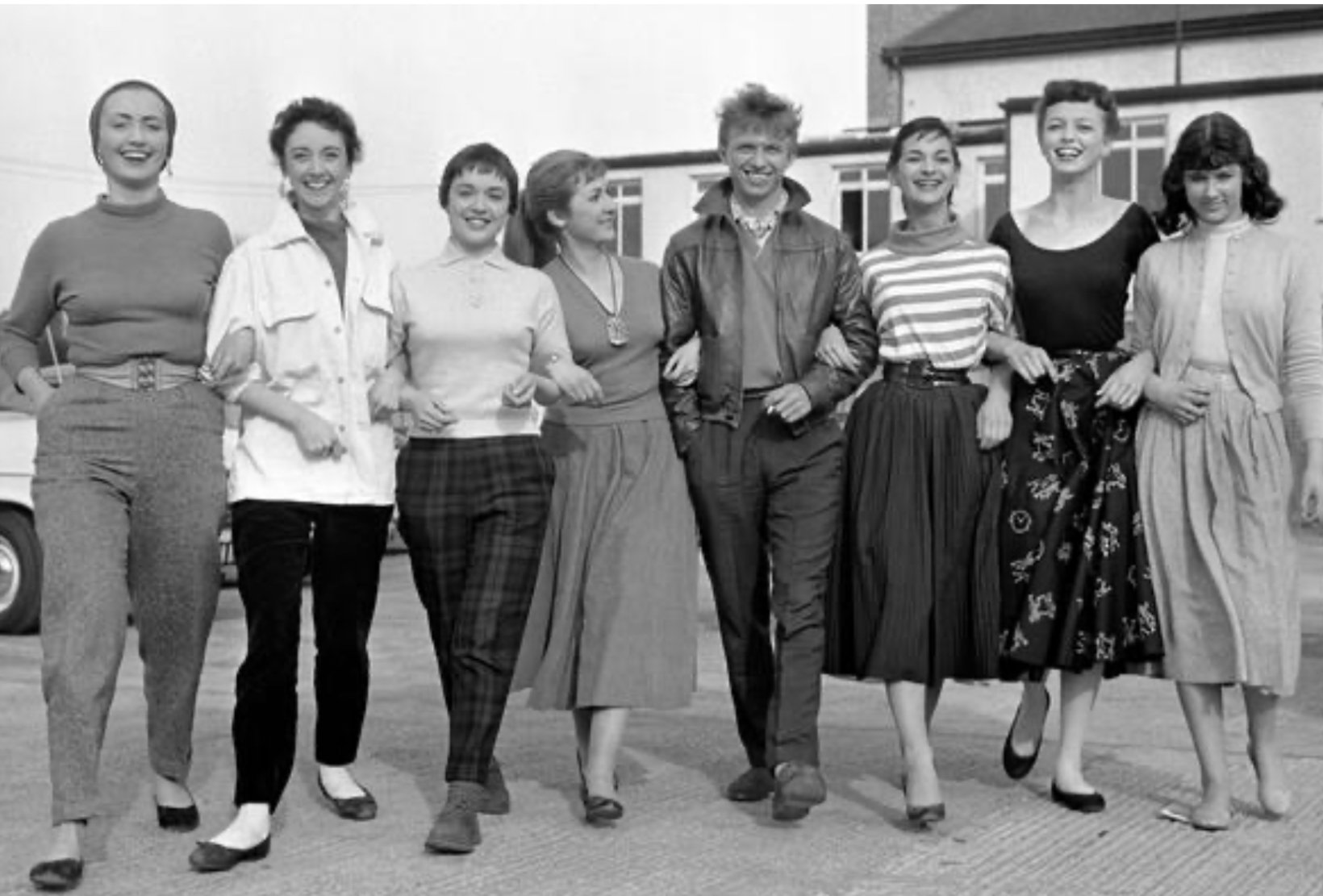
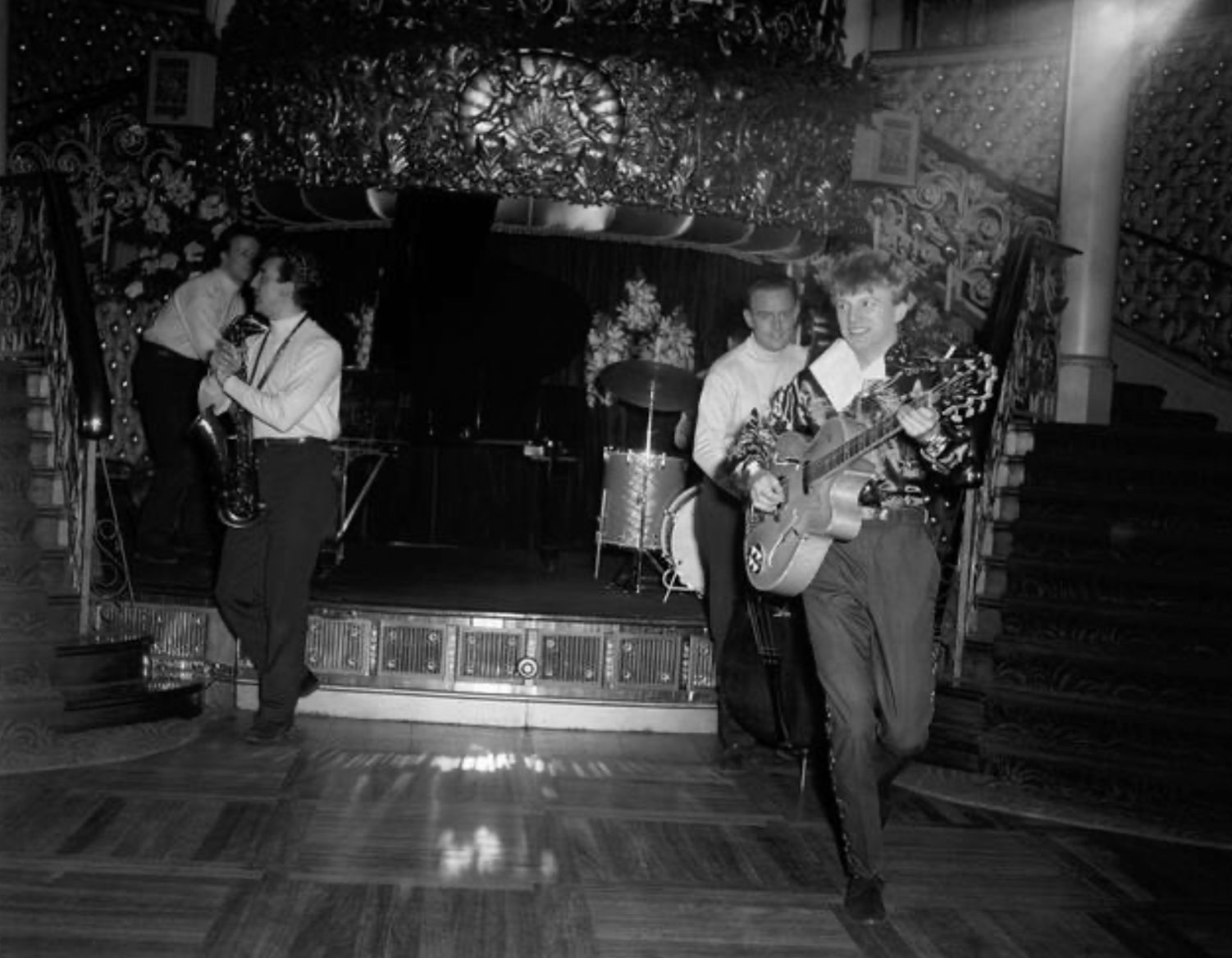
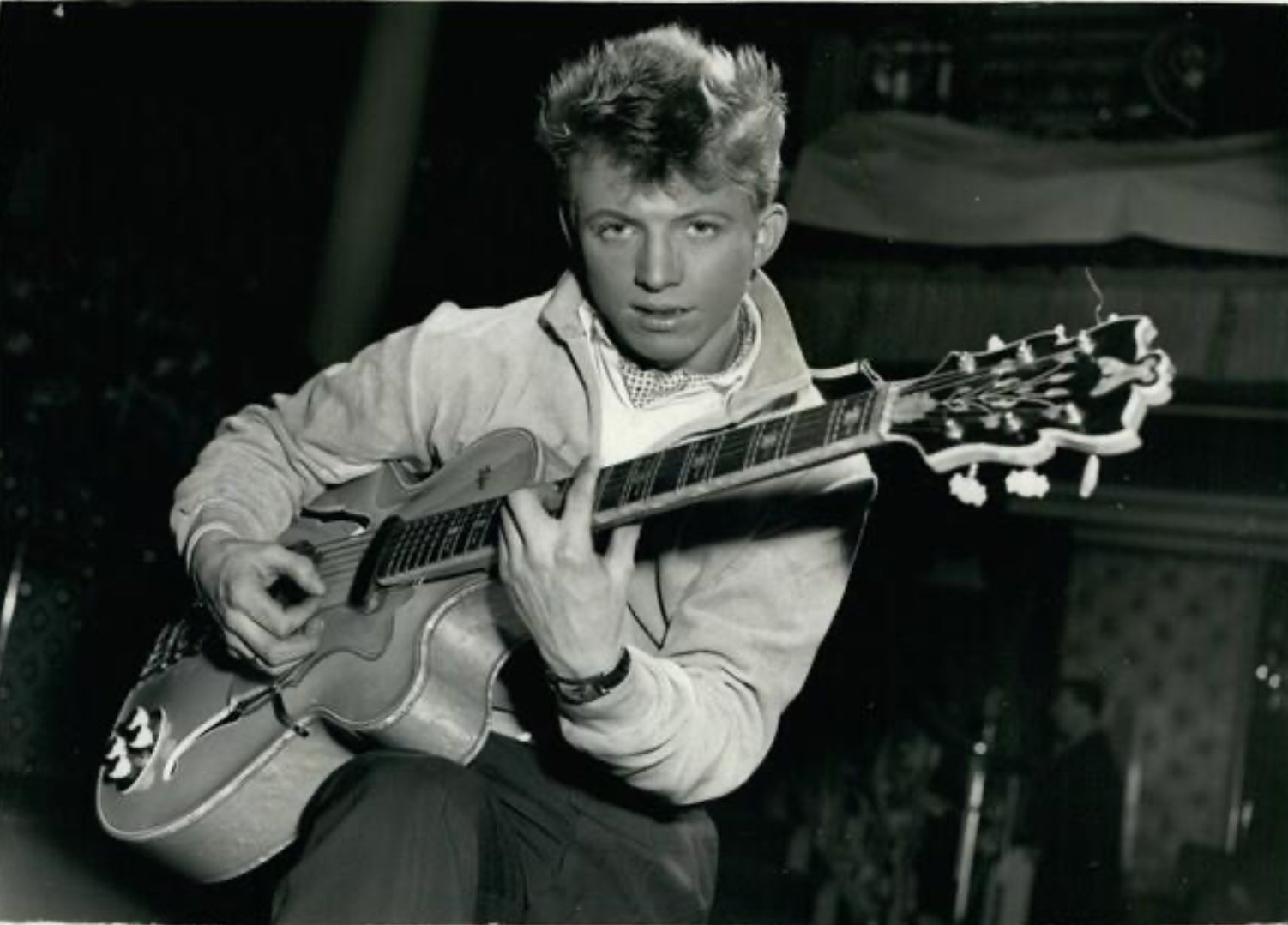
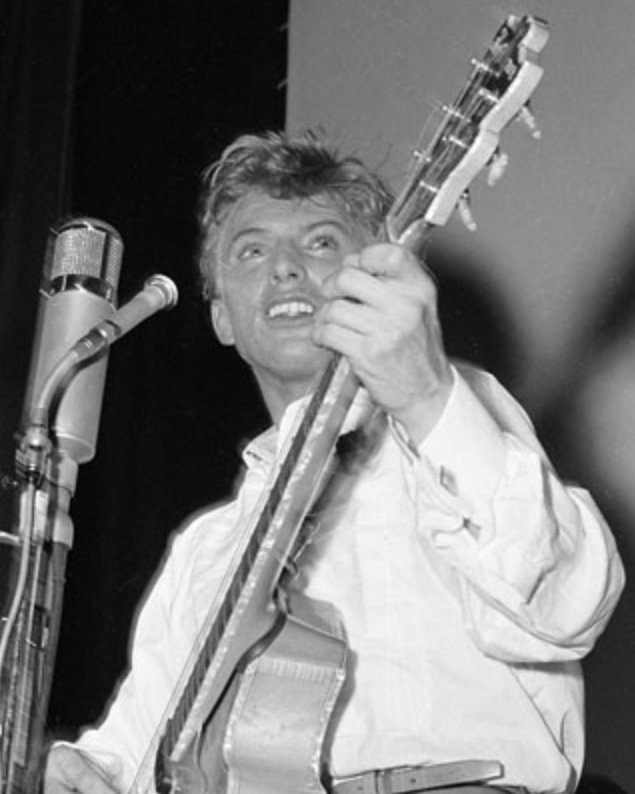
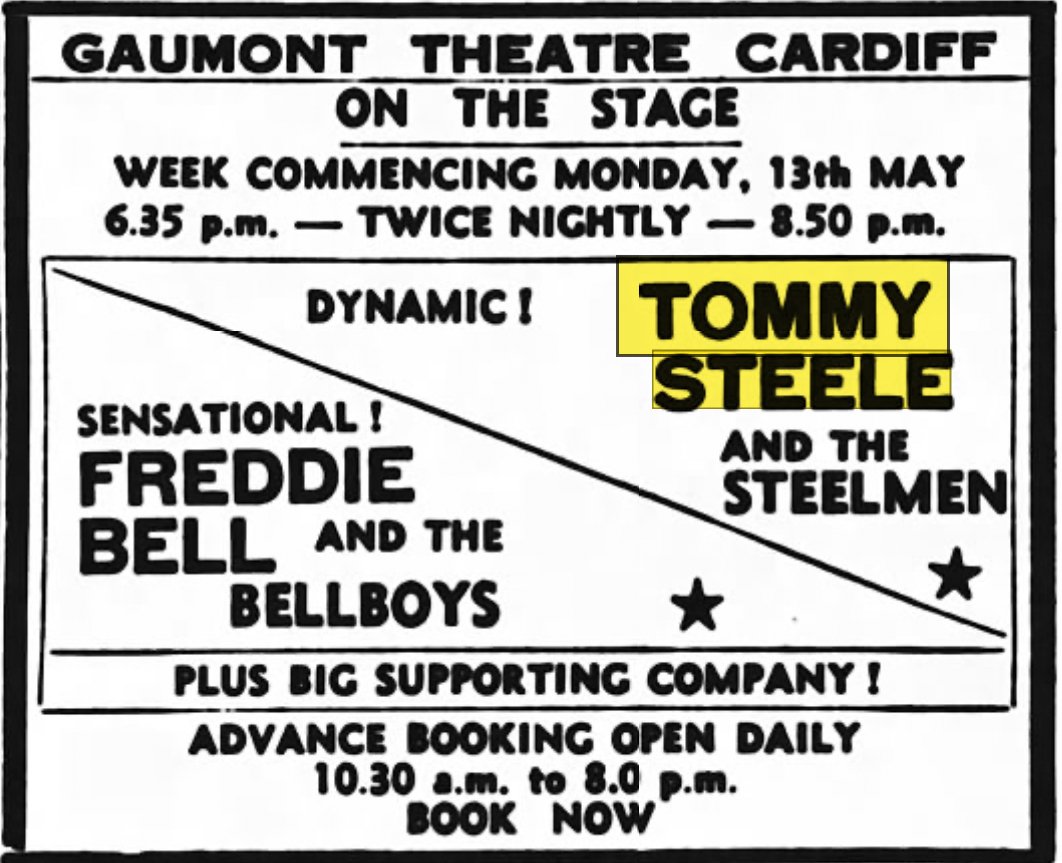
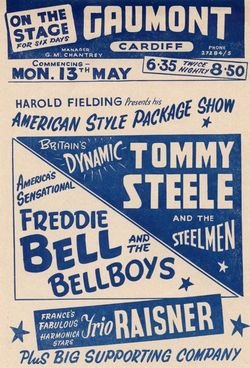
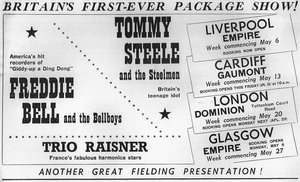
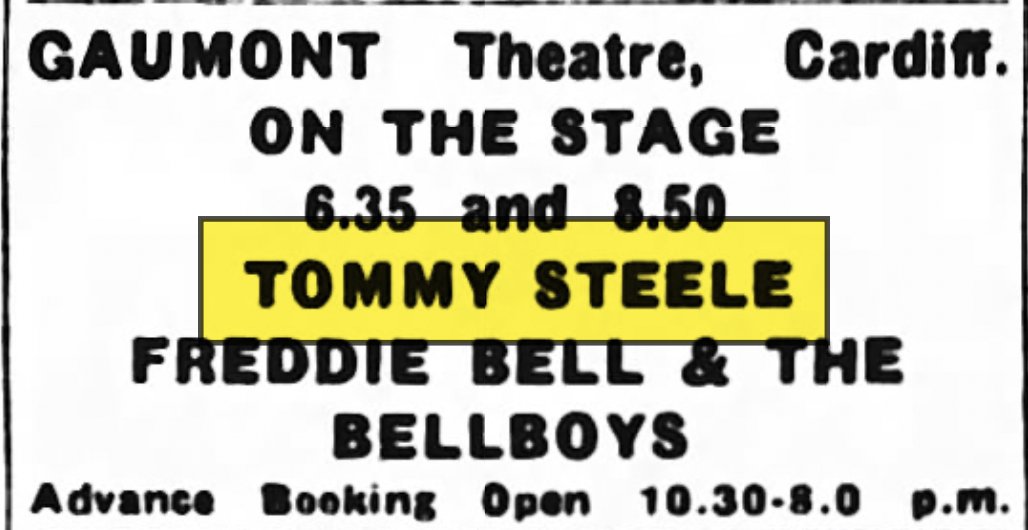
On this day, 13 May 1957, original British rocker Tommy Steele & The Steelmen played the first of a week of concerts at Cardiff’s Gaumont Theatre. Also included on the bill were Freddie Bell & The Bellboys, Paul & Peta Page (The puppeteers) and The Trio Raisner (Sensational French harmonica group). It was described as "Britain's First Ever Package Show" like the American Style Package Shows.

Steele's first single, "Rock with the Caveman", was one of the first British rock and roll hits, reaching number 13 on the UK Singles Chart in November 1956. He promoted the single with his first television appearance, on bandleader Jack Payne's BBC series Off the Record, and quickly became a national teen idol.

Steele's success saw him dubbed "Britain's Elvis", though his appeal has been characterised as less provocative than Presley's. A 1957 concert review by Trevor Philpott of Picture Post described Steele's act as possessing "not a trace of sex, real or implied", whilst Stephen Glynn has written that Steele's voice "was genial before threatening, his stage demeanour more playground skip than bedroom thrust".

Steele's live performances were marked by frenzy from the teenage audience. His first album, Tommy Steele Stage Show, was recorded at a London concert the night before his twentieth birthday and issued in March 1957.

"Doomsday Rock", Steele's second single, failed to chart after its apocalyptic theme drew controversy. His third, "Singing the Blues", reached number 1 in January 1957, staving off a recording by Guy Mitchell for one week.

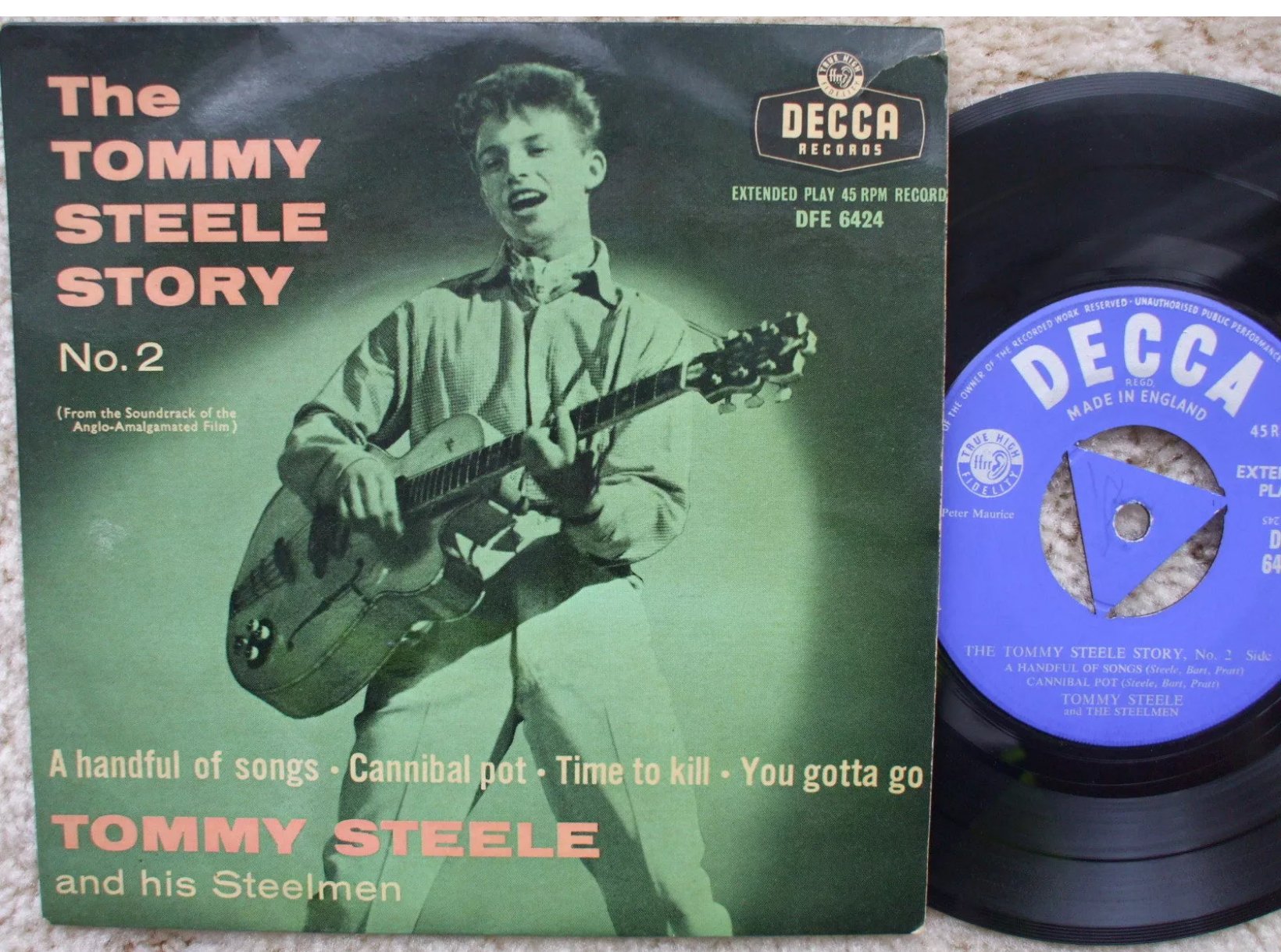
Steele was among the first British pop stars to be heavily merchandised, with tie-in sweaters, shoes and toy guitars. Only a few months after his first chart presence, the singer was filming his life story; The Tommy Steele Story (1957) featured twelve new songs, written hastily by Steele, Bart and Pratt, that expanded the singer's repertoire to incorporate ballads and calypso music.

The film's soundtrack was the first UK number one album by a British act, and the hit single "A Handful of Songs" received the 1958 Ivor Novello Award for Most Outstanding Song of the Year, Musically and Lyrically. By the end of 1957, Steele had bought a four-bedroomed house in South London for his parents and was reported to be earning more than British Prime Minister Harold Macmillan.

REVIEW - Western Mail - 12th May 1957