
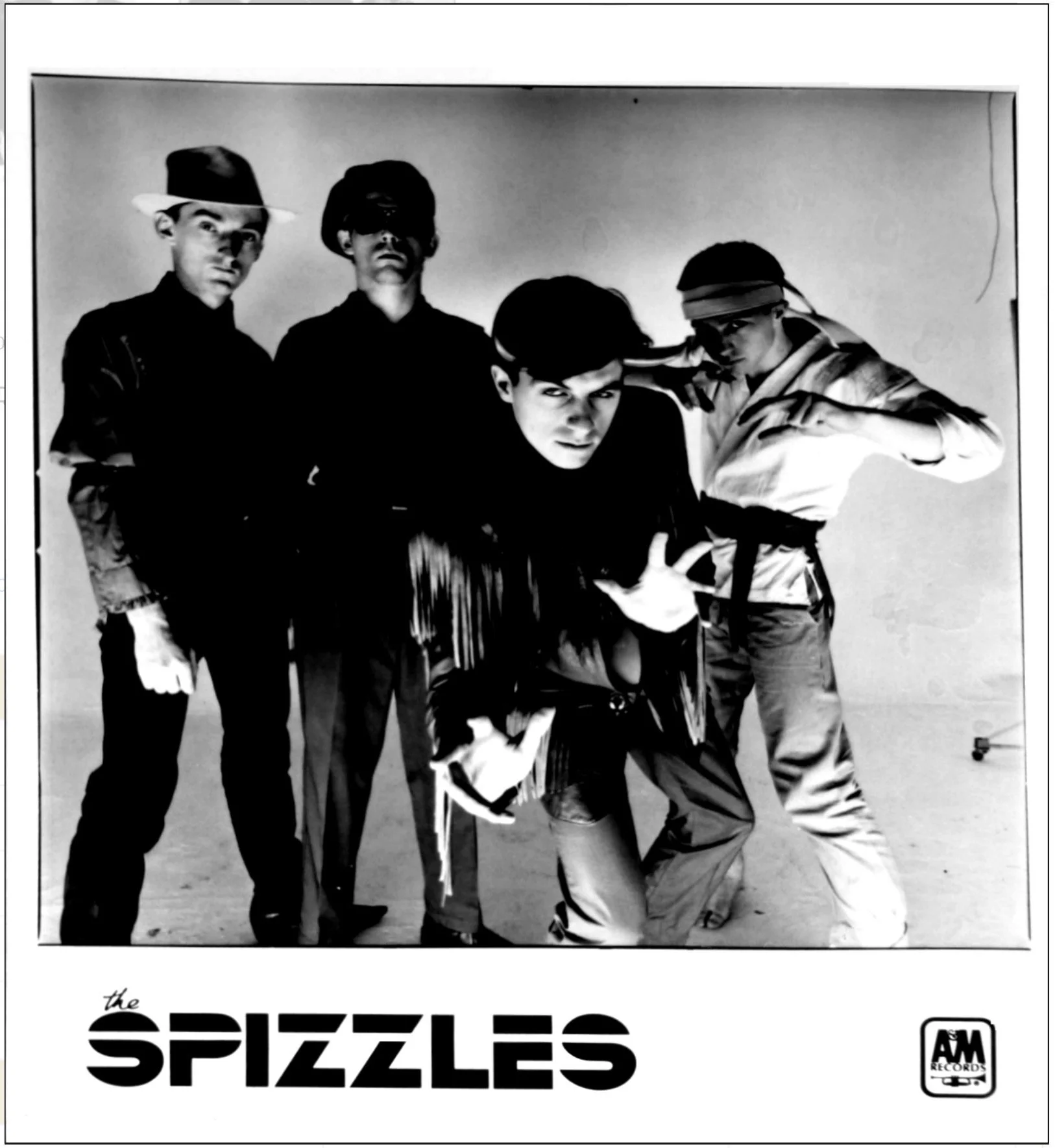
On This Day 01/04/1981 The Spizzles, a.k.a. Athletico Spizz ‘80

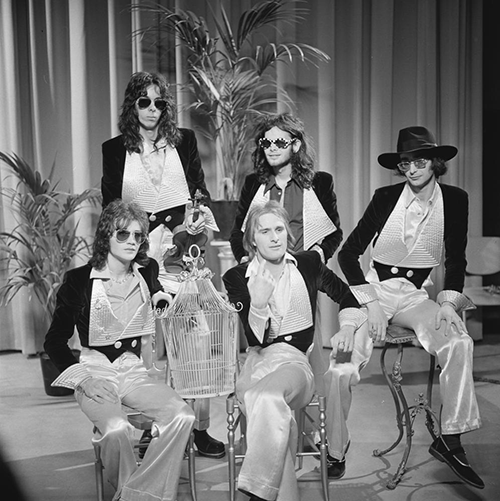
On this day, 1 April 1981, punk/new wave band The Spizzles played Cardiff’s Top Rank. Support was provided by Department S.
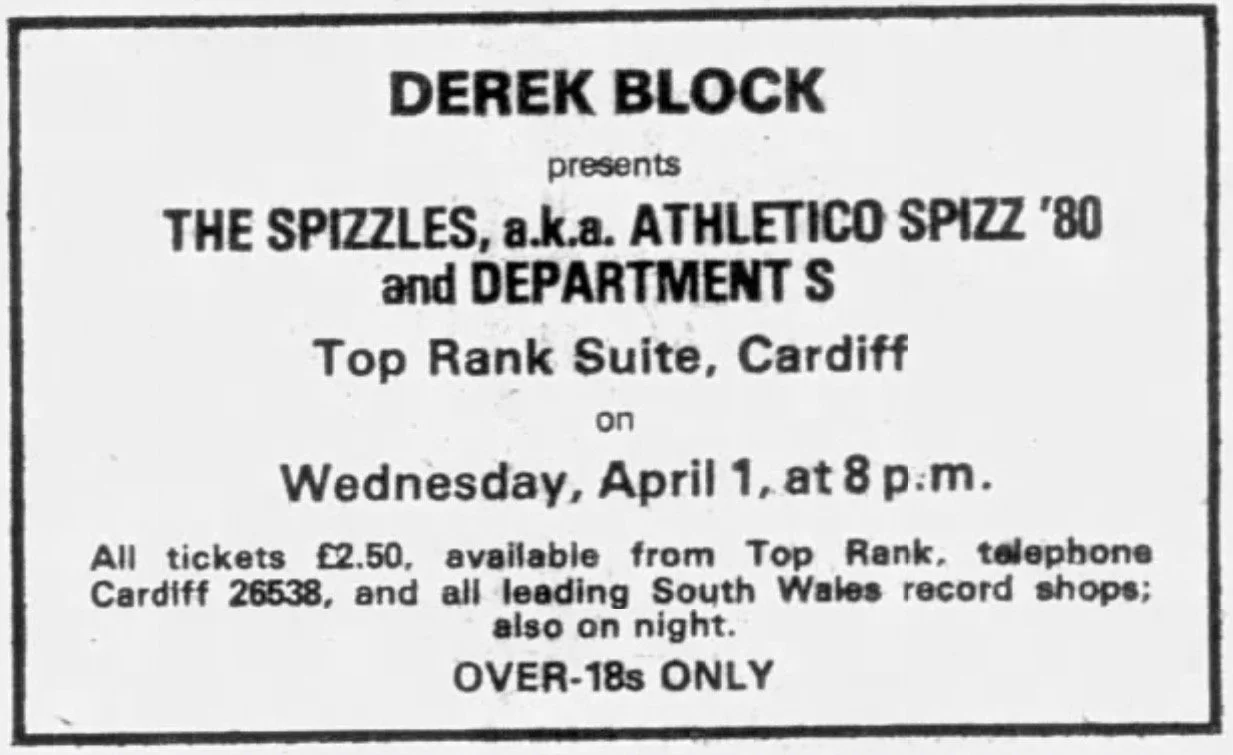
They were a specific incarnation of the ever-changing group led by vocalist and guitarist Spizz (Kenneth Spiers), who famously changed the band's name every year to reflect new musical directions.

The band adopted the name The Spizzles in 1981 when Lu Edmonds (formerly of The Damned and later Public Image Ltd) joined the lineup. Under this name, they shifted toward a "science-fiction weirdo" sonic image, blending punk energy with post-punk experimentation.
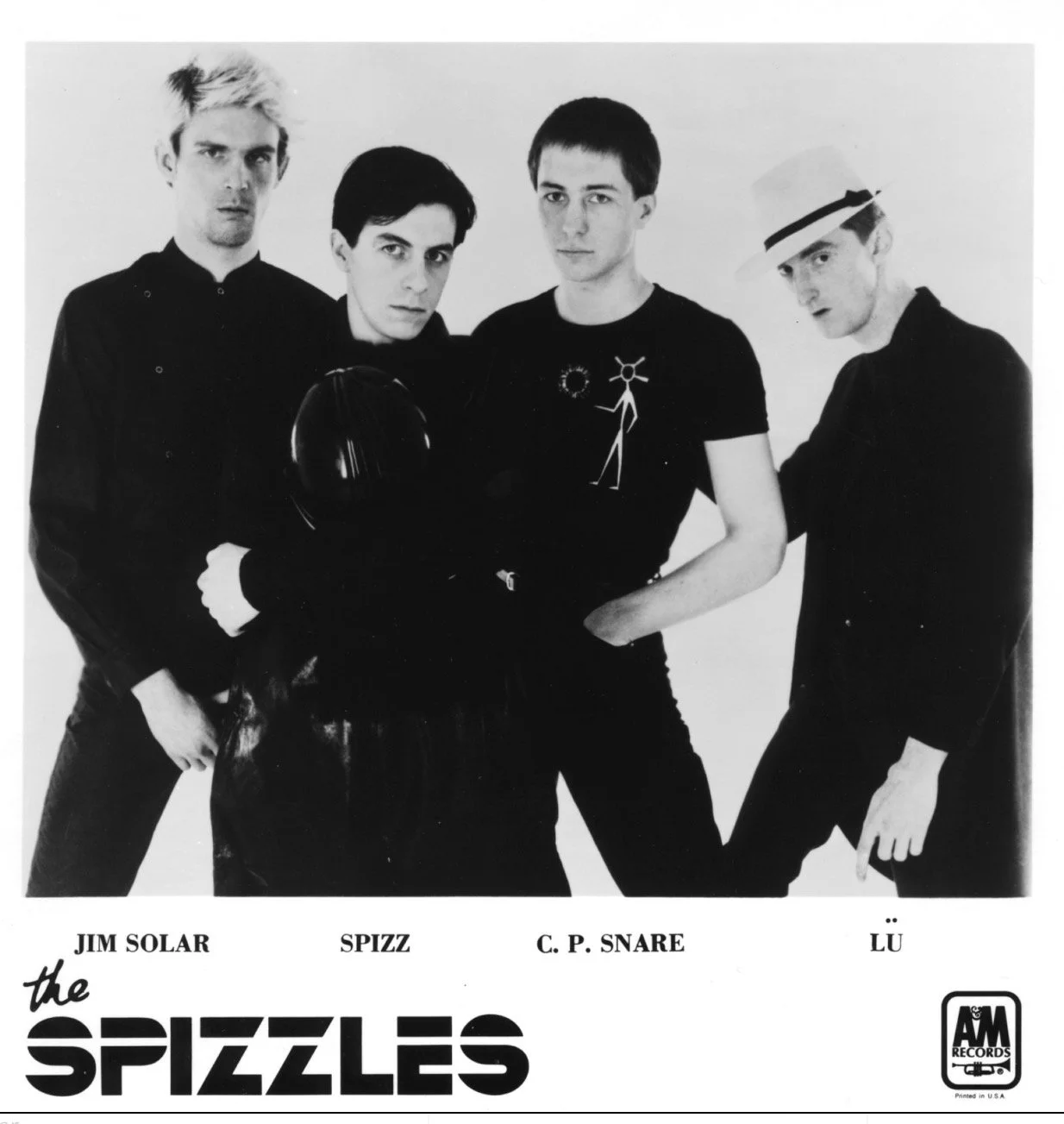
Before and after their stint as The Spizzles (1981) the band operated under various other names:

Spizzoil (1978–1979): Early punk phase.

Spizzenergi (1979–1980): Famous for the hit "Where's Captain Kirk?", which topped the first-ever UK Indie Chart.

Athletico Spizz 80 (1980): Released the album Do a Runner.

Spizzenergi 2 (1982): The final iteration of the original 1980s run.
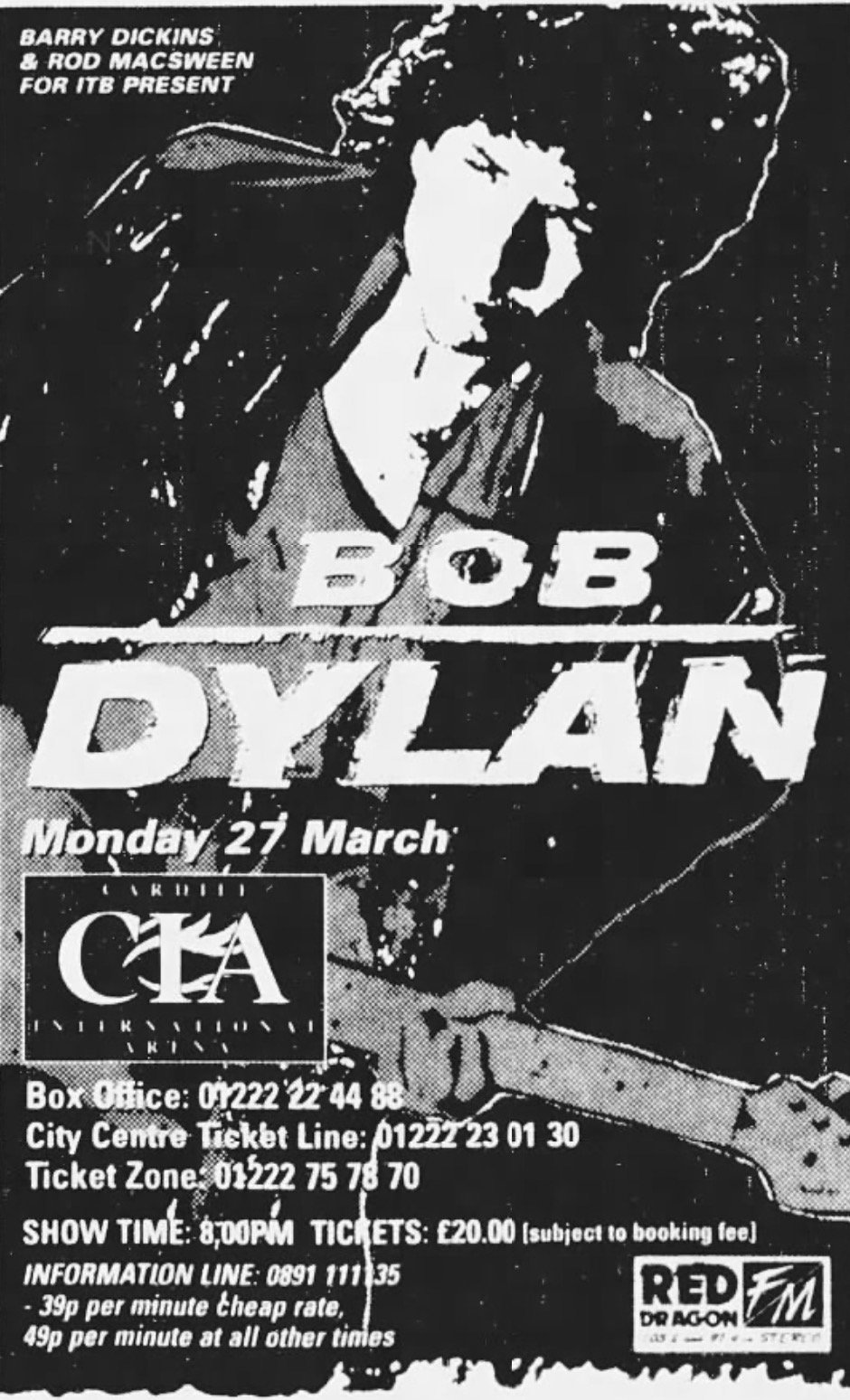
On This Day 27/03/1995 Bob Dylan

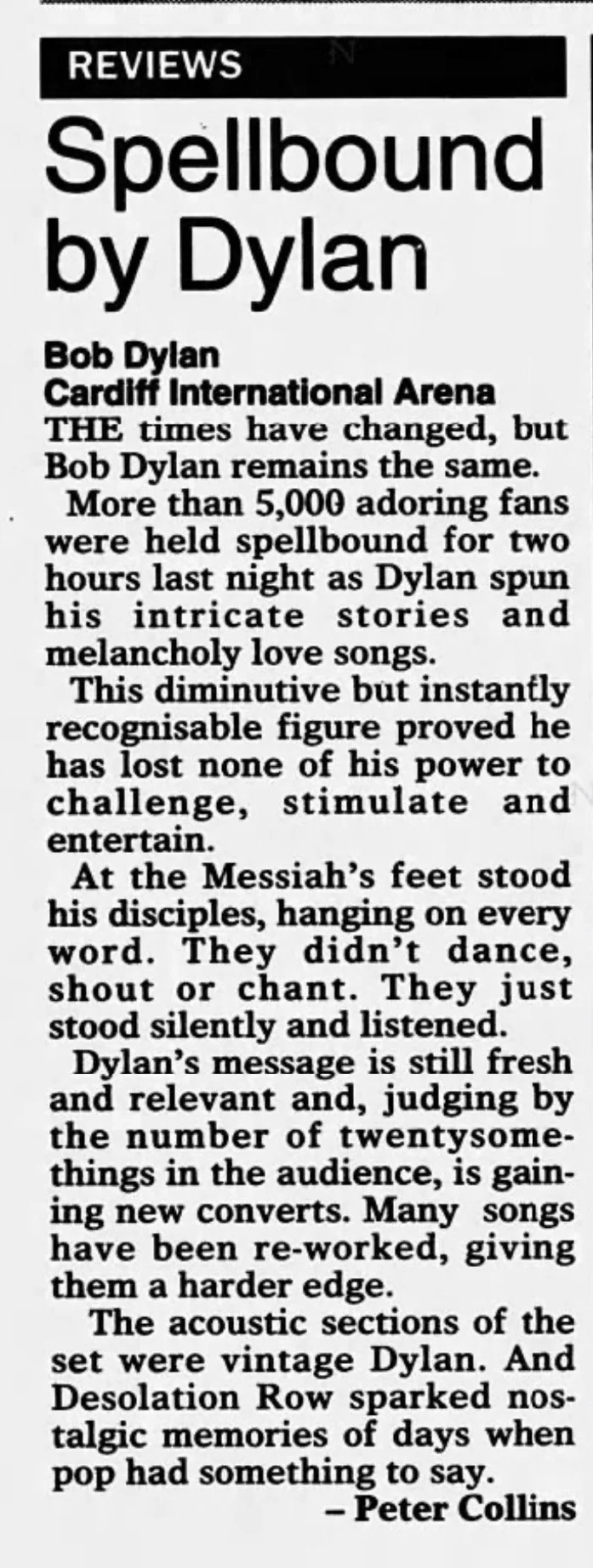
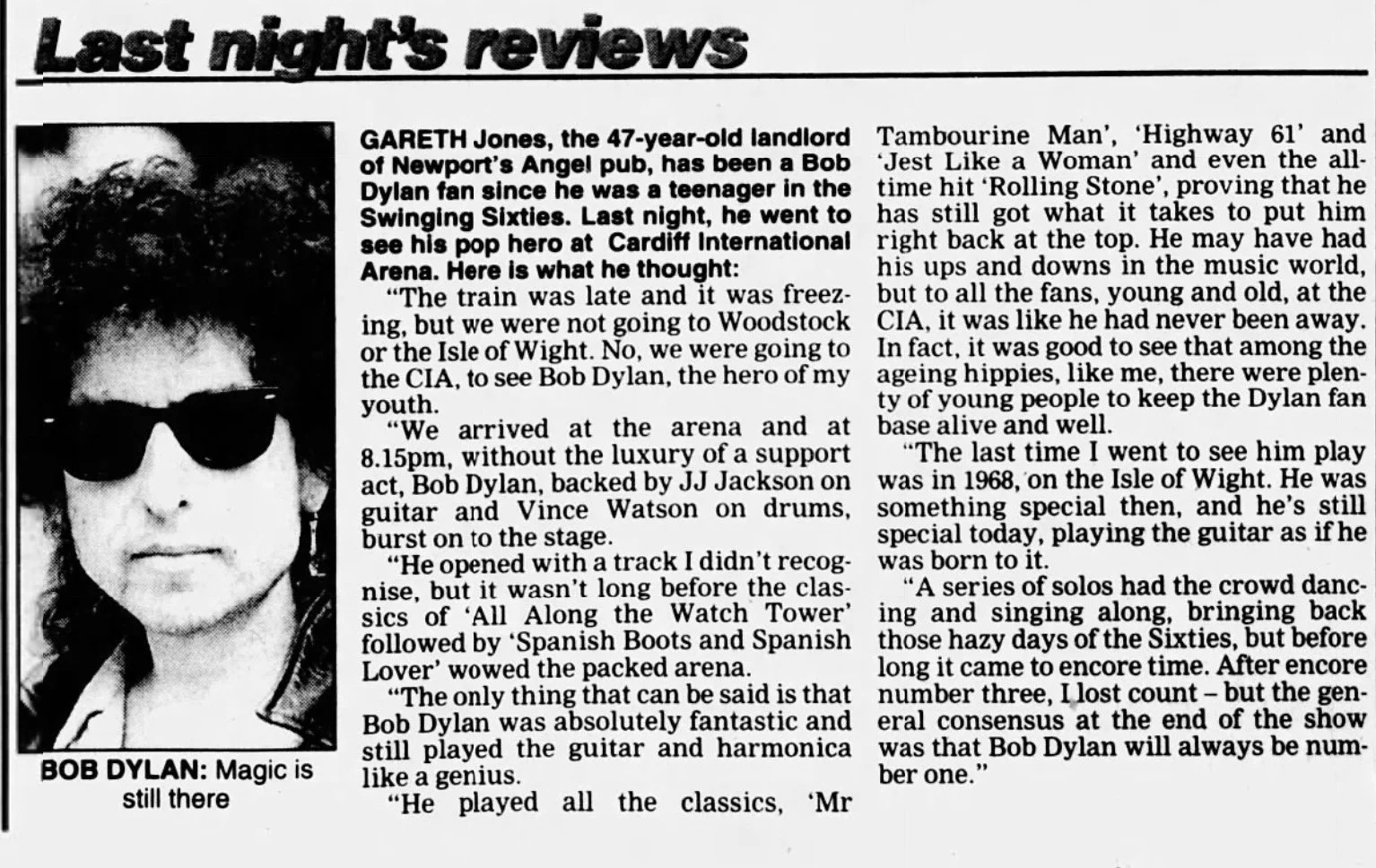
On this day, 27 March 1995, legendary singer/songwriter Bob Dylan played Cardiff International Arena.

The Never Ending Tour 1995 started in early March in the Czech Republic. The tour moved on to Germany, the Netherlands, France and Belgium. Dylan performed a large number of concerts in the United Kingdom performing three concerts in London, three in Manchester, two in Edinburgh, one in Glasgow, one in Birmingham, one in Cardiff, one in Brighton as well as one concert in Belfast. The tour finished the following day in Dublin.

Reviews - South Wales Argus, South Wales Echo


On This Day 24/03/1958 Buddy Holly

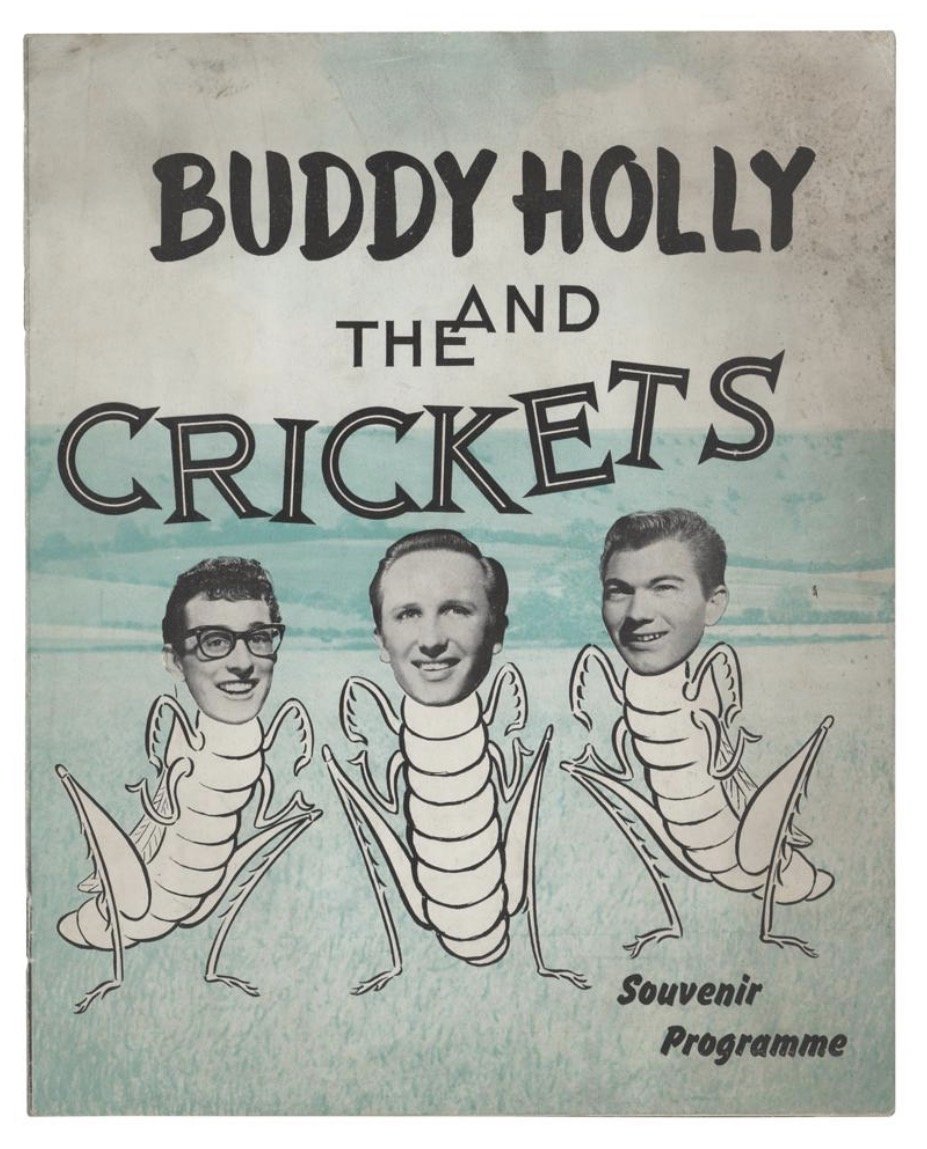
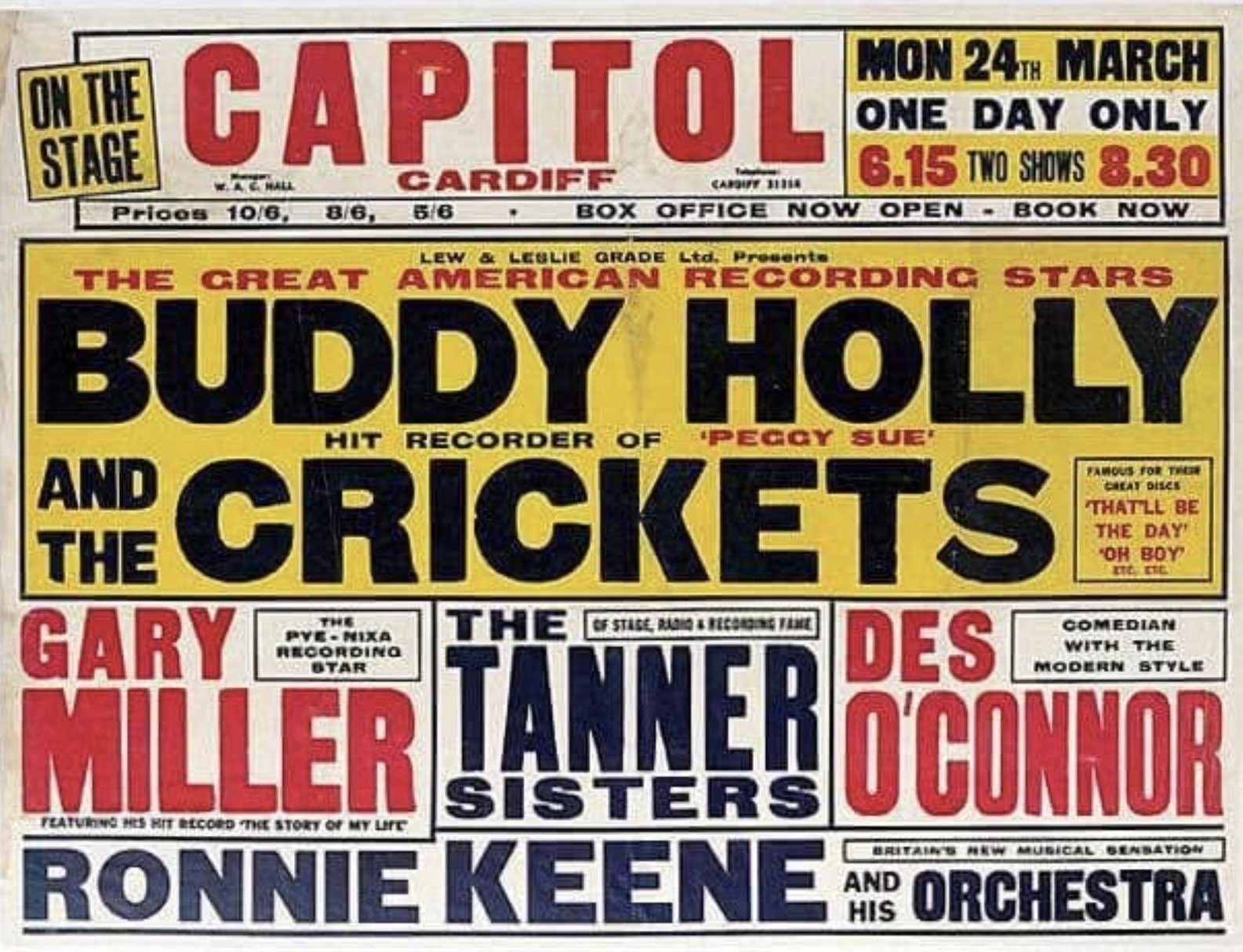
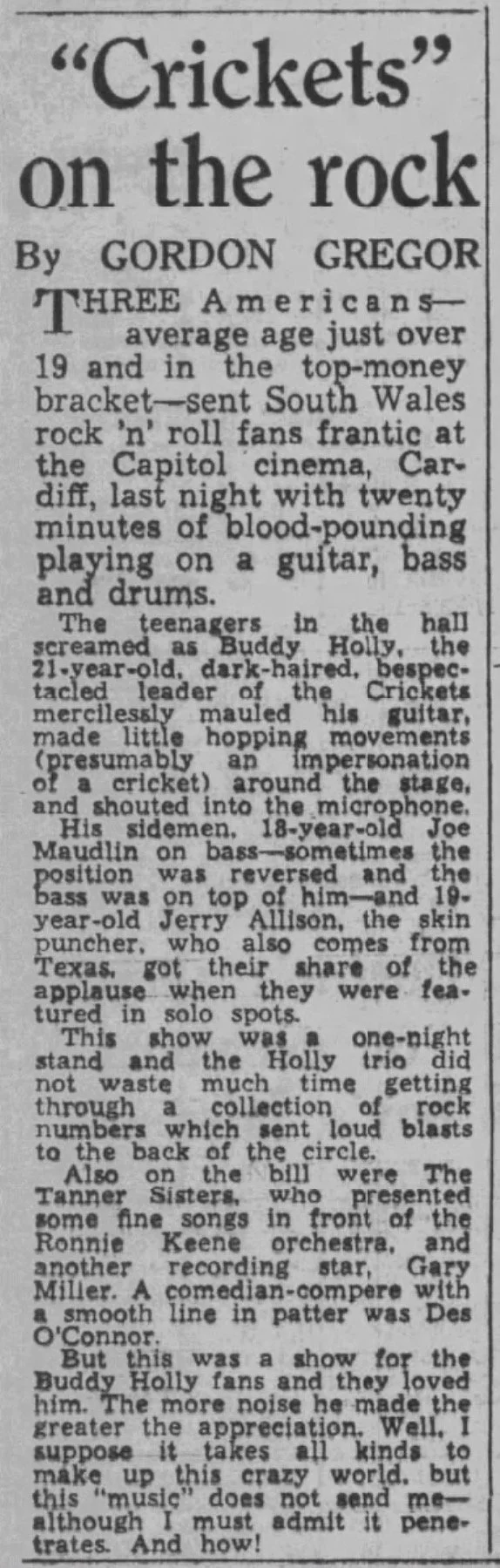
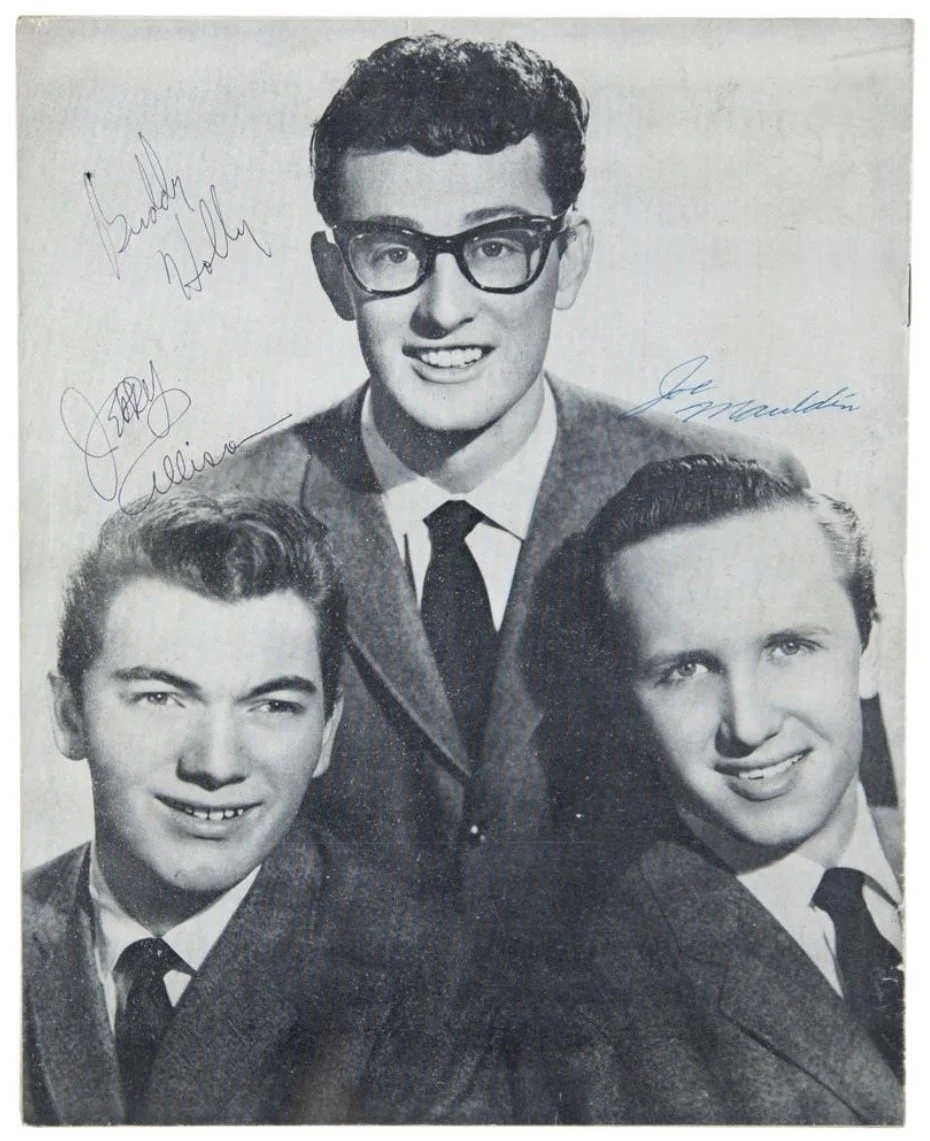
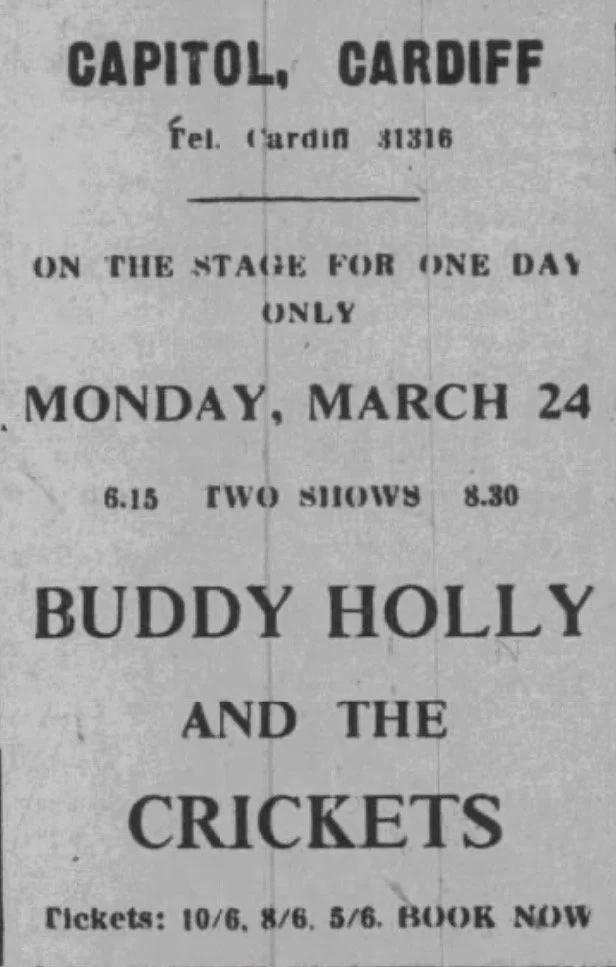
On this day, 24 March 1958, rock and roll legend Buddy Holly played Cardiff’s Capitol Theatre.

Buddy Holly and The Crickets' only UK tour in March 1958 was a seminal, month-long package tour featuring 25 nights of performances, often twice nightly, starting at London's Trocadero. Supported by acts like Des O'Connor and Gary Miller, the tour played a pivotal role in influencing future British rock musicians.

South Wales Argus

HOLLY AND THE CRICKETS GIVE US LOUDEST ROCK SHOW YET!

If rowdyism, drive and down-to earth abandon are the ingredients necessary for success in the rock’n’roll field, then Buddy Holly and The Crickets are all set for a long and eventful run of popularity! They rocked their way through a tremendous, belting 25-minute act without letting up for one moment at the Capitol Theatre on Monday, and the audience shared their approval in no uncertain terms. Much of the trio’s success can be attributed to the fact that their “in person” sound is almost identical to the sound they produce on record. They generate a brand of contagious excitement that is irresistible. On Monday, they completely overpowered the 13-piece Ronnie Keene Orchestra in relation to the volume of sound produced and, at times, I felt that leader Holly’s guitar was badly over-amplified. Drummer Jerry Allison attacks his kit with murderous intent, but bassist Joe Maudin remains relatively calm, and looks rather miserable most of the time! But how these 3 boys manage to make such a big, big sound with their limited instrumentation still baffles me!

Review - Cardiff and Suburban News.

On This Day 22/03/1975 Cockney Rebel

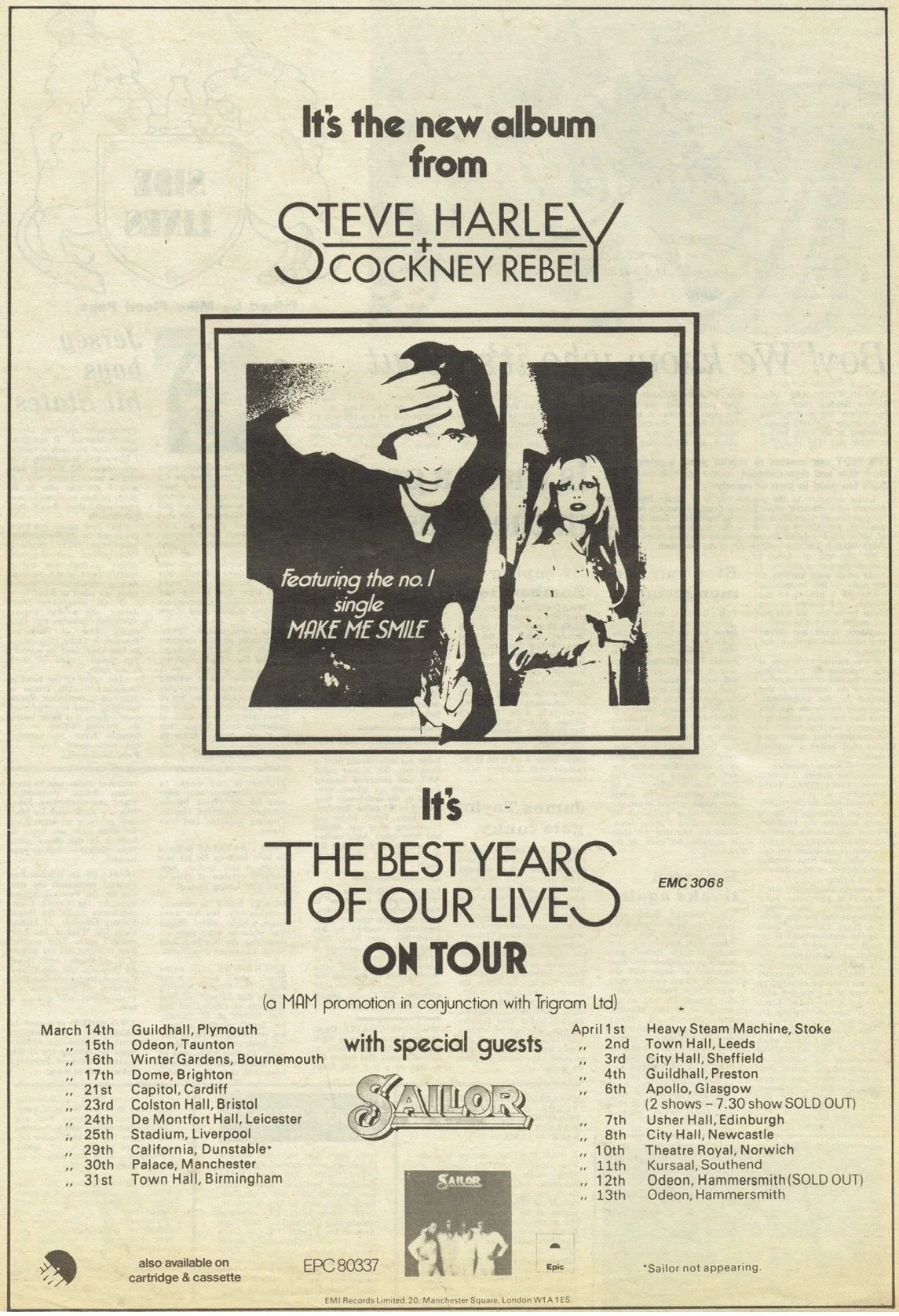
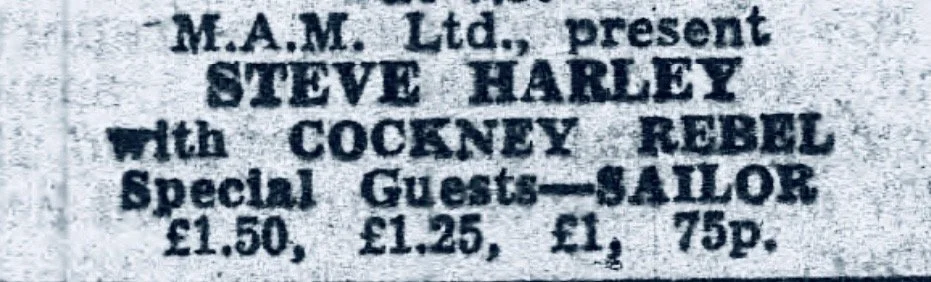
On this day, 22 March 1975, rock band Cockney Rebel played Cardiff’s Capitol Theatre with support provided by Sailor.

The band had recently released the No 1 UK single Make Me Smile (Come Up and See Me) taken from their third studio album The Best Years Of Our Lives, released earlier in the month that peaked at No 4 in the UK album charts.

To promote the album, the band embarked on a UK and European tour from March 1975 onwards. On the tour, the band hired guitarist Snowy White to play rhythm guitar. In a January 1975 issue of Record & Popswop Mirror, it was announced that the upcoming tour would feature "a specially built set and lighting to reflect songs and images featured on the forthcoming album". Later in the year they toured America, as a support act for The Kinks.


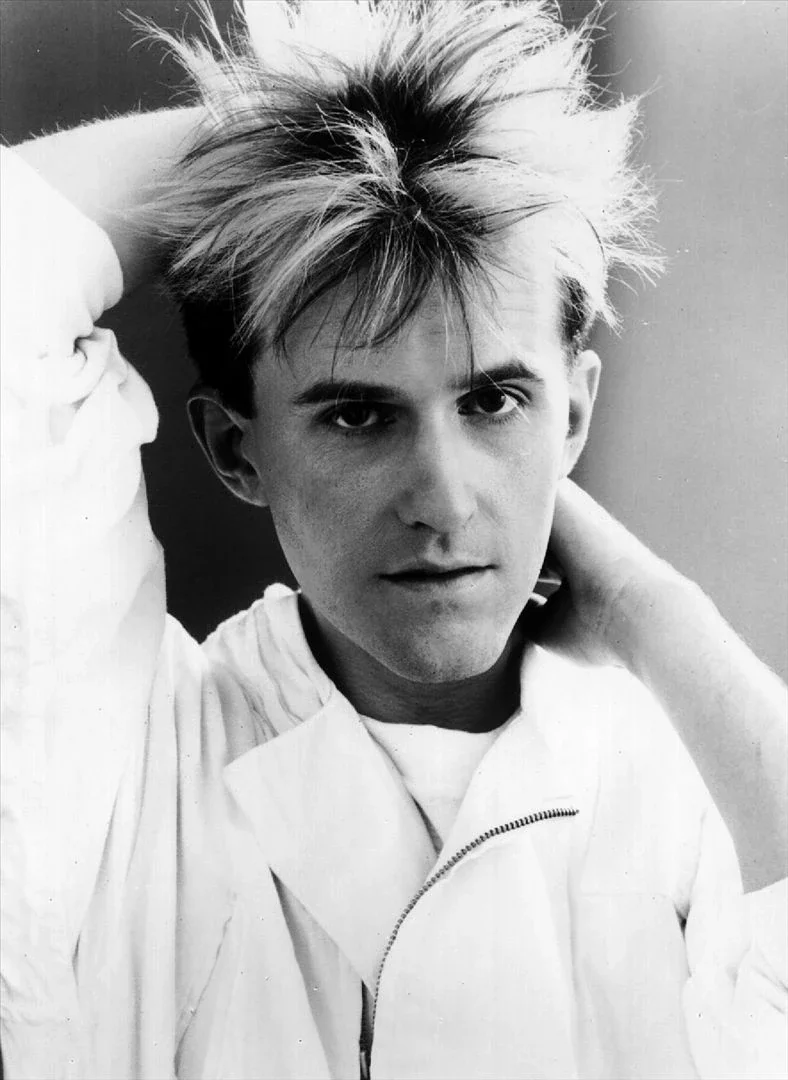
On This Day 20/03/1987 Howard Jones

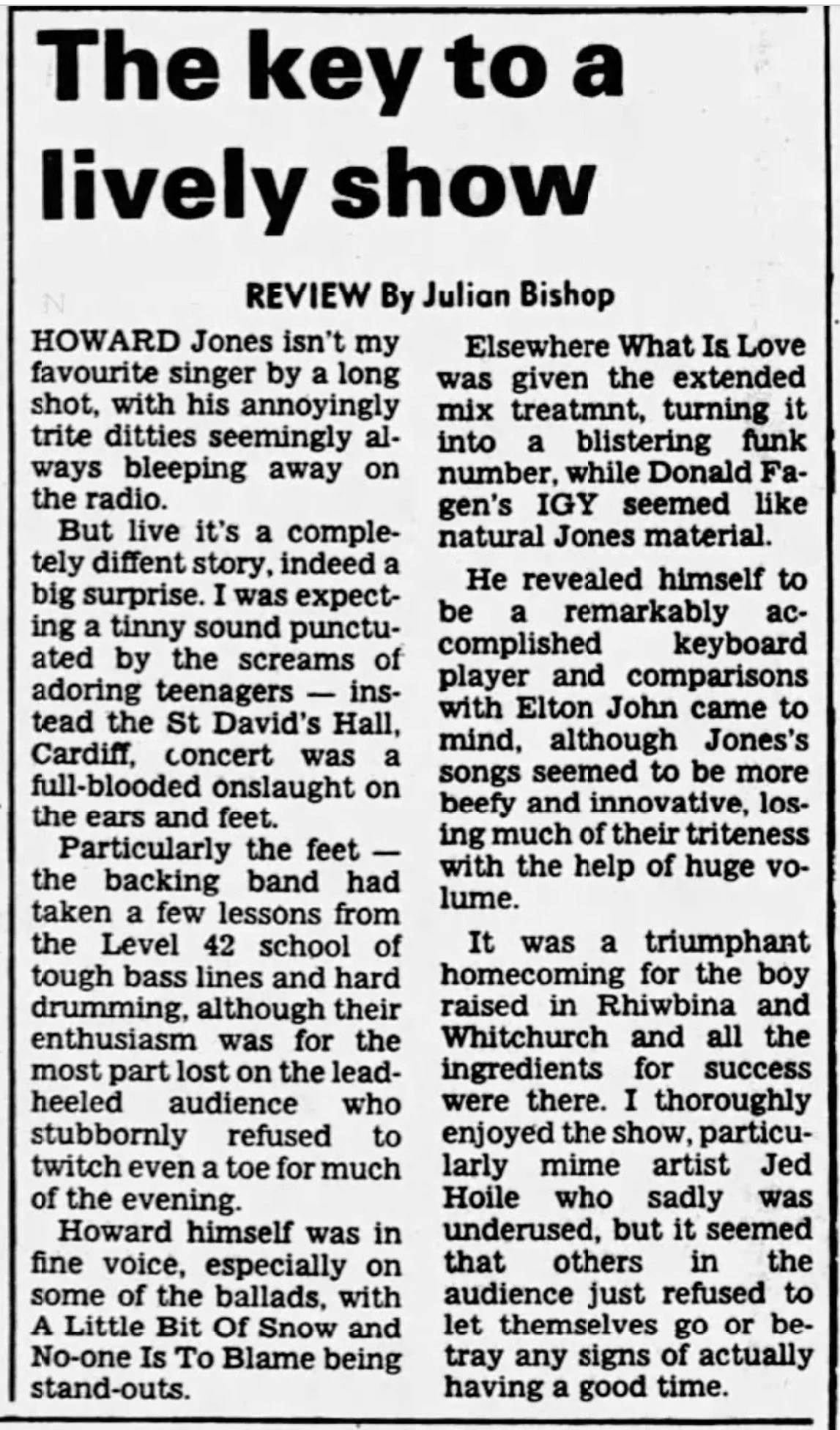
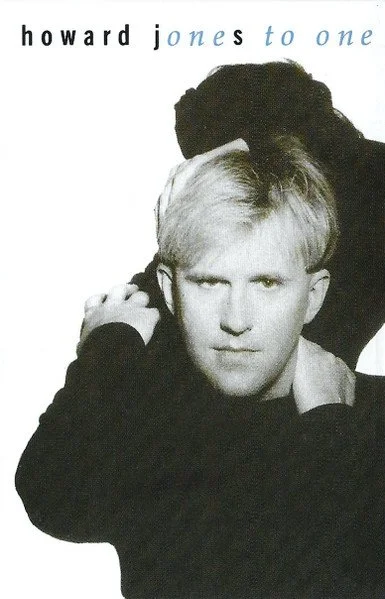
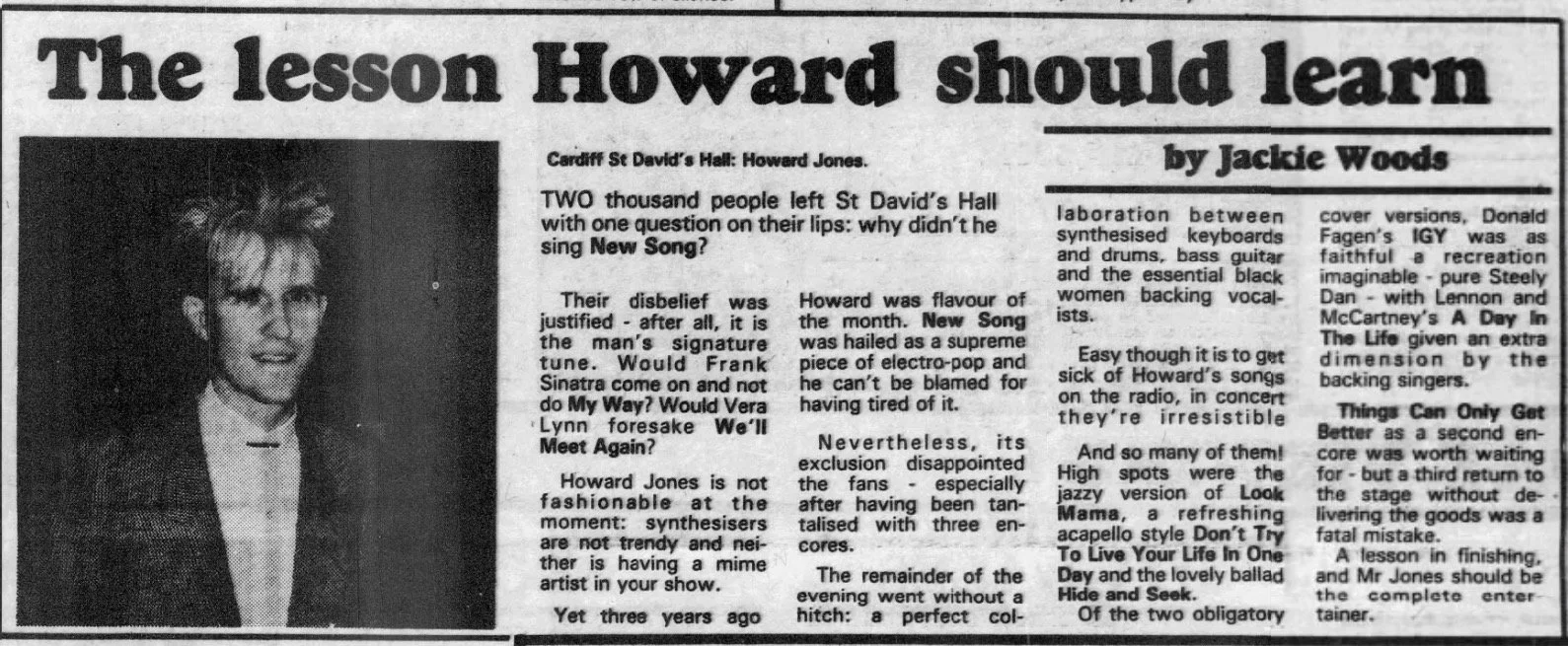
On this day, 20 March 1987, synth pop singer/songwriter Howard Jones played Cardiff’s St David’s Hall on his One-to-One tour promoting his album of the same name.

South Wales Echo

One to One was his third studio album, released on 13 October 1986 by Elektra Records. The album contains the singles "You Know I Love You... Don't You?" (US top twenty), "All I Want" (top 40 in many European countries) and "Little Bit of Snow" (top 75 in the UK).

The CD release also contains the single version of "No One Is to Blame", a song included in its original form on Jones's previous studio album, Dream into Action (1985), which had been re-recorded and released as a single earlier in 1986. This version features Genesis' Phil Collins on drums and backing vocals. One to One reached number 10 on the UK Albums Chart.

Band Members: The 1987 tour lineup featured Trevor Morais (drums), Roy Jones (keyboards), Jingles Jhingoree (bass/guitar), Afrodiziak (backing singers), and Jed Hoile (mime/movement).

On This Day 19/03/1987 Simply Red

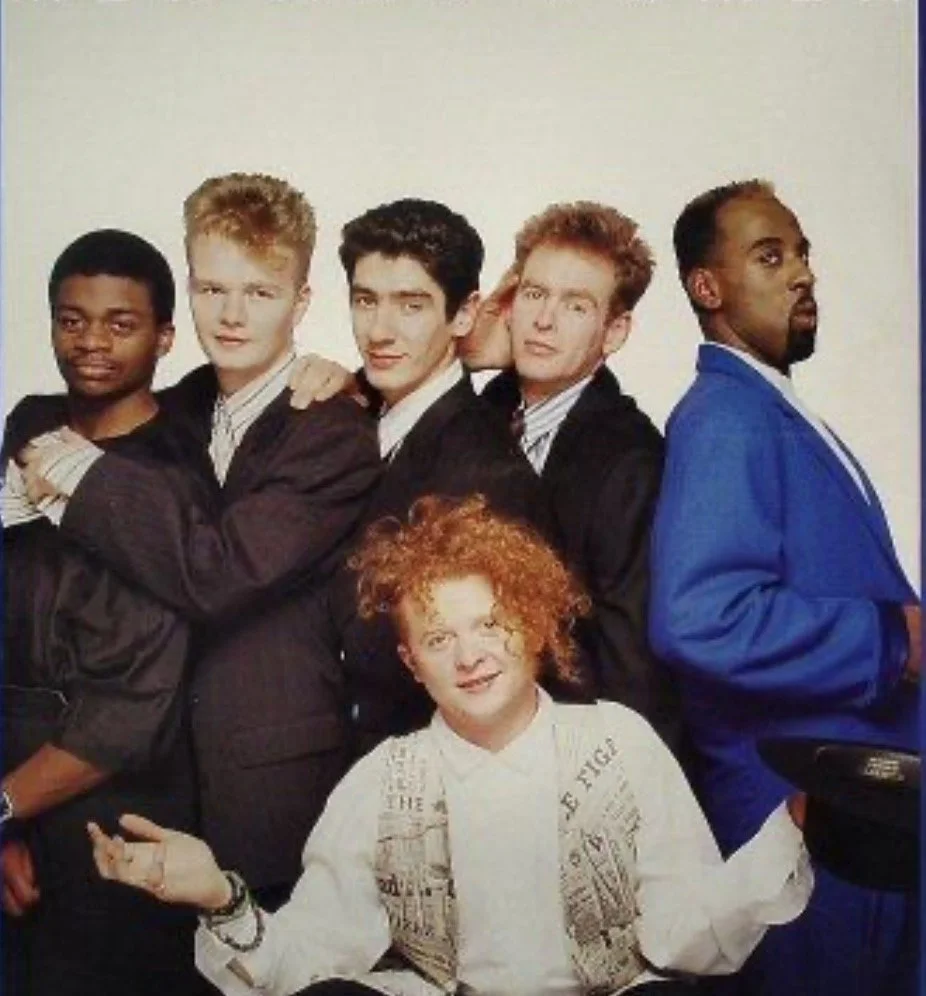
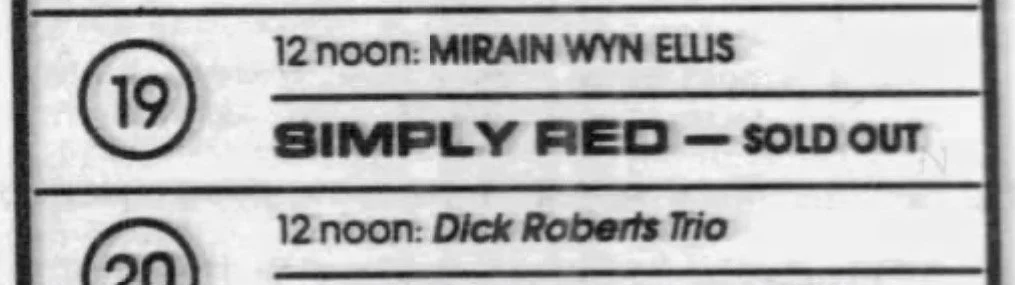
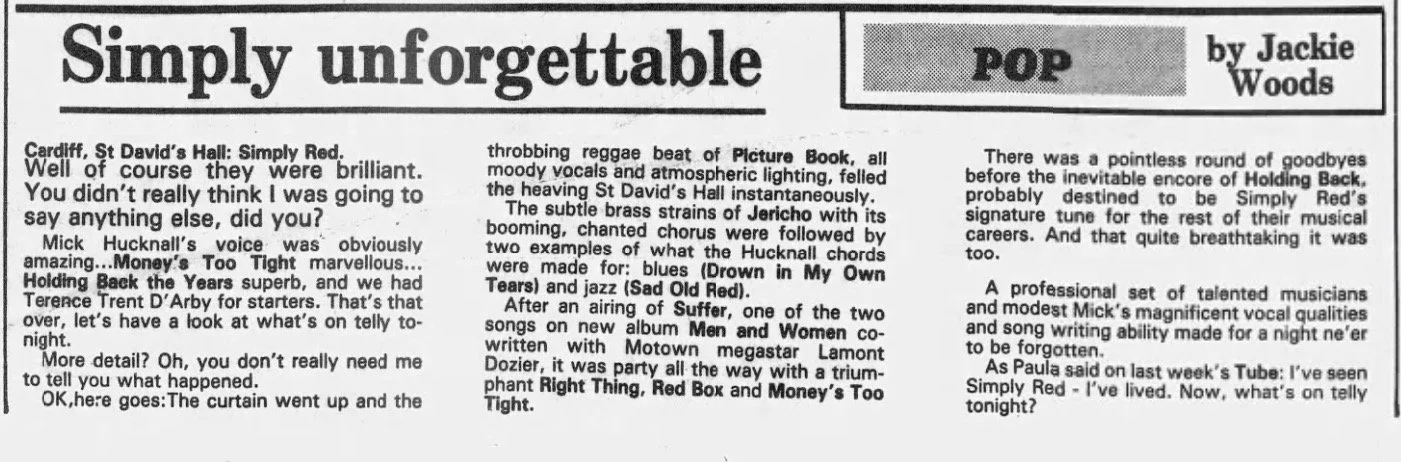
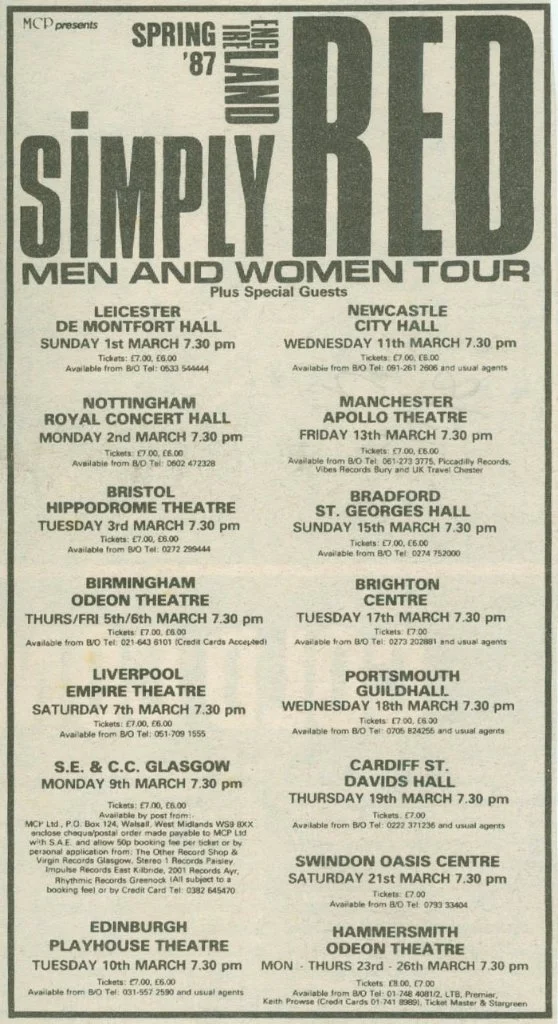
On this day, 19 March 1987, Pop/soul band Simply Red played Cardiff’s St David’s Hall. Support was provided by Terence Trent D'Arby.

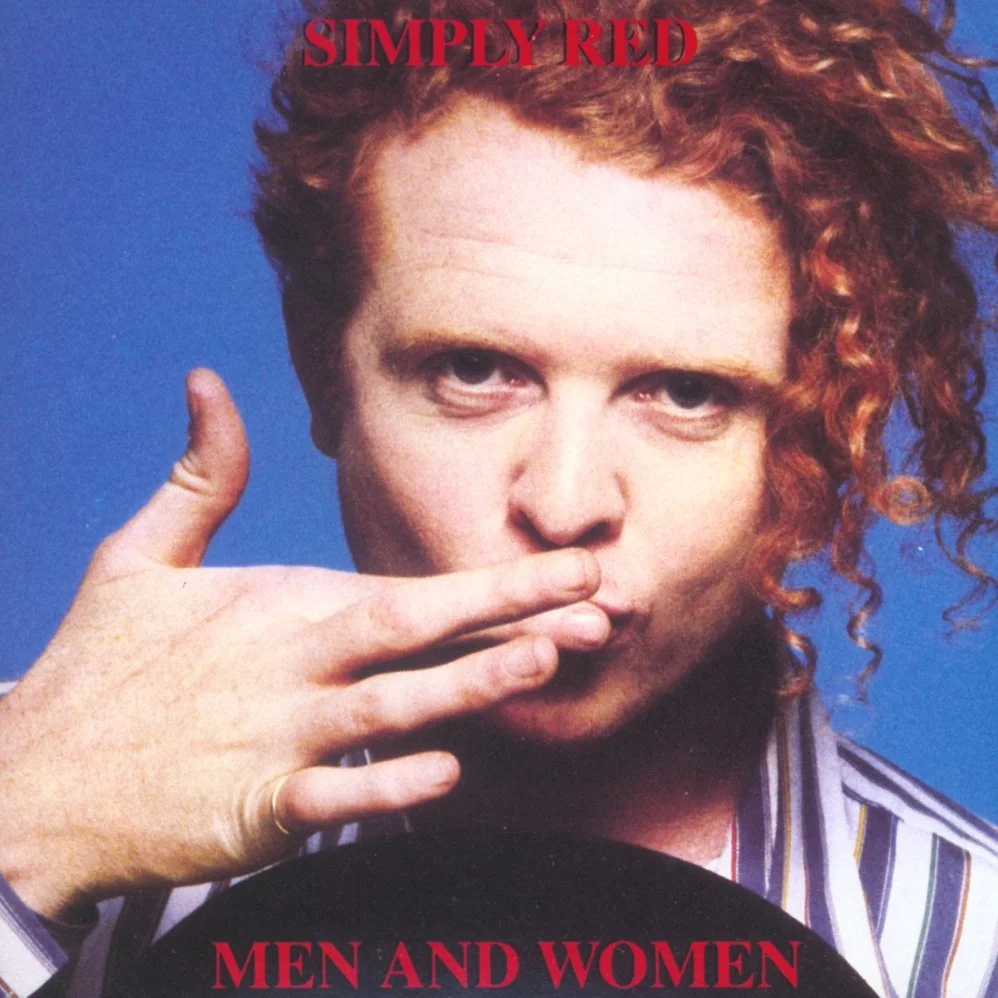
The band had just released their 2nd album Men and Women which peaked at #2 in the UK album charts
Five singles were released from the album. "The Right Thing" was the first to be released, peaking at number 11 in the UK Singles Chart. "Infidelity" was the second single, which reached number 31, followed by "Maybe Someday..." which became Simply Red's first single to fail to reach the UK top 75, peaking at number 88.

The next single, "Ev'ry Time We Say Goodbye", a cover of the Cole Porter song, returned the band to the top 20 where it peaked at number 11. "I Won’t Feel Bad" was the fifth and final single from the album, peaking at number 68 (although the song was originally released as the B-side of "Holding Back the Years" in 1985 and was credited to Stewart Levine as producer, and despite "I Won't Feel Bad" not having been rerecorded for Men and Women, Alex Sadkin receives production credit on the album and the single).