
On This Day Bryan Ferry 12/02/1977

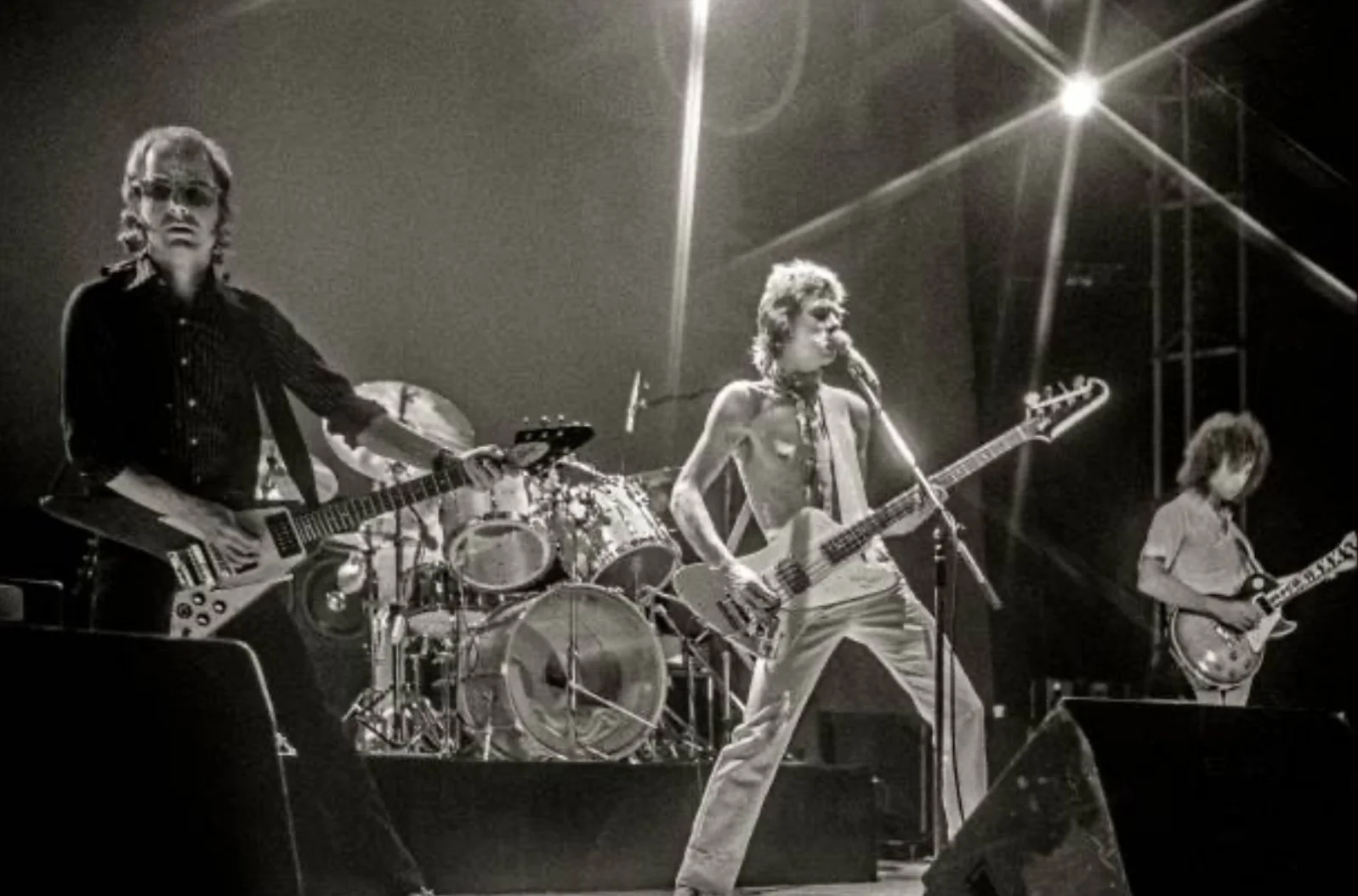
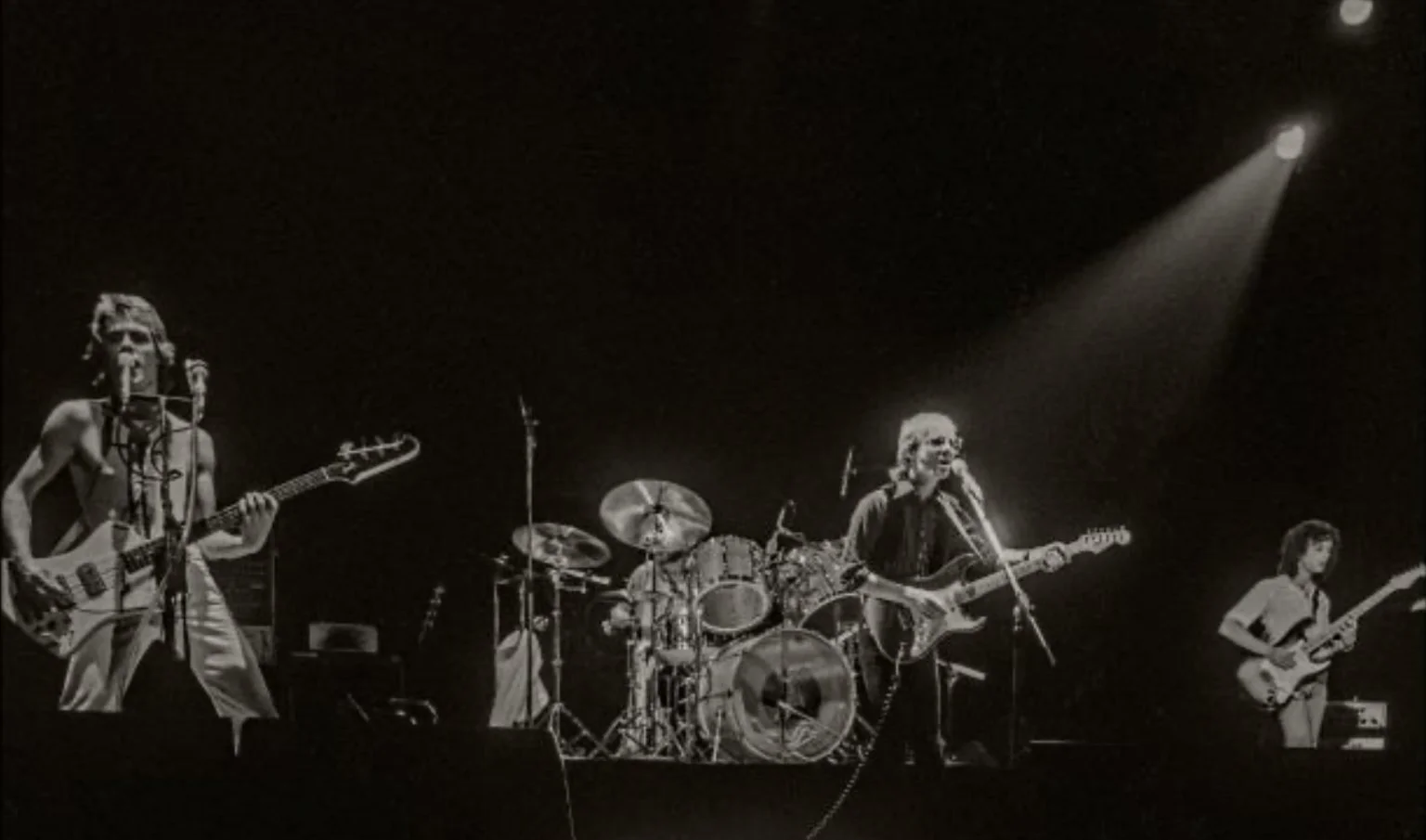
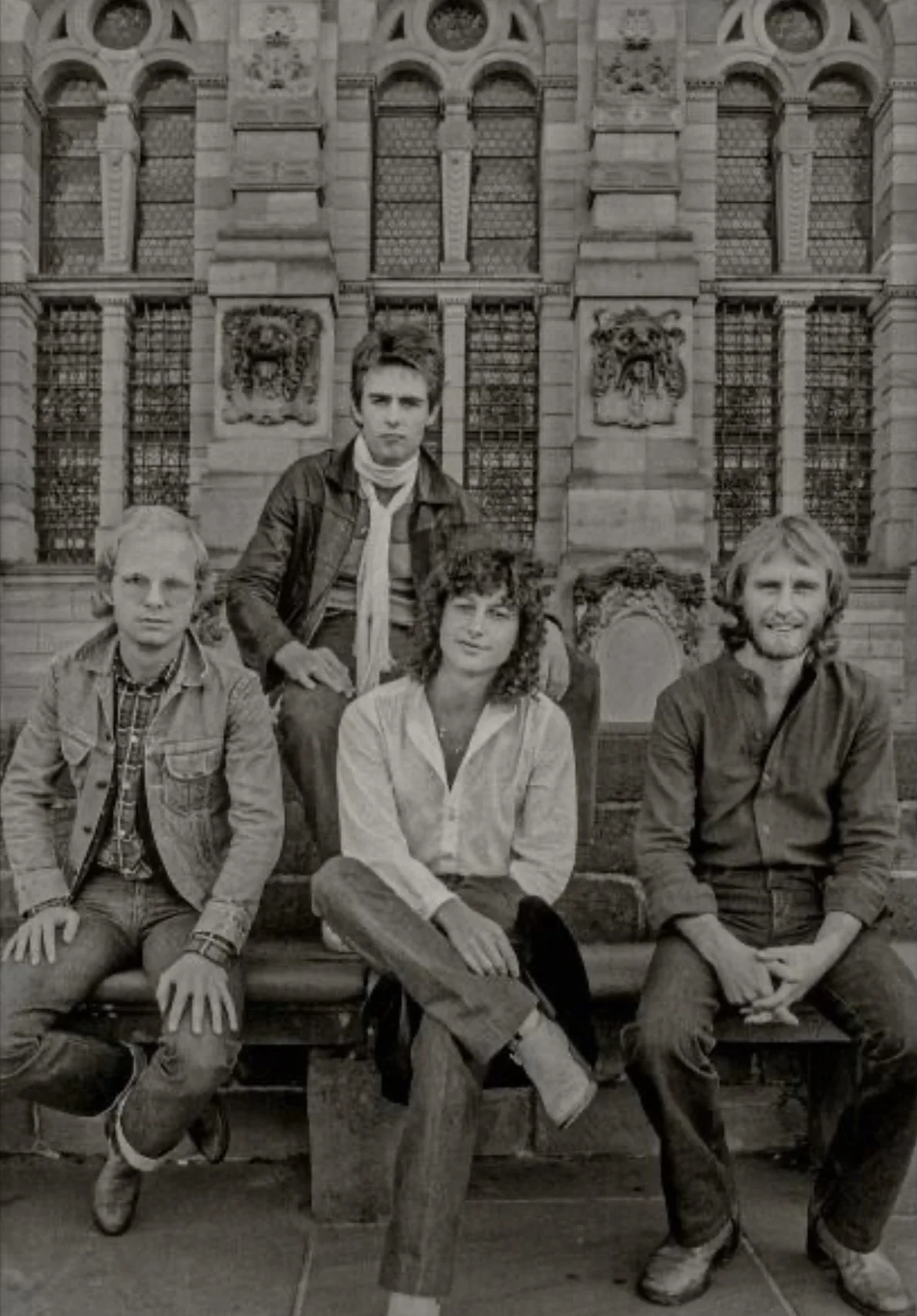
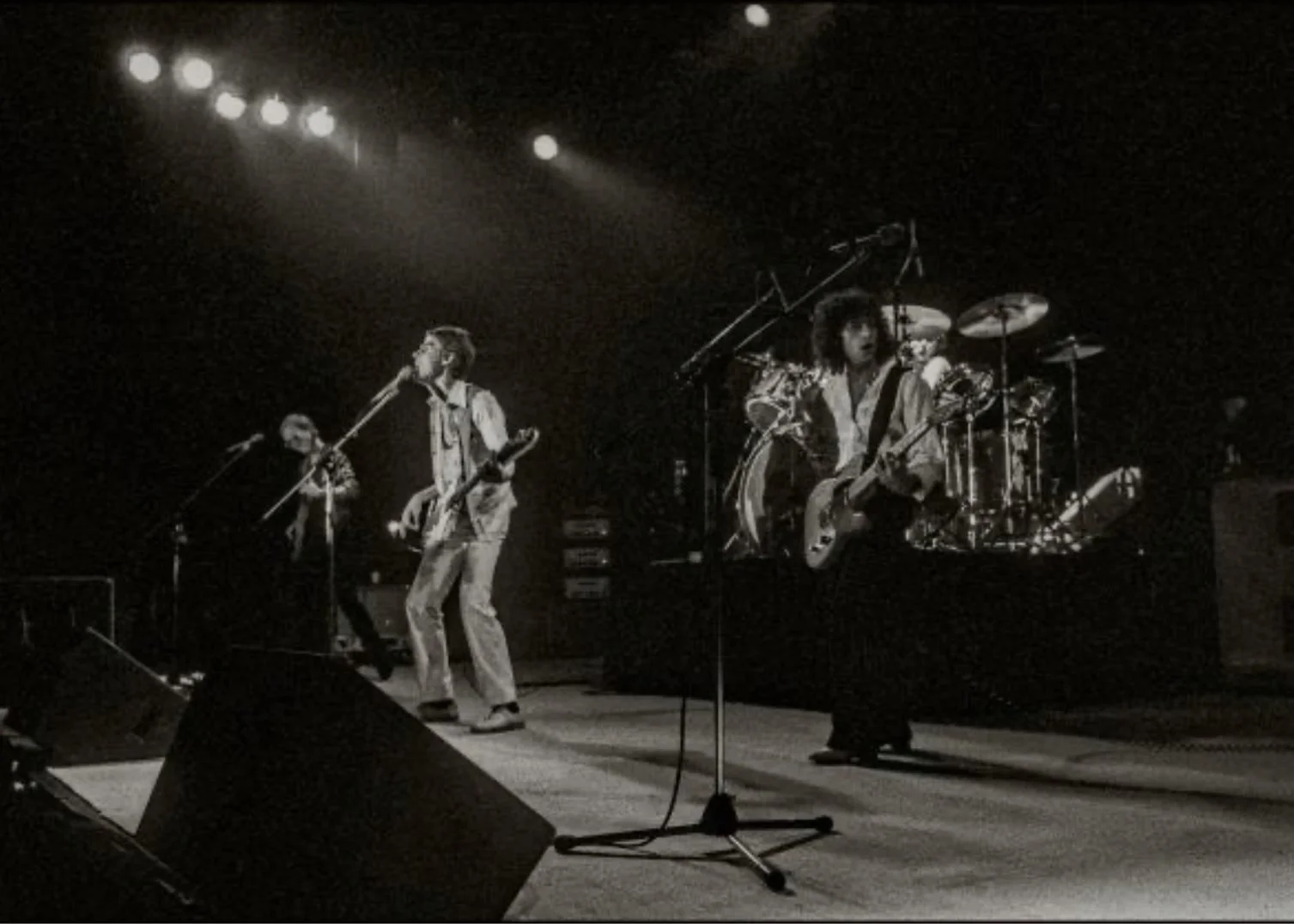
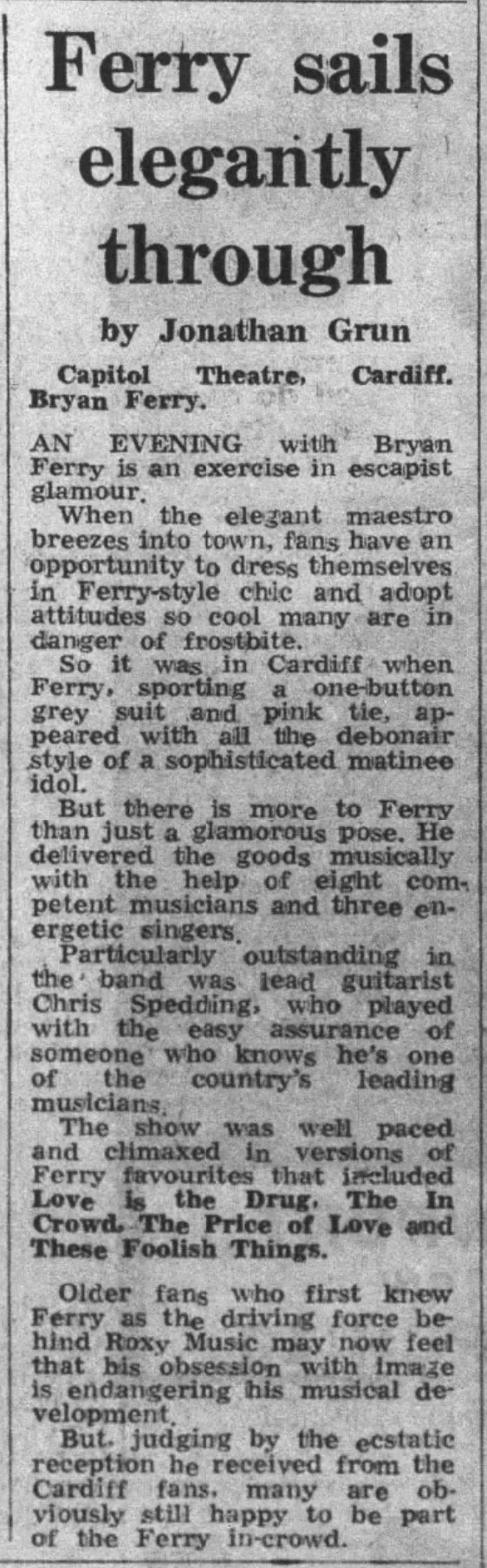
On this day, Roxy Music frontman Bryan Ferry played Cardiff’s Capitol Theatre on his In Your Mind tour, with support provided by illusion.
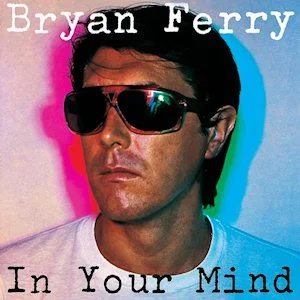
Ferry had just released his fourth studio album In Your Mind, It was his first solo album of all original songs. released after Ferry's band Roxy Music went on a four-year hiatus. It peaked at No 5 in the UK album charts.
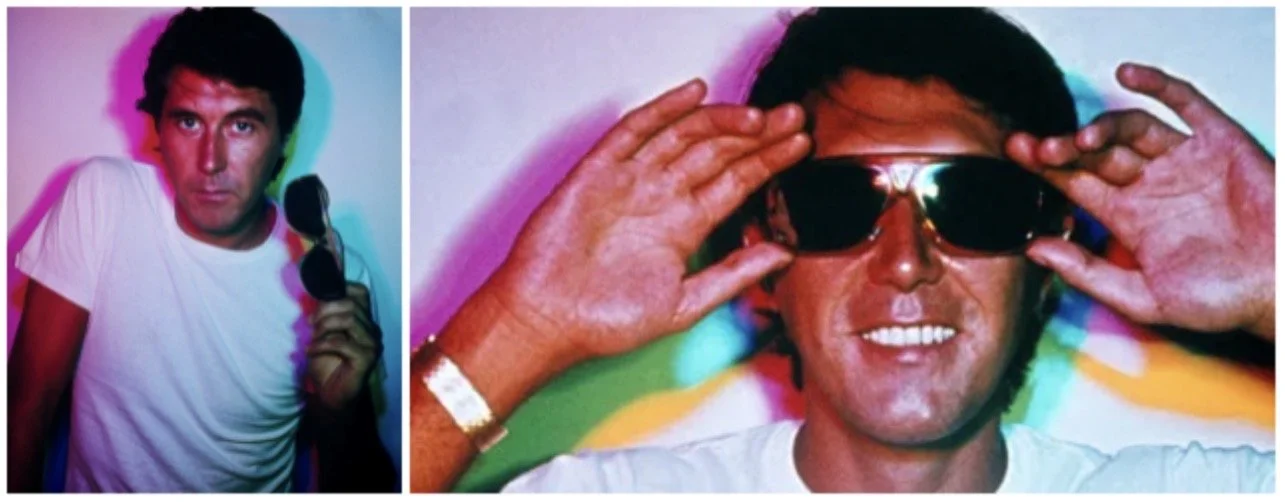
Band Lineup: Bryan Ferry (vocals), Phil Manzanera (guitar), Chris Spedding (guitar), Paul Thompson (drums), John Wetton (bass), Ann O'Dell (keyboards), plus a brass section and backing vocalists.
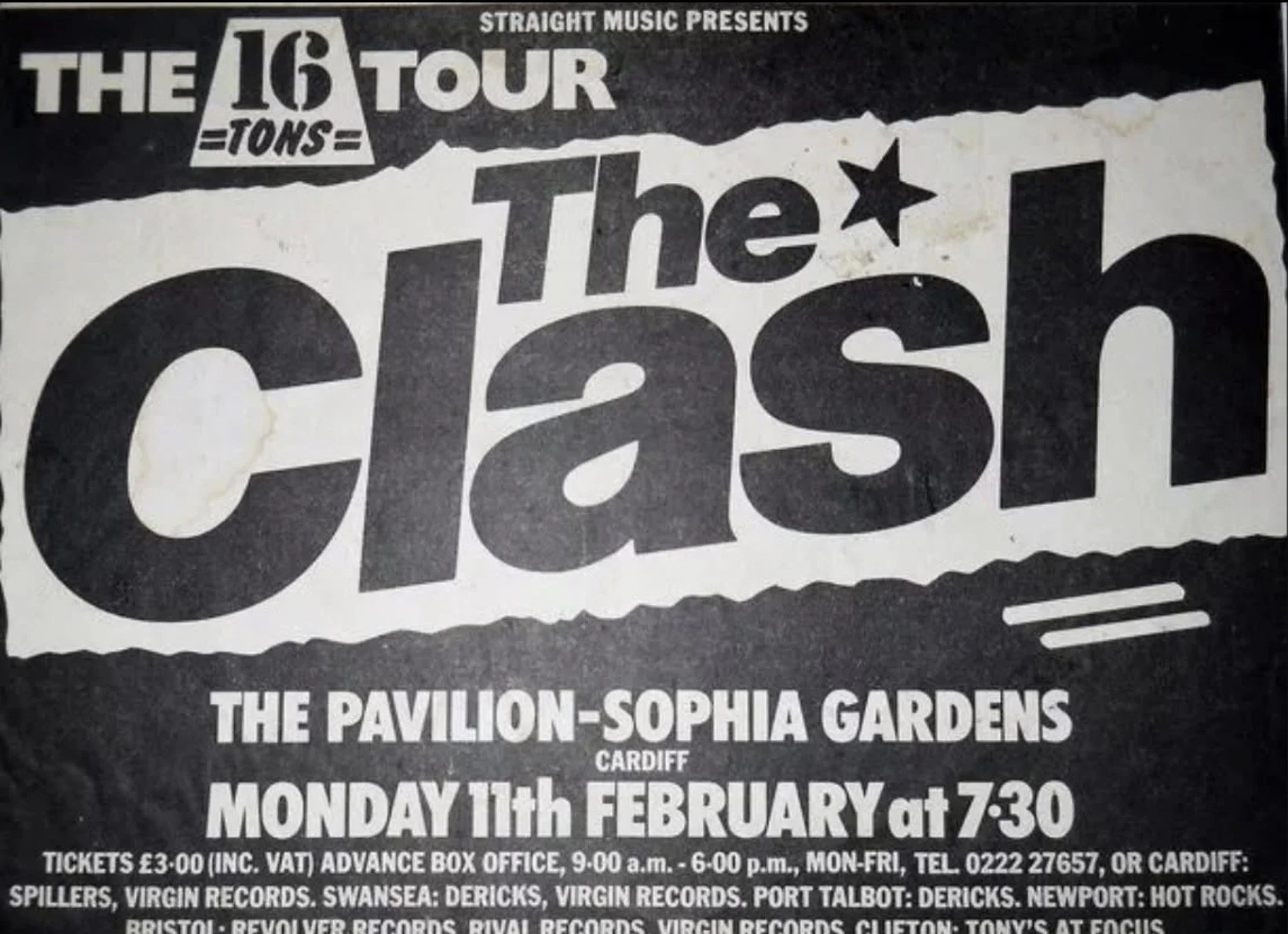
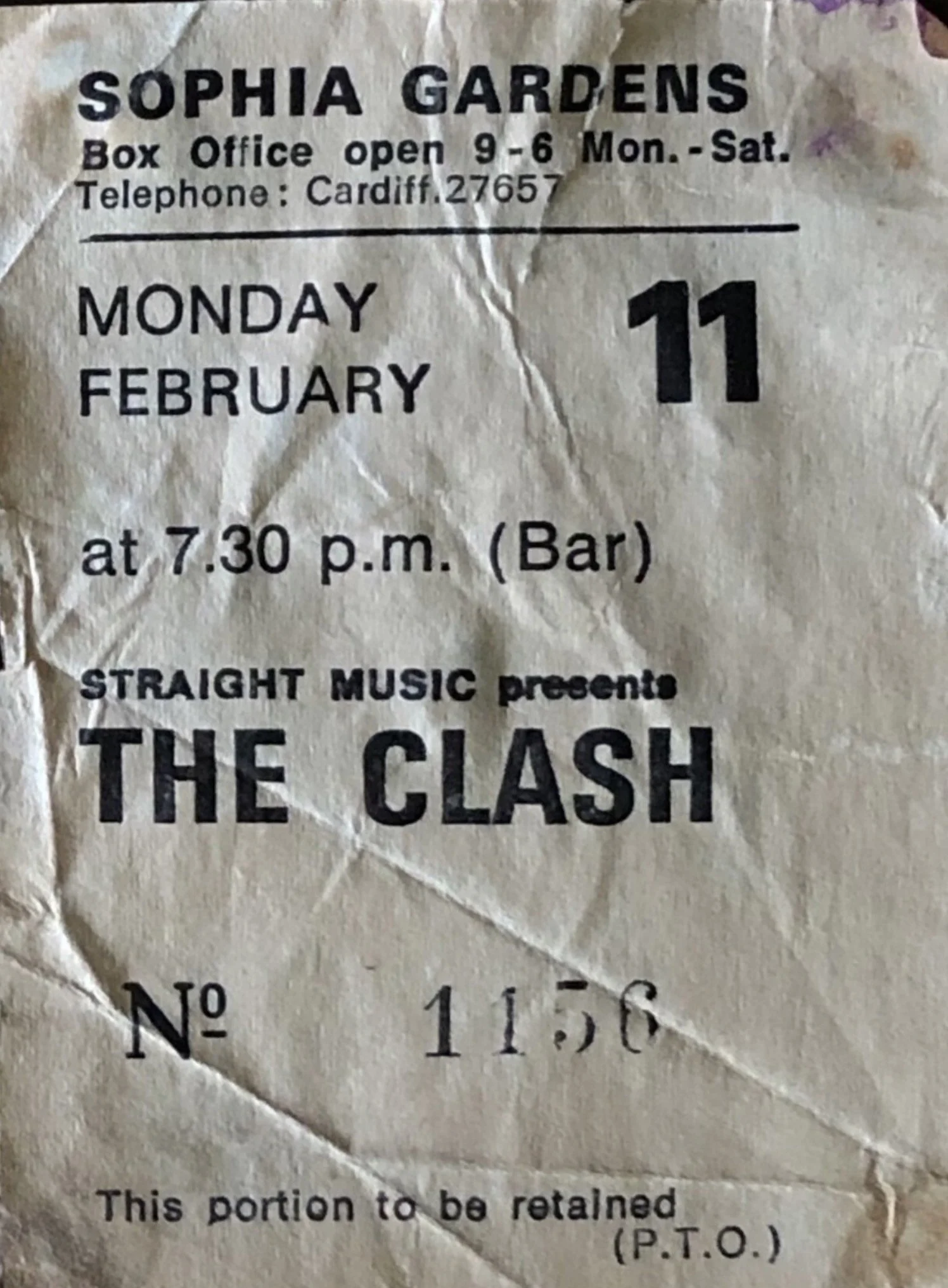
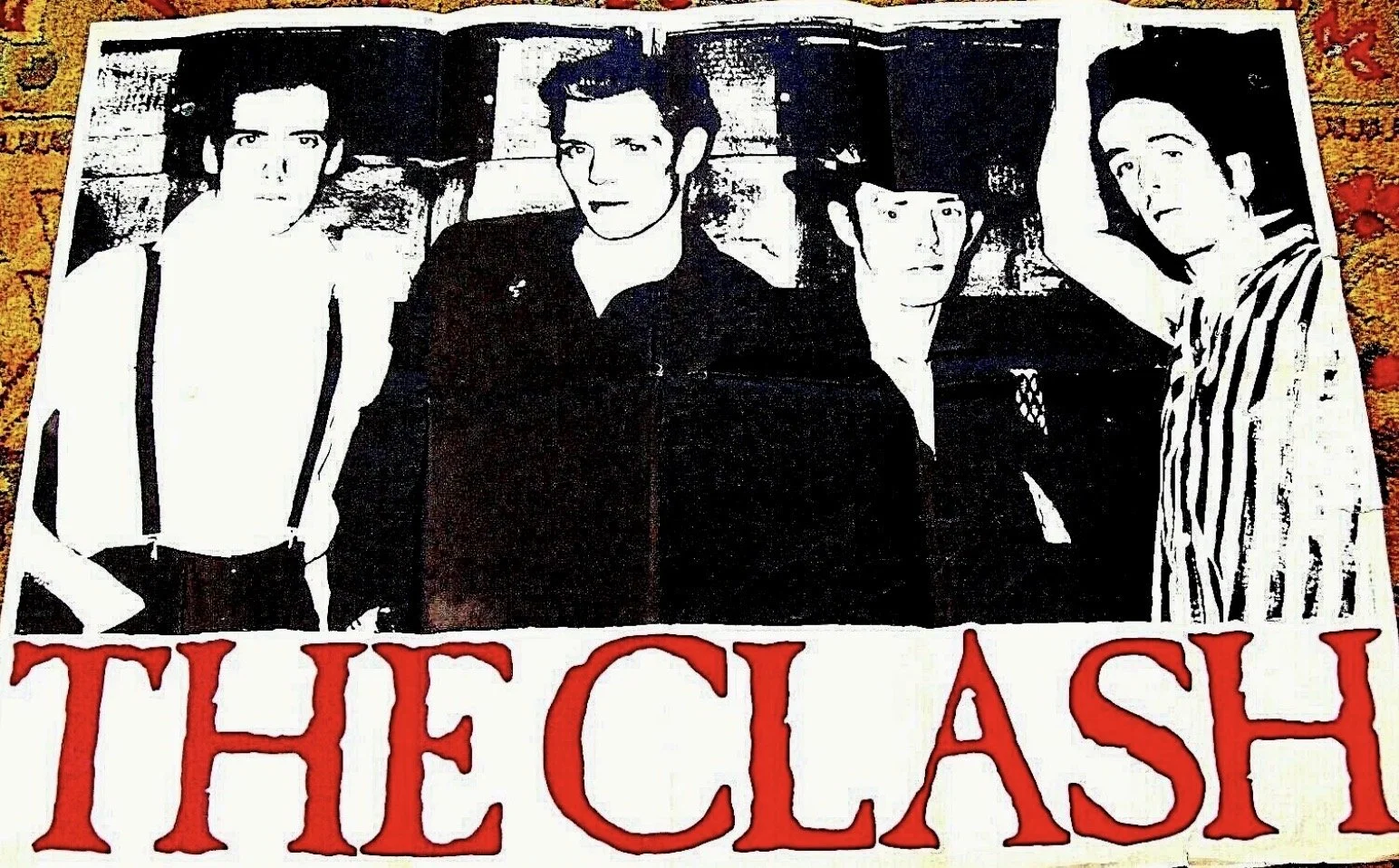
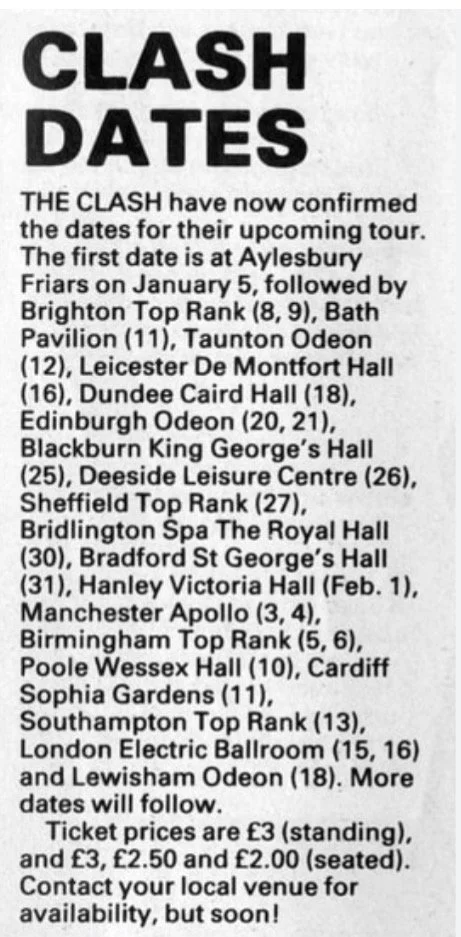
On This Day The Clash 11/02/1980

On this day, 11 February 1980, punk legends The Clash played Cardiff’s Sophia Gardens on their 16 Tons Tour with support provided by The Xcerts and Mikey Dread.

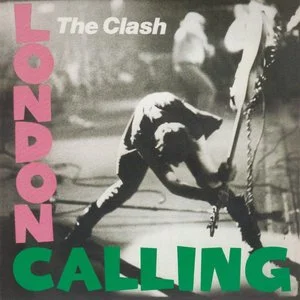
The band had recently released their classic album London Calling.

London Calling was released in December 1979; it peaked at number 9 on the British album chart and at number 27 in the United States, where it was issued in January 1980. The album's cover photograph by Pennie Smith became one of the most-recognisable images and Q magazine later cited it as the "best rock 'n roll photograph of all time".

During this period, The Clash began to be regularly billed as "The Only Band That Matters". Musician Gary Lucas, who was employed by CBS Records' creative services department, has said he coined the tagline. Fans and journalists soon widely adopted the epithet.

The Clash had planned to record and release a single every month in 1980. CBS dismissed this idea and the band released only one single—an original reggae song called "Bankrobber", in August. It featured Mikey Dread and reached number 12 in the UK Singles Chart. In October, the band's US record company released a B-side compilation EP called Black Market Clash, which was later re-released in expanded form as a full-length album.


Setlist


Clash City Rockers

Brand New Cadillac

London Calling

(White Man) In Hammersmith Palais

I Fought the Law

Police and Thieves

Complete Control

Armigedeon Time

White Riot


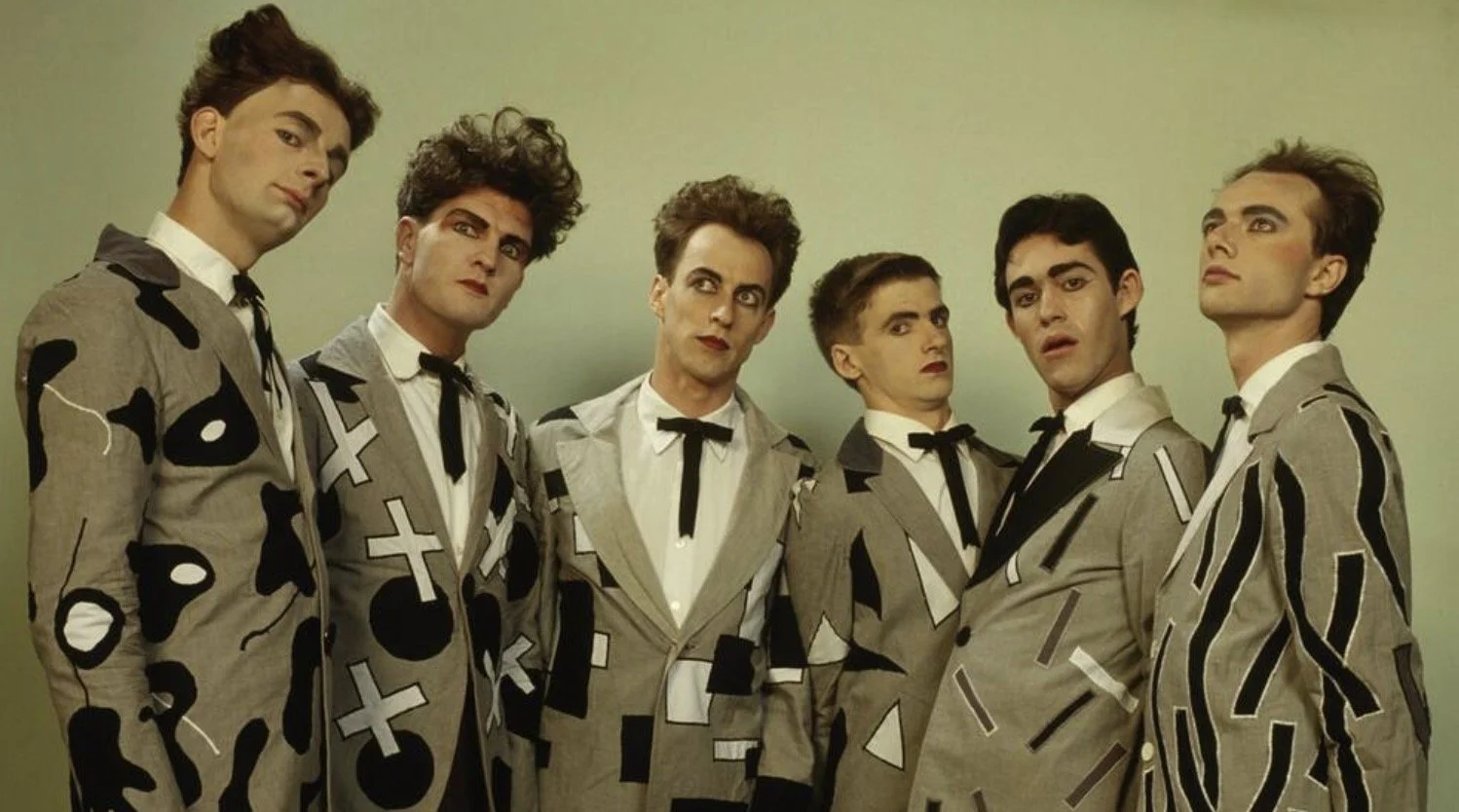
On This Day Split Enz 10/02/1978

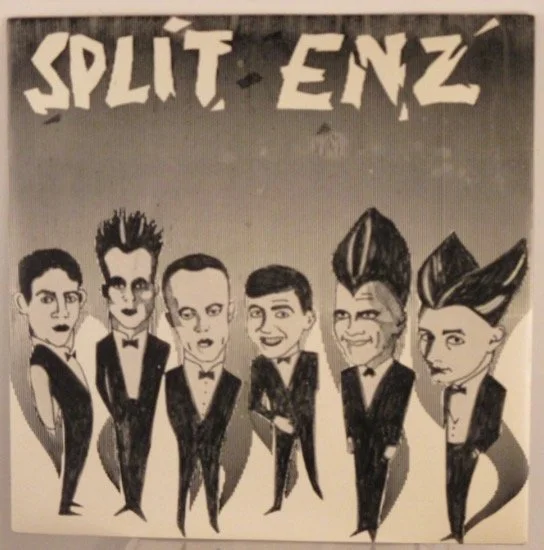
On this day, 10 February 1978, New Zealand rock band Split Enz played Cardiff’s Top Rank.

Formed in 1972 in Auckland they ar regarded as the first New Zealand band to gain significant recognition outside of Australasia, they were initially noted for their progressive/art rock sound, flamboyant visual style and theatrical performances. The band later moved toward a pop/new wave sound that yielded hit singles such as "I See Red"

By the summer of 1978, Split Enz had no agent, no manager, and no UK or US record contract, having been dropped by Chrysalis. The New Zealand Arts Council gave the band a grant of $5,000. The grant money was used to book studio time in Luton, England, where the band recorded demos that later became known as the "Rootin' Tootin' Luton Tapes". One of the songs from those sessions was "I See Red". Released as a single later that year, "I See Red" marked a significant move away from the band's early progressive/art rock style, towards high-energy, guitar-based power pop. While "I See Red" did not chart in the UK, where it was released on Illegal Records, it did bring the band critical attention.

On This Day The Move 08/02/1968

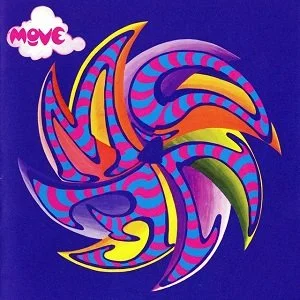
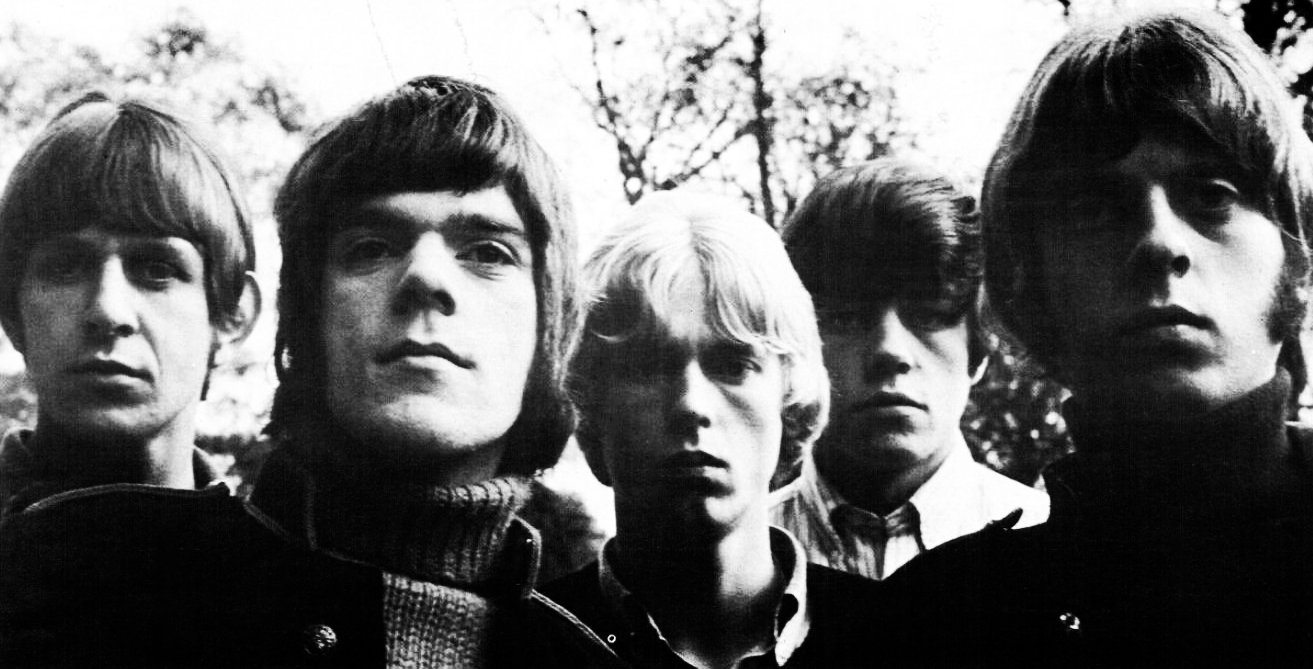
On this day, 8 February 1968, pop group The Move played Cardiff’s Sophia Gardens. The band were about to release their debut album called Move following their big hit Flowers In The Rain the previous Summer. The album peaked at #15 in the UK album charts.
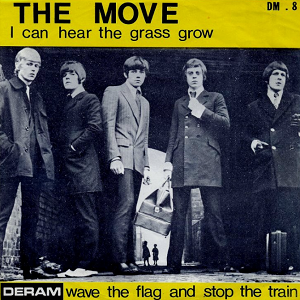
The band's first two singles, "Night of Fear" and "I Can Hear the Grass Grow" were big hits in the United Kingdom, of which Night of Fear had peaked at position number 2 and I Can Hear the Grass Grow had peaked at number 5 on the UK singles chart.

The band's next UK single, "Wild Tiger Woman" was a hit parade disappointment, which only peaked at position number 53. Because of this, the band announced that they would break up if their next single did as poorly. This was not the case, as the single that followed, "Blackberry Way" had peaked at the top of the UK chart, and the next single, "Curly", which had reached position number 12, had prospered much better than "Wild Tiger Woman". Despite these successes, the band's second studio album, Shazam, released in 1970, did not make the UK Albums Chart.

On This Day Sum 41 06/03/2003

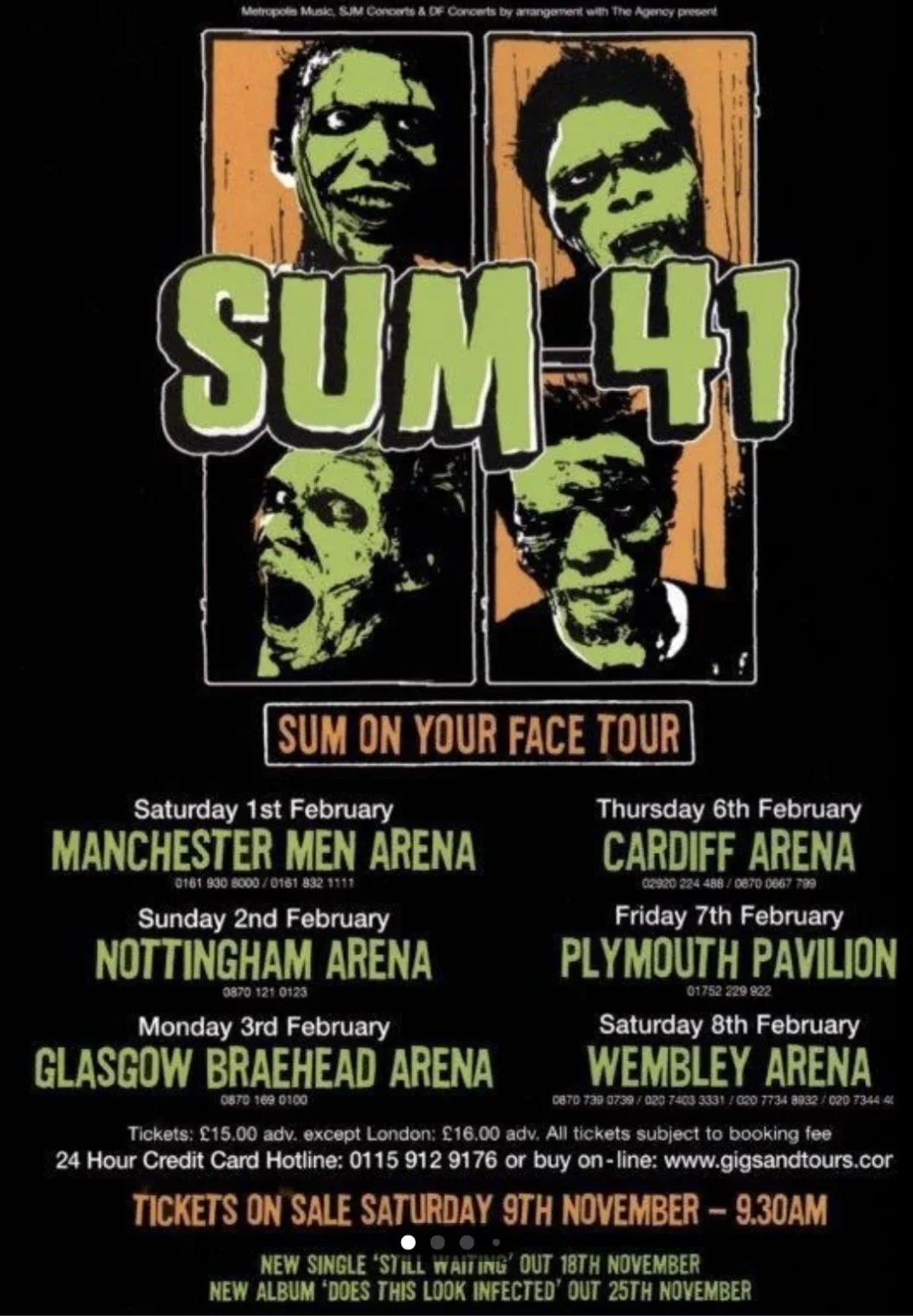
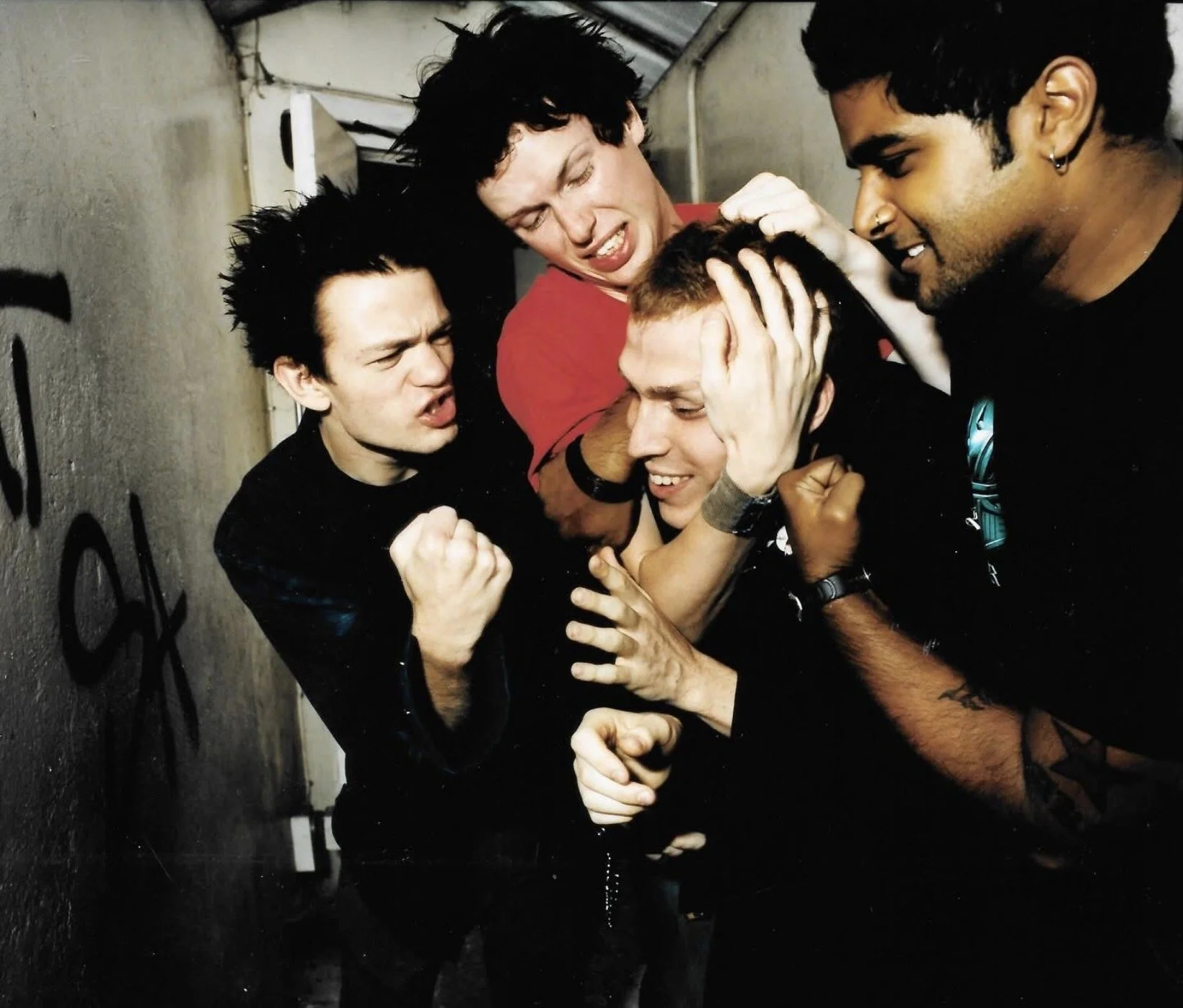
On this day, 6 February 2003, Canadian rock band Sum 41 played Cardiff International Arena on their Sum On Your Face tour.

Formed in Ajax, Ontario, in 1996. The band's final lineup consisted of Deryck Whibley (lead vocals, rhythm guitar, keyboards), Dave Baksh (lead guitar, backing vocals), Jason McCaslin (bass, backing vocals), Tom Thacker (rhythm and lead guitars, keyboards, backing vocals), and Frank Zummo (drums).

Setlist

Setlist

Still Waiting

Nothing on My Back

Machine Gun

Motivation

Rhythms

Never Wake Up

The Hell Song

In Too Deep

Summer

Fat Lip

All She's Got

T.H.T.

Pain for Pleasure

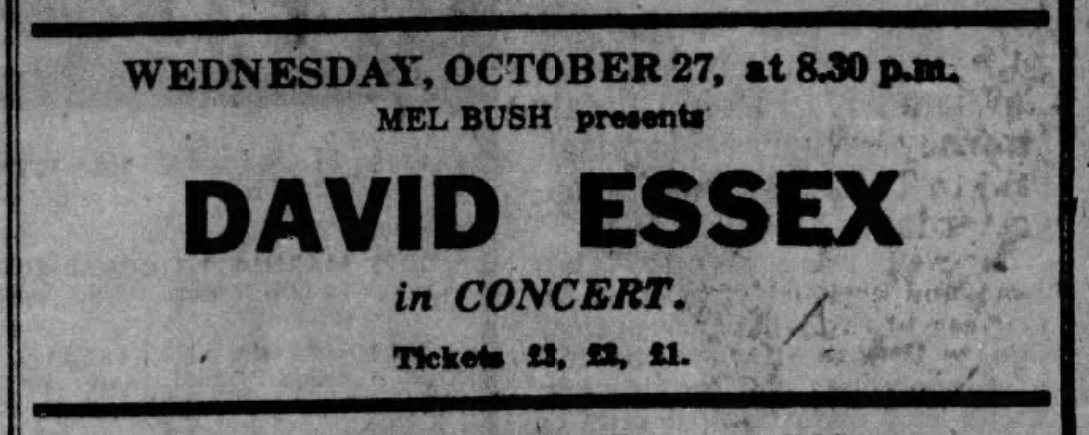
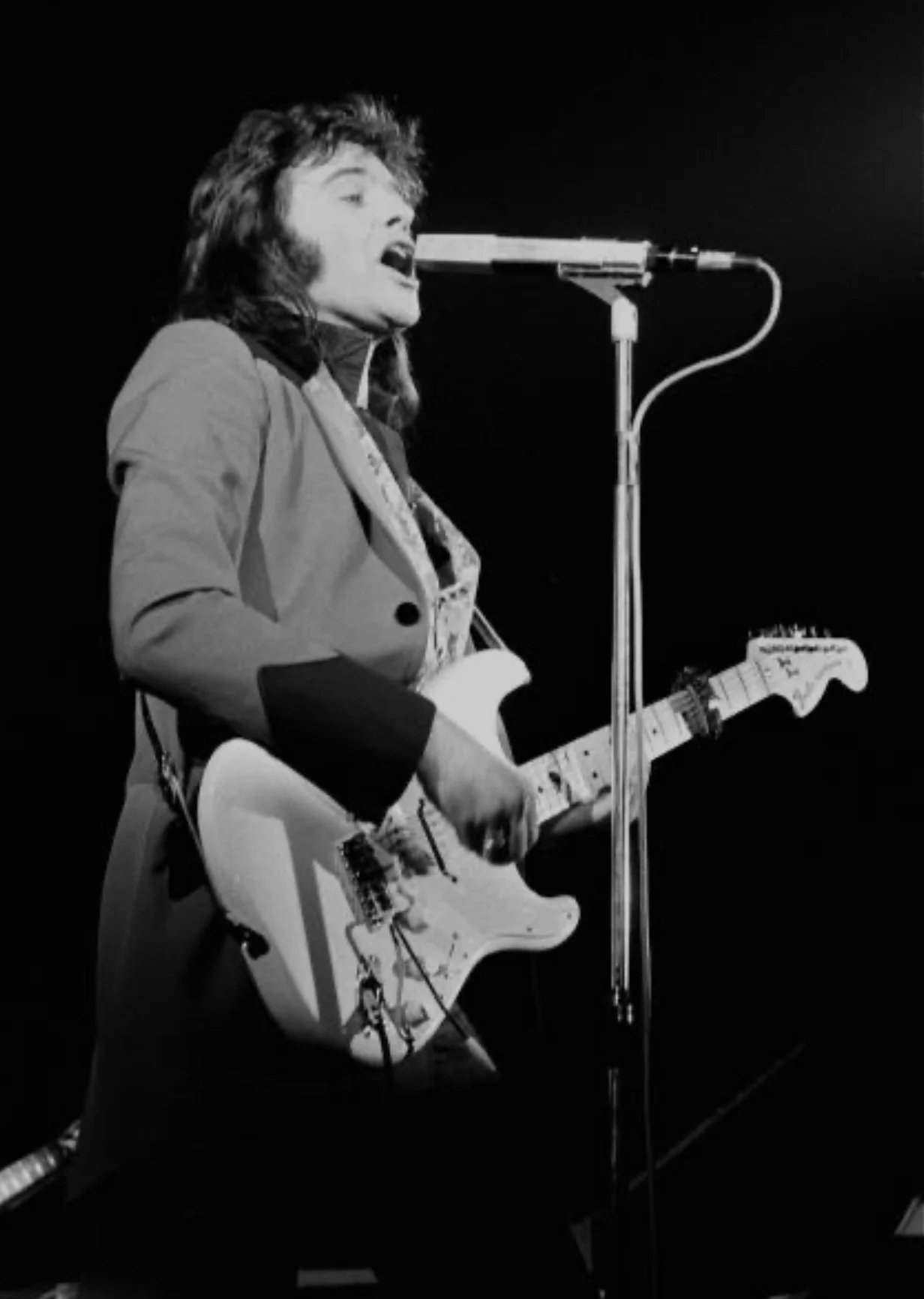
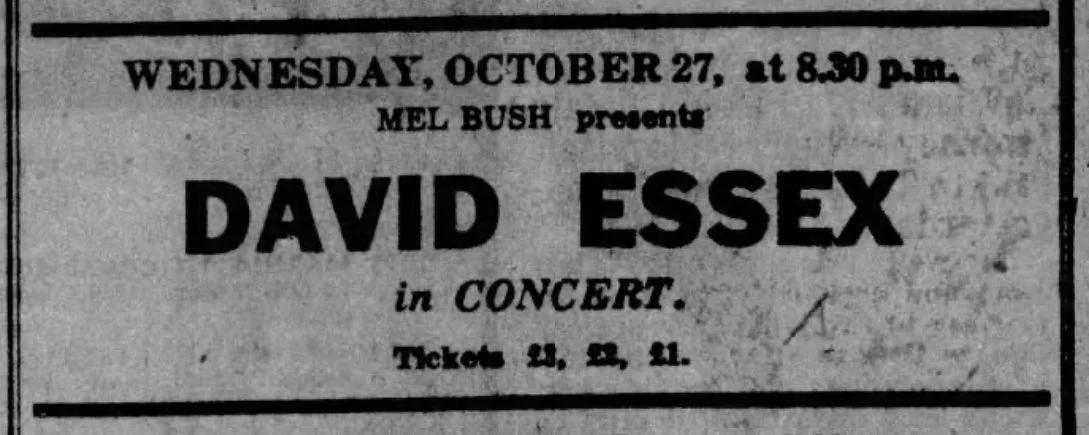
On This Day 27/10/1976 David Essex

Images may be subject to copyright

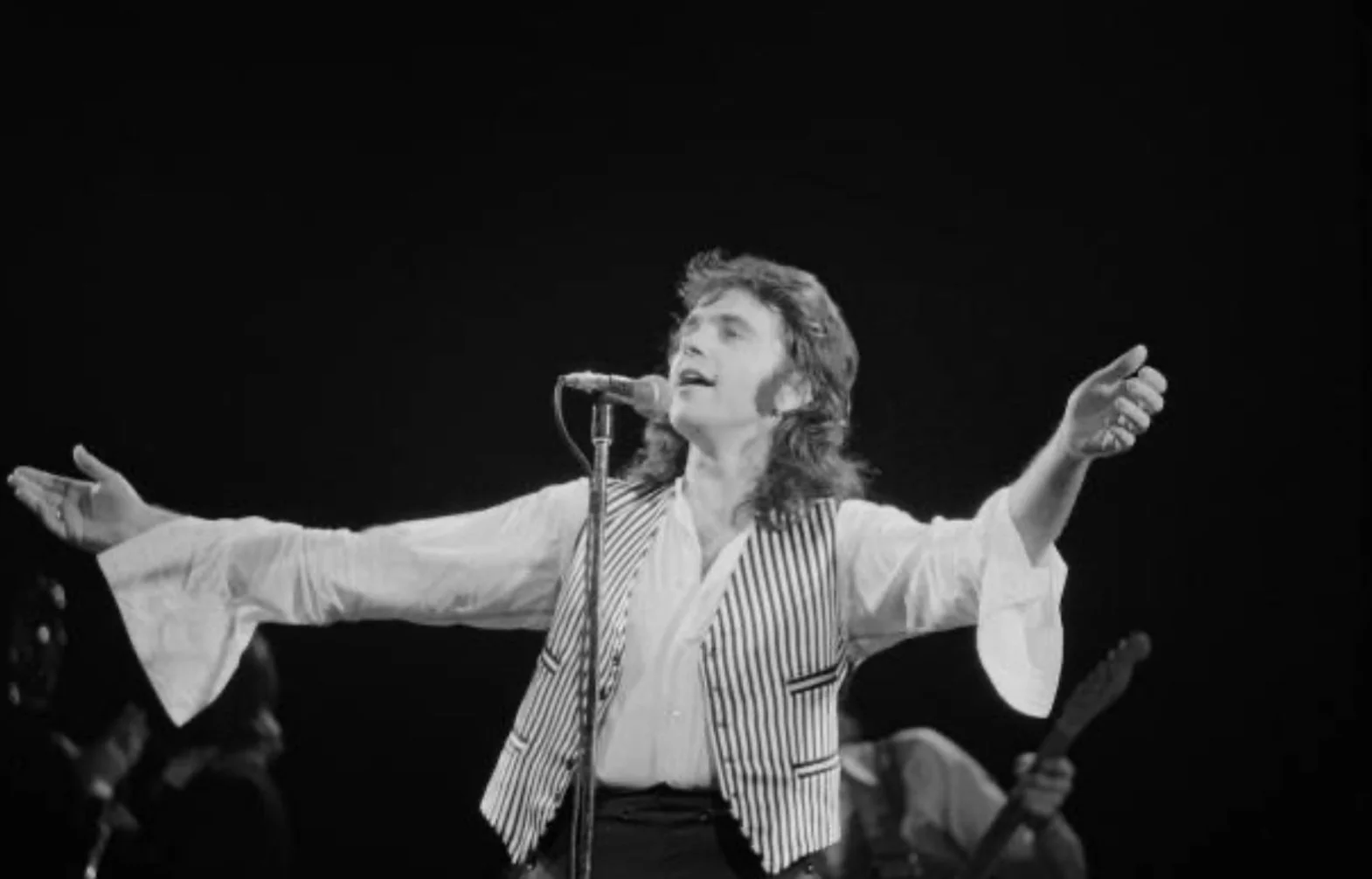
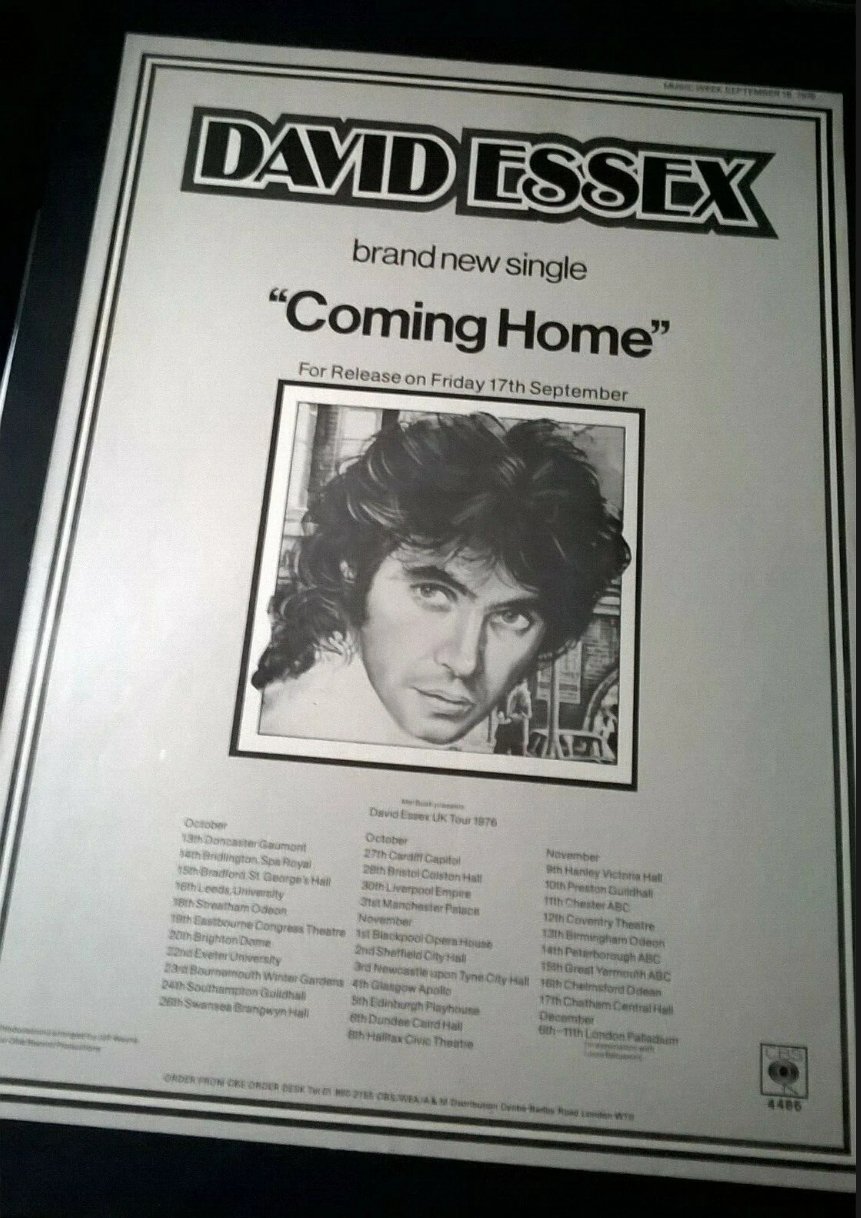
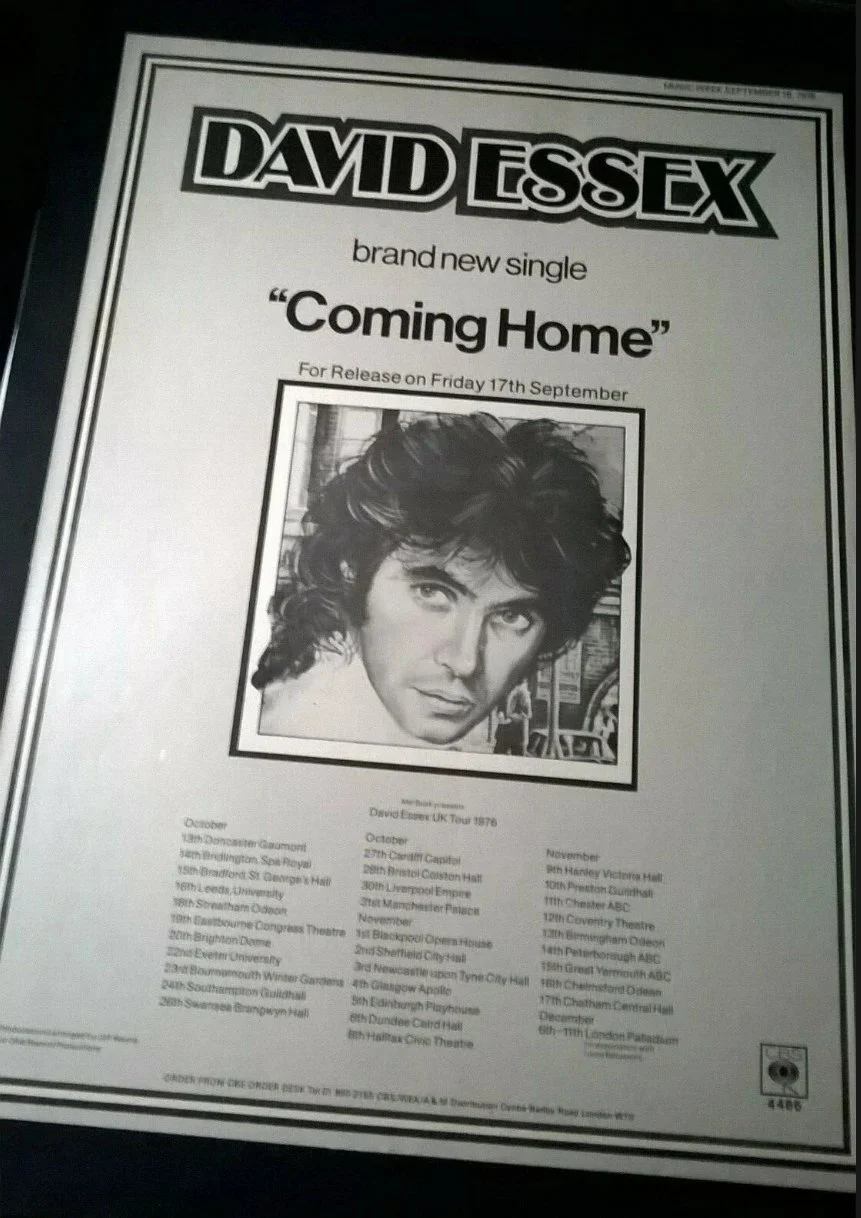
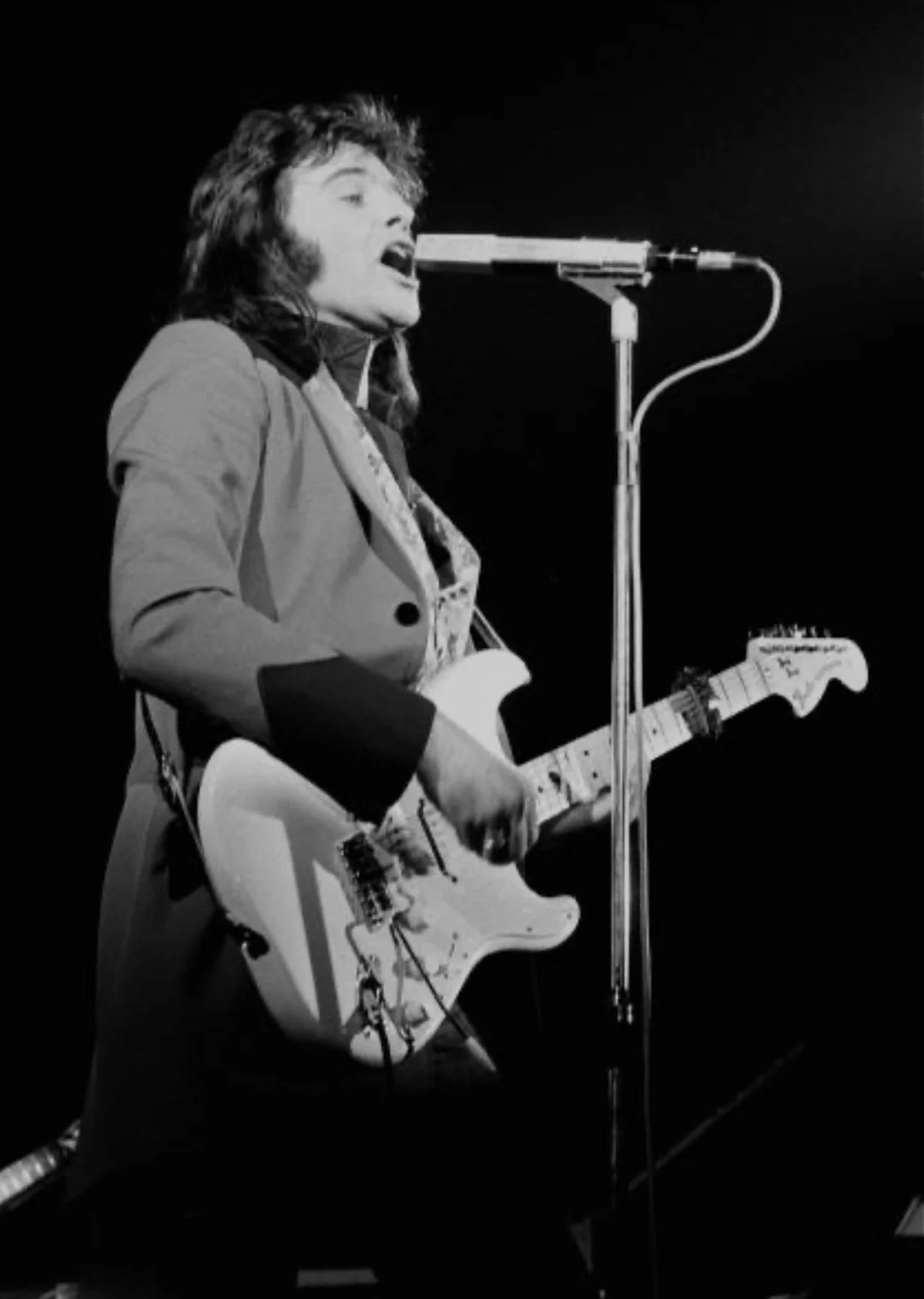
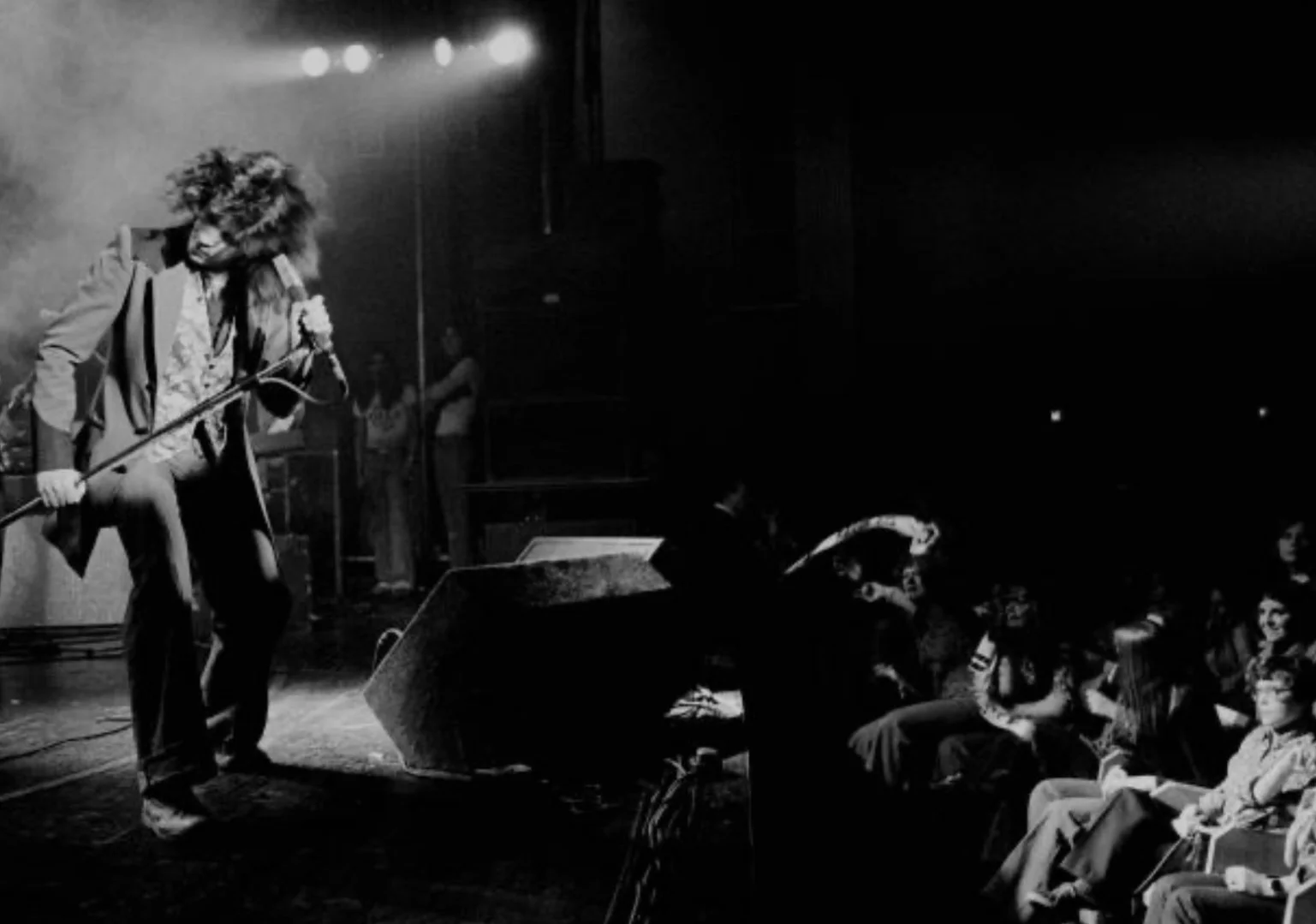
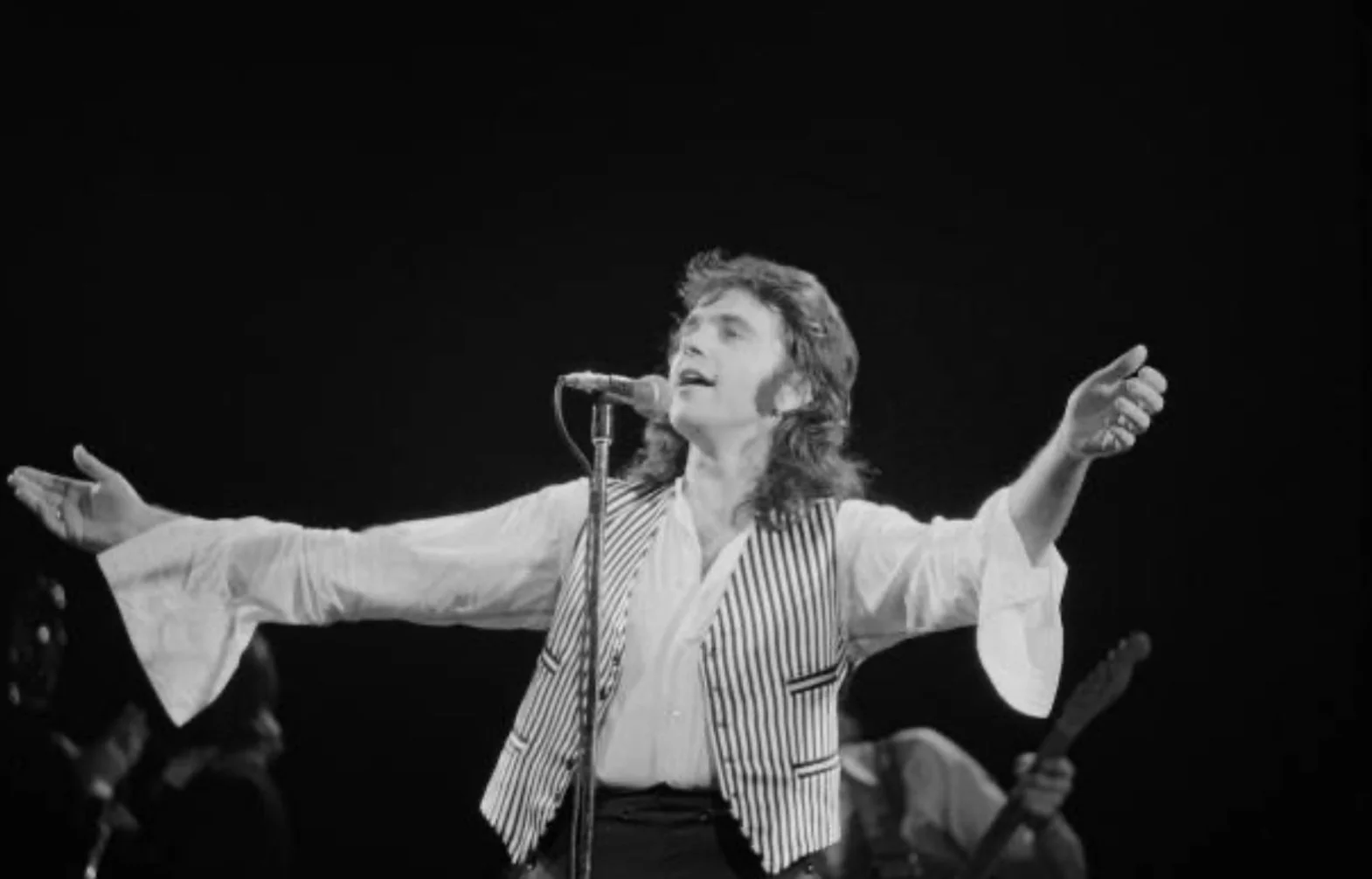
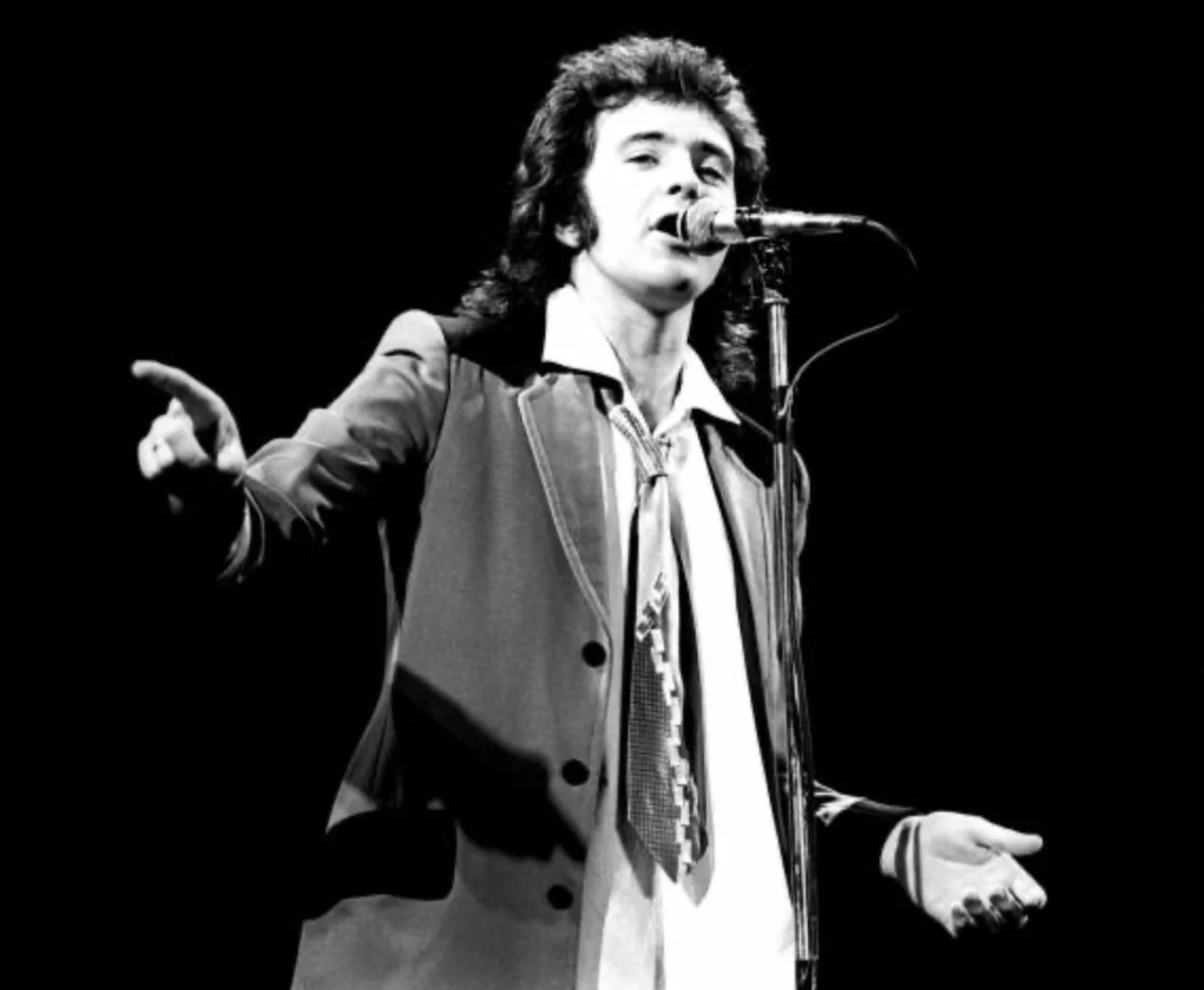
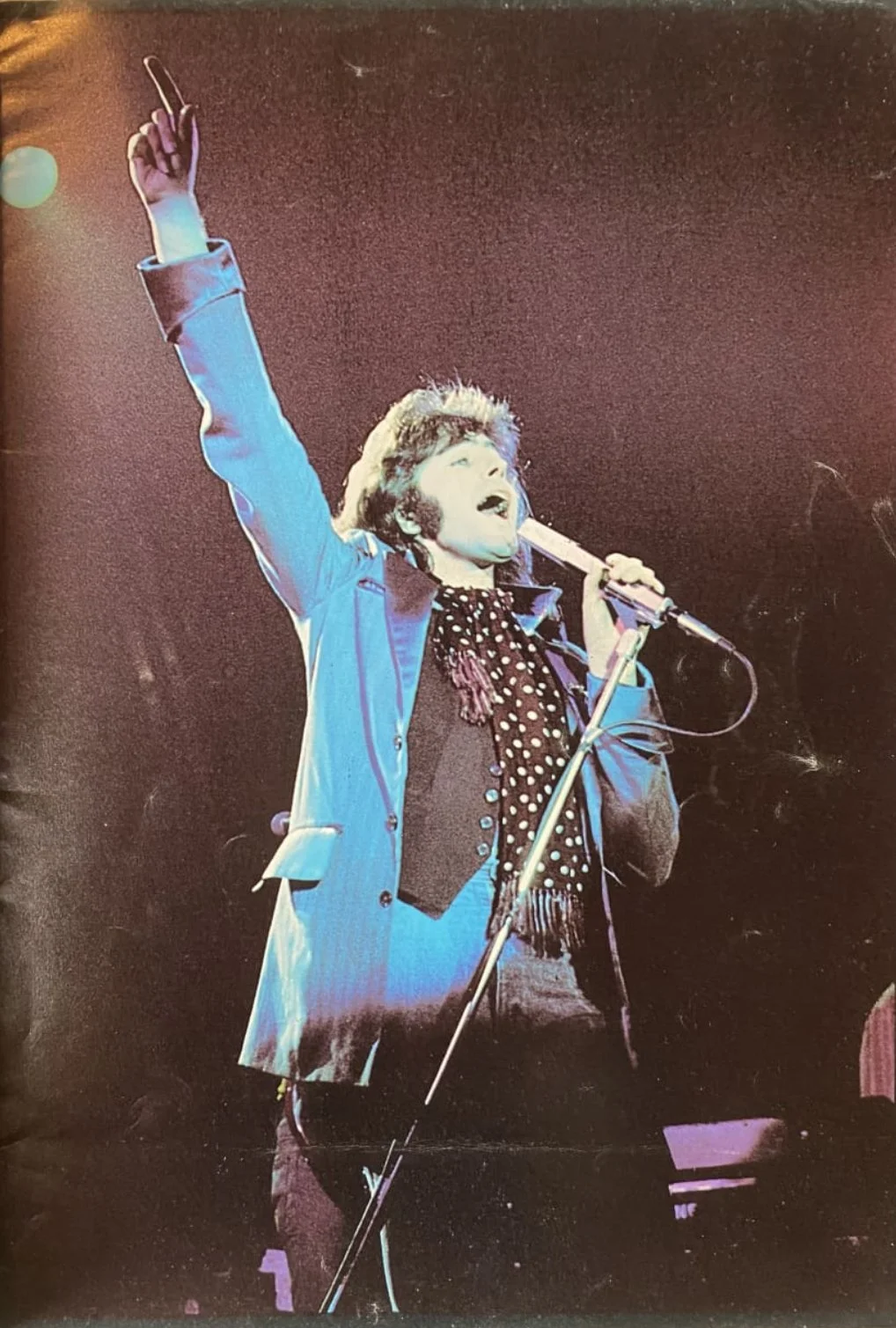
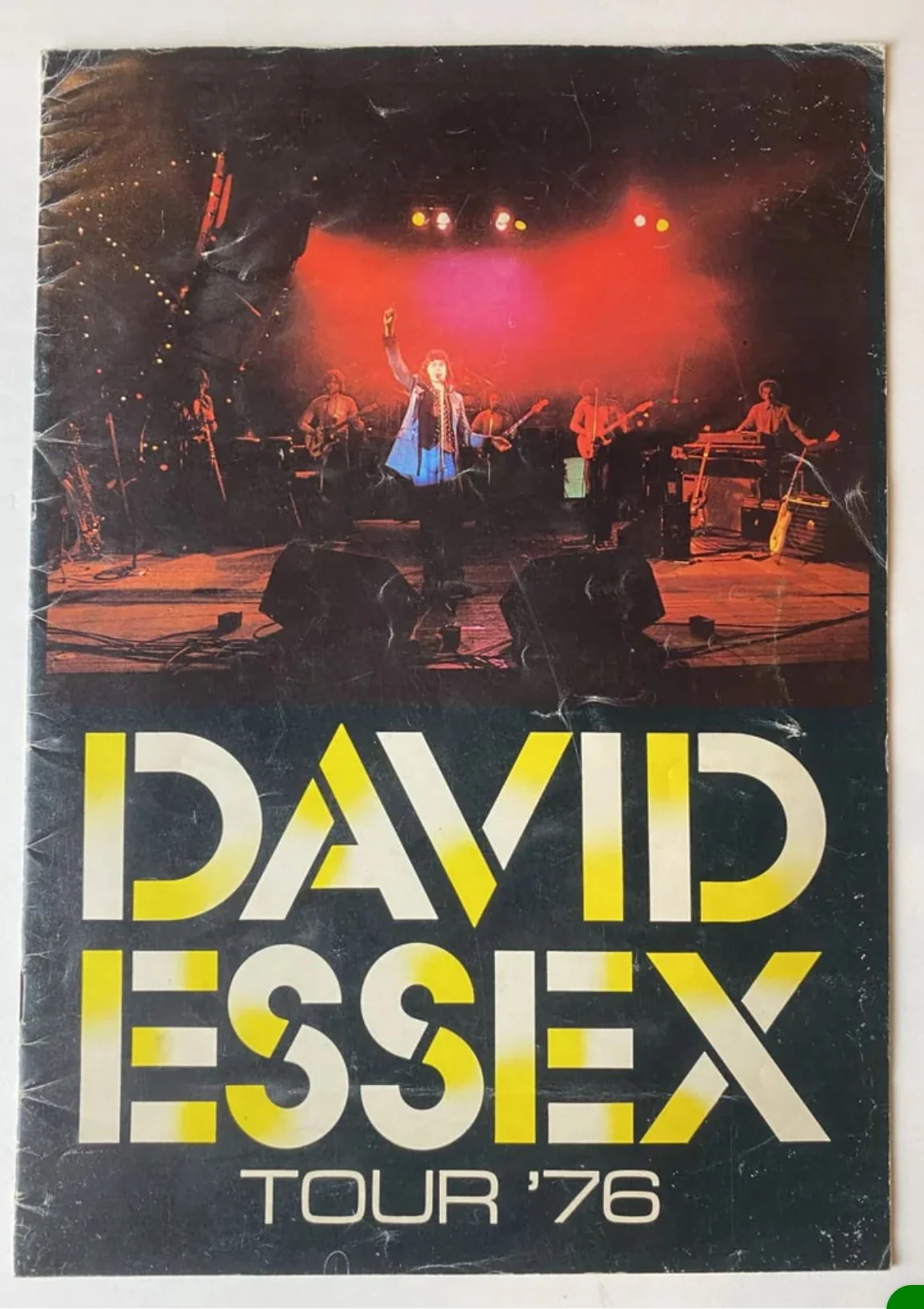
On this day, 27 October 1976, pop star actor David Essex played Cardiff’s Capitol Theatre. The tour was to promote his fourth studio album Out On The Street, which peaked at #31 in the UK album charts.
Essex made his first record, titled "And the Tears Came Tumbling Down", for the Fontana label in 1965. He then toured with a band called 'David Essex and the Mood Indigo' for two years, and released a further seven singles in the 1960s. He also recorded two songs, "A Rose" and "Leon and John and Billy and Me" which remain unreleased, but exist as acetates. His first notable acting role, aside from small appearances in the films Assault and All Coppers Are..., was the lead in the stage musical Godspell in 1971 at the age of 23.
Two years later, he starred in the film That'll Be the Day (1973) and recorded his international hit single, the self-penned "Rock On", in the same year. It sold over one million copies, and was awarded a gold disc by the R.I.A.A. in March 1974. It was nominated for a Grammy and reached No. 5 on the Billboard Hot 100. A second single, "Lamplight", also reached the Top 10 in the UK singles chart.

In the 1970s, Essex emerged as a performer of some note. Contrary to a claim made in his own biography, his first concert was at the Granada in East Ham on Saturday 2 November 1974, and not at the Odeon. His biggest hits during this decade included two UK number one singles: "Gonna Make You a Star" (1974) and "Hold Me Close" (1975). He also appeared in Stardust, a 1974 sequel to That'll Be the Day. The title song was another Top 10 hit. In 1976, Essex covered the Beatles song "Yesterday" for the musical documentary All This and World War II.

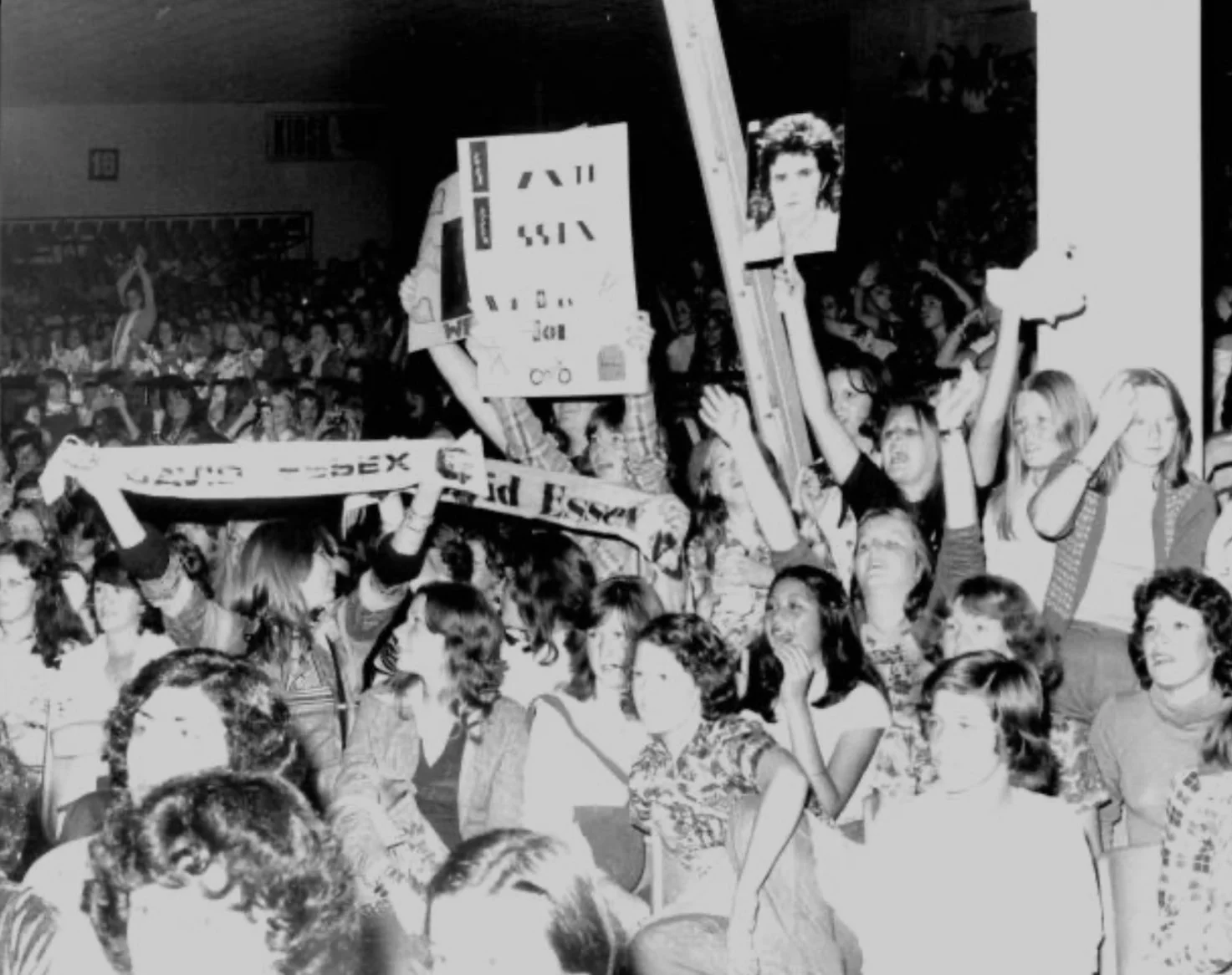
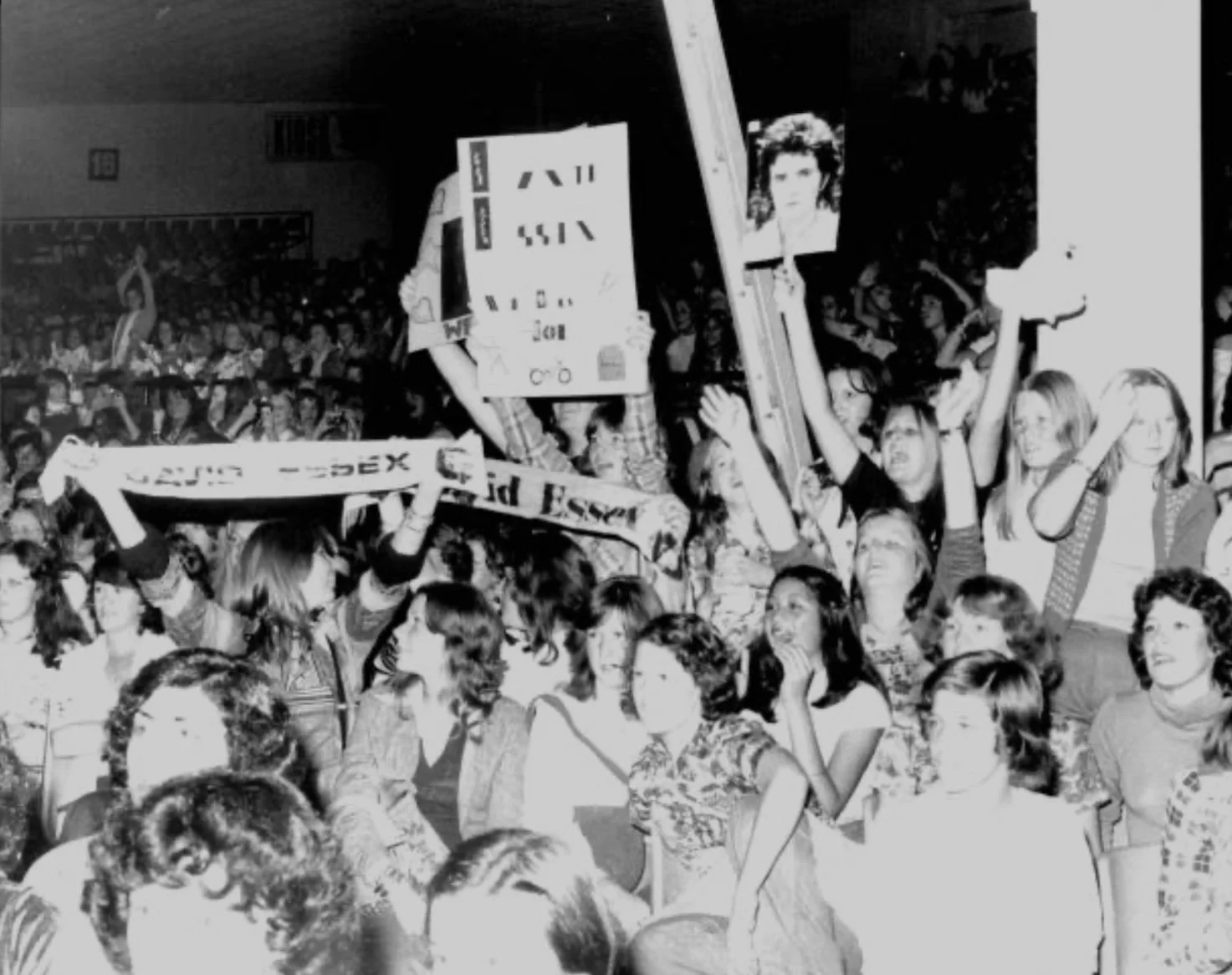
Essex's pop idol looks gave him a strong female fan base, and his British tours created scenes of hysteria reminiscent of Beatlemania. According to The Guinness Book of British Hit Singles, he was voted the number one British male vocalist in 1974, and was a teen idol for more than a decade.

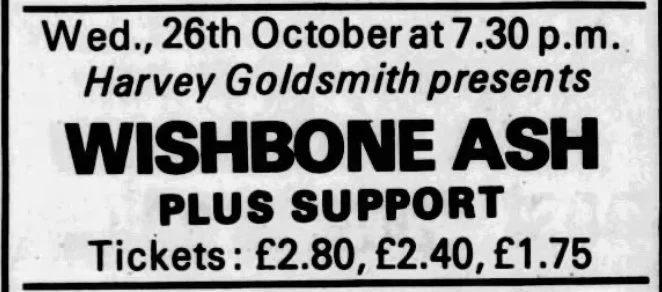
On This Day 26/10/1977 Wishbone Ash

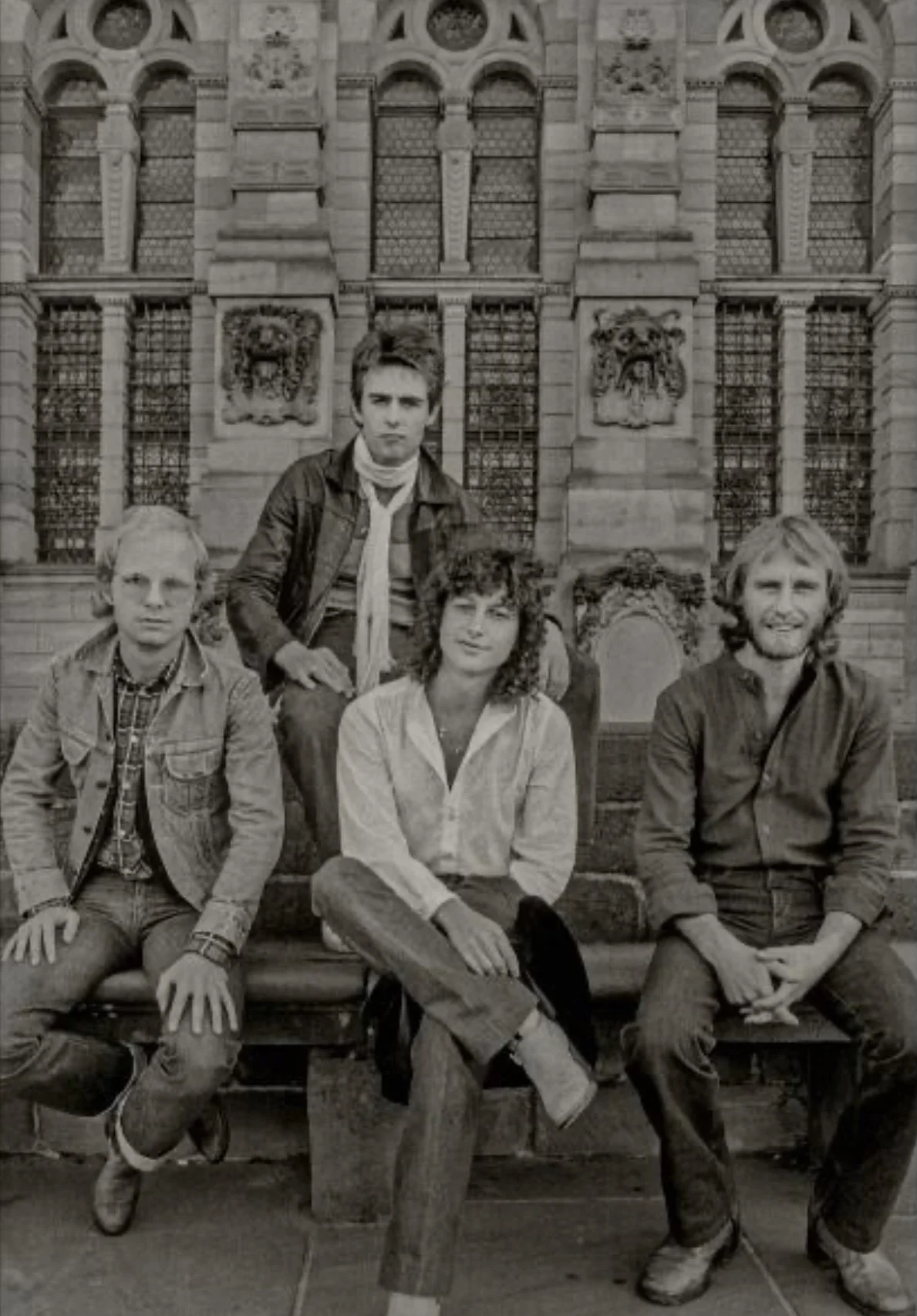
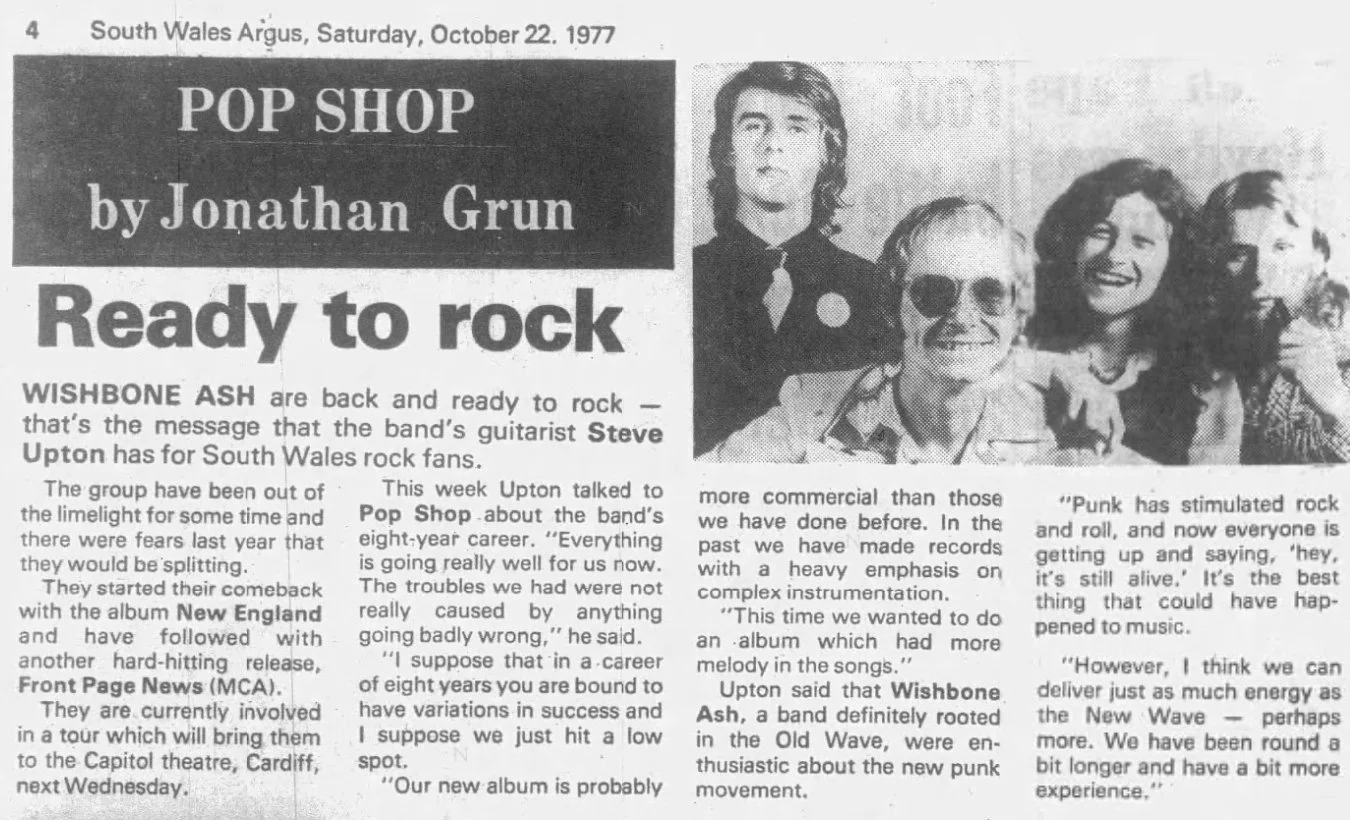
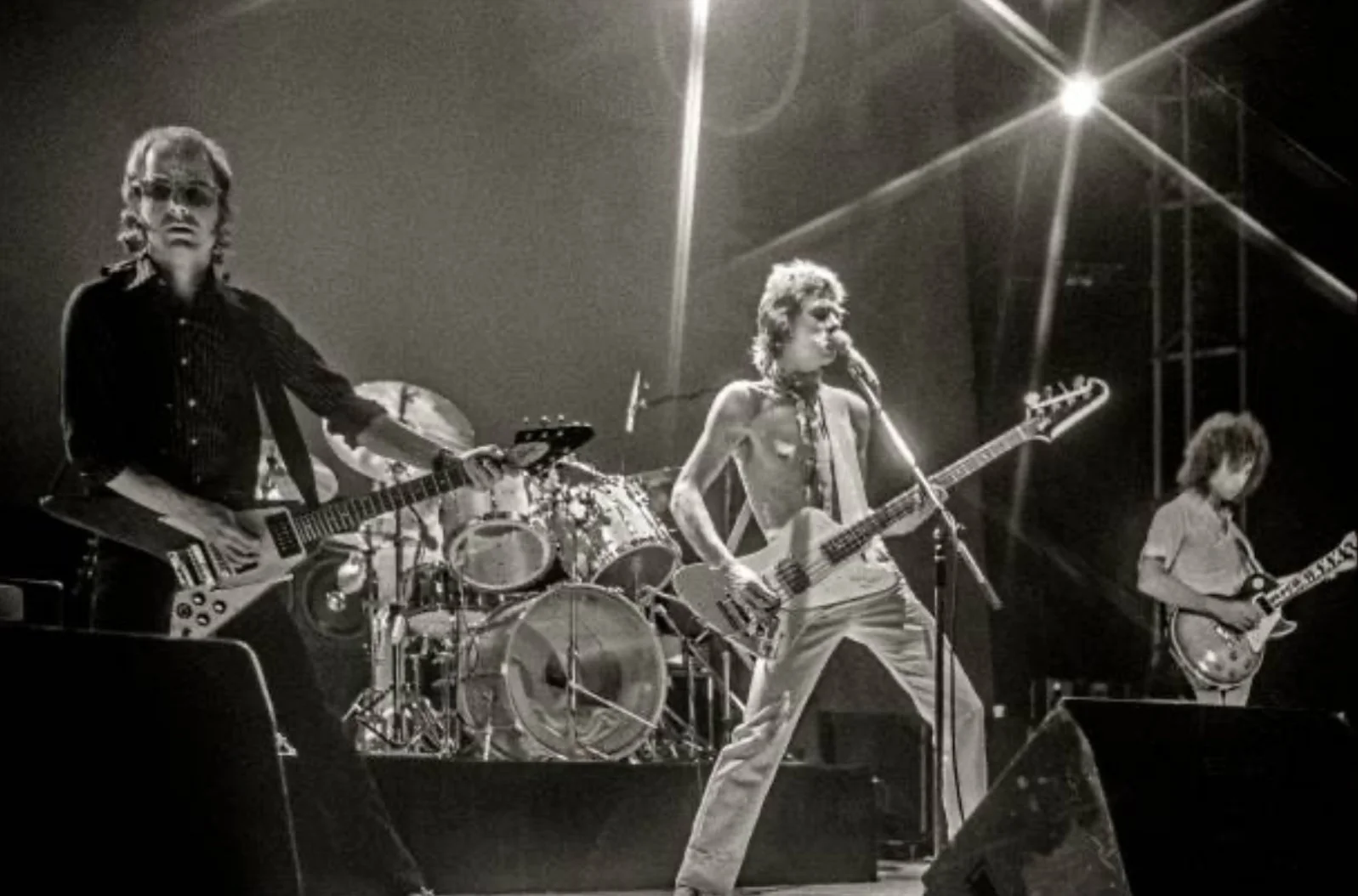
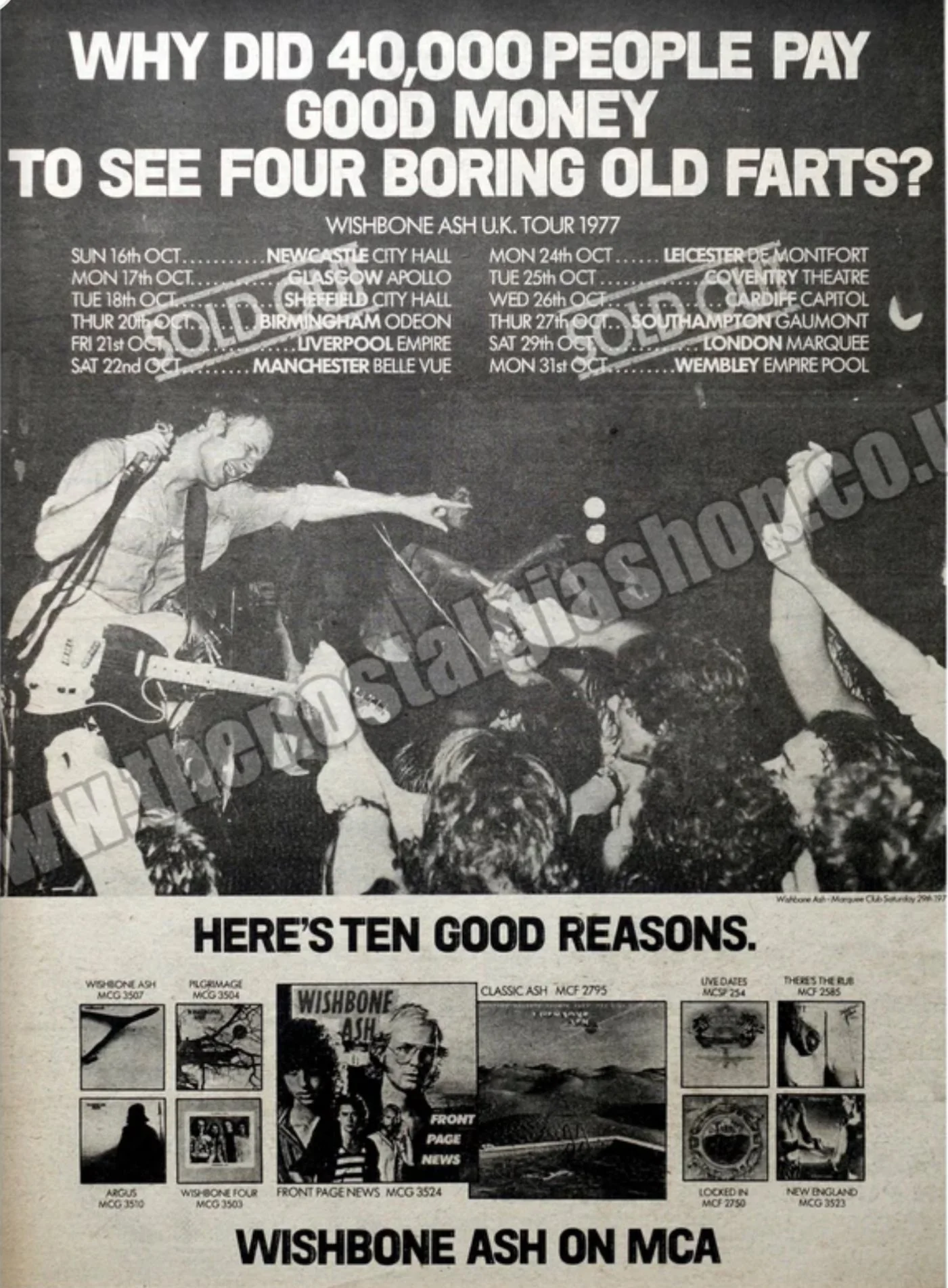
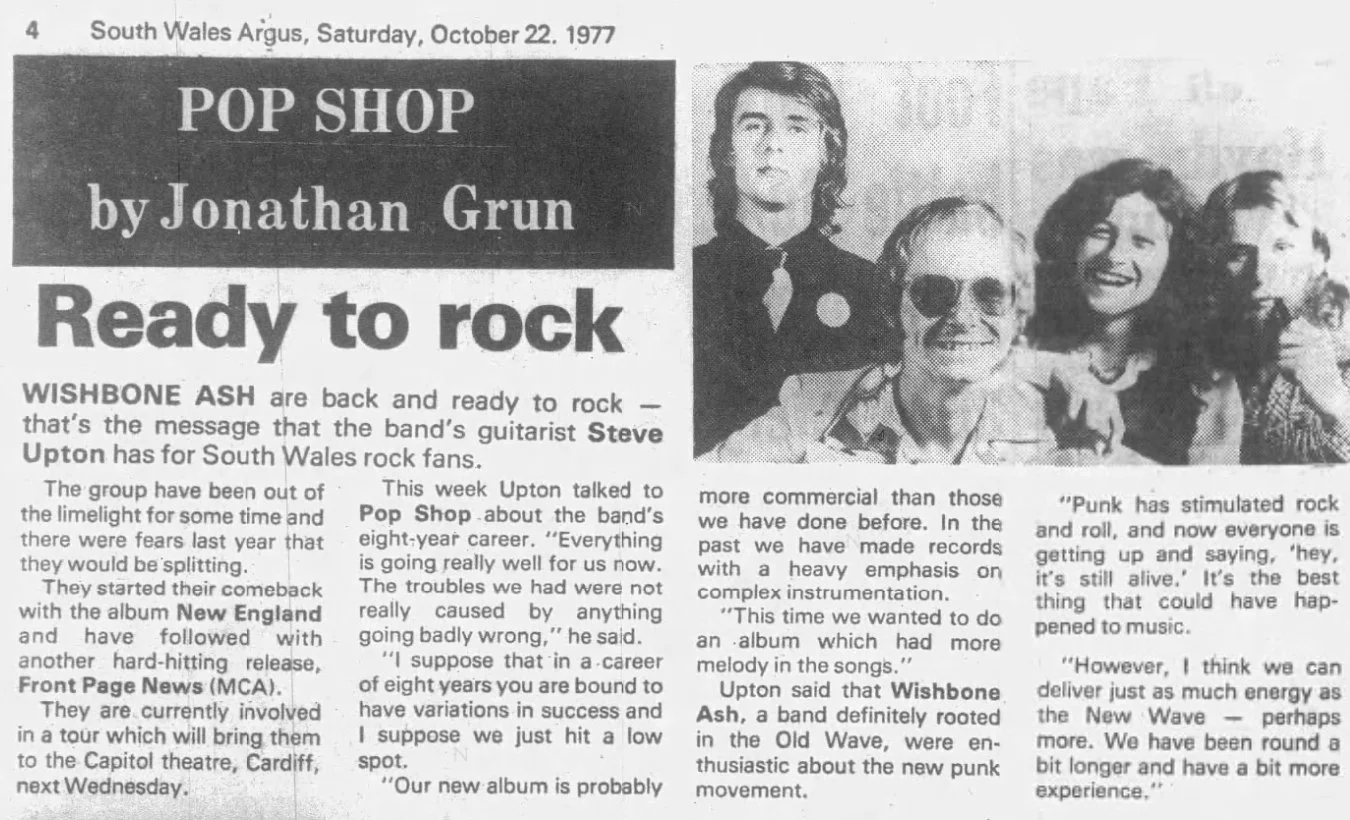
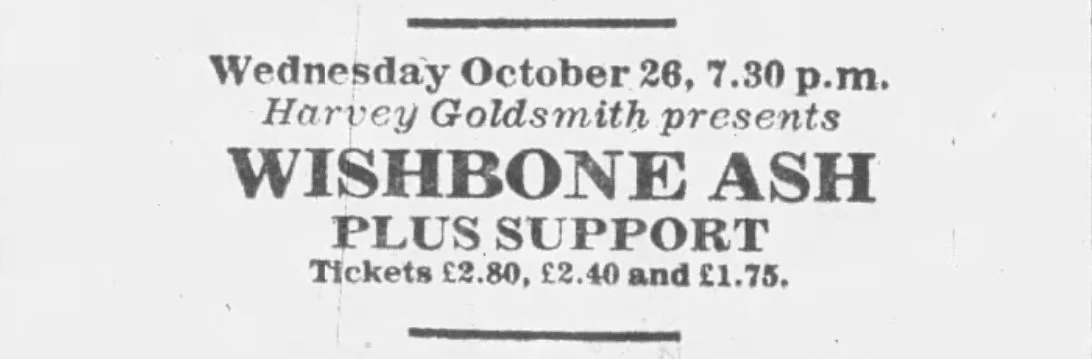
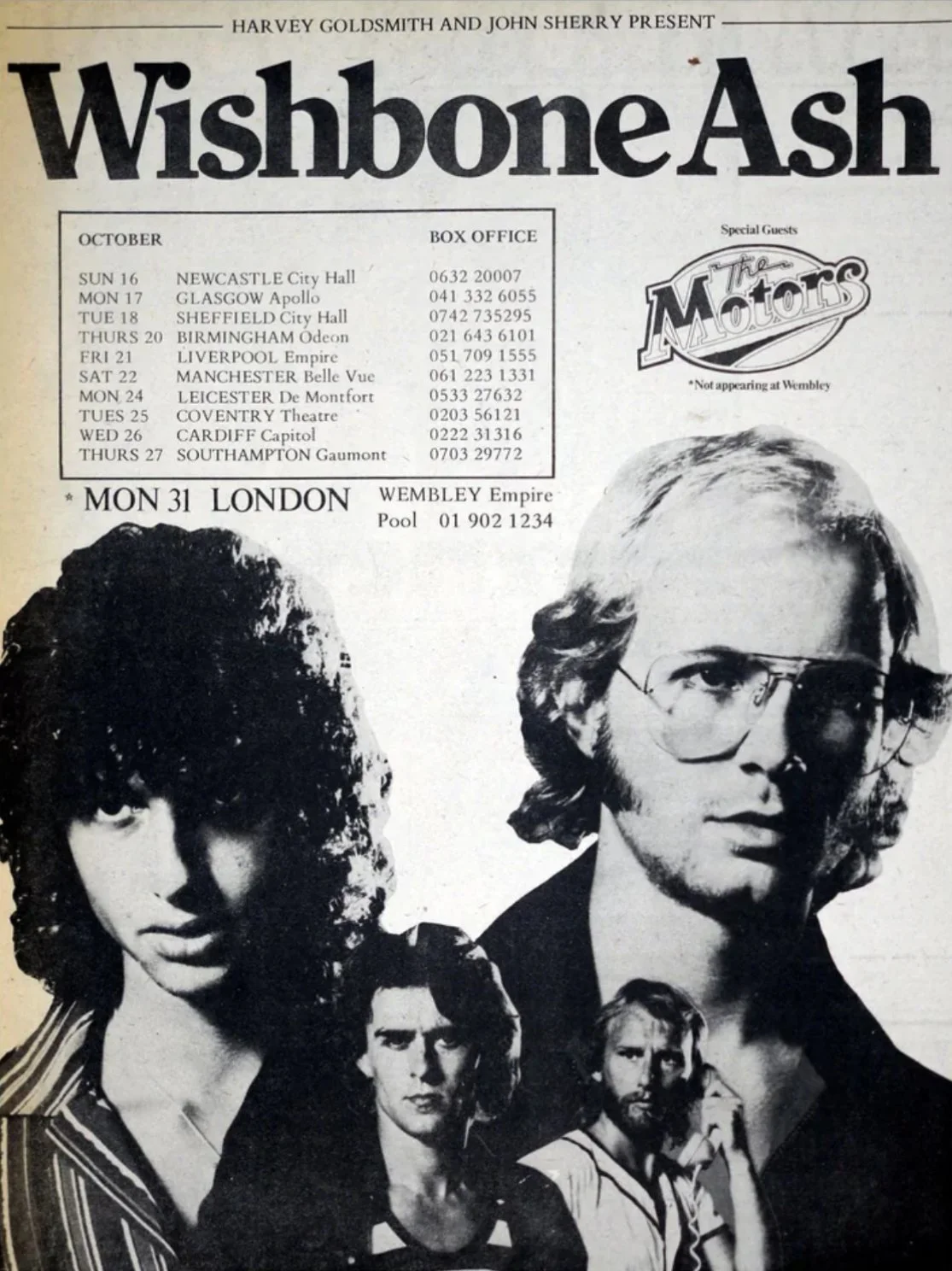
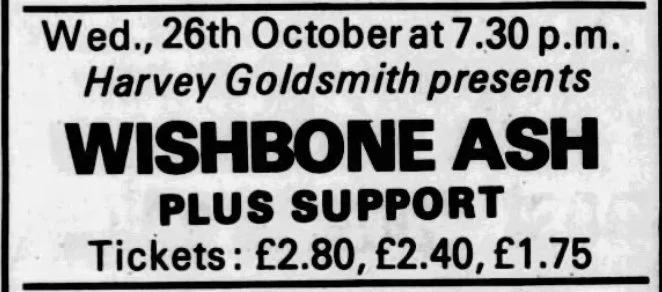
On this day, 26 October 1977, rock band Wishbone Ash played Cardiff’s Capitol Theatre. In support were the Motors.

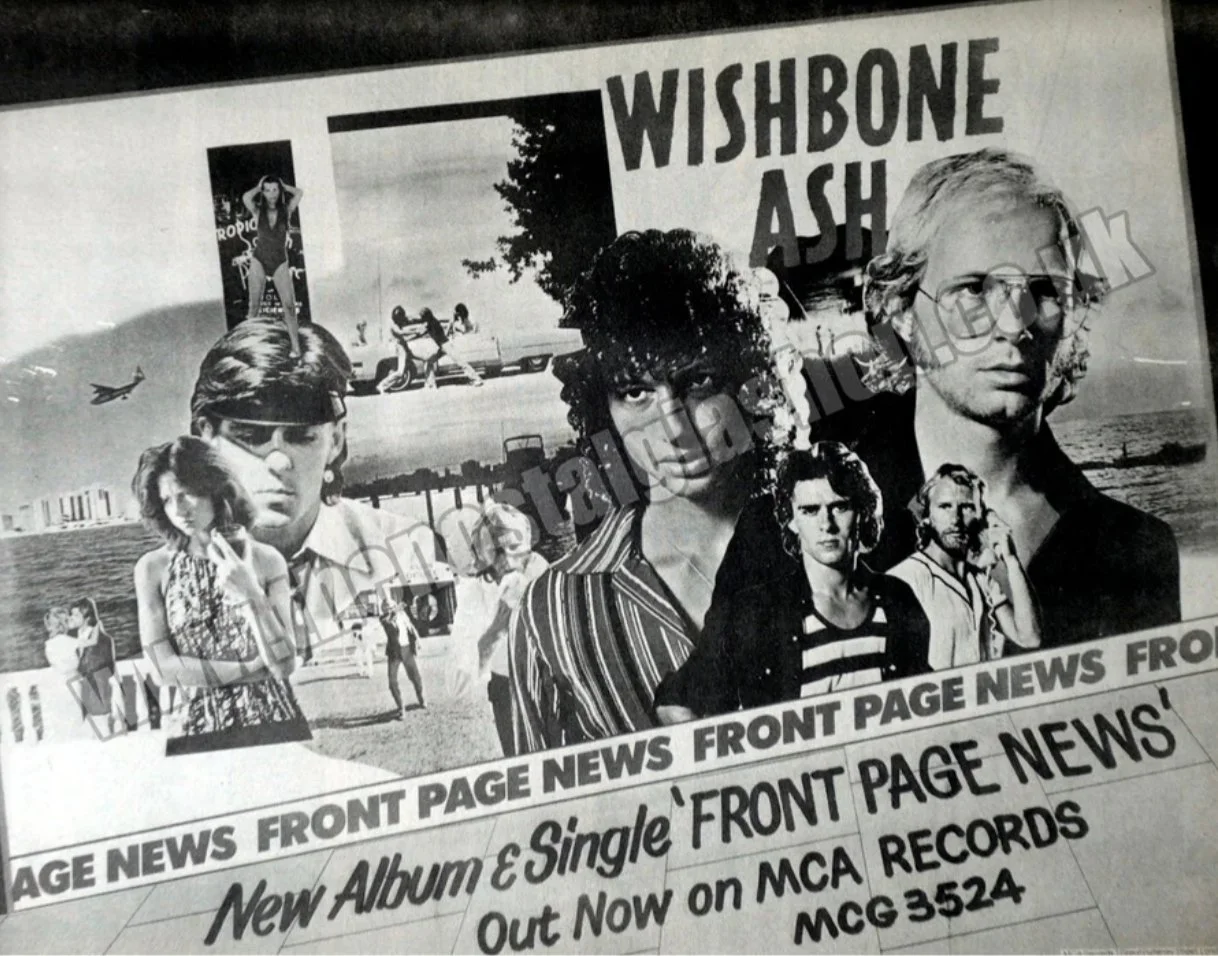
The band had just released their eighth studio album Front Page News which peaked at #31 in the UK album charts.

Formed in Torquay, Devon in 1969 out of the ashes of the trio The Empty Vessels (originally known as The Torinoes, later briefly being renamed Tanglewood in 1969), which had been formed by Wishbone Ash's founding member and creative force Martin Turner (lead vocals and bass guitar) in 1963 and complemented by Steve Upton (drums and percussion) in 1966.

Wishbone Ash formed when Martin Turner and Steve Upton set up auditions for a guitarist and subsequently ended up with two guitarists because they could not decide between the two. So as a result, guitarists/vocalists Andy Powell and Ted Turner completed the original Wishbone Ash line-up. In 1974 Ted Turner left the band, and was replaced by Laurie Wisefield. The band continued on with strong critical and commercial success until 1980.

On This Day 25/10/1977 Fabulous Poodles

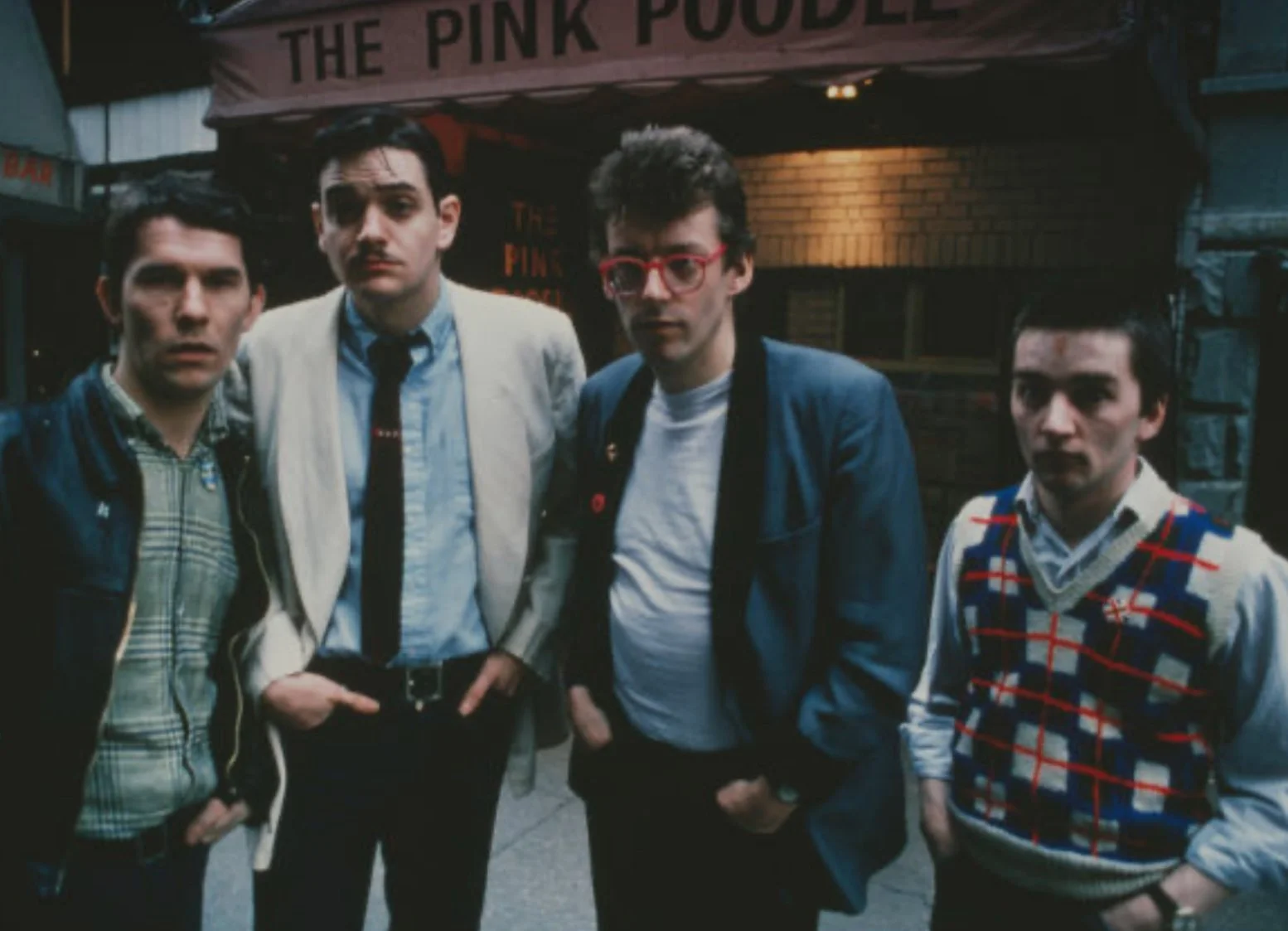
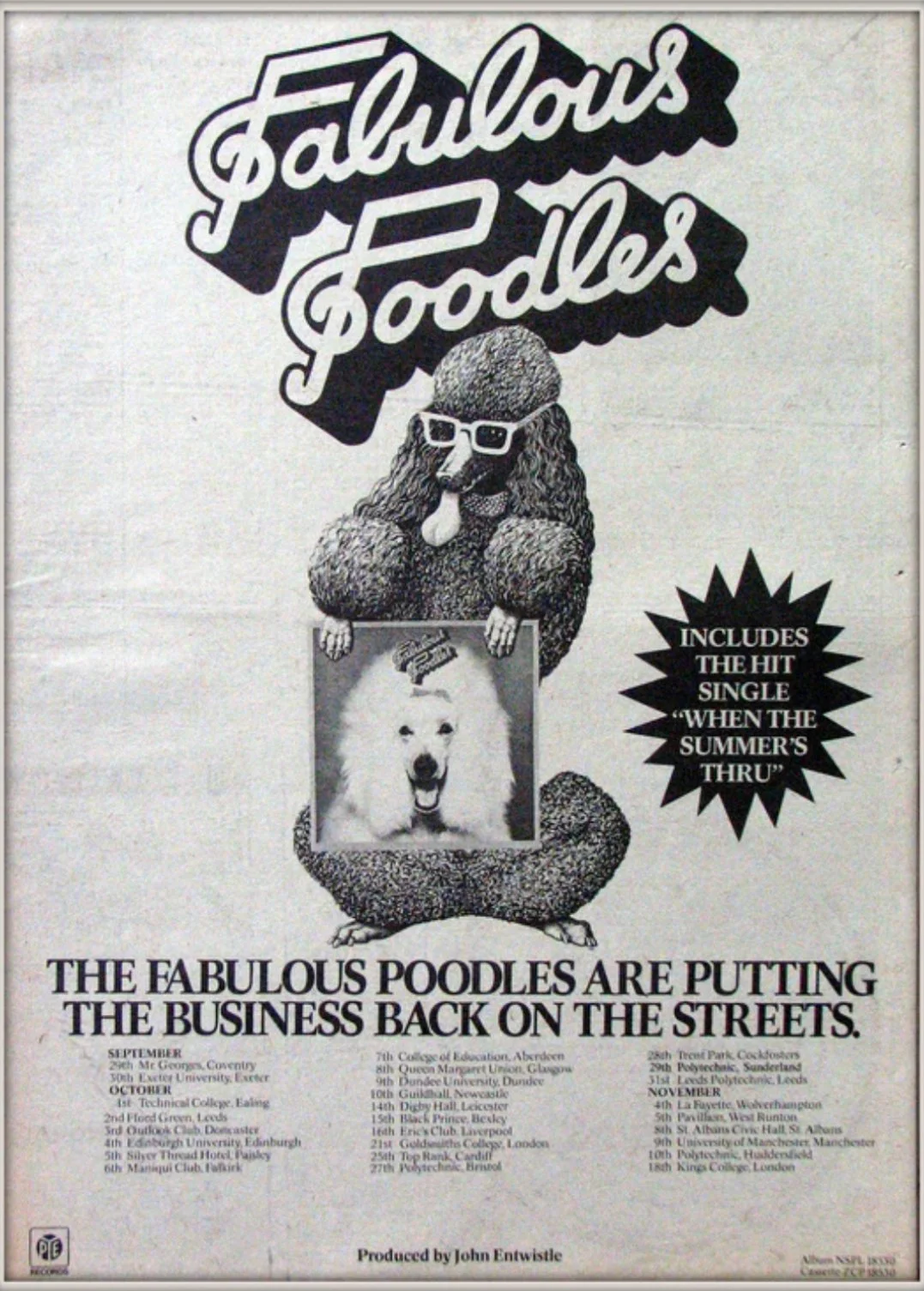
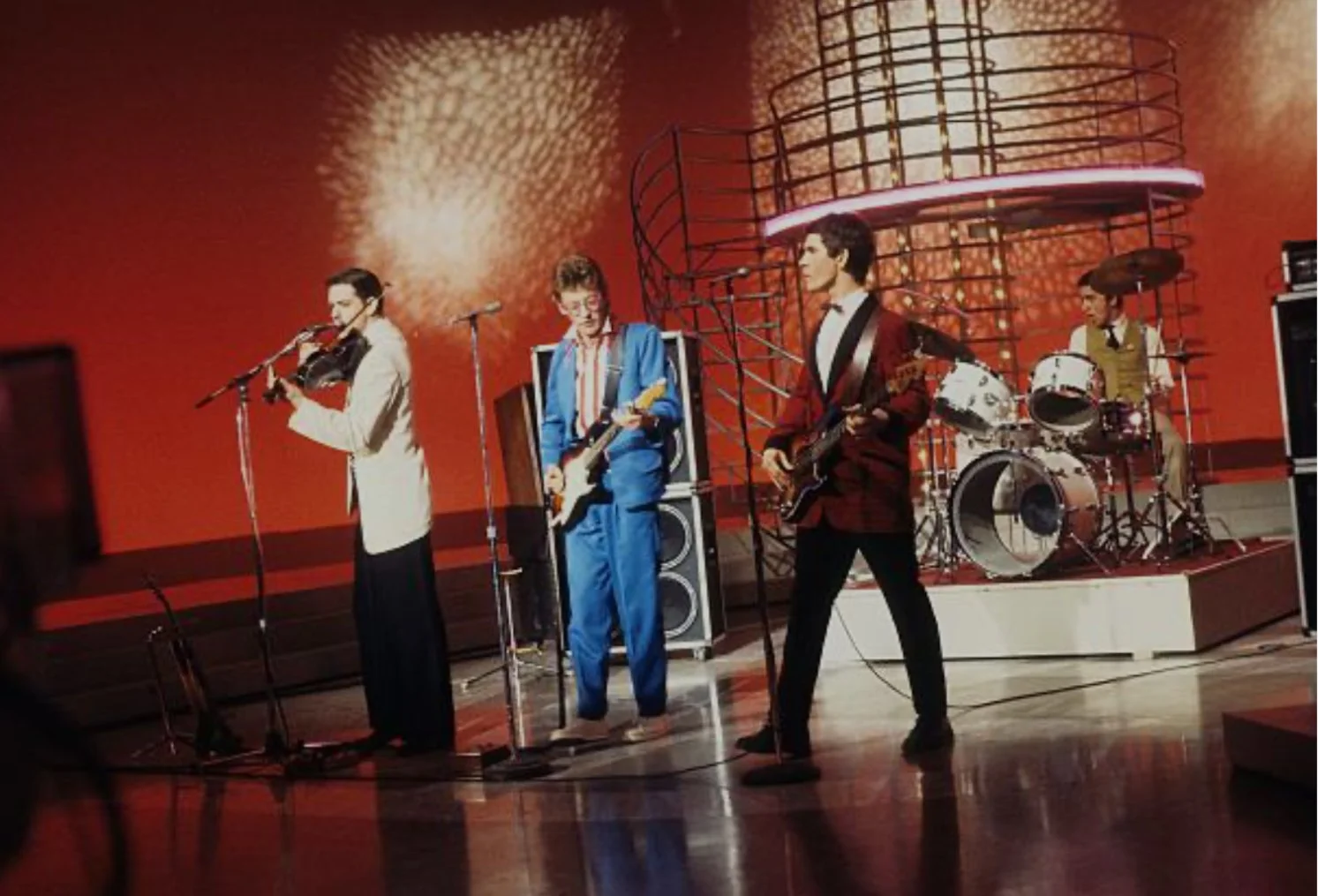
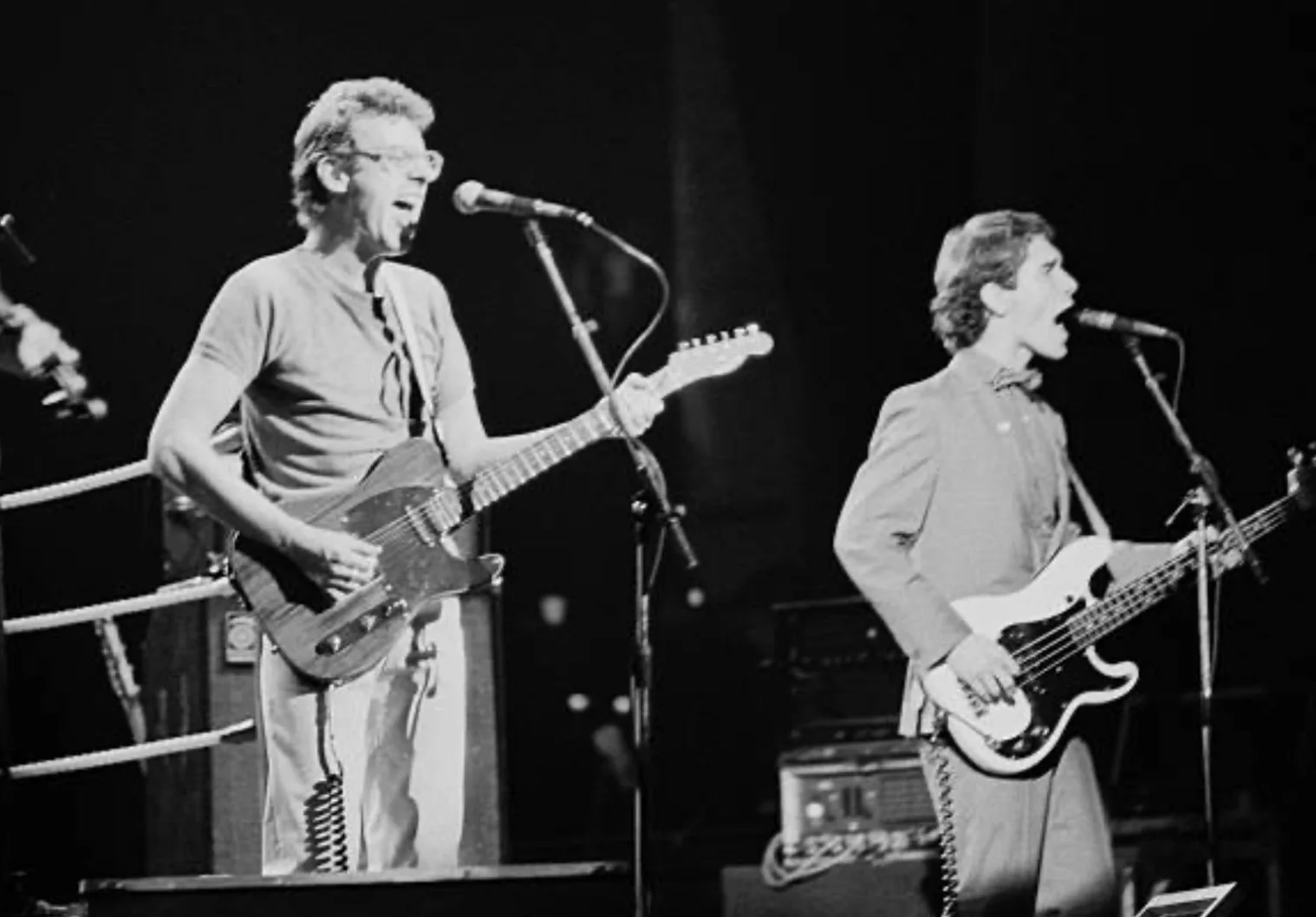
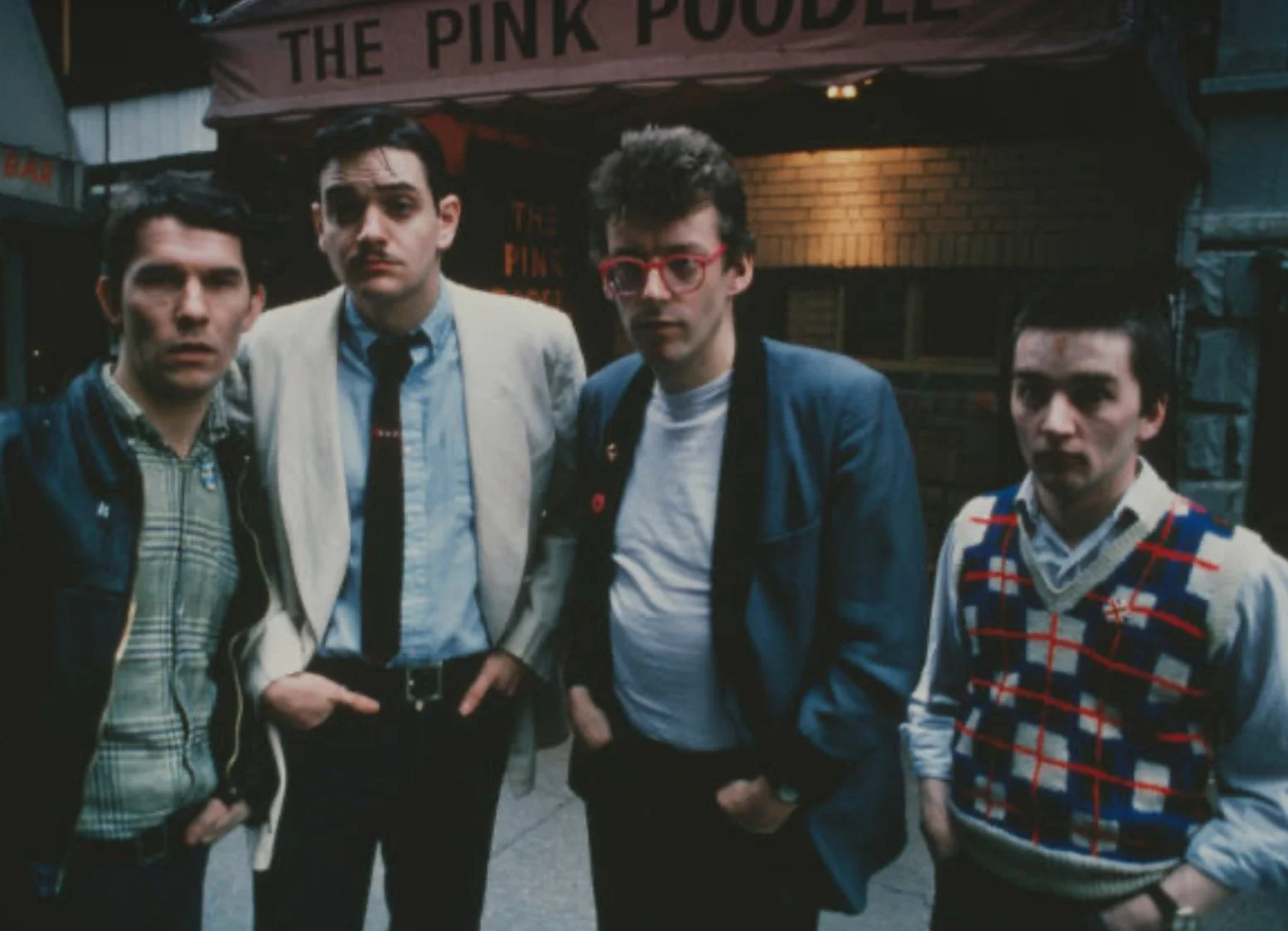
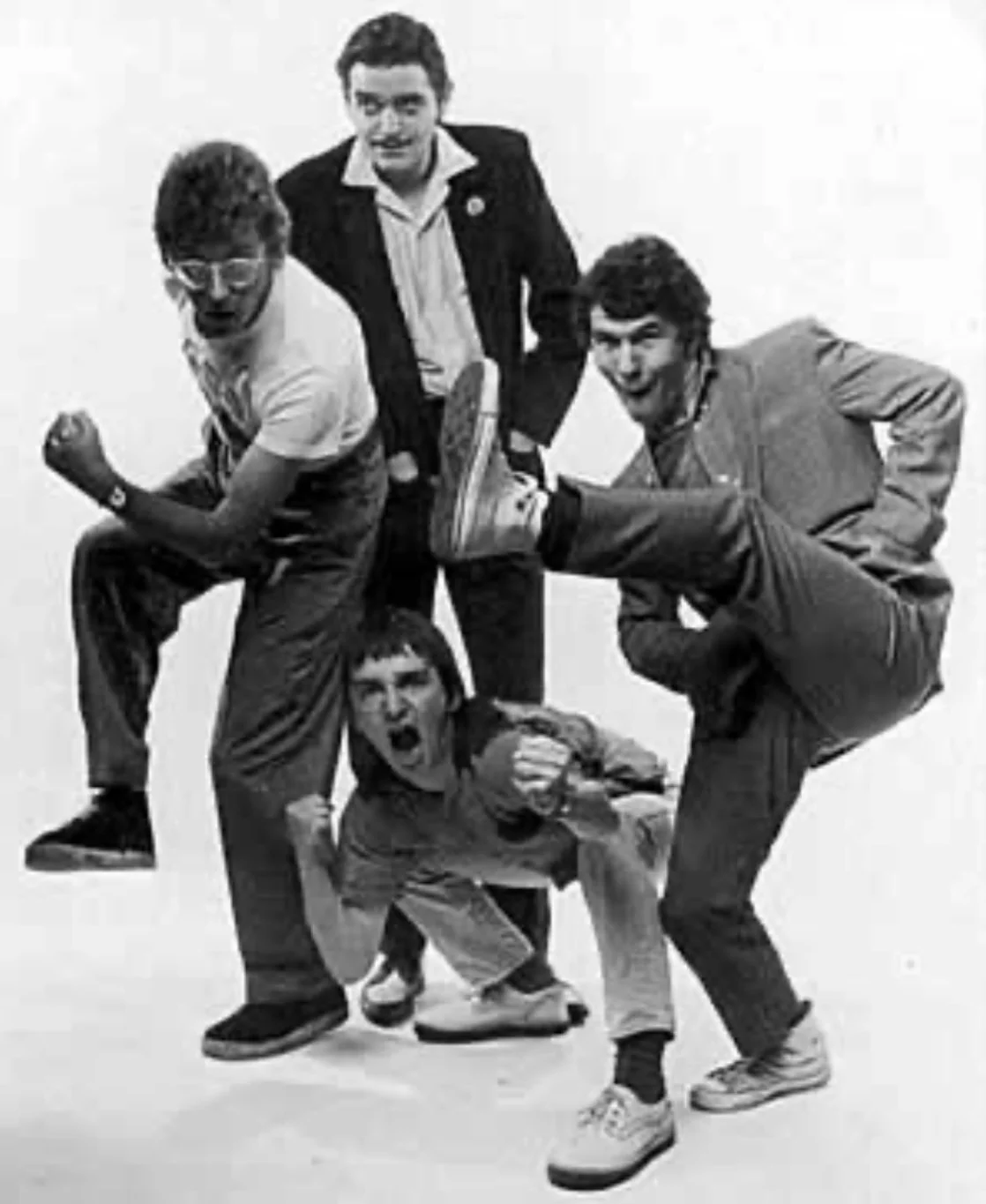
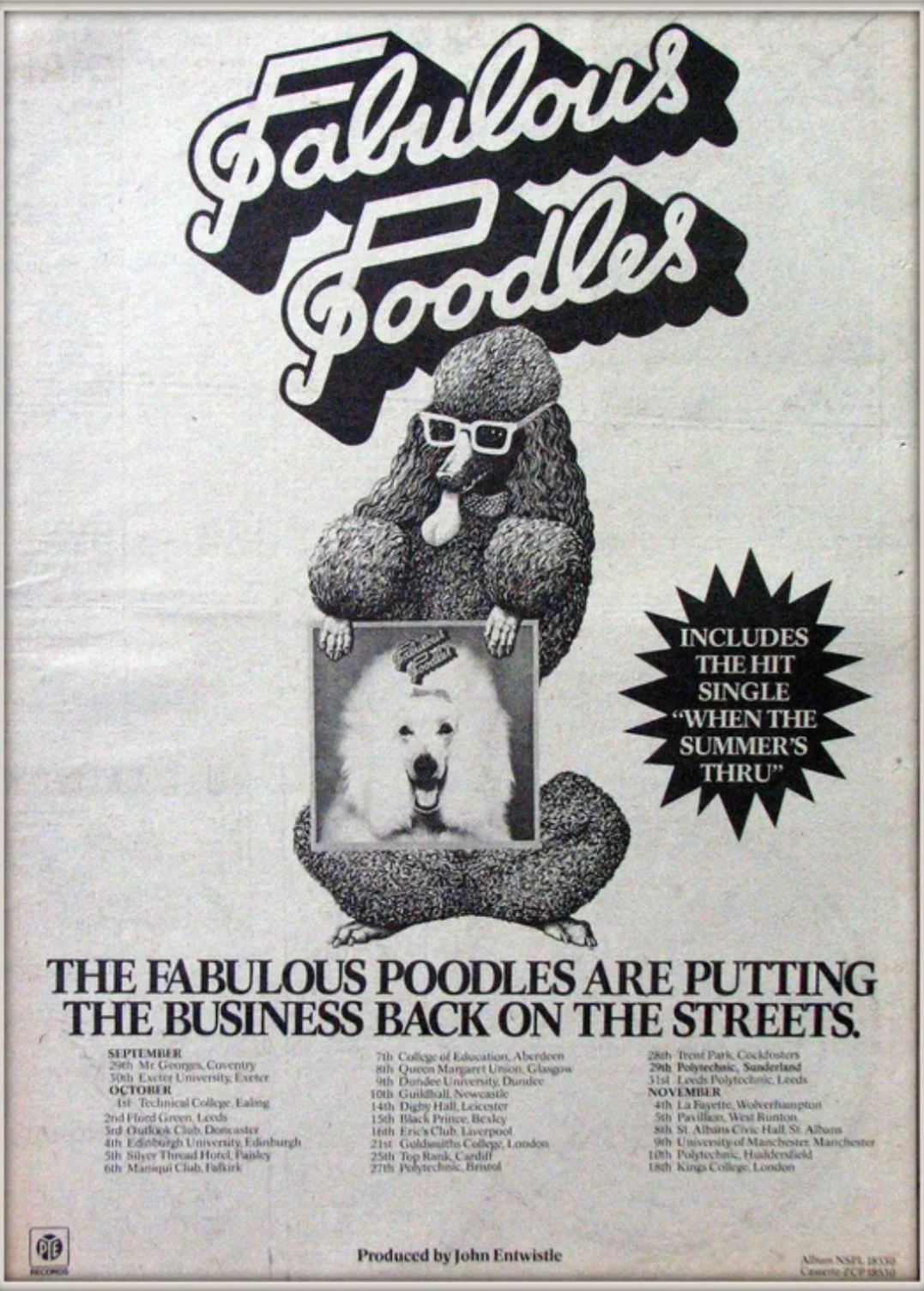
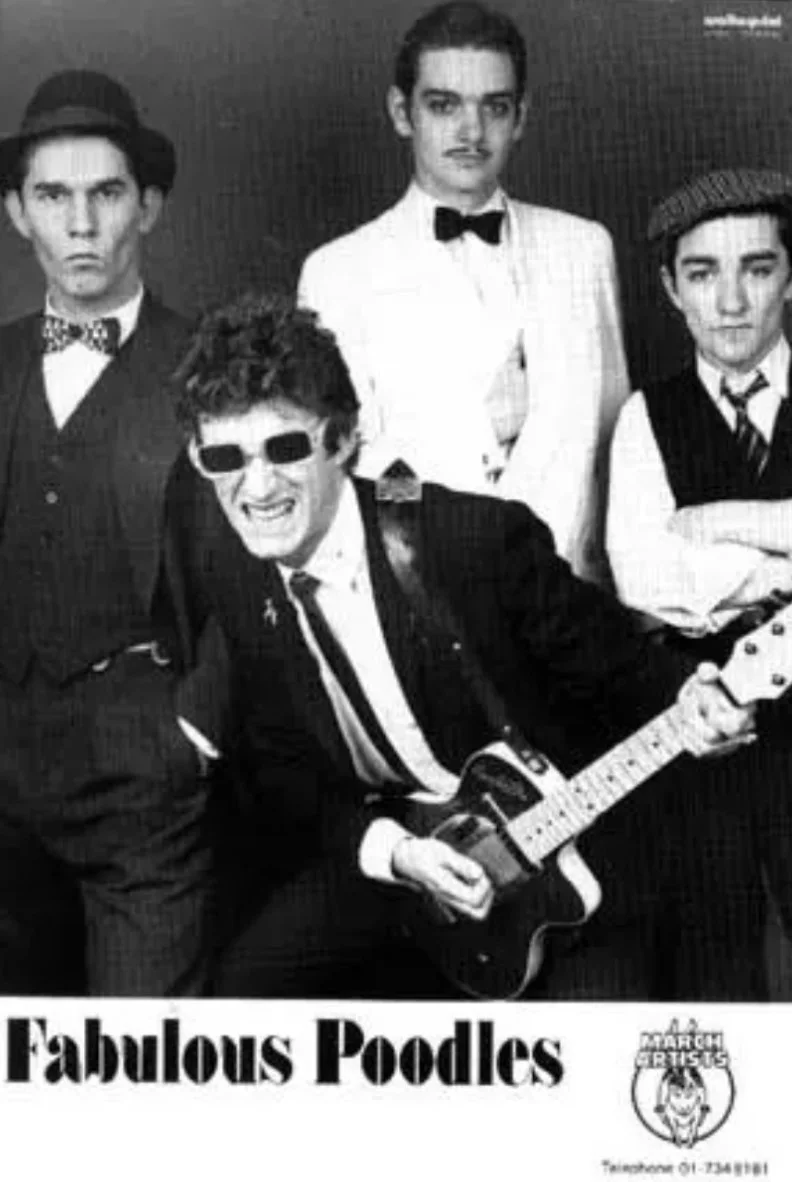
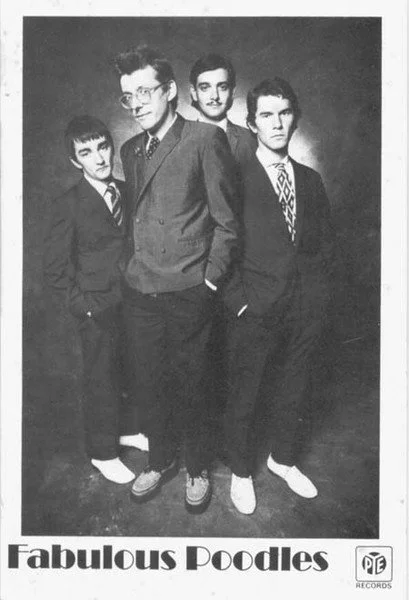
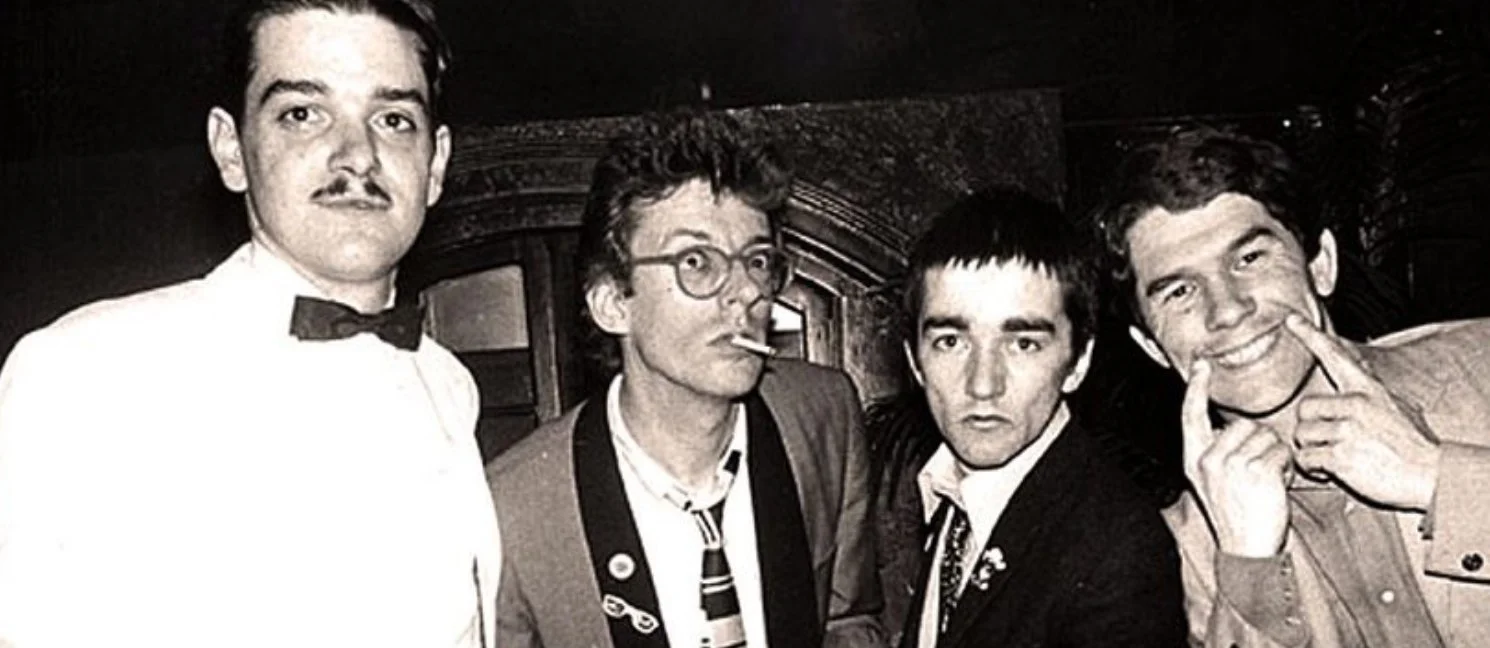
On This Day, 25 October 1977, pre-new wave rock band Fabulous Poodles played Cardiff’s Top Rank. The band had recently released their John Entwisle produced debut album Fabulous Poodles.

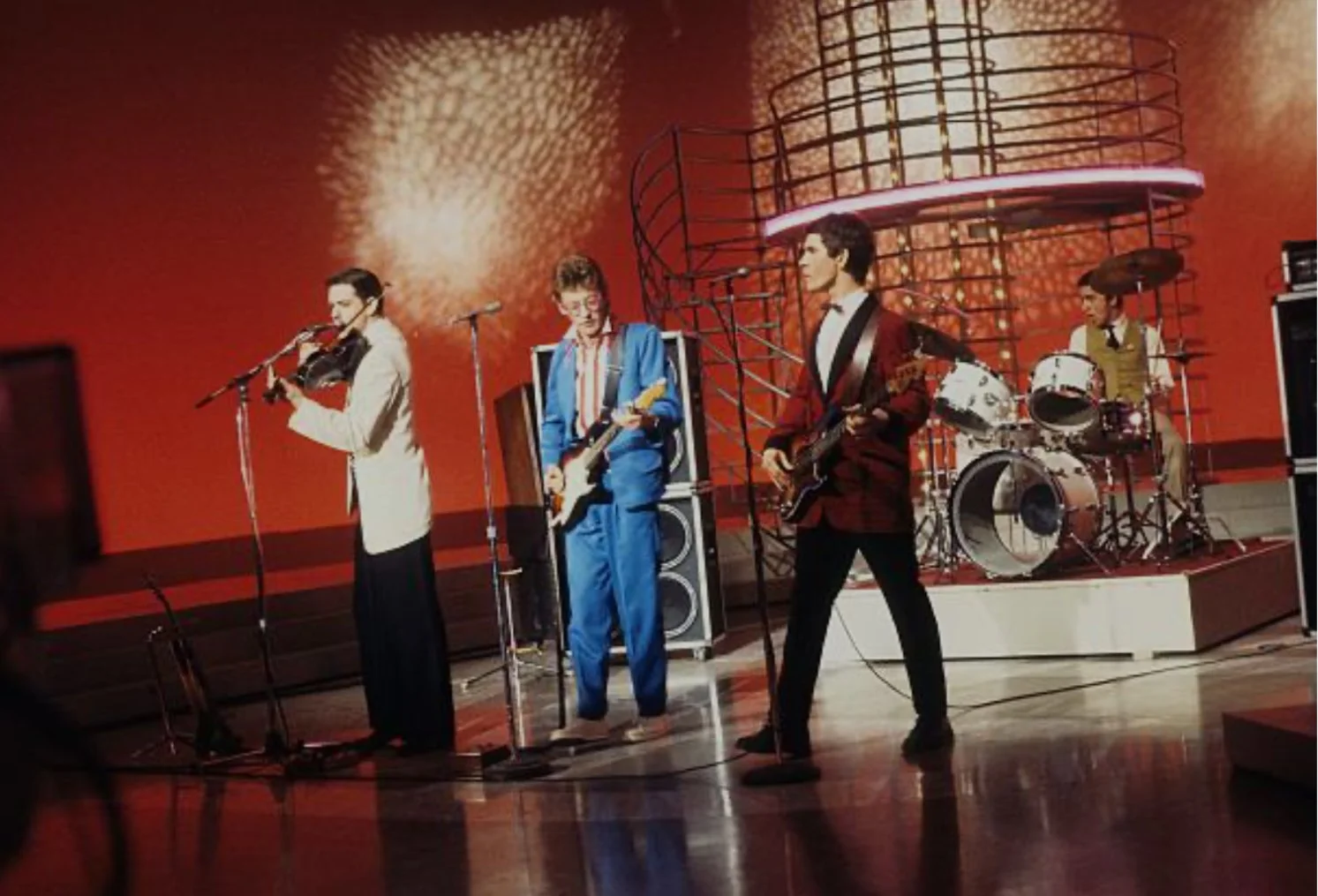
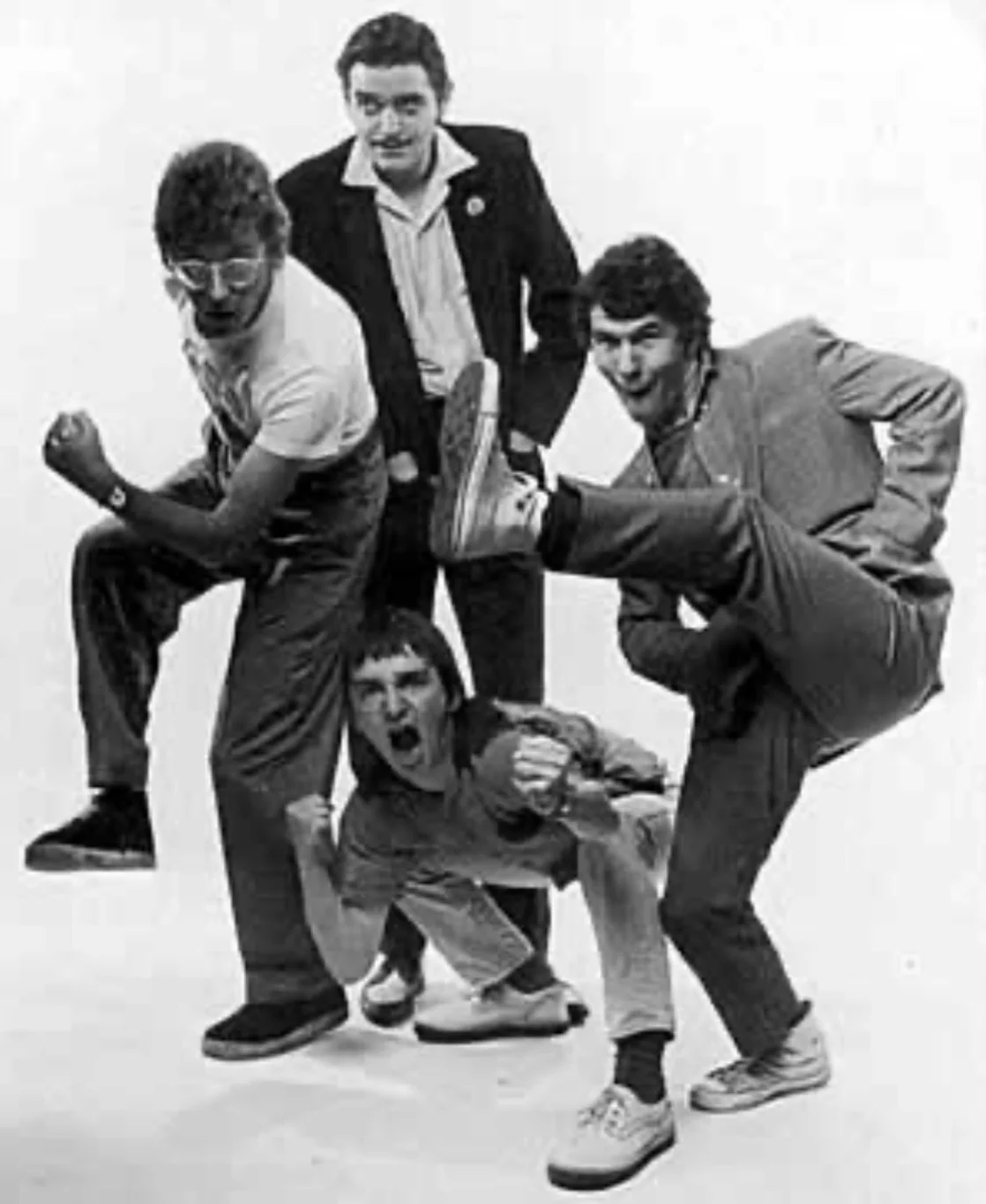
The Fabulous Poodles were a British pre-new wave band formed in 1975. Known for quirky stage antics, such as exploding ukuleles, as well as songs with funny lyrics, The Fabulous Poodles toured with Meat Loaf, Sha Na Na, Tom Petty, Bill Bruford and Chuck Berry (as backing band).

They appeared on the Old Grey Whistle Test and for a long time were music critic John Peel's favourite group. The band released three albums between 1977 and 1979 on Pye Records.One of more memorable acts to rise from the British new wave scene of the late '70s, the Fabulous Poodles combined a lean, rootsy sound (complete with fiddle) and bar band stomp with an insouciant energy and a very British sense of humor that won them a cult following in the U.K. and the U.S.

Originally a pub rock act known as the Poodles, they released their first album in 1977. While the debut and 1978's Unsuitable were only modestly successful at home, their American debut, Mirror Stars (featuring tracks from the first two albums) sold well thanks to heavy touring and radio play of the title track. While 1979's Think Pink was musically strong, it didn't match the success of Mirror Stars, and in 1980 the band folded, though occasional reissues of its catalog kept the group's legacy alive

The Fabulous Poodles began life simply as the Poodles, a band active on the U.K. pub rock circuit. Formed in London in 1974, the Poodles featured Tony de Meur on lead vocals and guitar; Jon Bentley on bass and vocals; Bob Suffolk on piano; Bobby Valentino on violin, mandolin, and vocals; and Gordon Coxon on drums. (John Parsons, while never a proper member of the Poodles, would contribute songwriting to the group throughout its career.)

The Poodles earned a reputation for their eccentric live shows, featuring a strong dose of comedy and the use of props on-stage, and they landed a one-off record deal with Private Stock Records, which issued "Chicago Boxcar (Boston Back)" b/w "Love and Sorrow" in early 1975. The single flopped, and Bentley, Suffolk, and Coxon left the group (Suffolk went on to a successful career designing recording studios).

Bringing aboard a new rhythm section -- bassist Richie Robertson and drummer Bryn Burrows -- the group soldiered on as the Fabulous Poodles, and as punk and new wave became the latest news in British rock, their offbeat style and quirky humor found a context where they fit in.

In 1977, they signed with Pye Records, and their debut album, simply titled The Fabulous Poodles and produced by John Entwistle of the Who, appeared later that year. While the album received a positive review from rock critic and DJ John Peel and earned the band a spot on the BBC music series The Old Grey Whistle Test (where the group's antics managed to outrage host Bob Harris), the album didn't fare well commercially, despite extensive touring in the U.K. and Europe.