On this day 28/11/1975 Supertramp

Images may be subject to copyright

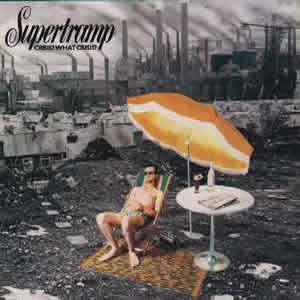
On this day, 28 November 1975, rock band Supertramp played Cardiff’s Capitol Theatre on the band’s Crisis? What Crisis? Tour with support provided by Joan Armatrading and The Movies.

Crisis? What Crisis? is the band’s fourth album was included on Record Mirror’s on its end-of-year list for 1975, recognising the best albums of the year.
Formed in London, England in mid 1969. Marked by the individual songwriting of founders Roger Hodgson (vocals, keyboards, and guitars) and Rick Davies (vocals and keyboards), they are distinguished for blending progressive rock and pop styles as well as for a sound that relied heavily on Wurlitzer electric piano.

The band were initially a prog-rock group, but starting with their third album, Crime of the Century (1974), they began moving towards a more pop-oriented sound.

The followup Crisis? What Crisis? had to be recorded in the few months between two scheduled concert tours. As a consequence, most of the material consisted of leftover songs from Crime of the Century, and decades later the band would continue to regard the album as one of their worst moments.

Nevertheless, Hodgson said in a 2015 interview that Crisis? What Crisis? was his favourite Supertramp album.

On this day 27/11/1970 Pink Faries

On this day, 27 November 1980, rock band the Pink Fairies, played Cardiff University.

Initially active in the London (Ladbroke Grove) underground and psychedelic scene of the early 1970s. They promoted free music, drug use, and anarchy, and often performed impromptu gigs and other stunts, such as playing for nothing outside the gates at the Bath and Isle of Wight pop festivals in 1970, as well as appearing at Phun City, the first Glastonbury and many other free festivals including Windsor and Trentishoe.

Playing for free in June 1970 outside the Bath Festival, they encountered another Ladbroke Grove based band, Hawkwind, who shared similar interests in music and recreational activities. A friendship developed which would lead to the two bands becoming running partners and performing as Pinkwind. Sensationalist coverage in the (Mick Farren edited) International Times solidified their rebel reputation.

Polydor Records commissioned the group to record a single, "The Snake" / "Do It", and were happy enough with the results to offer the group an album contract. The debut album Never Never Land was released in 1971.

On this day 26/11/1980 Stray Cats

Images may be subject to copyright

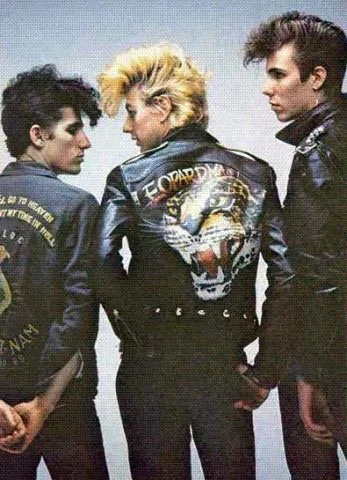
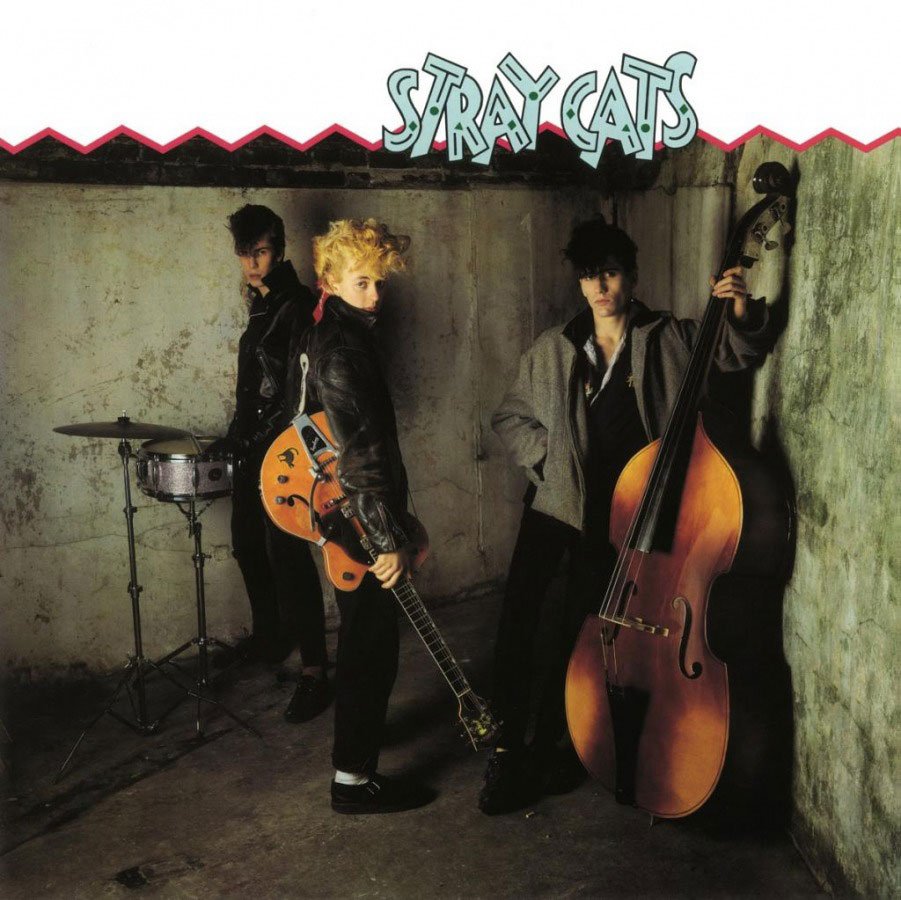
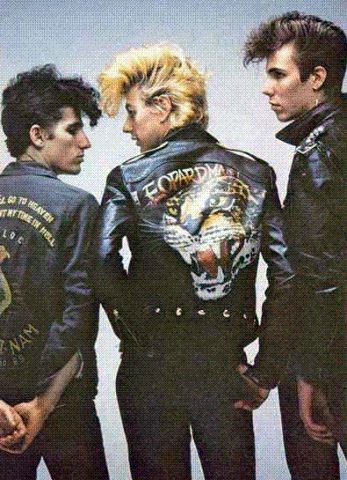
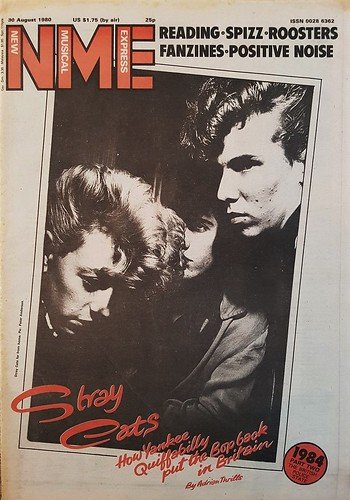
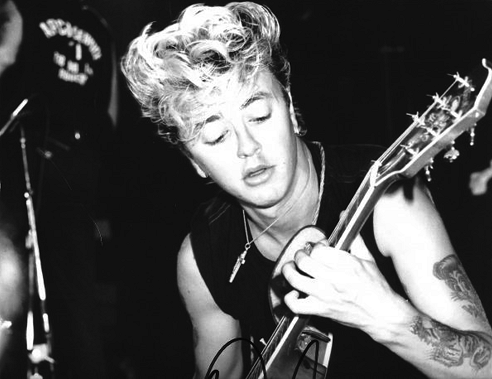
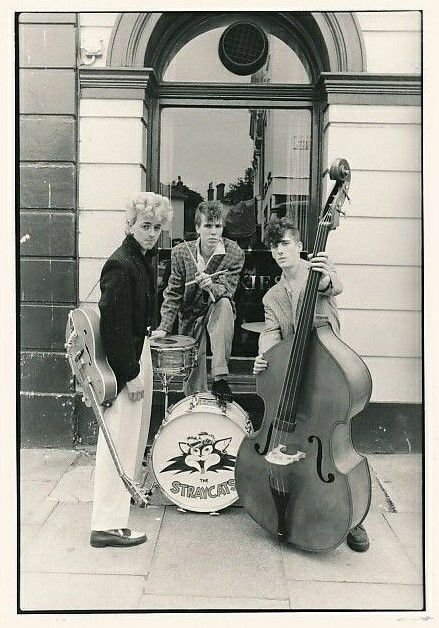
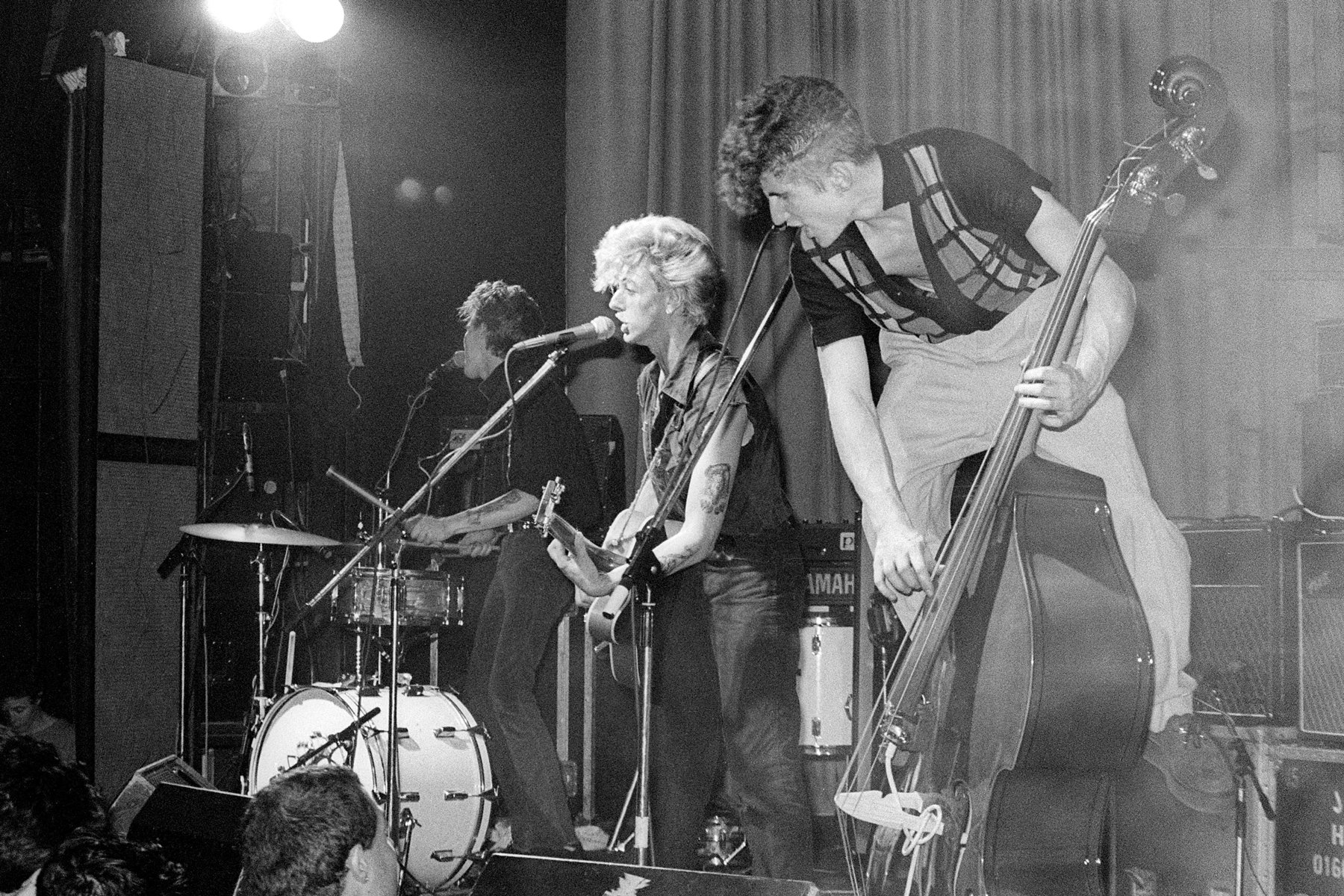
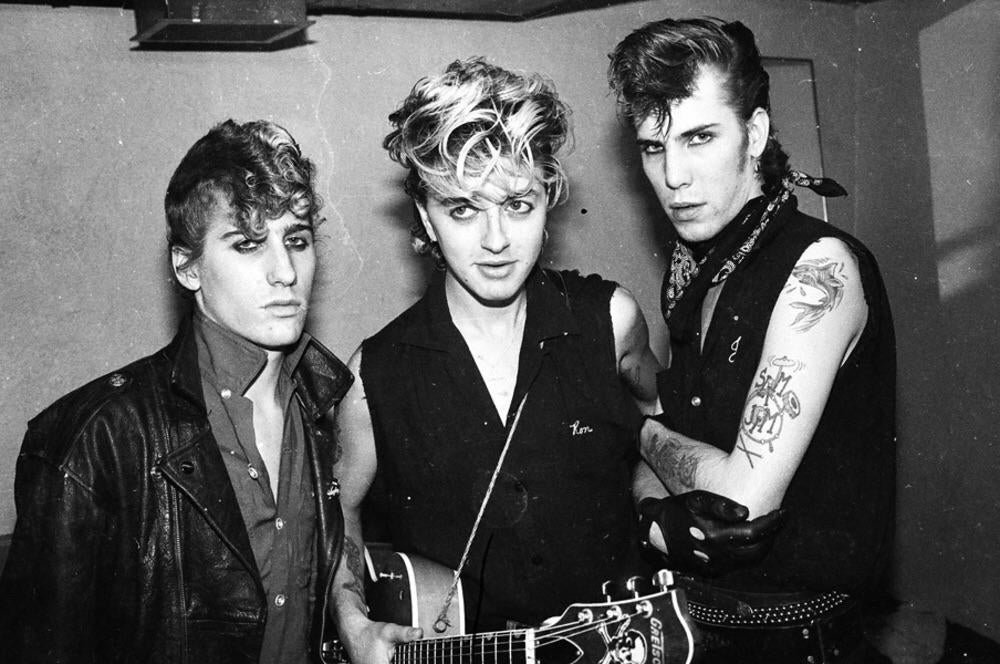
On this day, 26 November 1980, American rockabilly band Stray Cats, played Cardiff’s Casablanca Club.

The group, whose style was based upon the sounds of Sun Records artists and other artists from the 1950s, were heavily influenced by Eddie Cochran, Carl Perkins, Gene Vincent, and Bill Haley & His Comets.

The band first appeared in the middle of 1979 performing under a number of names including the Tomcats, the Teds, and Bryan and the Tom Cats. According to Brian Setzer, the band changed names to fool club owners (who would not hire the same band for consecutive nights), but kept the "Cats" moniker in their various names so the audience would know they were the same band. Setzer joined up with Phantom, and they soon added Phantom's schoolmate and friend, Lee Rocker.

In the middle of 1980, the Cats found themselves being courted by record labels including Virgin Records, Stiff Records, and Arista Records. Word quickly spread and soon members of The Rolling Stones, The Who, and Led Zeppelin were at their shows.

After a gig in London, Stray Cats met Cardiff-born musician and producer Dave Edmunds, well known as a roots rock enthusiast for his work with Rockpile and as a solo artist.

Edmunds offered to work with the group, and they entered the studio to record their self-titled debut album, Stray Cats, released in Britain in 1981 on Arista Records.

On this day 25/11/1974 Jethro Tull

Images may be subject to copyright

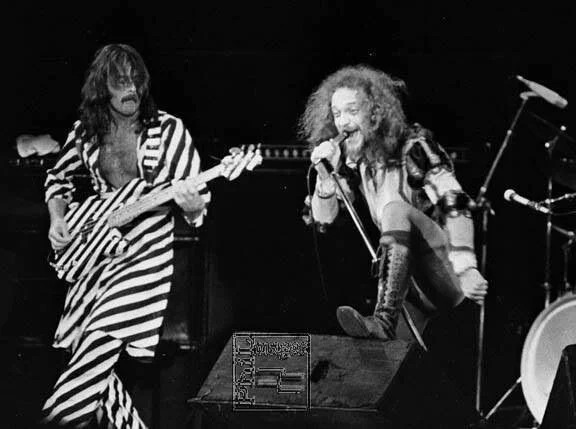
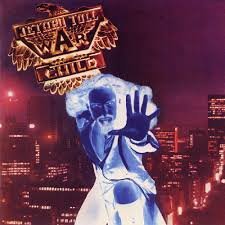
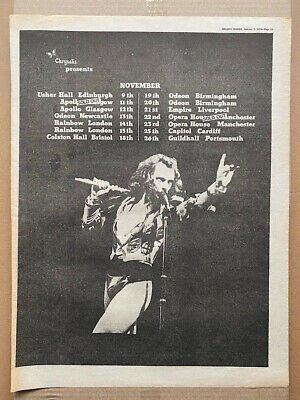
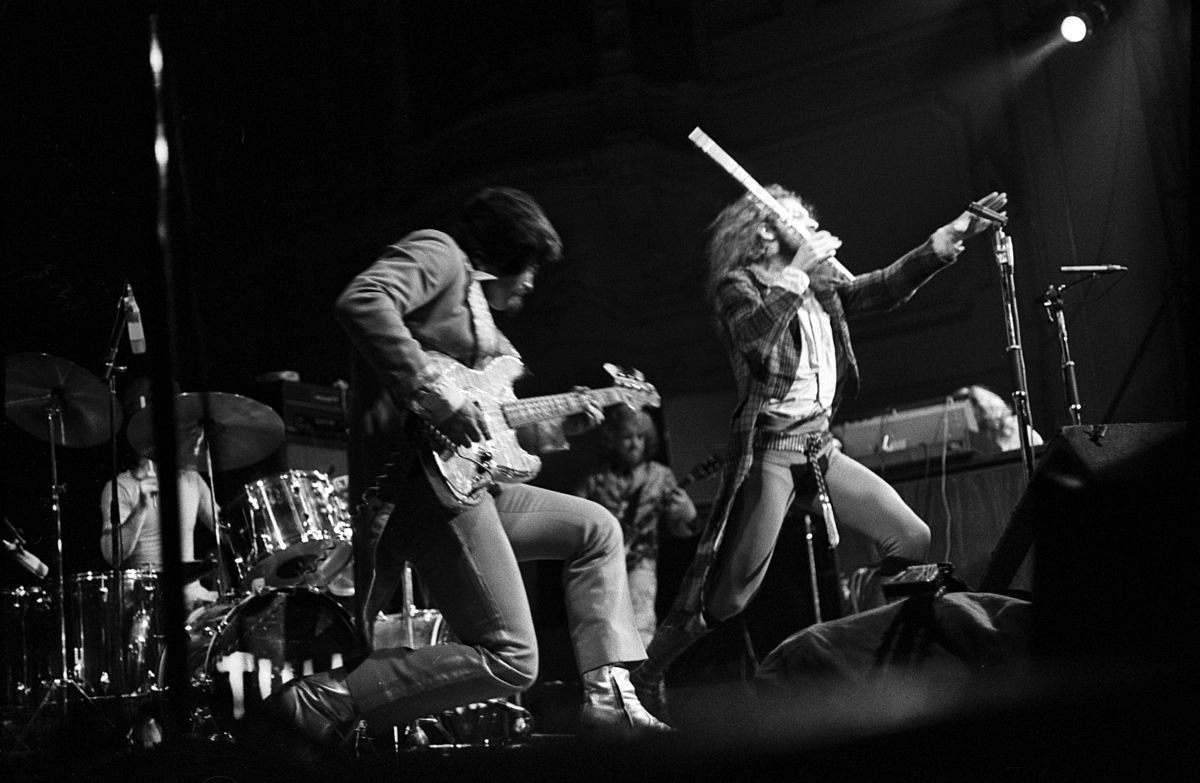
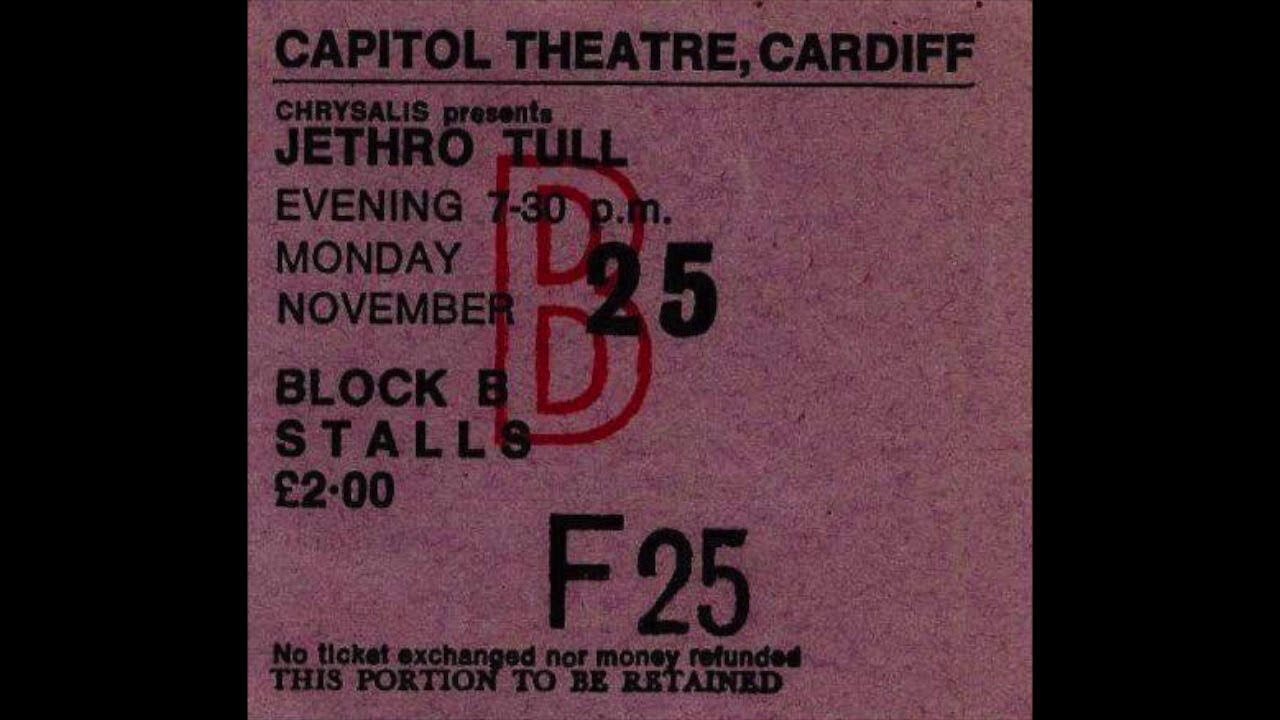
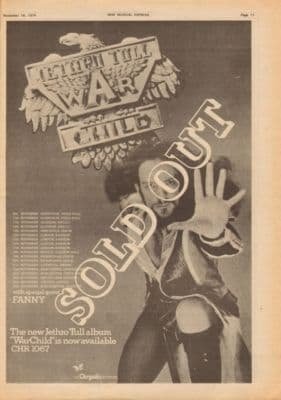
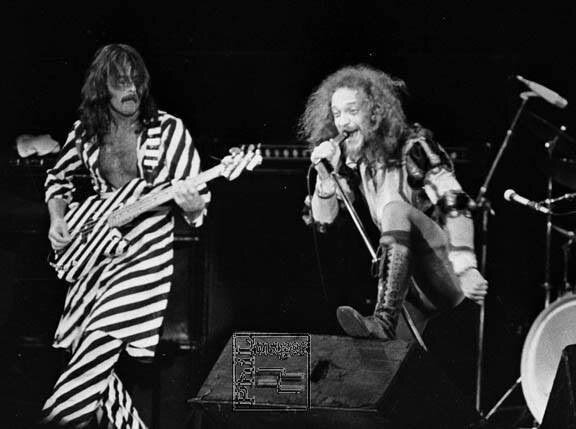
On this day, 25 November 1974, prog rockers Jethro Tull played Cardiff’s Capitol Theatre on the band’s War Child tour.

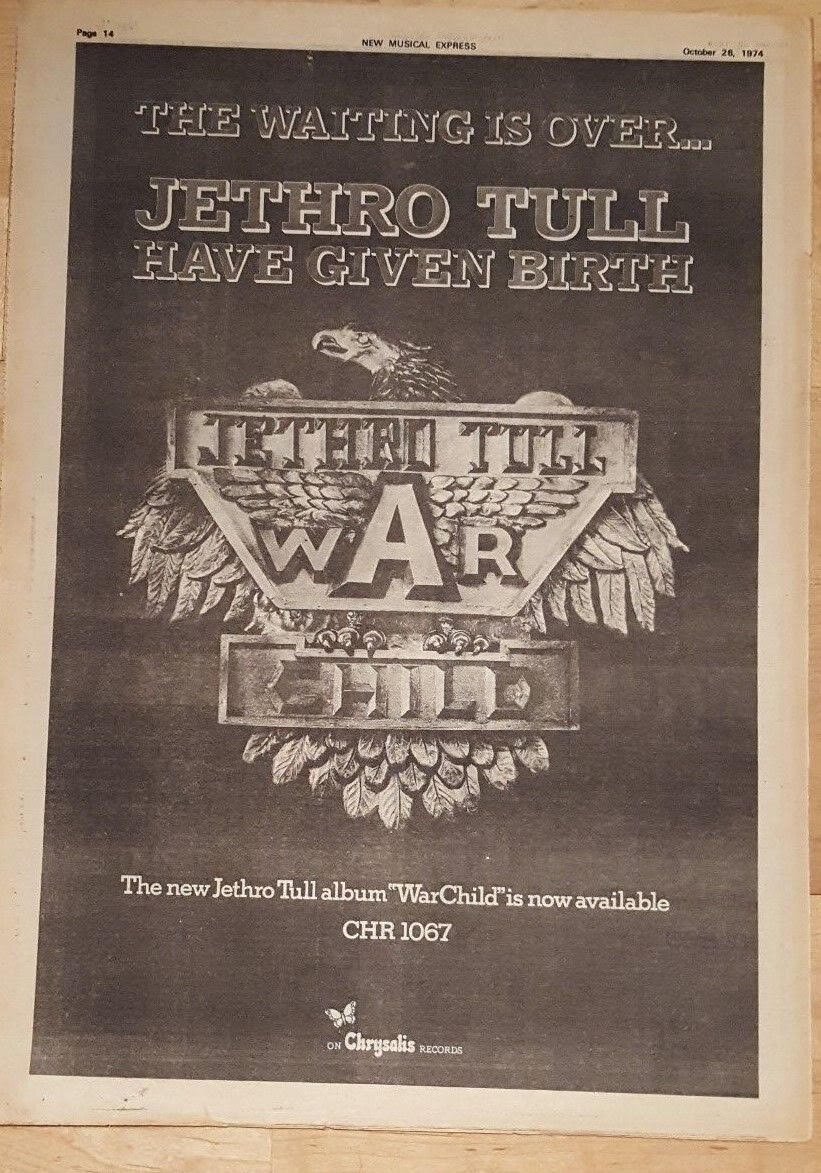
War Child was the seventh studio album by the band, released in October 1974. It was released almost a year and a half after the release of A Passion Play.

The turmoil over criticism of the previous album surrounded the production of War Child, which obliged the band to do press conferences and explain their plans for the future.

Originally meant to accompany a film project (the album was planned as a double-album set), it was reinstated as a ten-song, single-length rock album after failed attempts to find a major movie studio to finance the film.

The "War Child" movie was written as a metaphysical black comedy concerning a teenage girl in the afterlife, meeting characters based on God, St. Peter and Lucifer portrayed as shrewd businessmen. Notable British actor Leonard Rossiter was to have been featured, Margot Fonteyn was to have choreographed, while Monty Python veteran John Cleese was pencilled in as a "humour consultant".

Formed in Blackpool, England in 1967. Initially playing blues rock and jazz fusion, the band soon incorporated elements of classical music, hard rock and folk, forging a signature progressive rock sound.

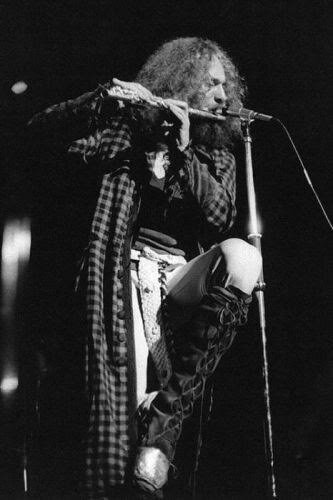
The group’s bandleader and primary composer is Ian Anderson, a multi-instrumentalist who mainly plays flute and acoustic guitar, and is also the lead vocalist.

On this day 24/11/1988 Billy Bragg/Michelle Shocked

Images may be subject to copyright

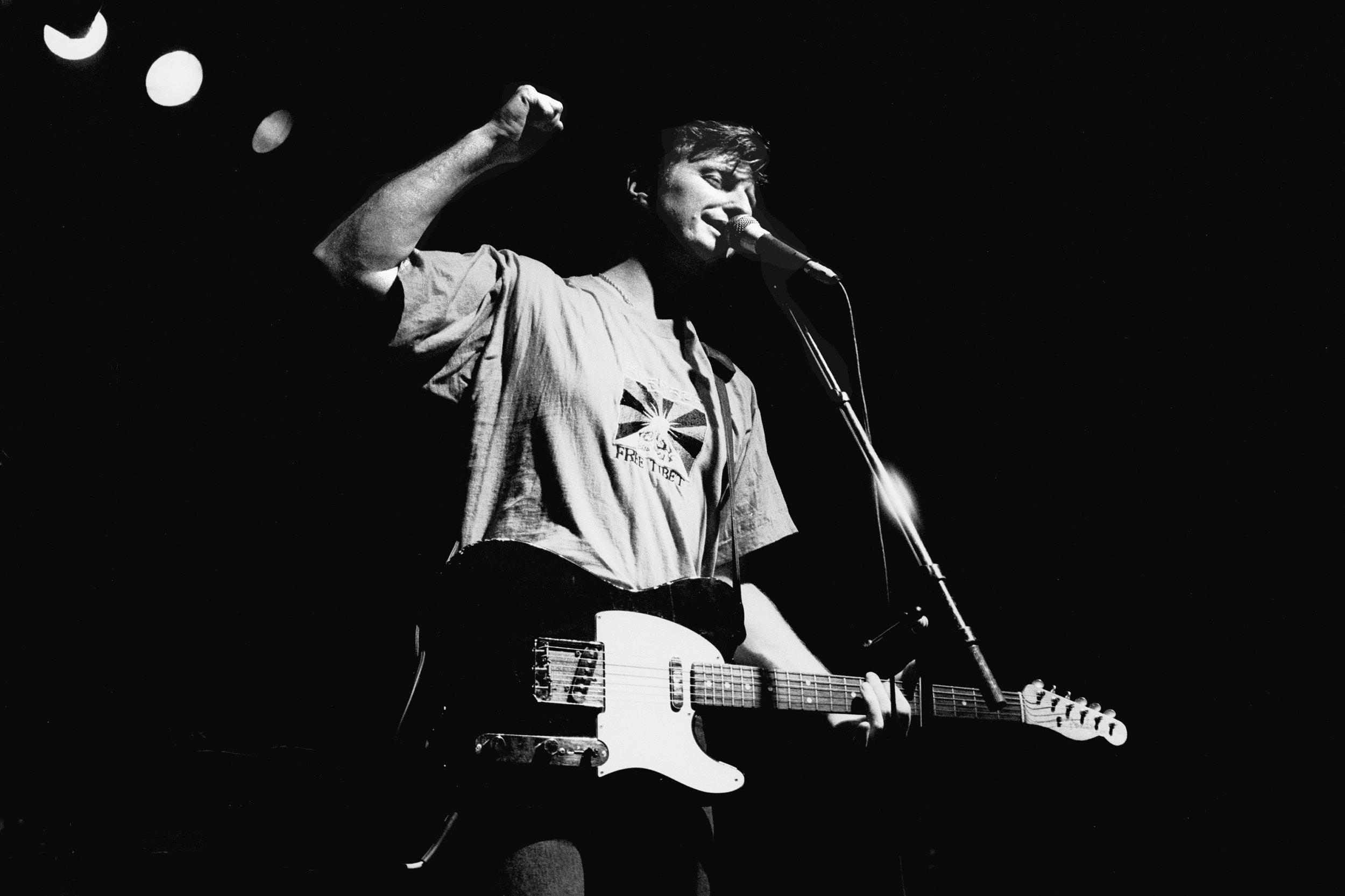
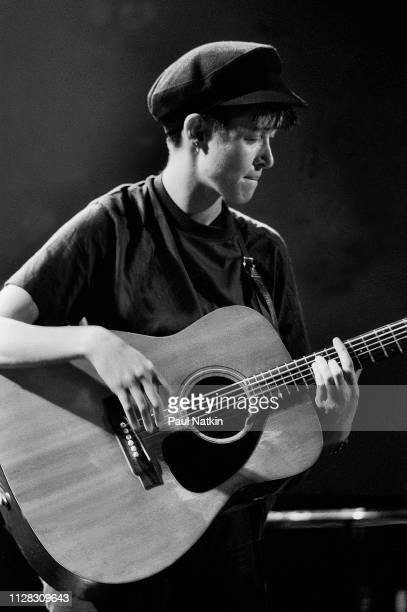
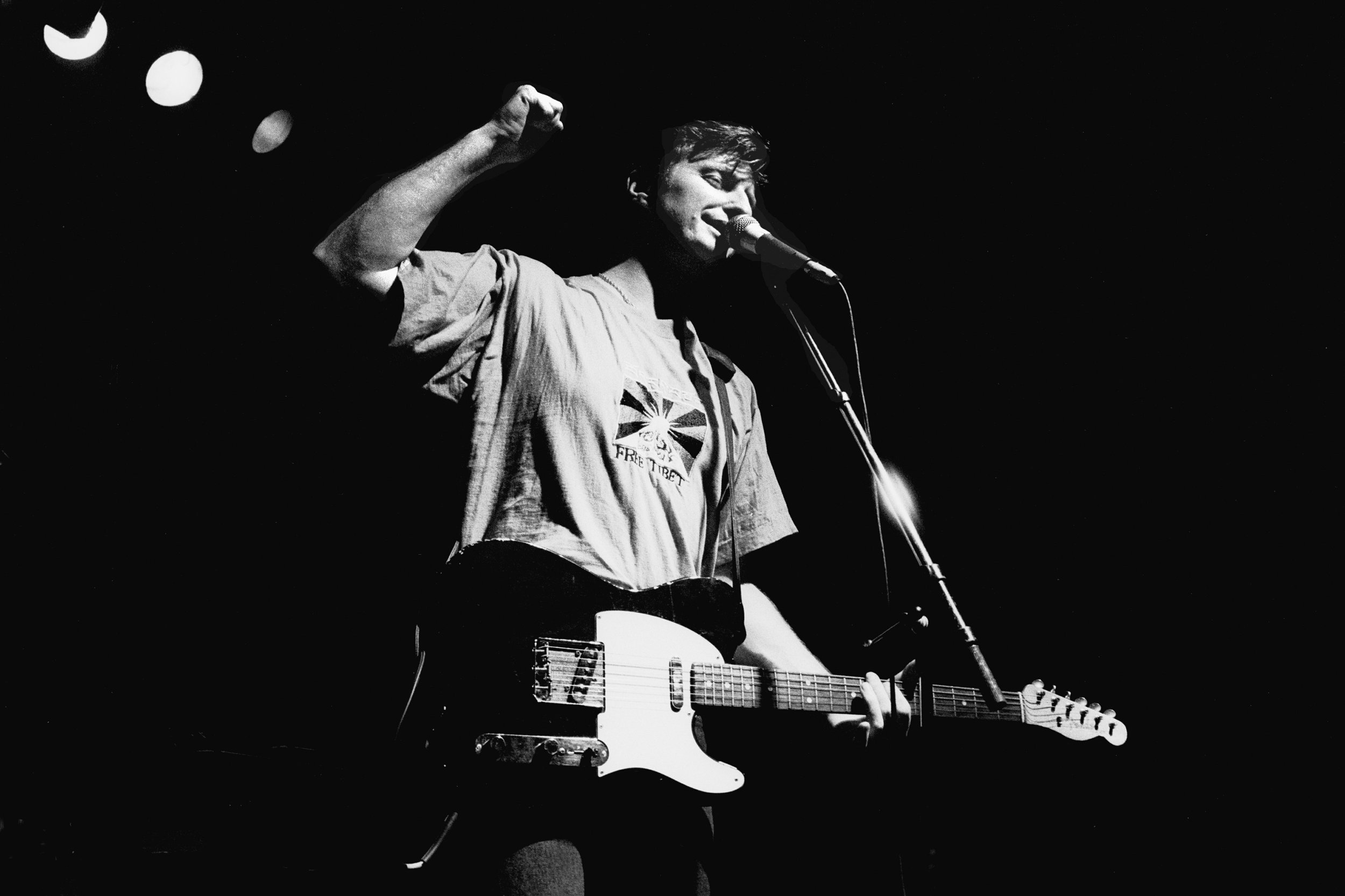
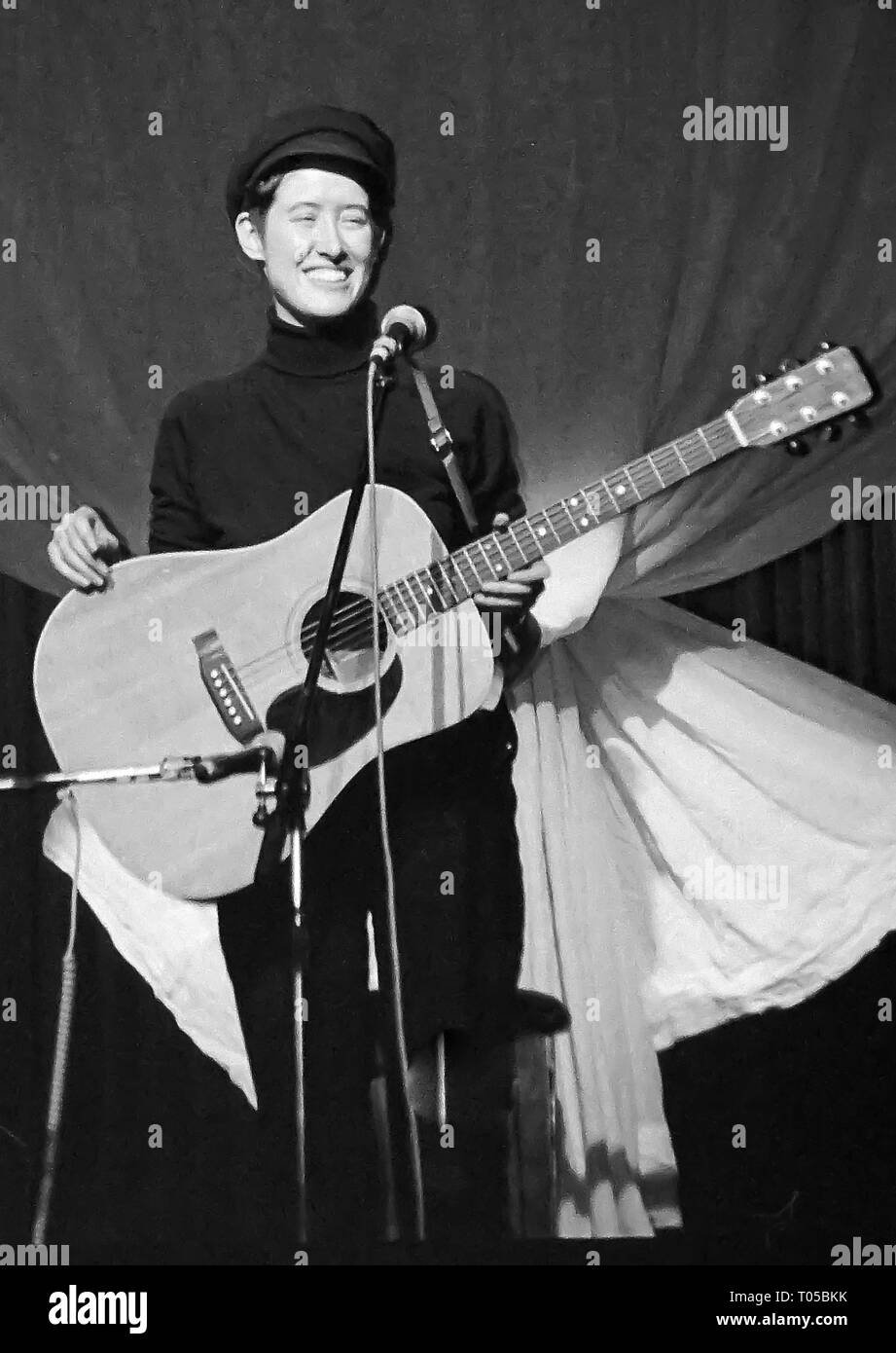
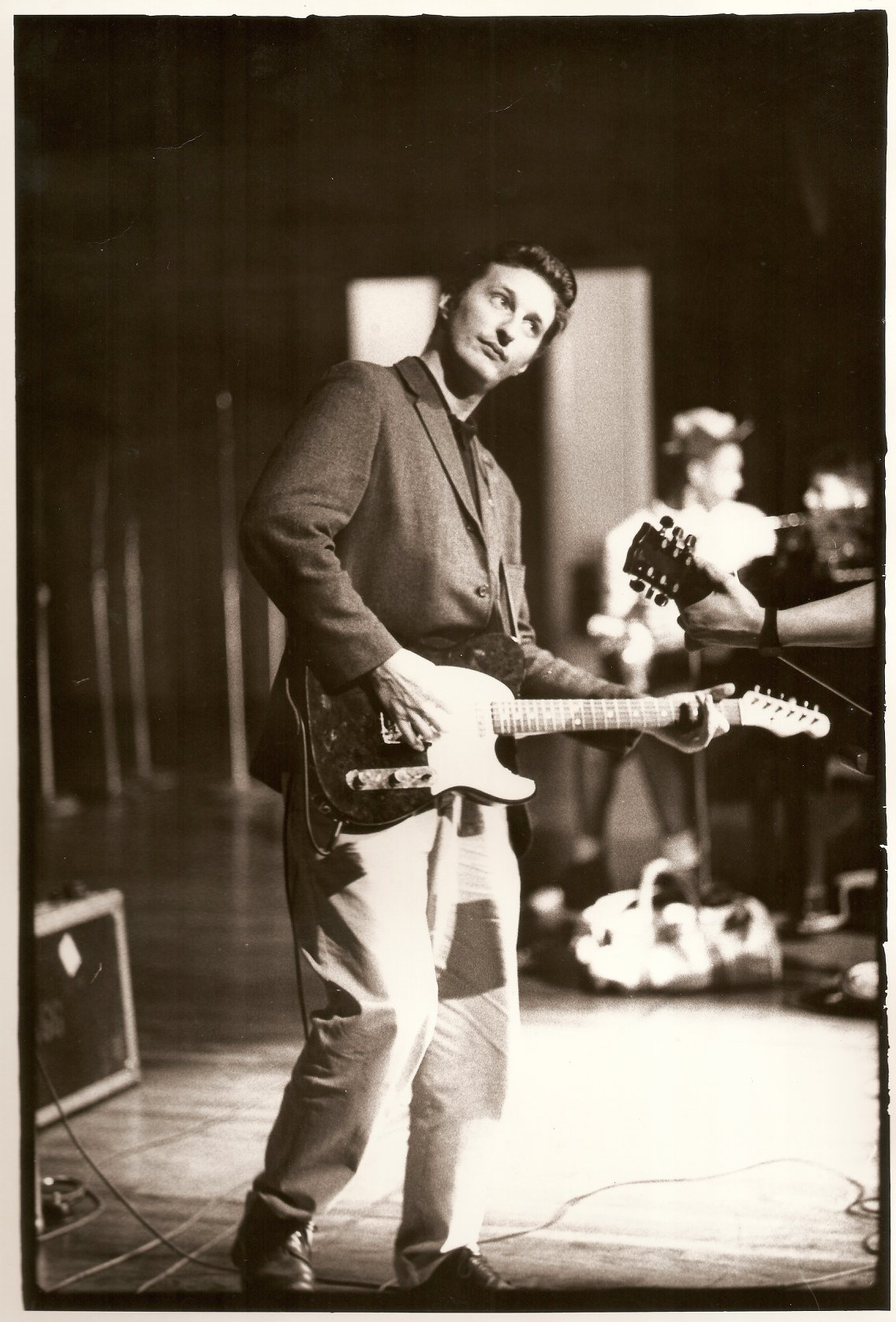
On this day, 24 November 1988, singer songwriters Billy Bragg and Michelle Shocked played Cardiff’s St David’s Hall.

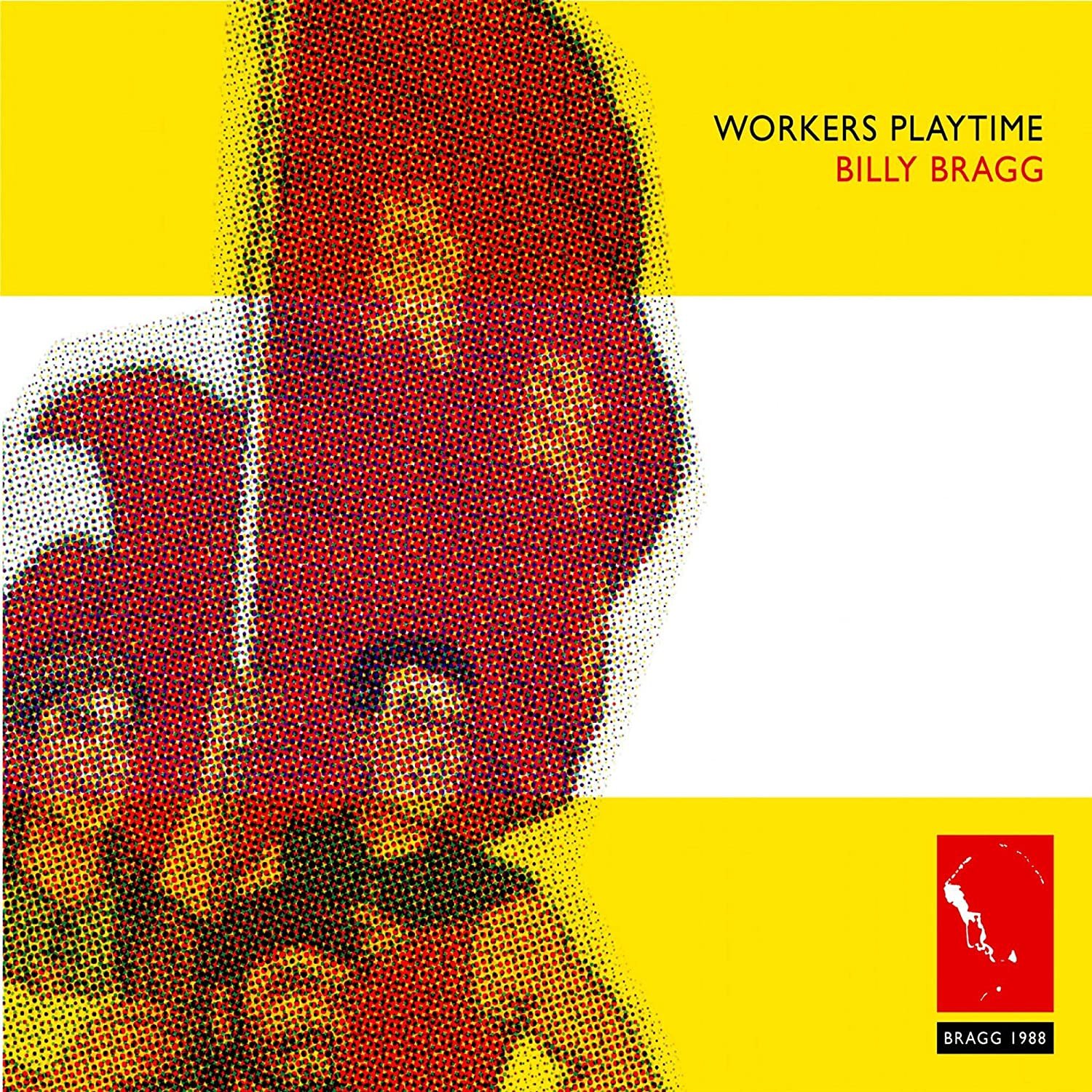
Bragg had released his fourth album, Workers Playtime, in September 1988. With this album, Bragg added a full backing band and accompaniment, including Tivey on piano, Danny Thompson on double bass and veteran Micky Waller on drums. Wiggy earned a co-production credit with Joe Boyd.

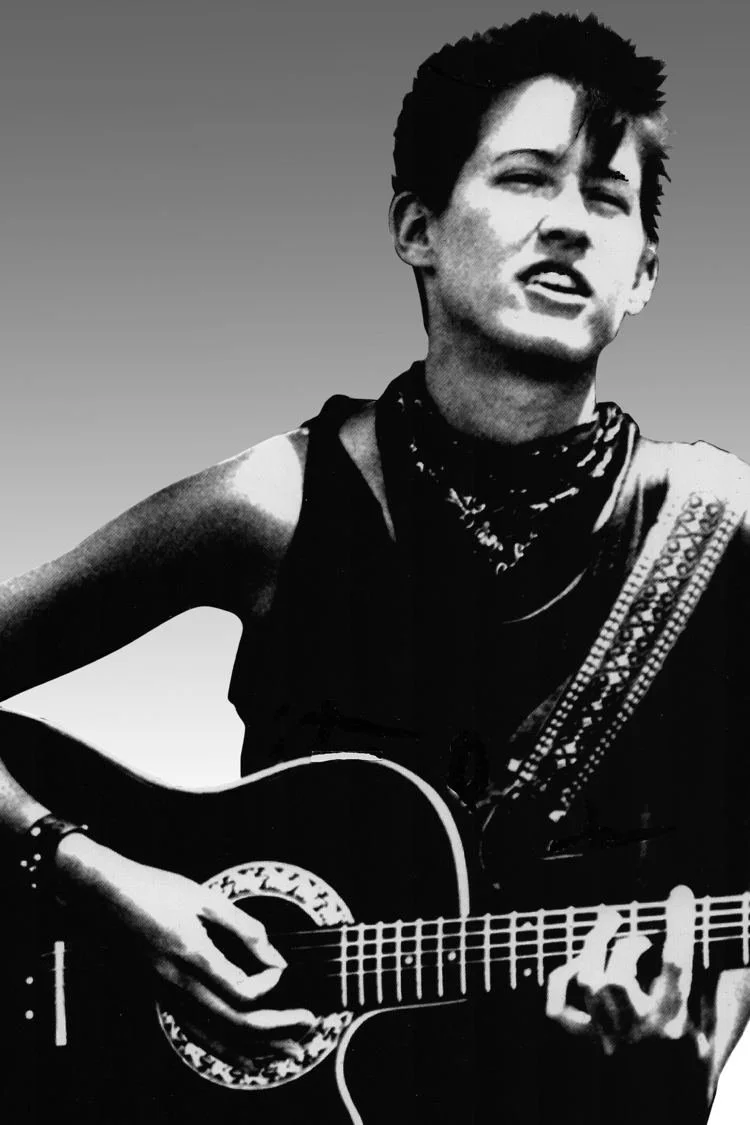
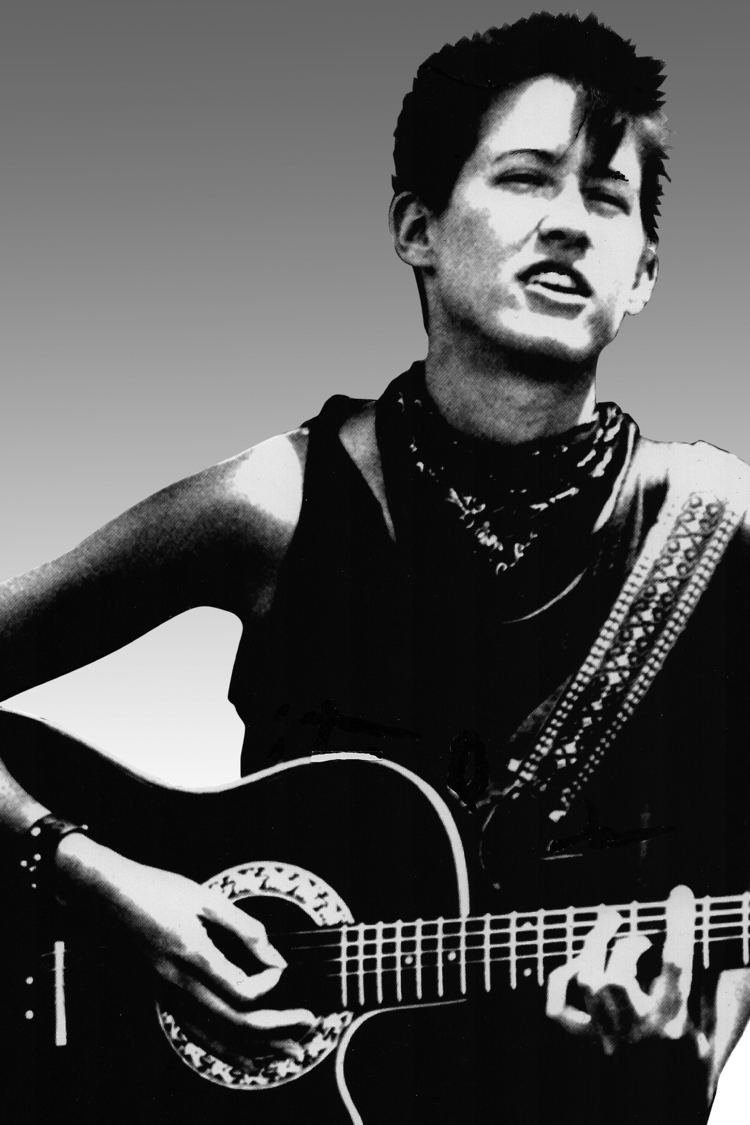
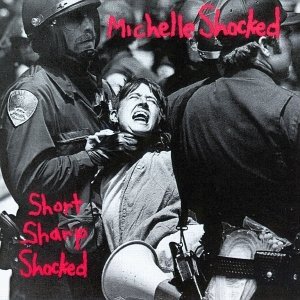
American singer Michelle Shocked had just released her second album Short Sharp Shocked. The photograph of Shocked that appears on the cover was taken by Chris Hardy of the San Francisco Examiner at a protest in San Francisco during the 1984 Democratic National Convention.

The 2003 re-issue de-contextualized the original photograph by closely cropping it to Shocked's face.

On this day 23/11/1972 Emerson, Lake & Palmer

Images may be subject to copyright

On this day, 23 November 1972, Progressive rock band giants Emerson, Lake & Palmer played Cardiff’s Capitol Theatre on the band’s Trilogy tour with two performances, supported by Jimmy Stevens.

Trilogy was the third studio album by the band, released in July 1972, by Island Records. The group had spent most of 1971 touring, which paused in September so they could record a new album at Advision Studios with Eddy Offord resuming his role as engineer. The album features "Hoedown", an arrangement of Aaron Copland's ballet composition which became a live favourite.

The album was a commercial success, reaching No. 2 on the UK Albums Chart and No. 5 on the US Billboard 200. Lake's acoustic song, "From the Beginning", was released as a single in August 1972 and became the band's highest charting US single, reaching No. 39. Lake picked Trilogy as his favourite Emerson, Lake & Palmer album.

The artwork was designed by Hipgnosis. It depicts a combined bust of the three members, while the interior of the original gatefold sleeve features a photomontage of the three in Epping Forest.

Spanish artist Salvador Dalí was approached to design it, but he requested $50,000 to do it and was subsequently turned down.

The front cover depicts each of the band members' faces; Emerson said this was so as their previous albums had not featured them.

Setlist

Hoedown

(Aaron Copland cover)

Tarkus

The Endless Enigma

The Sheriff

Take a Pebble

Lucky Man

Piano Improvisation

Take a Pebble

Pictures at an Exhibition

(Modest Mussorgsky cover)

Nutrocker

(Pyotr Ilyich Tchaikovsky cover)

Blue Rondo à la Turk

(The Dave Brubeck Quartet cover)


On this day 22/11/1977 Rainbow

Images may be subject to copyright

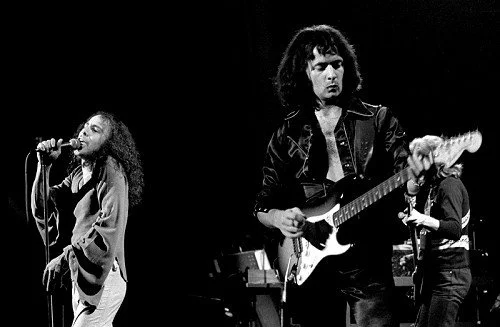
On this day, 22 November 1977, heavy rockers Rainbow played Cardiff’s Capitol Theatre on their Rising Tour

Rising (also known as Rainbow Rising) was the band’s recently released the second studio album.

Rainbow (also known as Ritchie Blackmore's Rainbow or Blackmore's Rainbow) are a British rock supergroup, formed in London and Los Angeles in 1975 by guitarist Ritchie Blackmore.
They were originally established with Ronnie James Dio's American rock band Elf, but after their self-titled debut album, Blackmore fired the backing members and continued with Dio.

Rainbow recorded two more studio albums with Dio—Rising (1976) and Long Live Rock 'n' Roll (1978)—before he left the band to join Black Sabbath in 1979.

Setlist

Kill the King

Mistreated

(Deep Purple cover)

Sixteenth Century Greensleeves

Catch the Rainbow

Long Live Rock 'n' Roll

Man on the Silver Mountain

Still I'm Sad

(The Yardbirds cover)

Do You Close Your Eyes

On this day 21/11/1960 Emile Ford & The Checkmates

Images may be subject to copyright

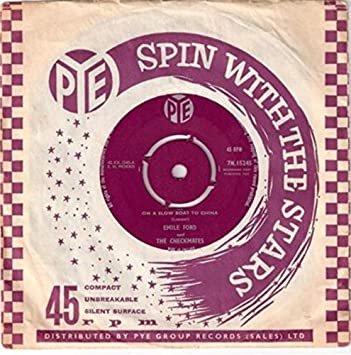
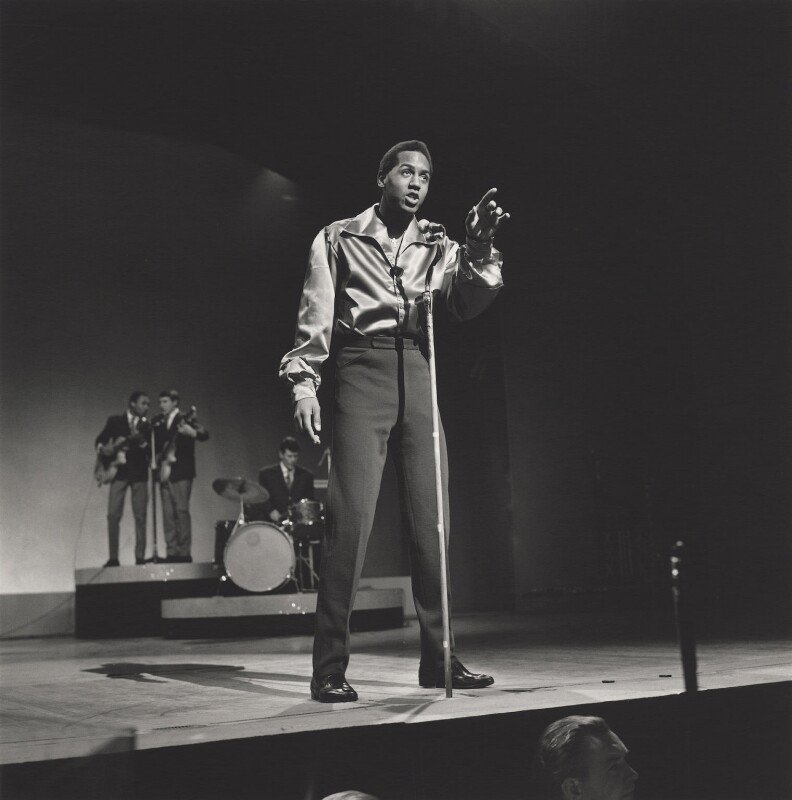
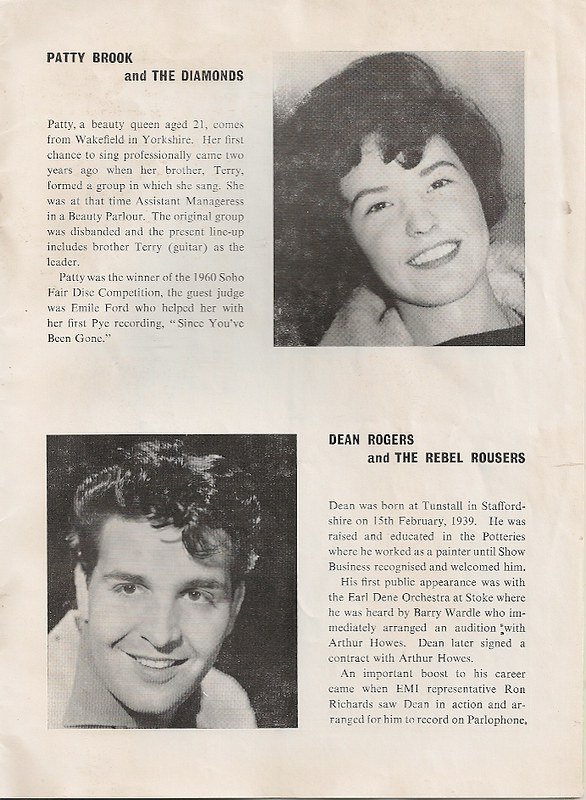
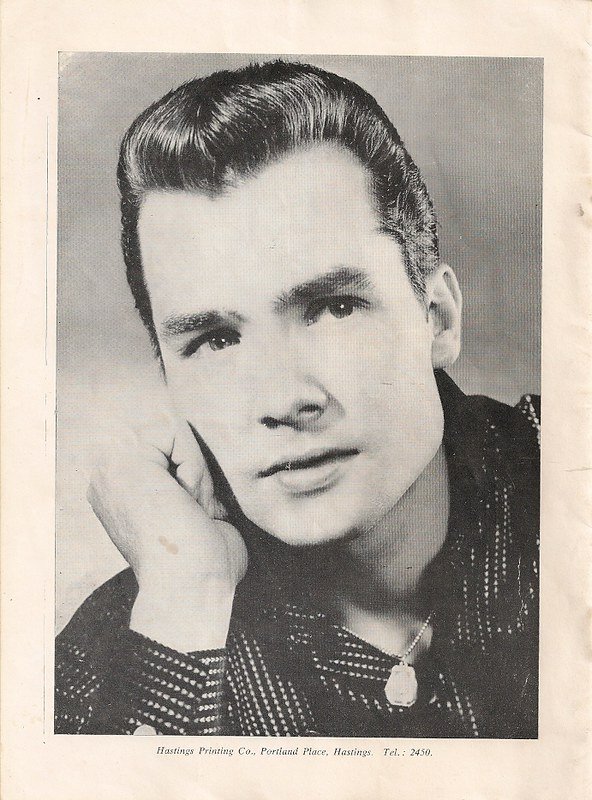
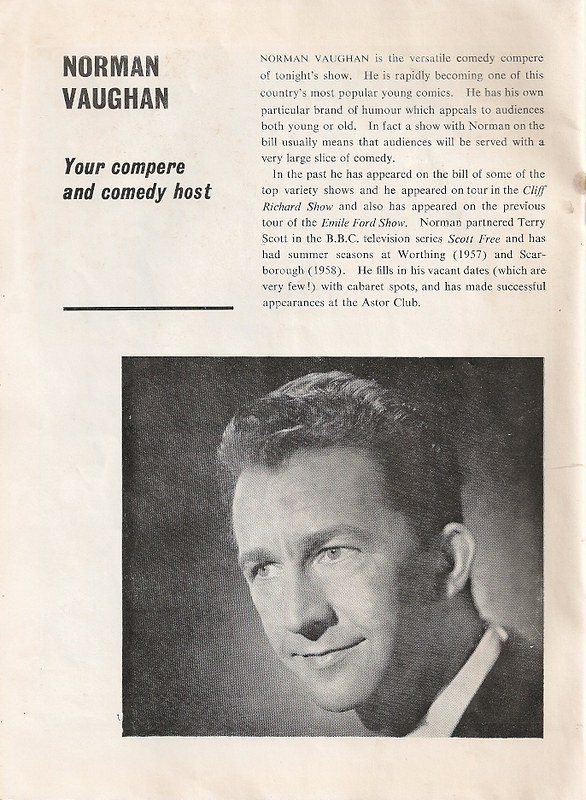
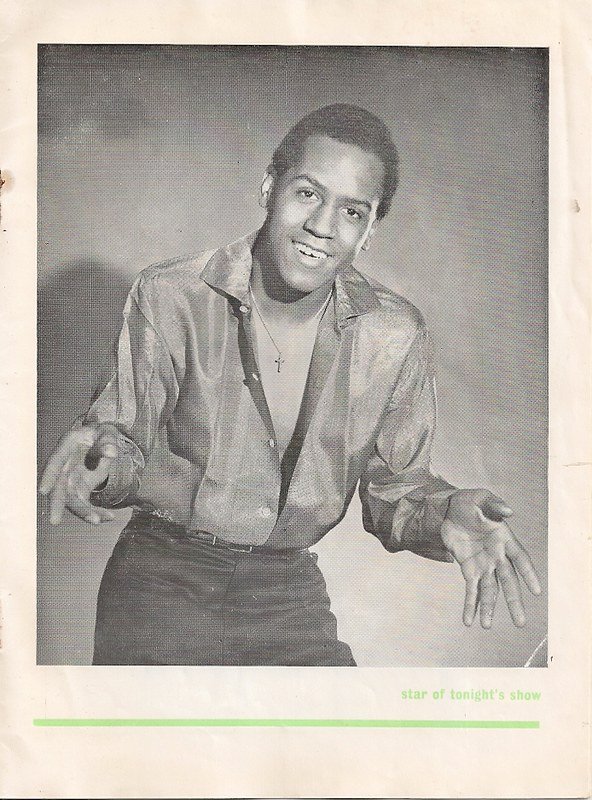
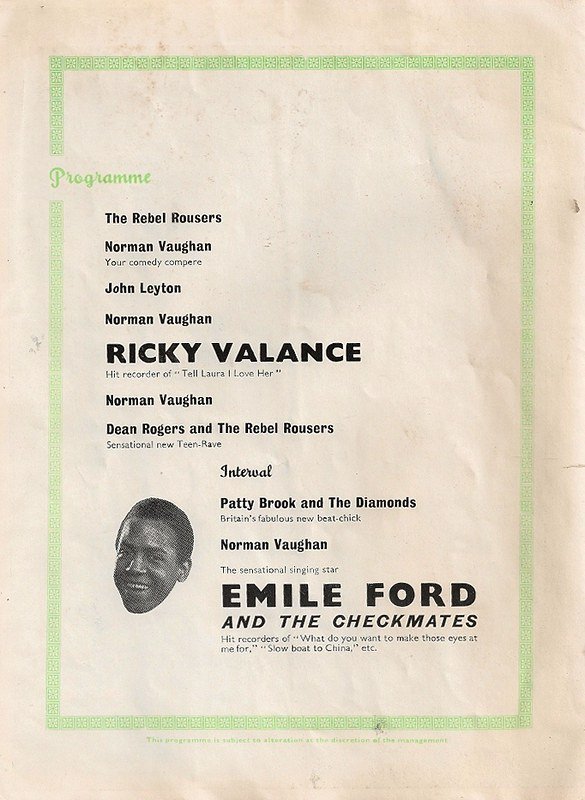
On this day, 21 November 1960, singer Emile Ford & The Checkmates, played Cardiff’s Gaumont Theatre. Also performing in the package was, Ricky Valance, Patty Brook & The Diamonds, Dean Rogers & The Rebel Rousers, Alan Randall, with Norman Vaughan (compere).

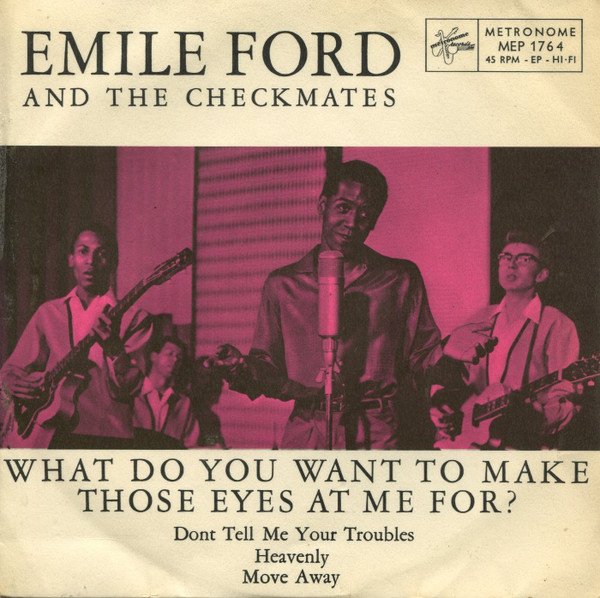
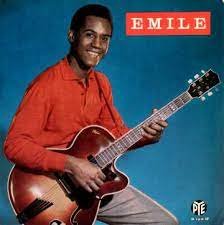
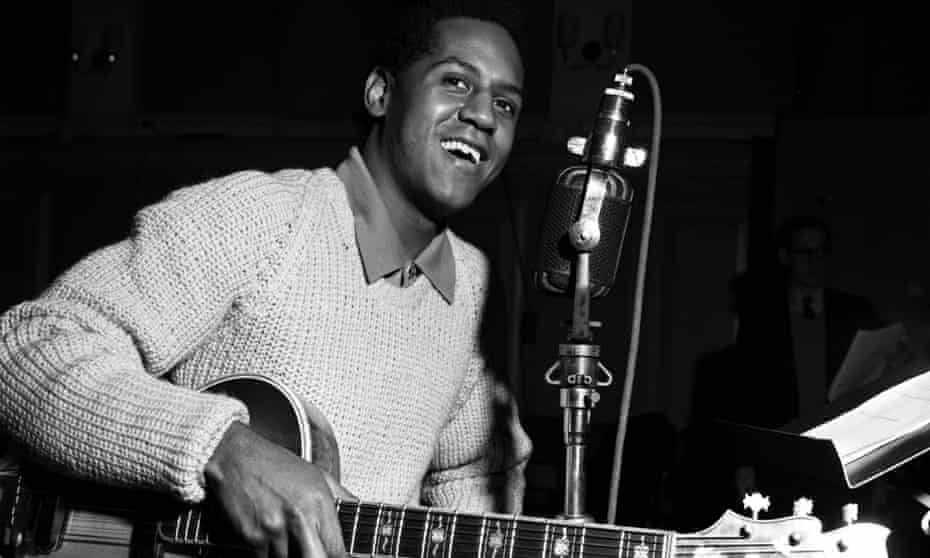
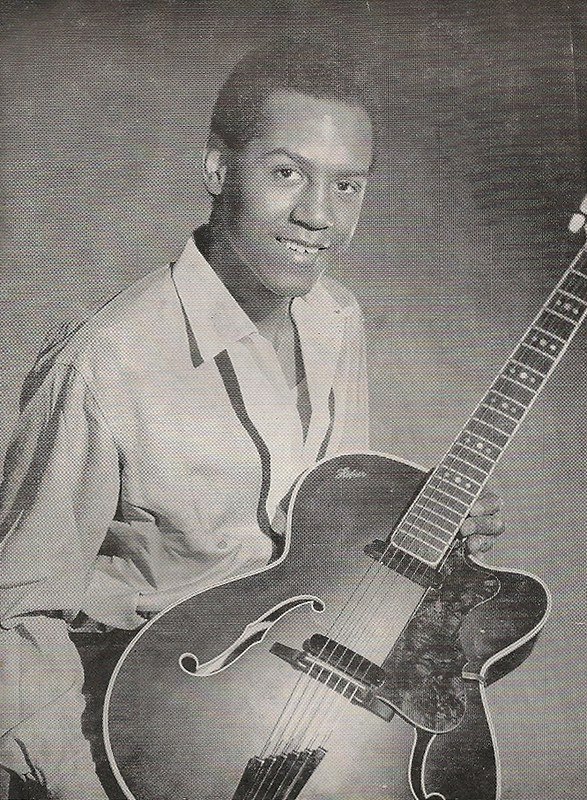
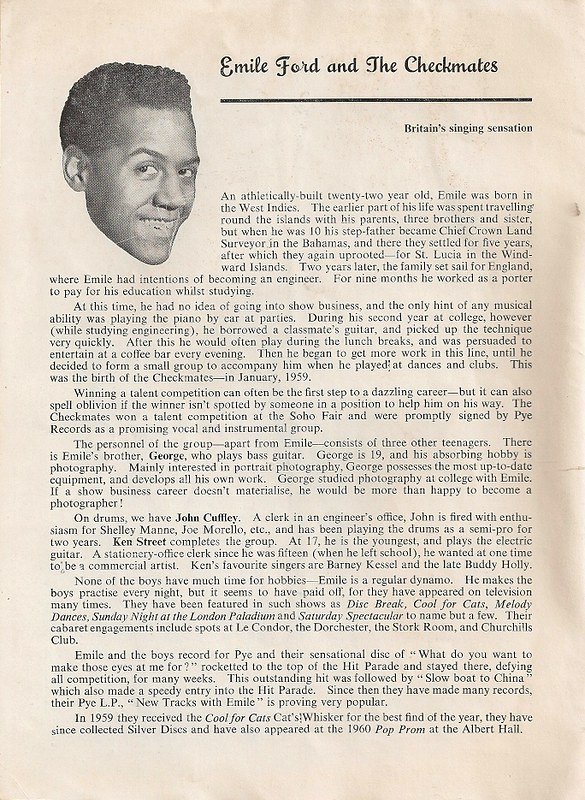
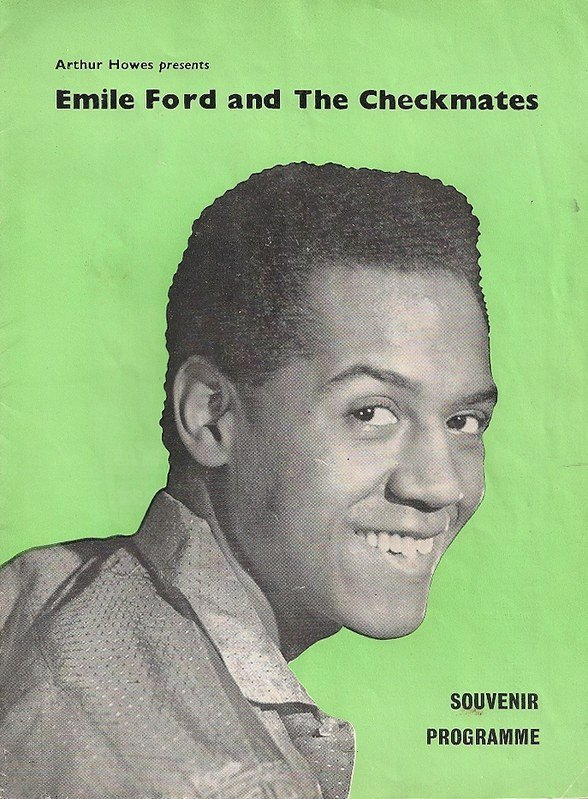
Emile Ford, was a musician and singer born in Saint Lucia, British Windward Islands. He was popular in the United Kingdom in the late 1950s and early 1960s as the leader of Emile Ford & the Checkmates, who had a number one hit in late 1959 with "What Do You Want to Make Those Eyes at Me For?".

He was also a pioneering sound engineer.

Forming Emile Ford & the Checkmates. The band appeared on the TV programme Sunday Serenade, which ran for six weeks. They won the Soho Fair talent contest in July 1959, but turned down a recording contract with EMI because the company would not allow Ford to produce their records, and instead agreed to a deal with Pye Records.

Their first self-produced recording, "What Do You Want to Make Those Eyes at Me For?", a song originally recorded by Ada Jones and Billy Murray in 1917, went to number one in the UK Singles Chart at the end of 1959 and stayed there for six weeks. Ford was the first Black British artist to sell one million copies of a single.

The readers of the British music magazine New Musical Express voted Emile Ford & the Checkmates as the "Best New Act" in 1960.