On This Day 22/04/1981 Tygers of Pan Tang

Images may be subject to copyright

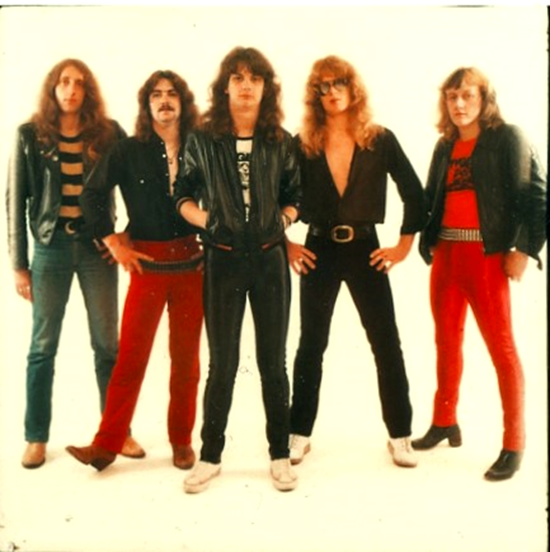
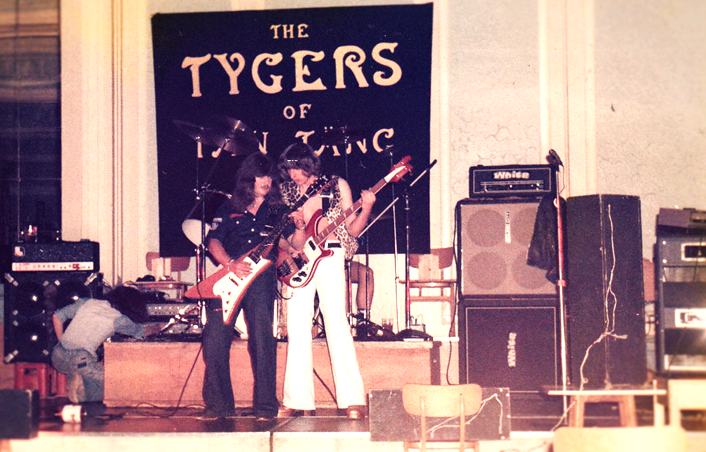
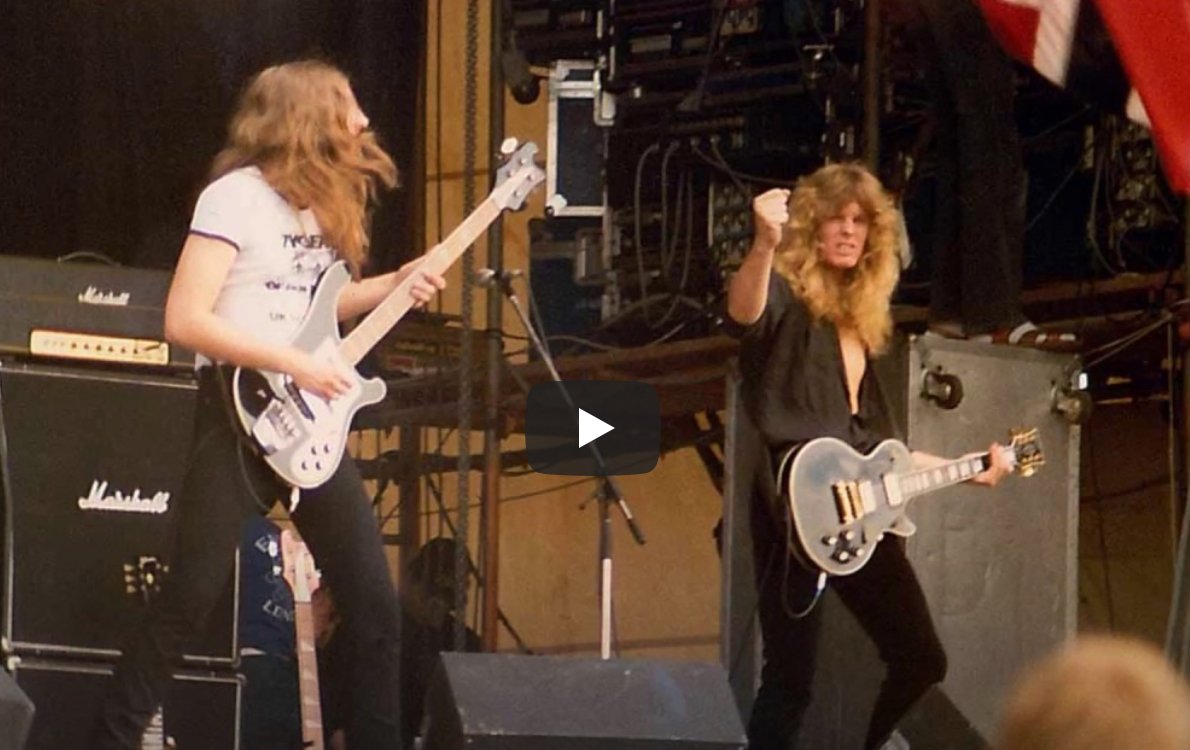
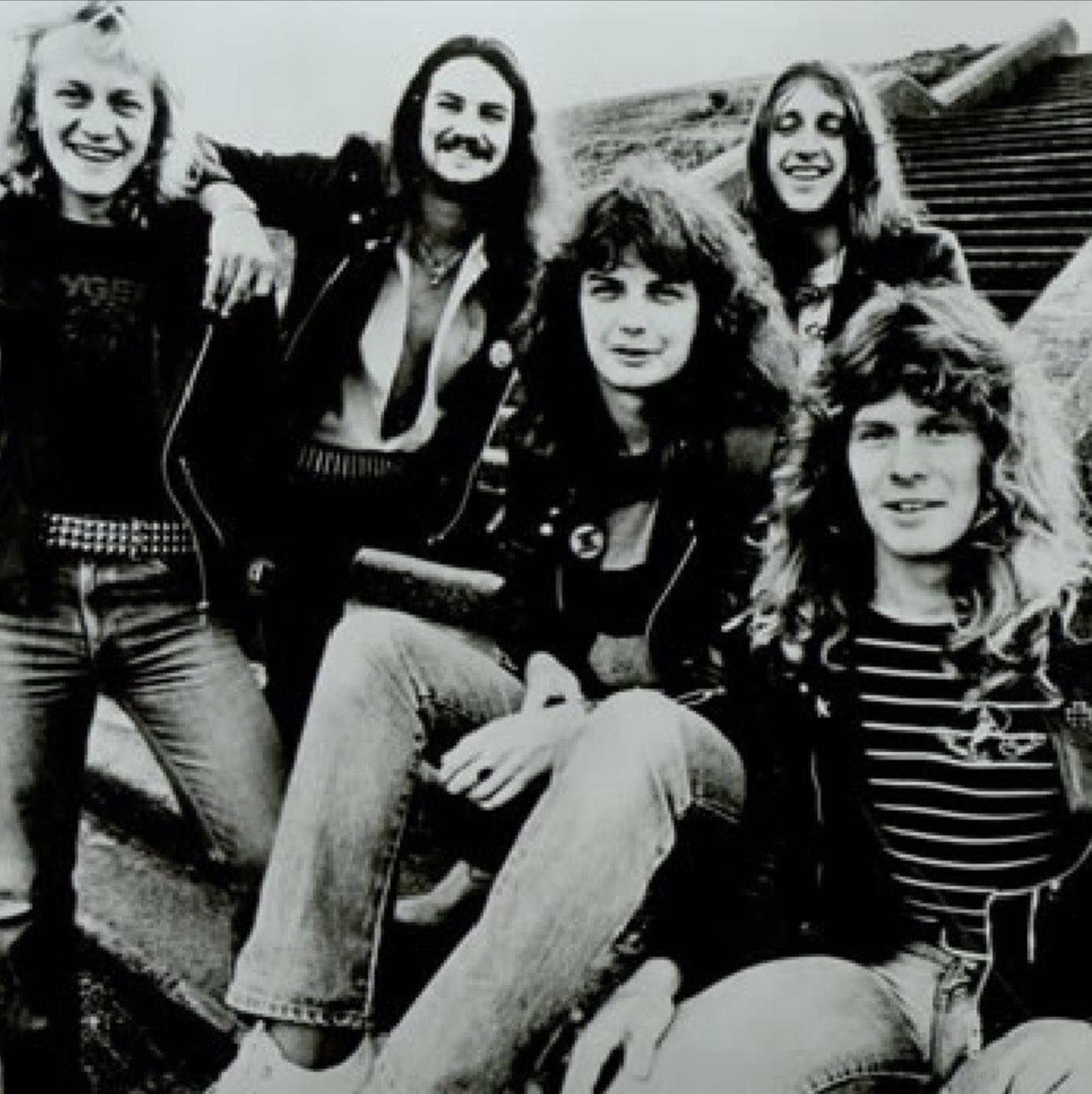
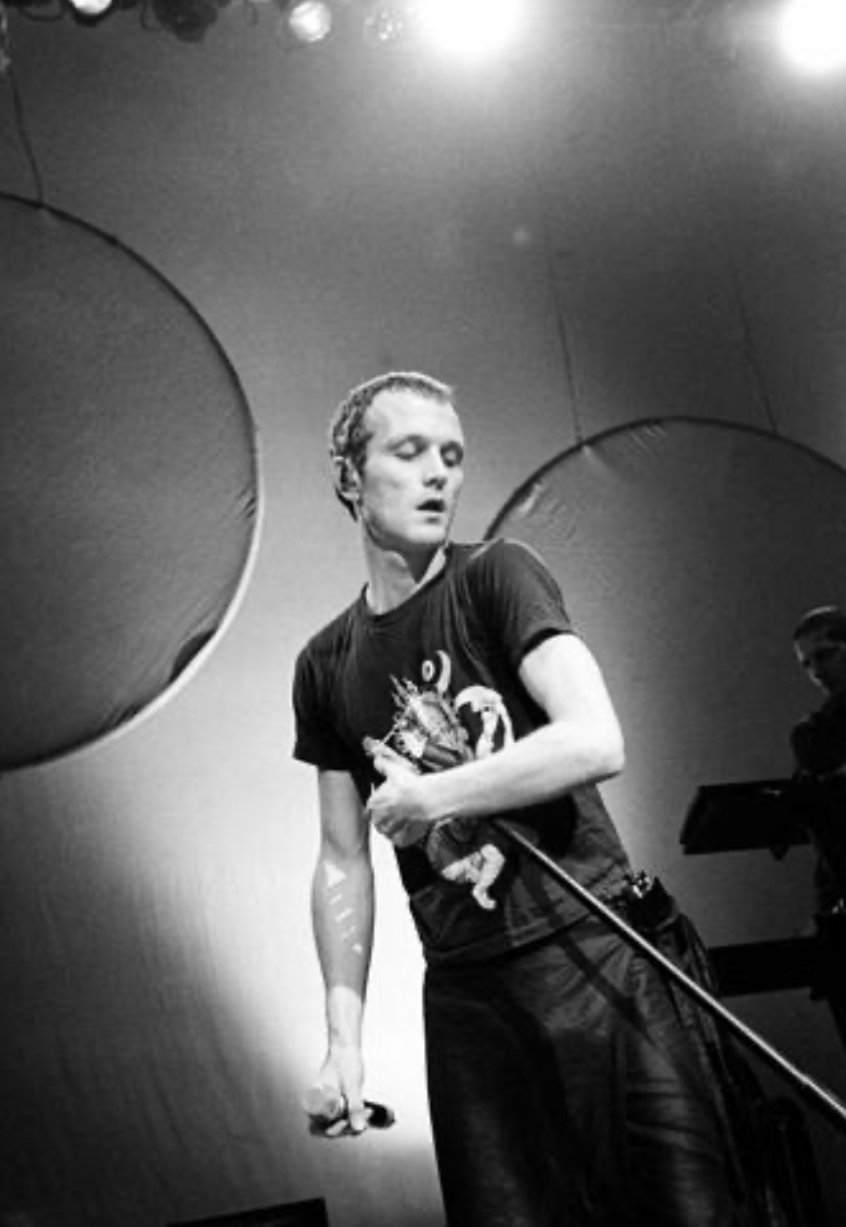
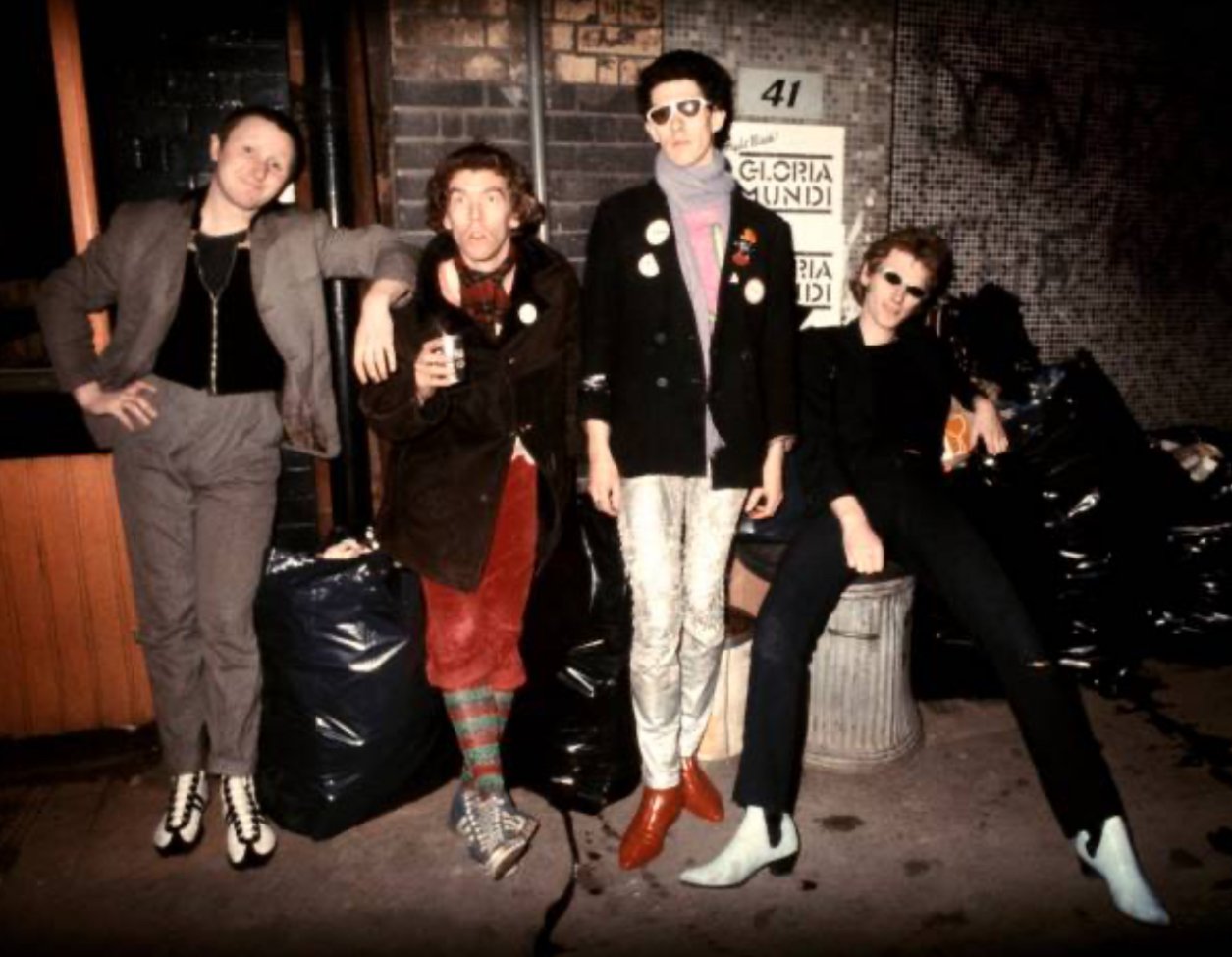
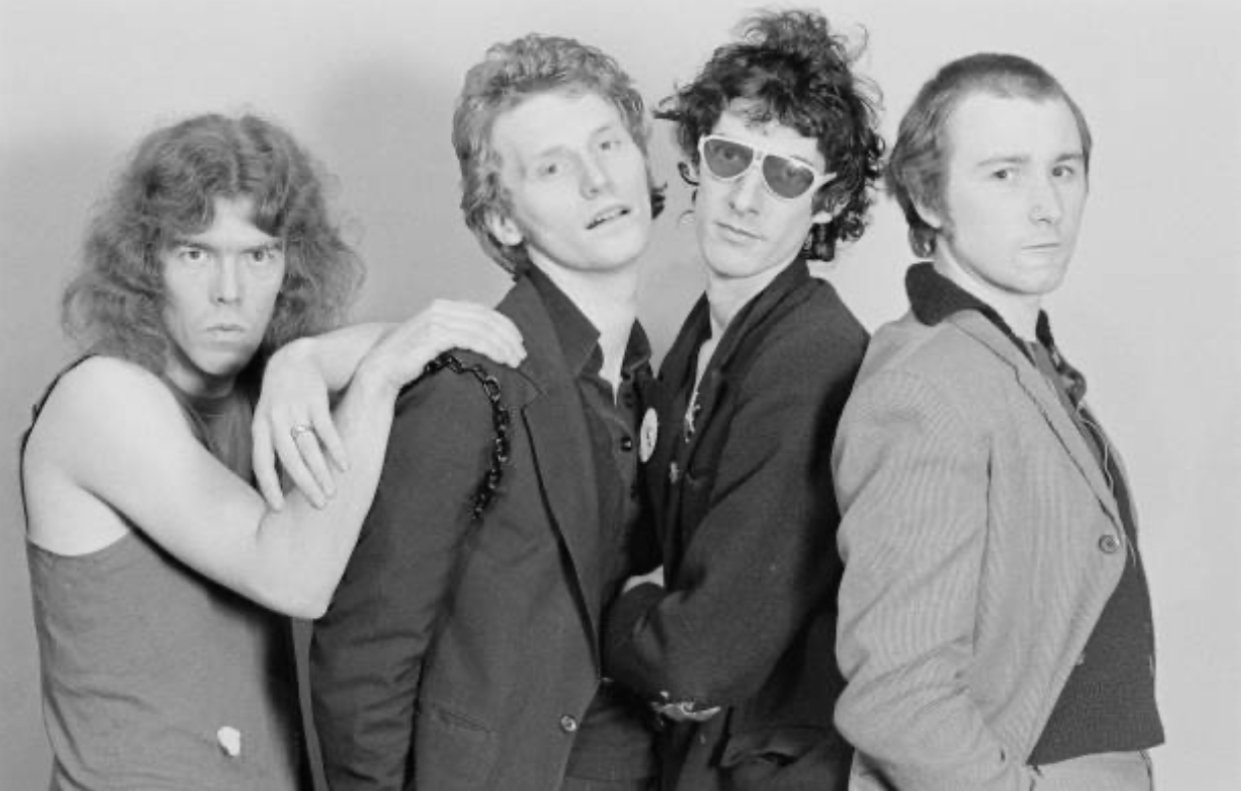
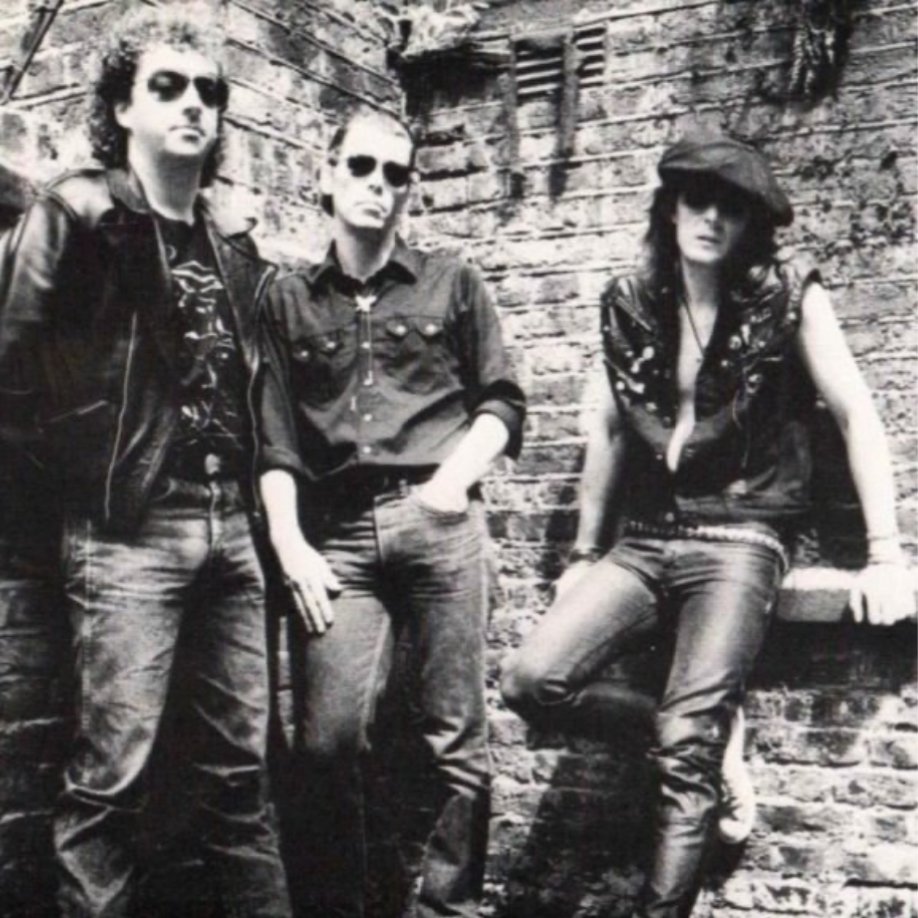
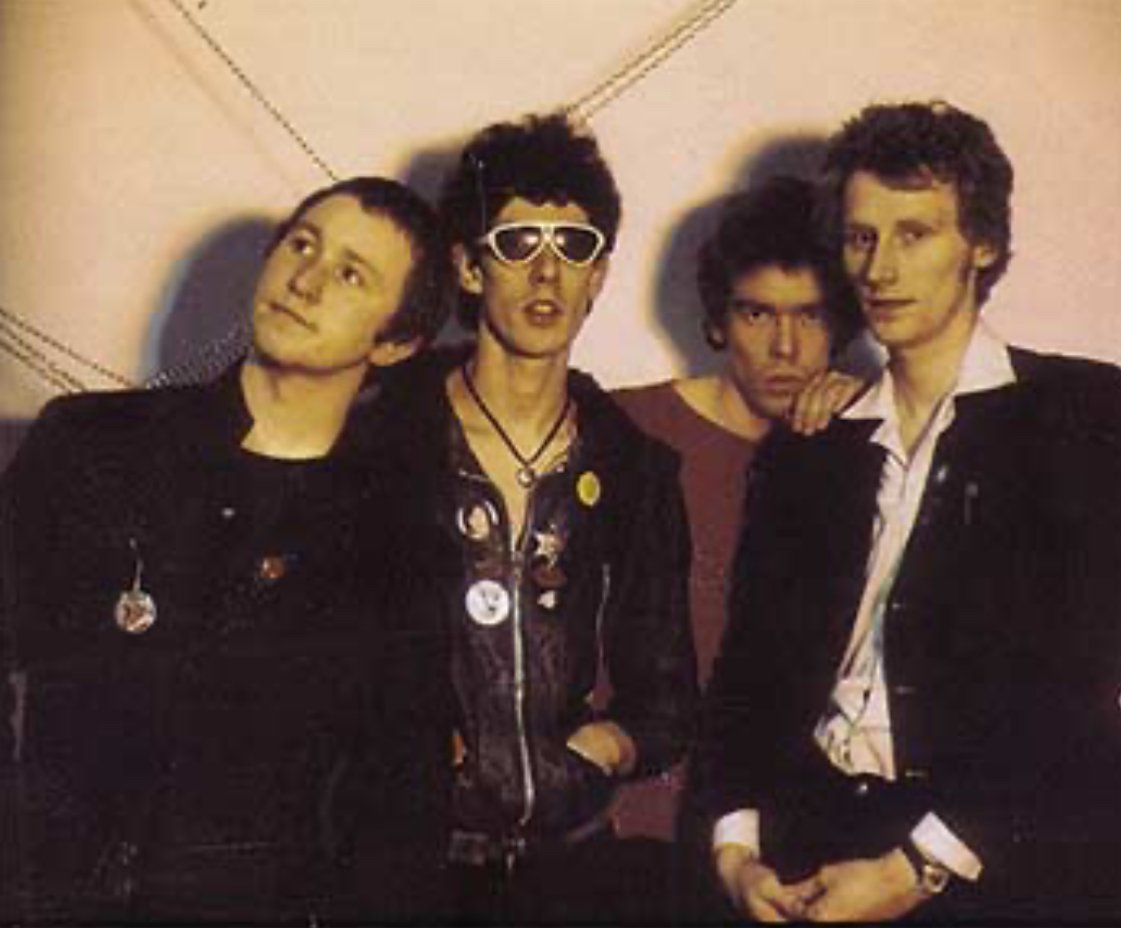
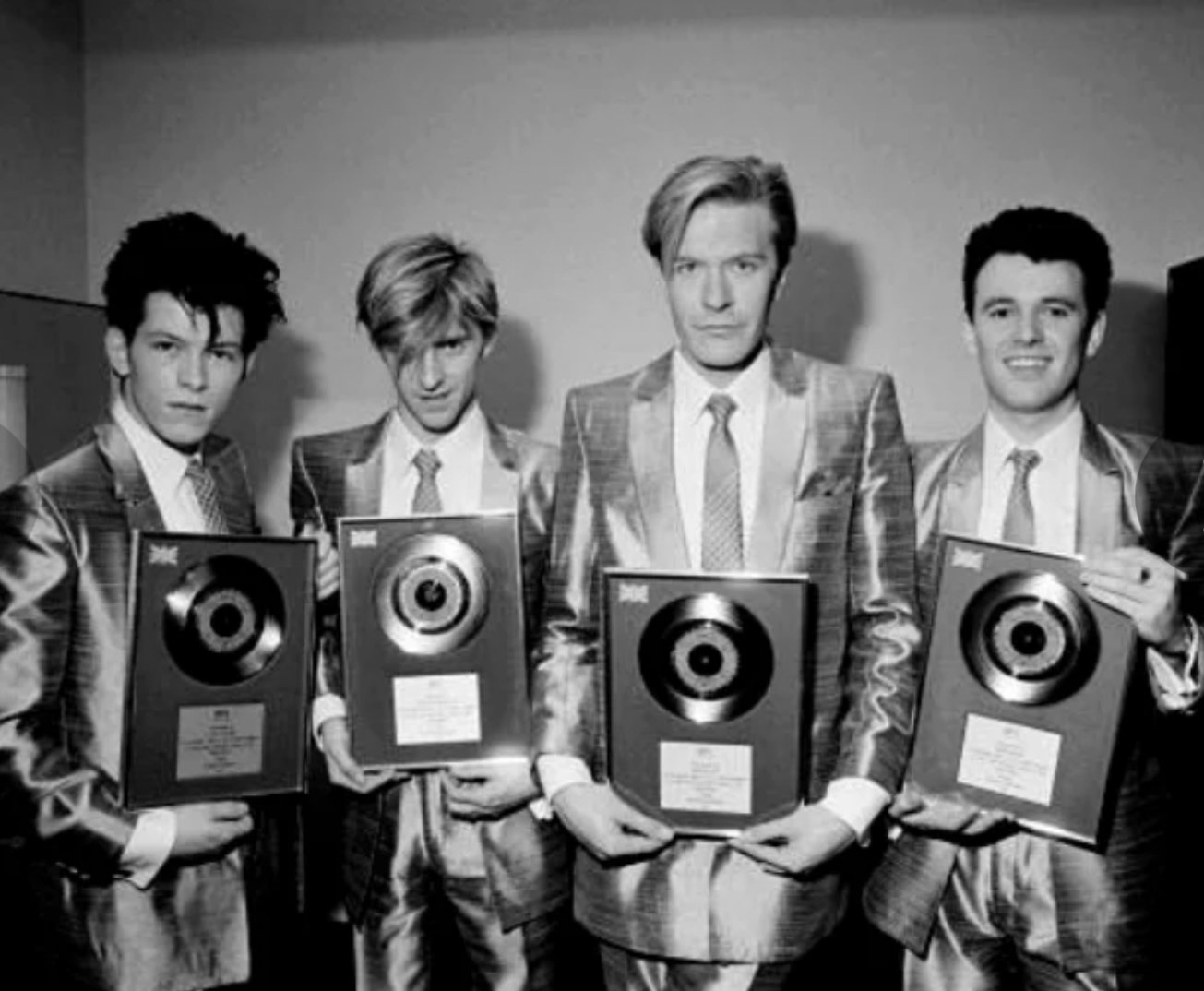
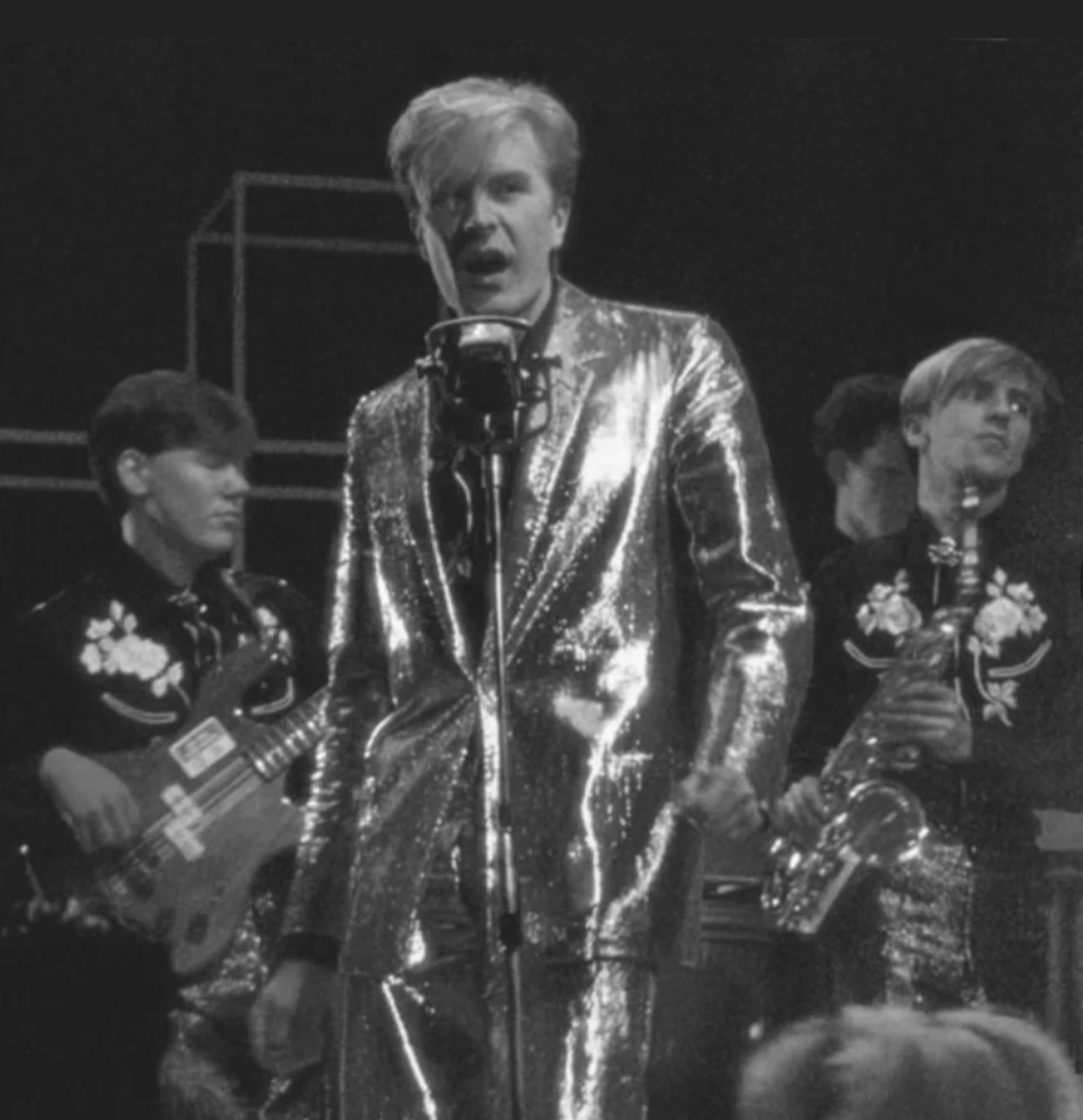
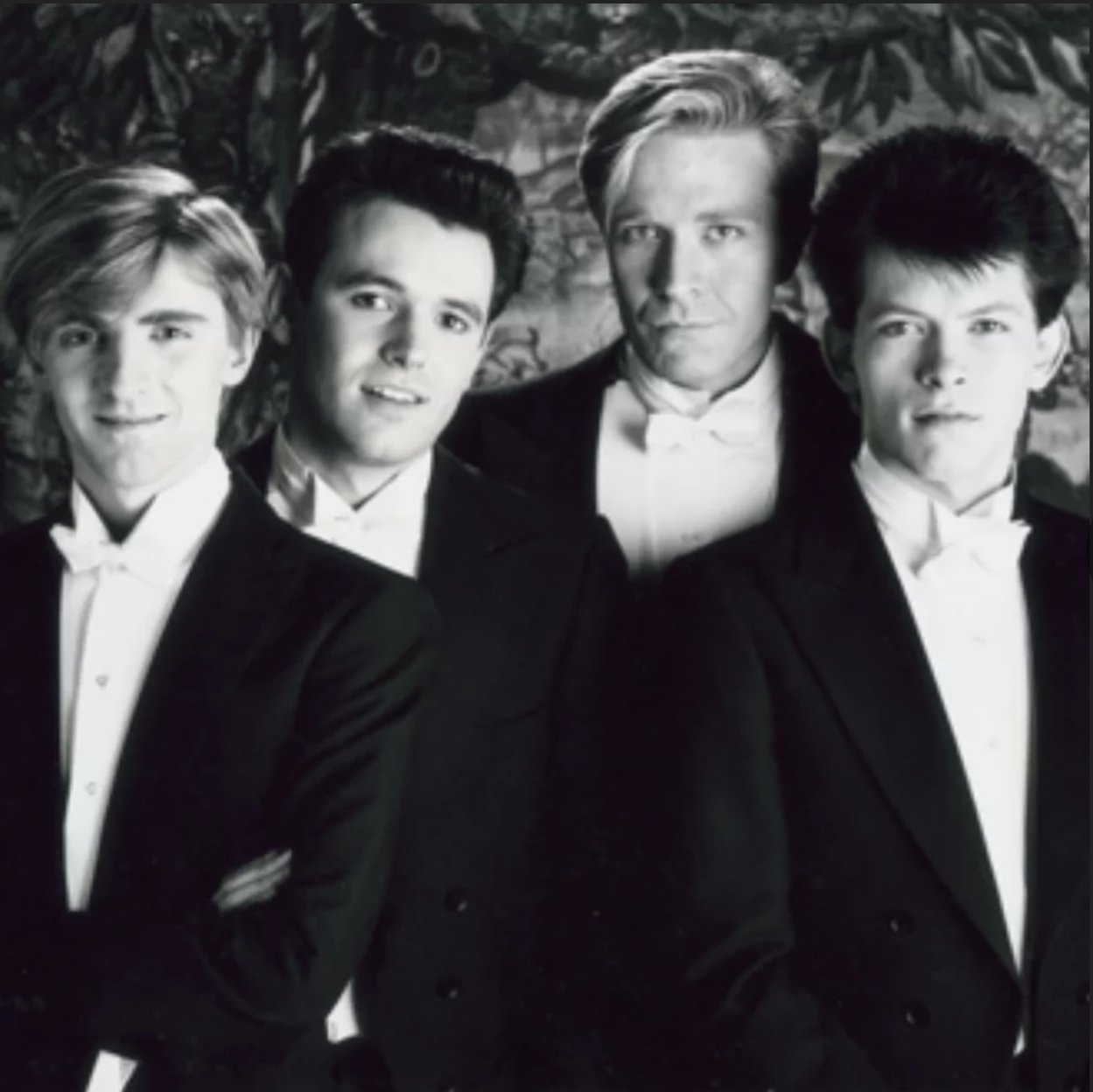
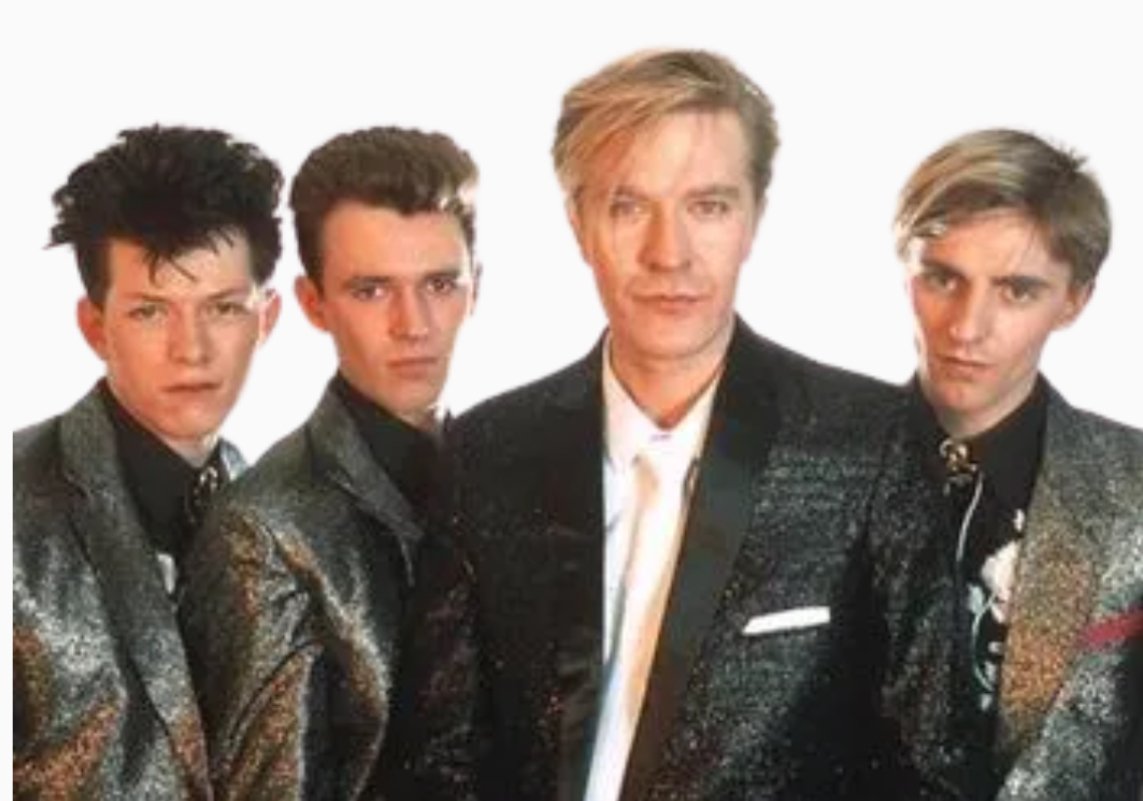
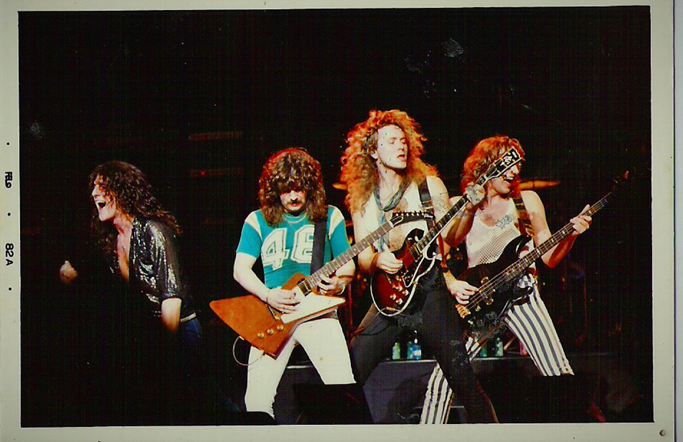
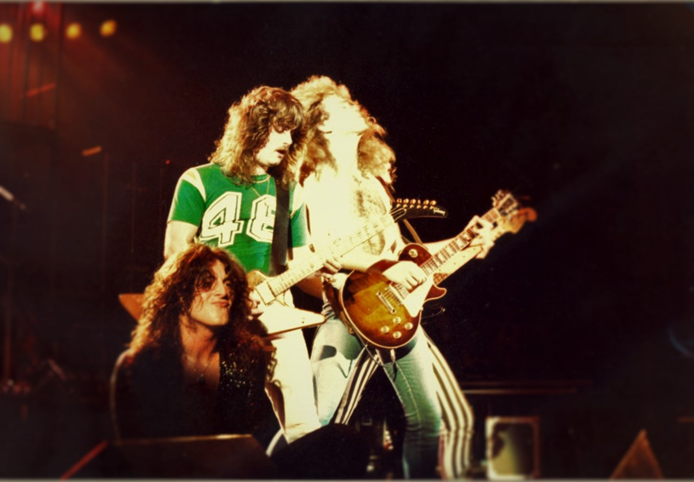
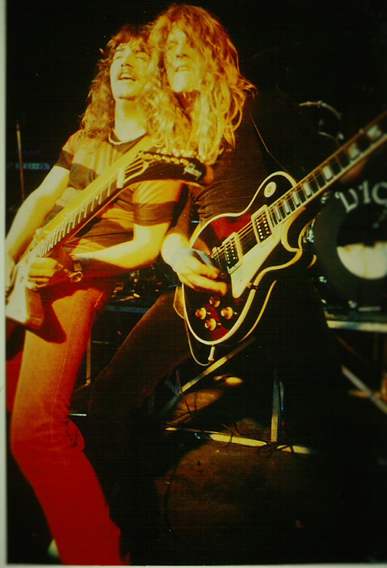
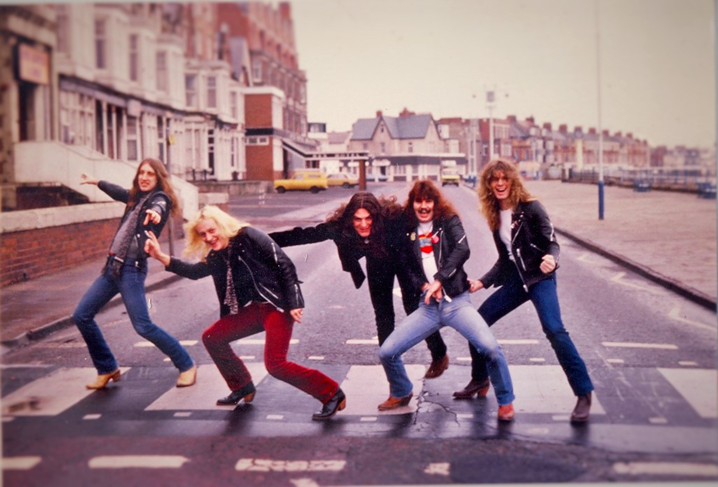
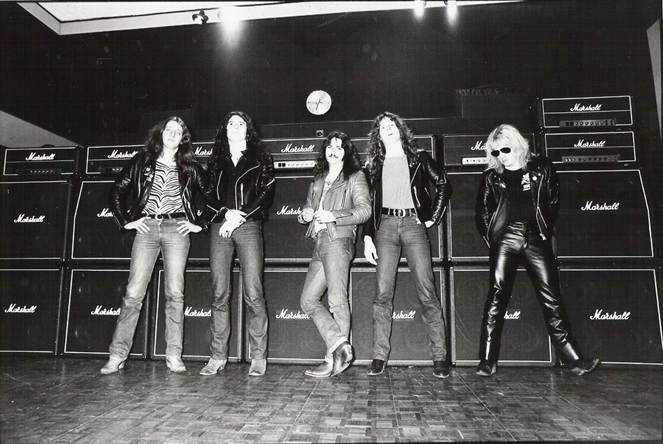
On this day, 22 Apri 1981, heavy metal band The Tygers Of Pan Tang played Cardiff’s Top Rank. Also playing that night was rock band Magnum.

Part of the new wave of British heavy metal movement. They formed in 1978 in Whitley Bay, England, and were active until 1987. The band reformed in 1999 and continue to record and perform. The name is derived from Pan Tang, a fictional archipelago in Michael Moorcock's Elric of Melniboné fantasy series whose wizards keep tigers as pets.
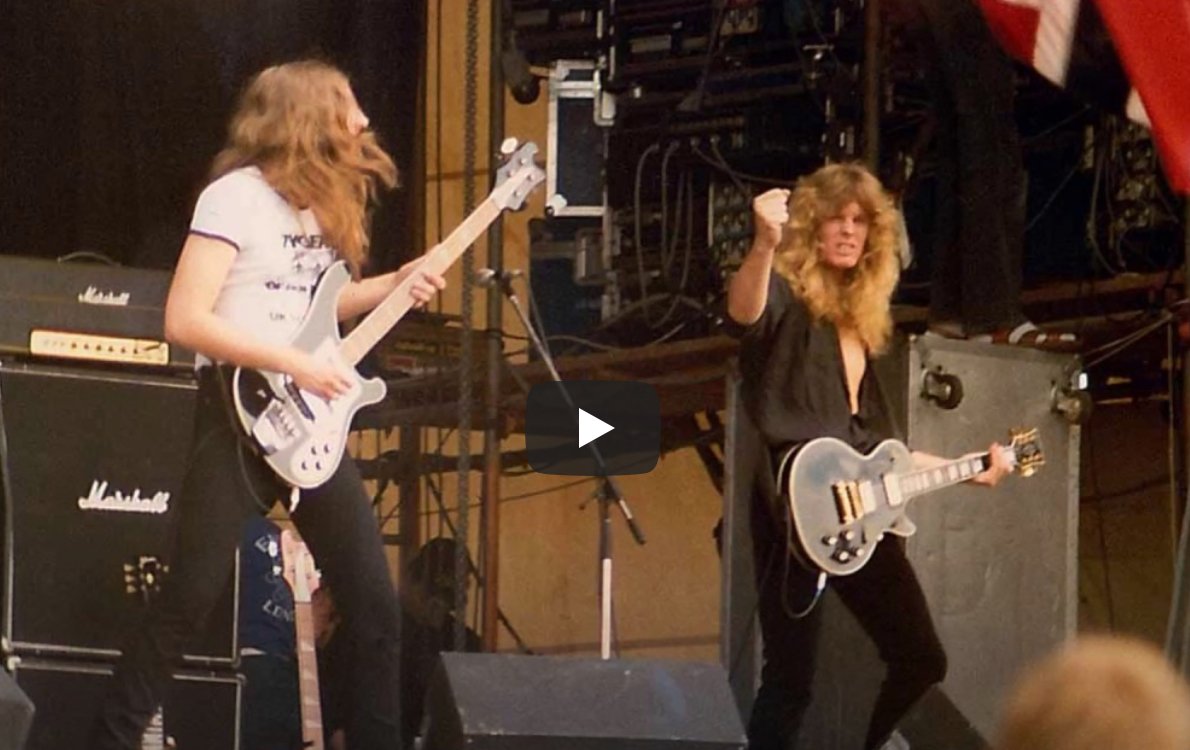
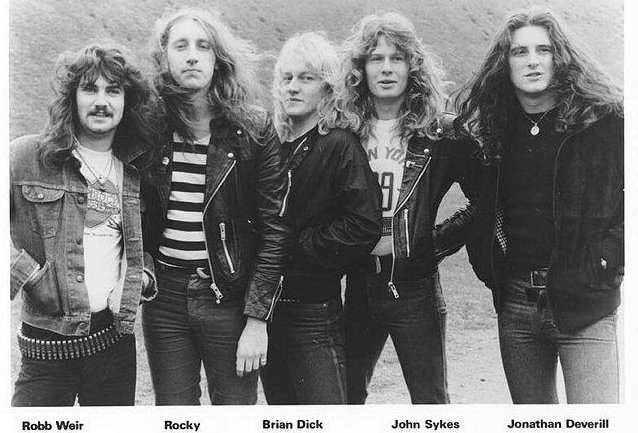
The Tygers of Pan Tang were formed by guitarist Robb Weir (born Robert Mortimer Weir, 1958), Richard "Rocky" Laws (bass), Jess Cox (vocals) and Brian Dick (drums). They played in working men's clubs and were first signed by local independent label Neat Records before MCA gave them a major record deal. After several singles, they released their first album, Wild Cat, in 1980. The album reached No. 18 in the UK Album Chart in the first week of its release.

Subsequently John Sykes (formerly of Streetfighter, later in Badlands, Thin Lizzy, Whitesnake, and Blue Murder) was added as second guitarist. Jess Cox had a falling out with the others and quit, to be replaced by Persian Risk vocalist Jon Deverill.
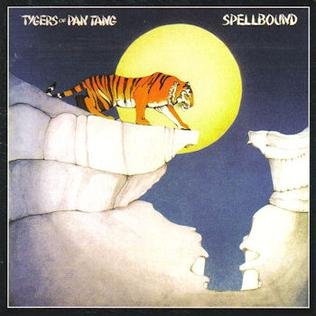
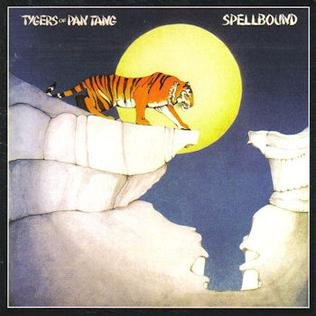
This lineup released Spellbound on the 10 April 1981, their second album which peaked at 33 in the UK album charts.
On This Day 21/04/1989 Miles Davis

Images may be subject to copyright

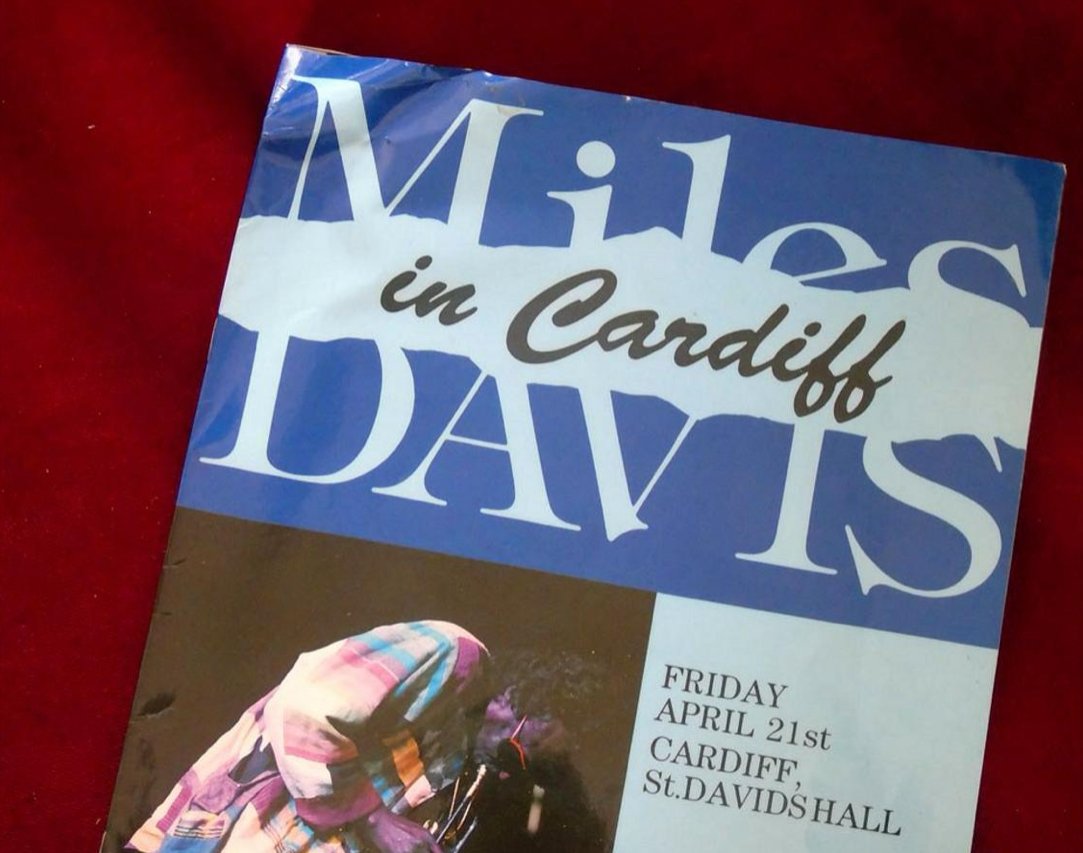
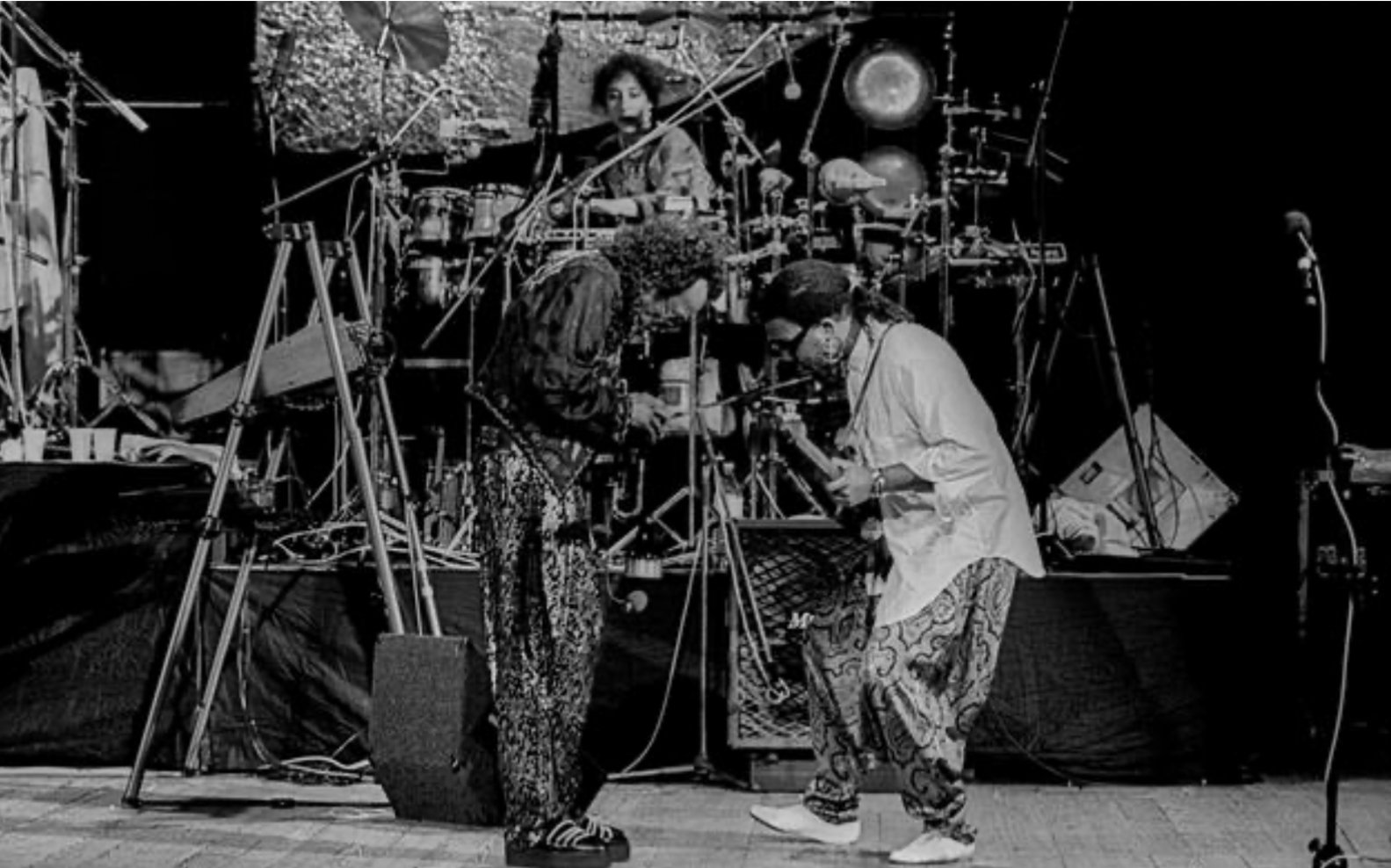
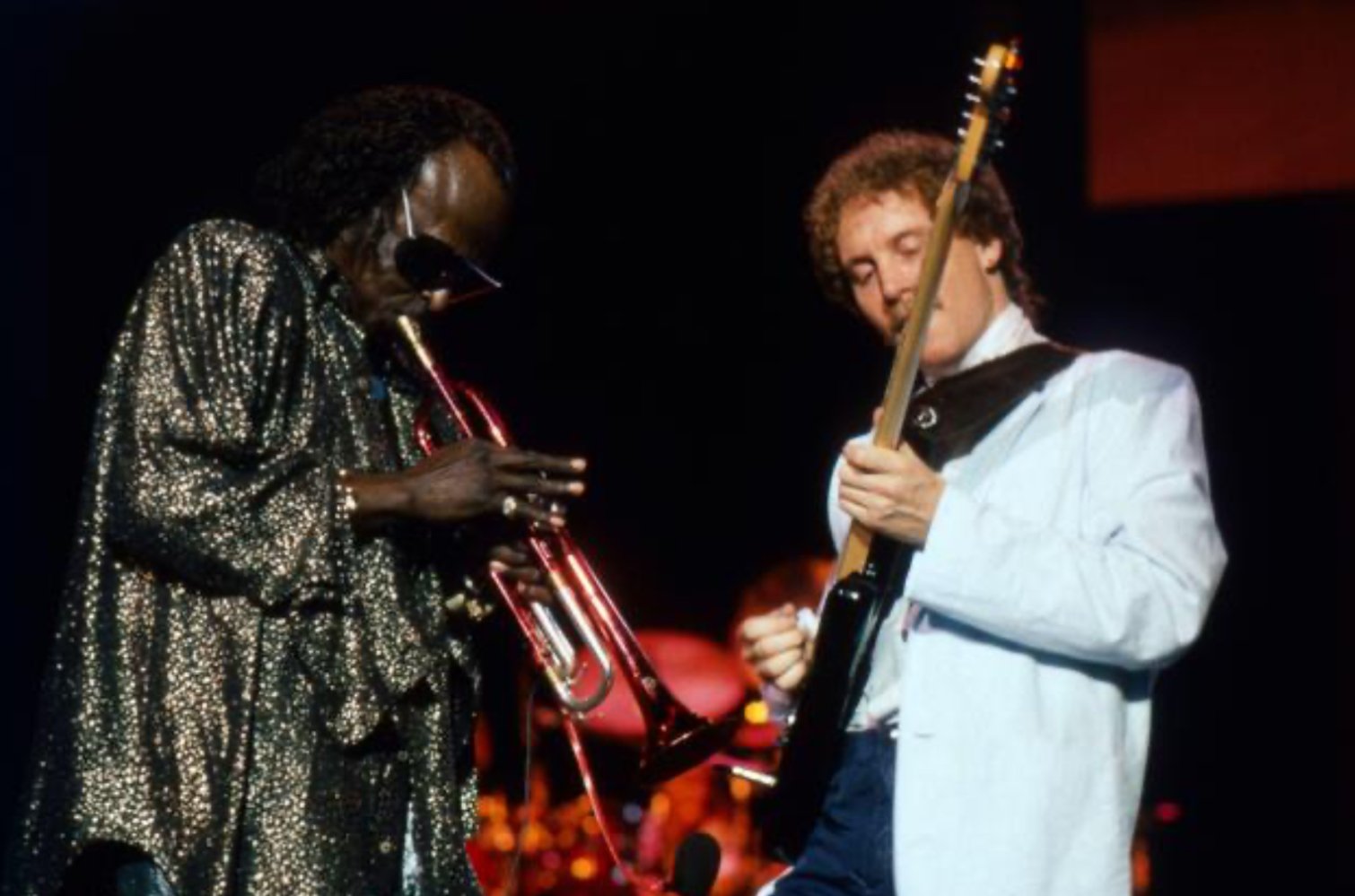
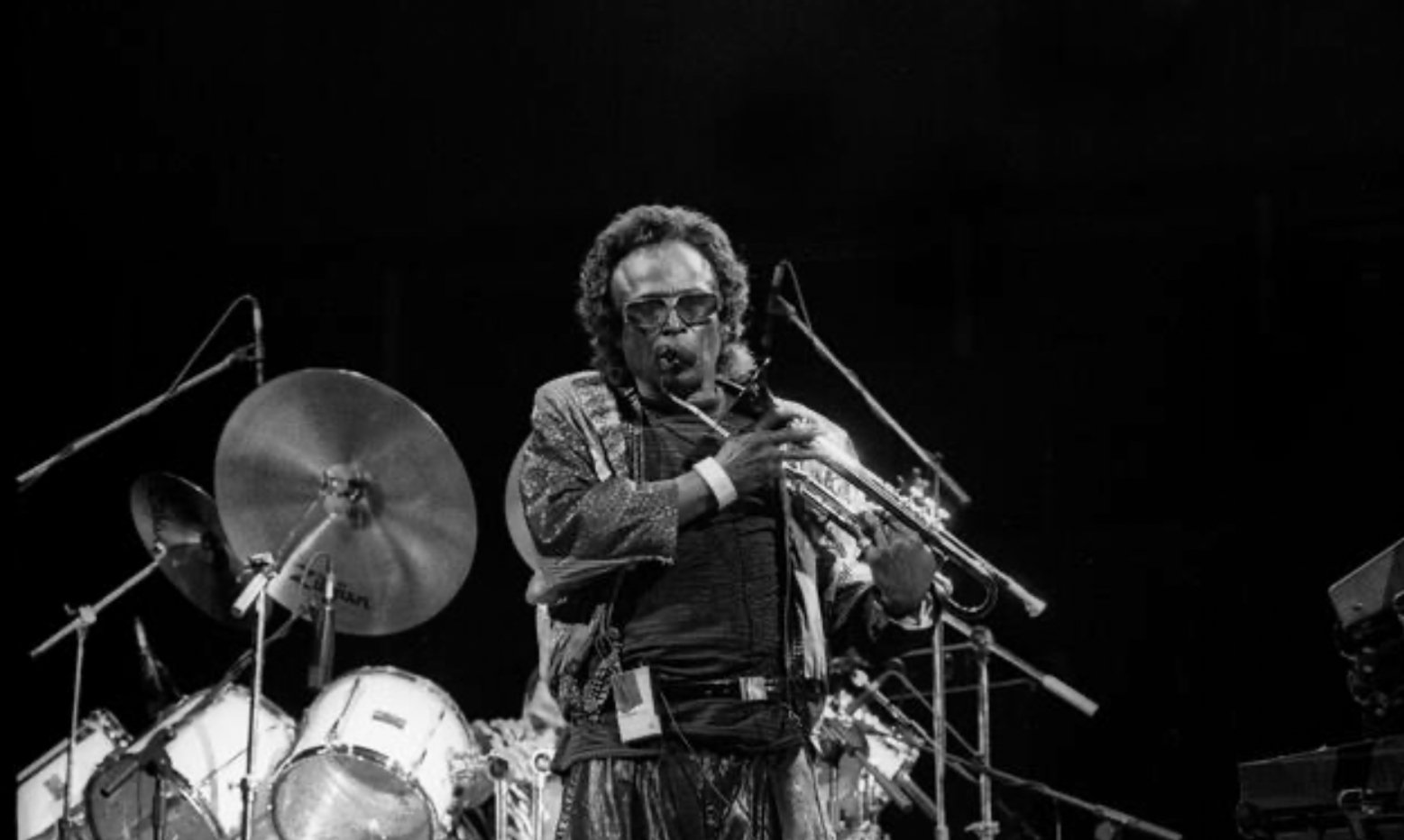
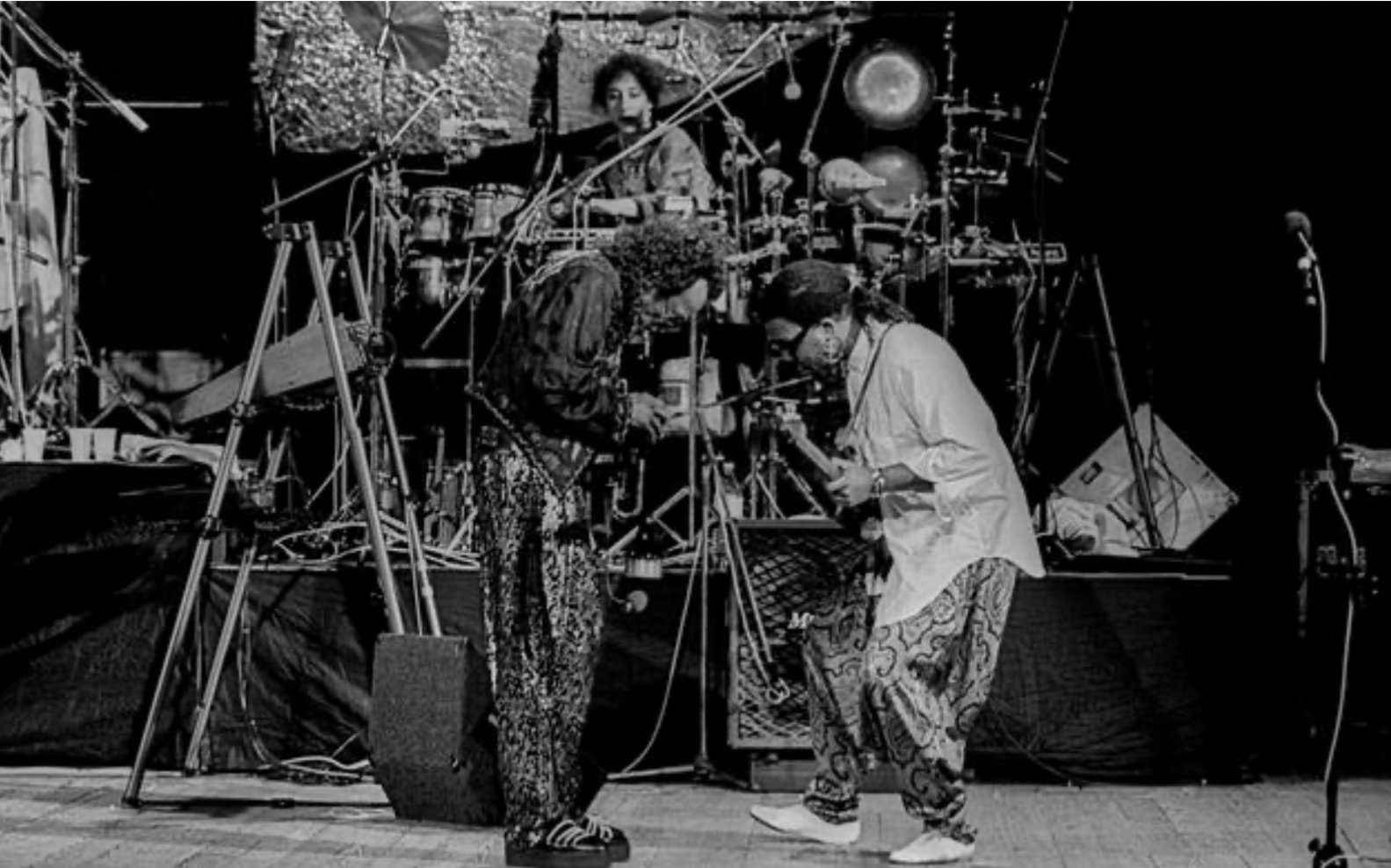
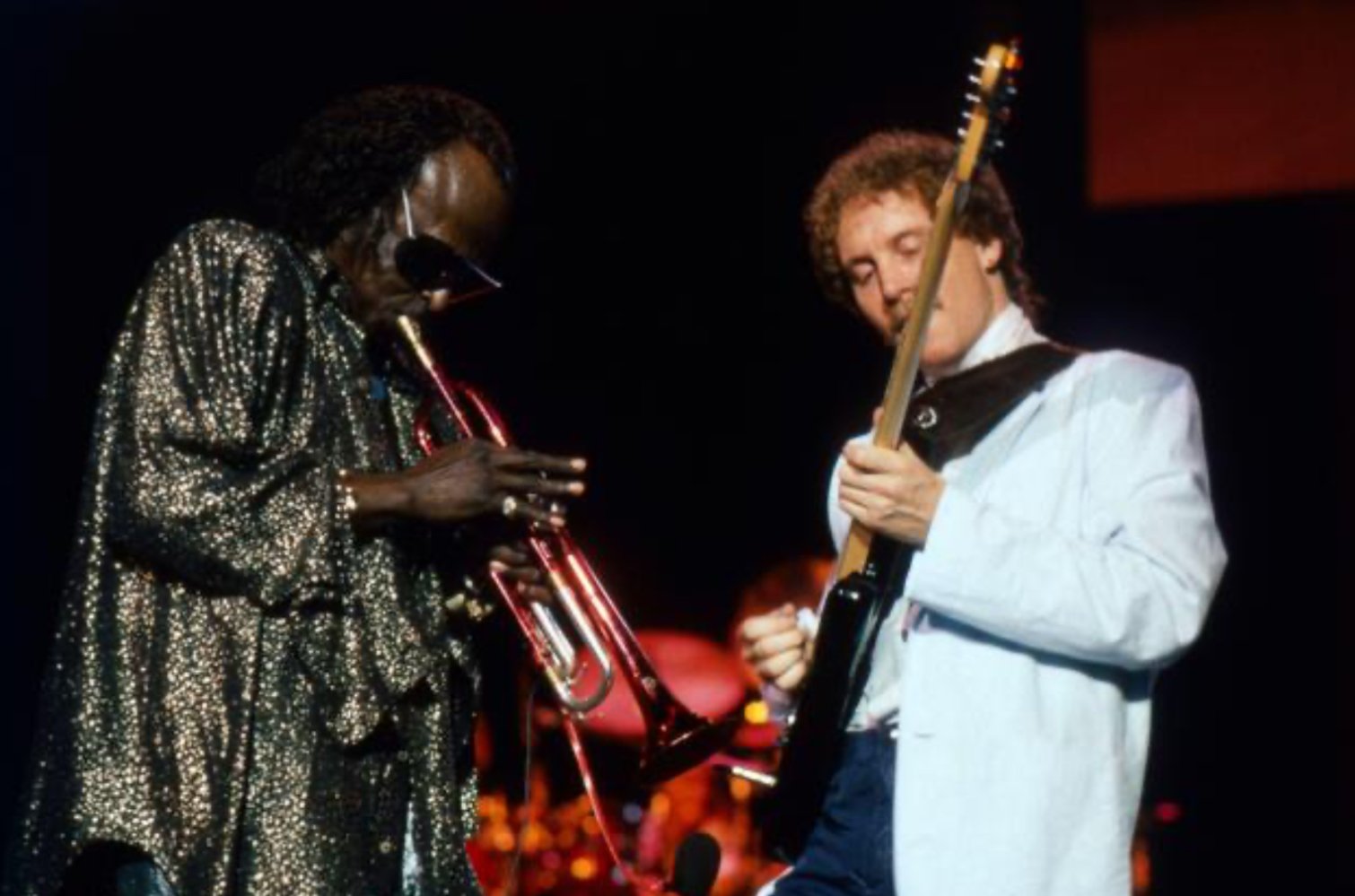
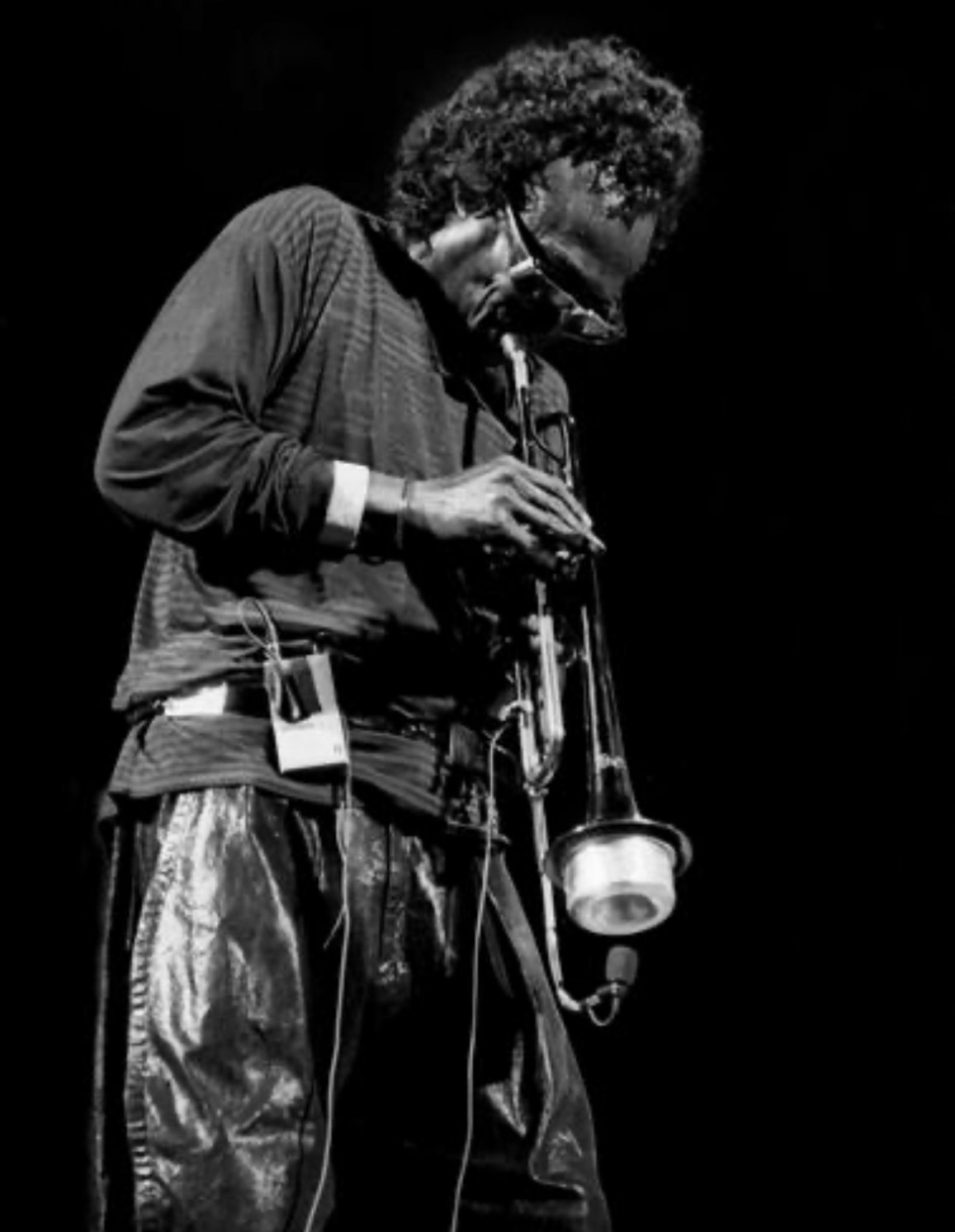
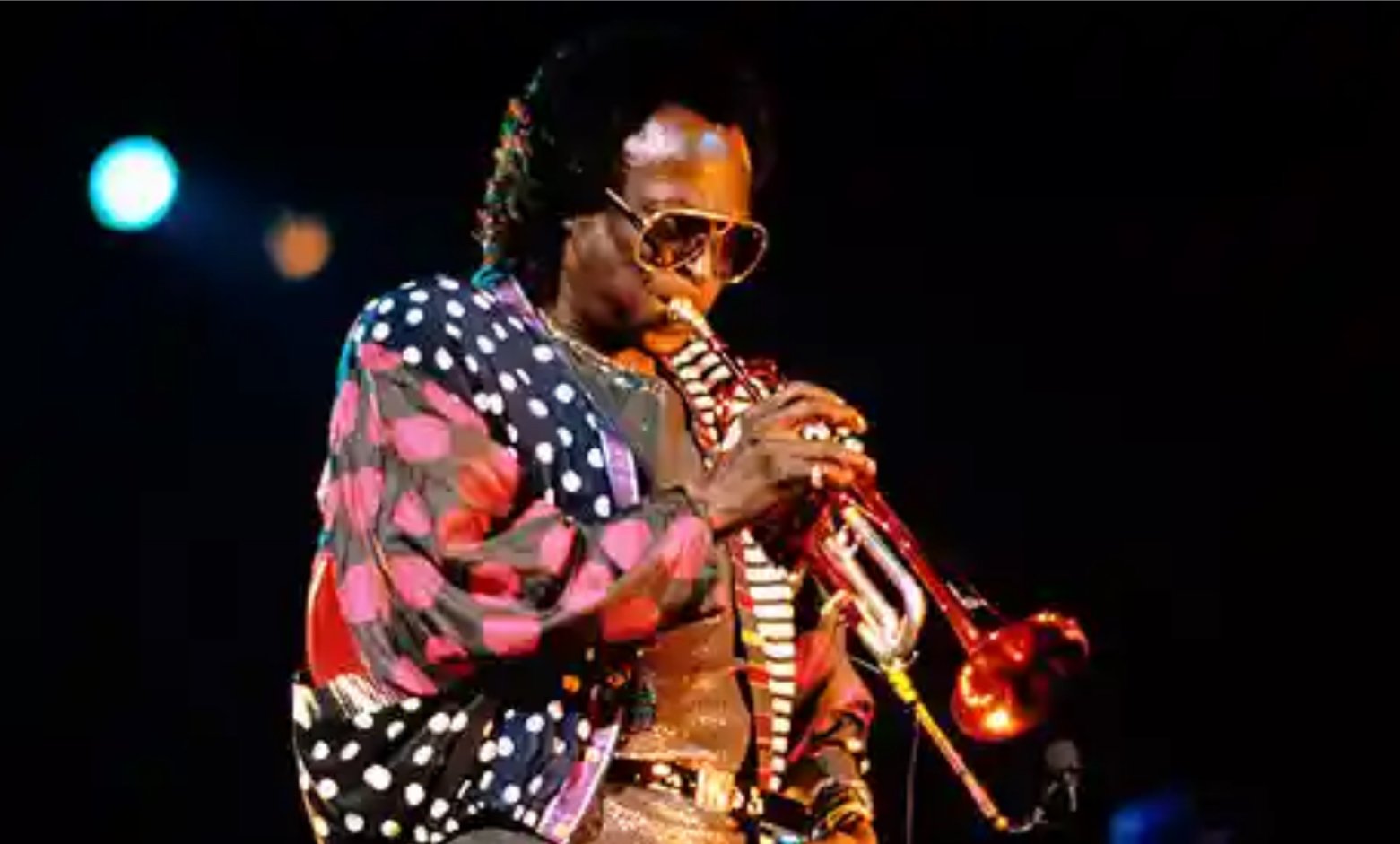
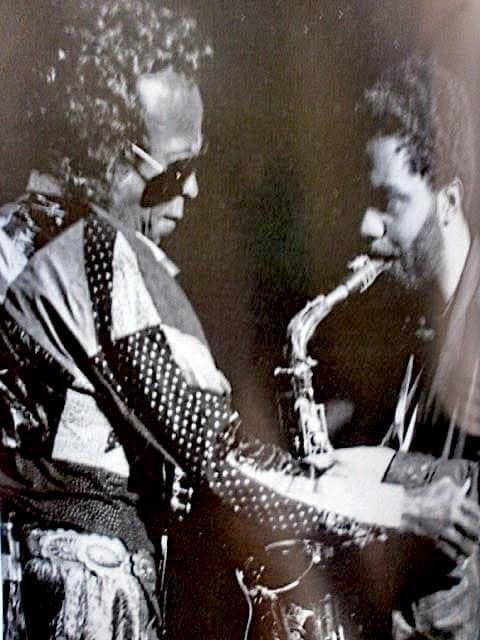
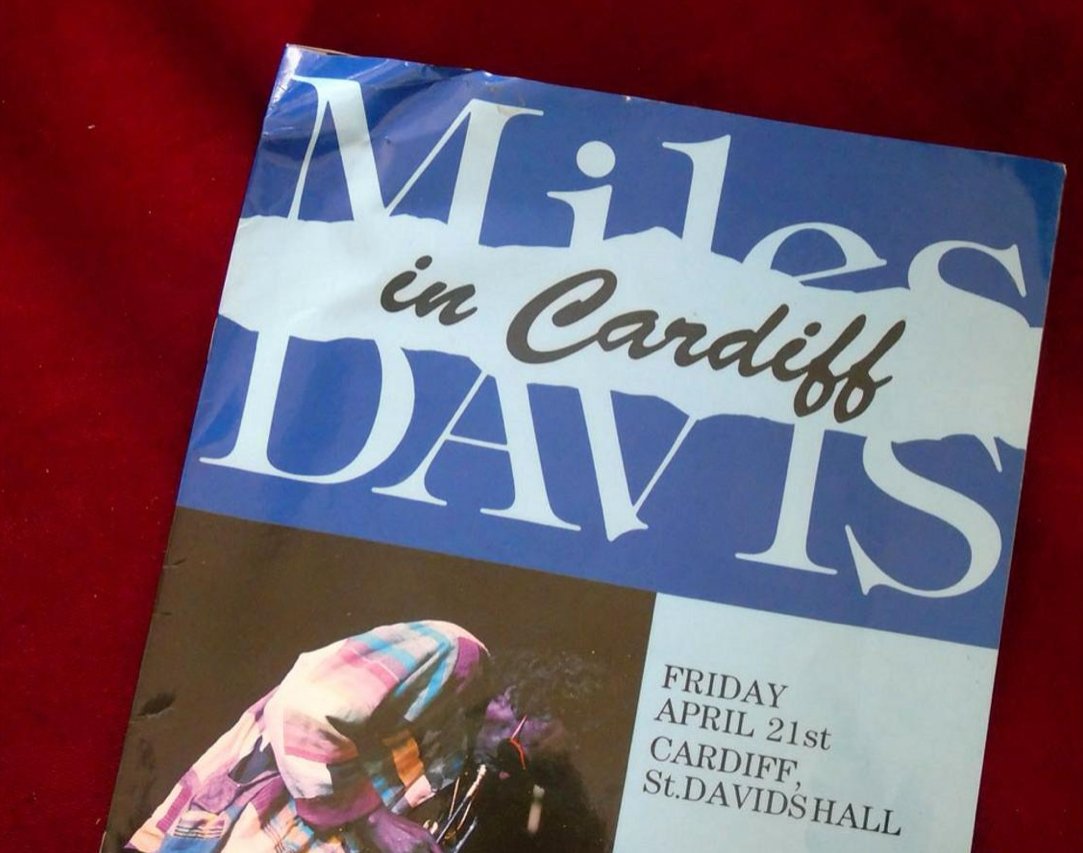
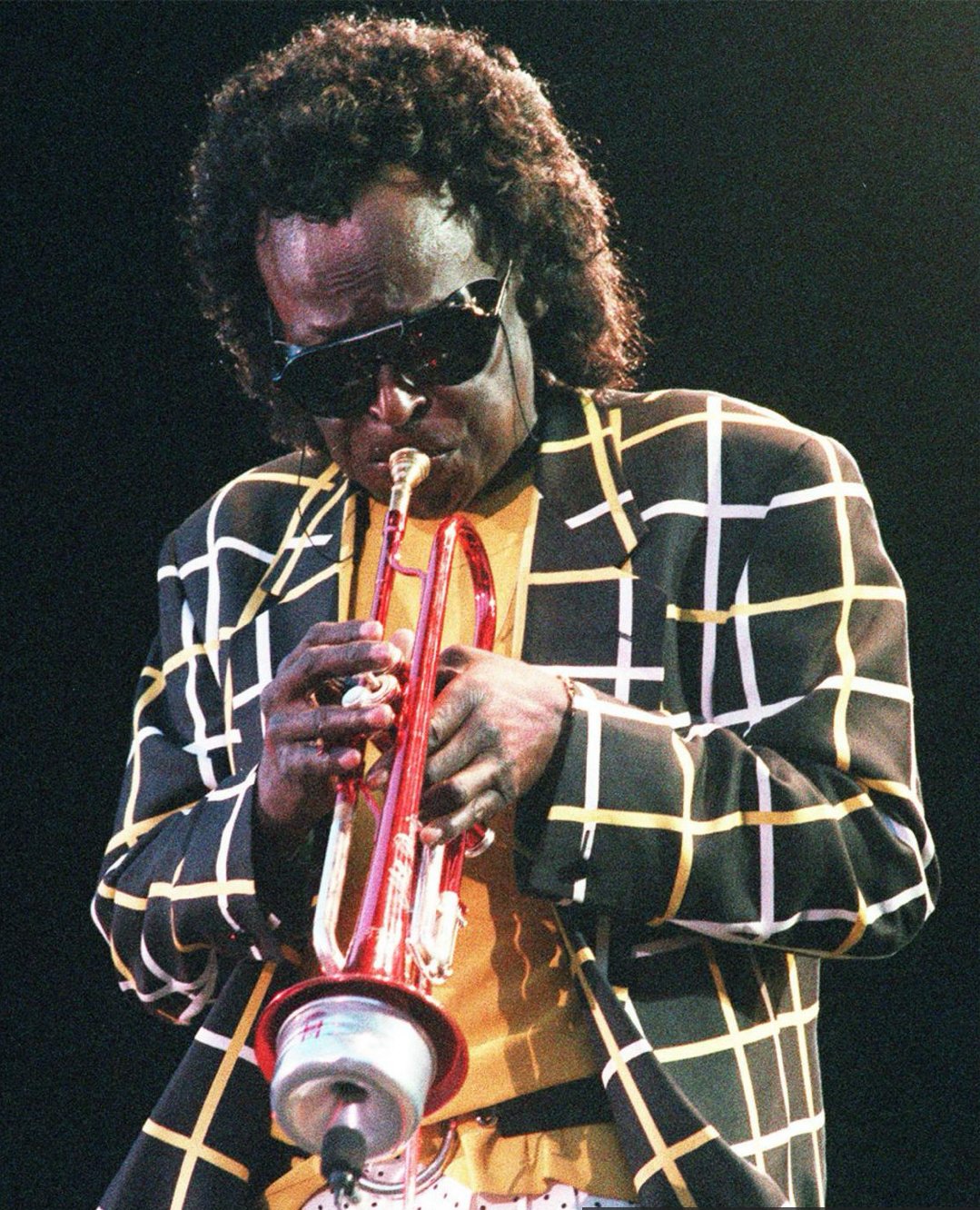
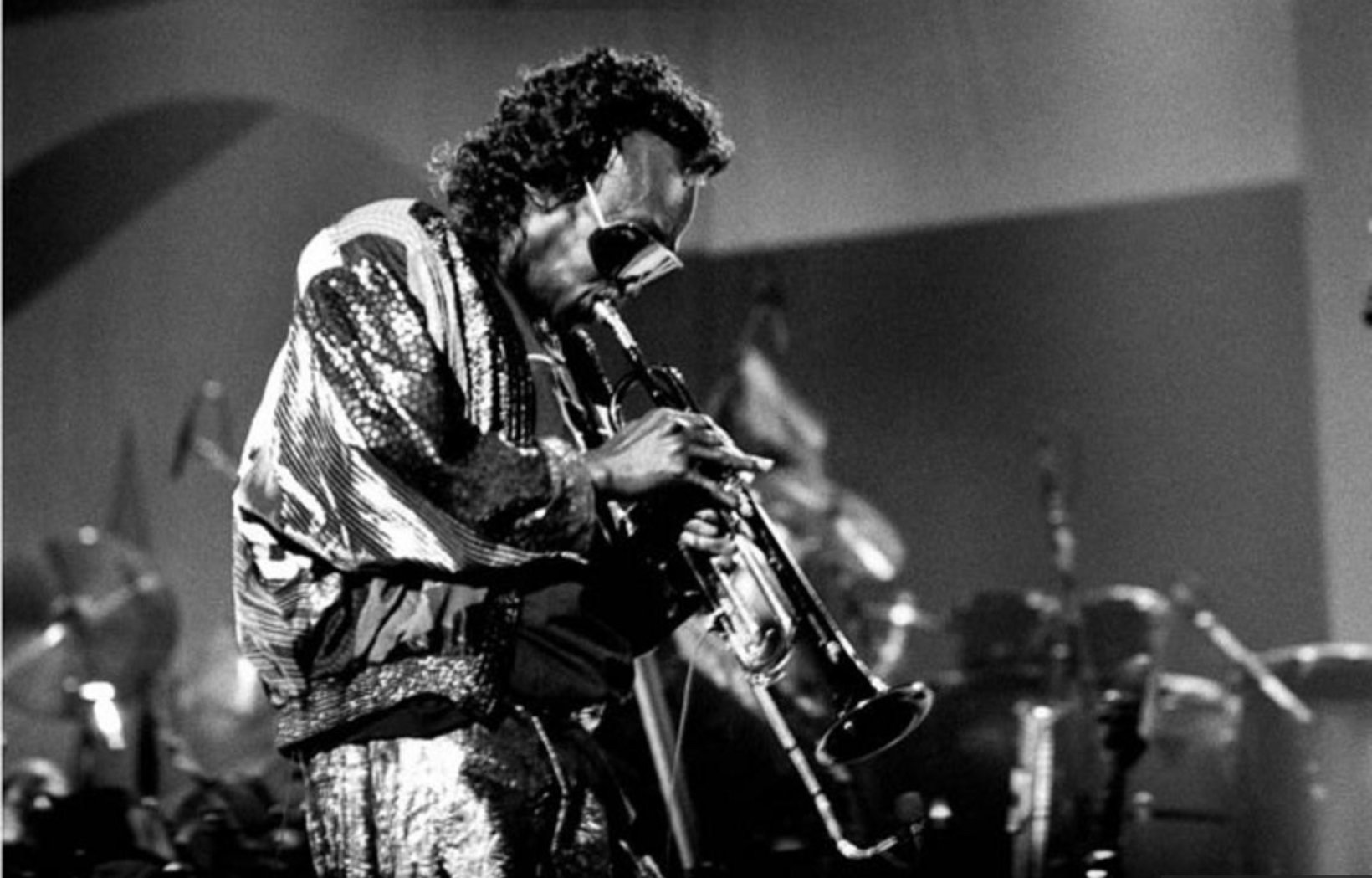
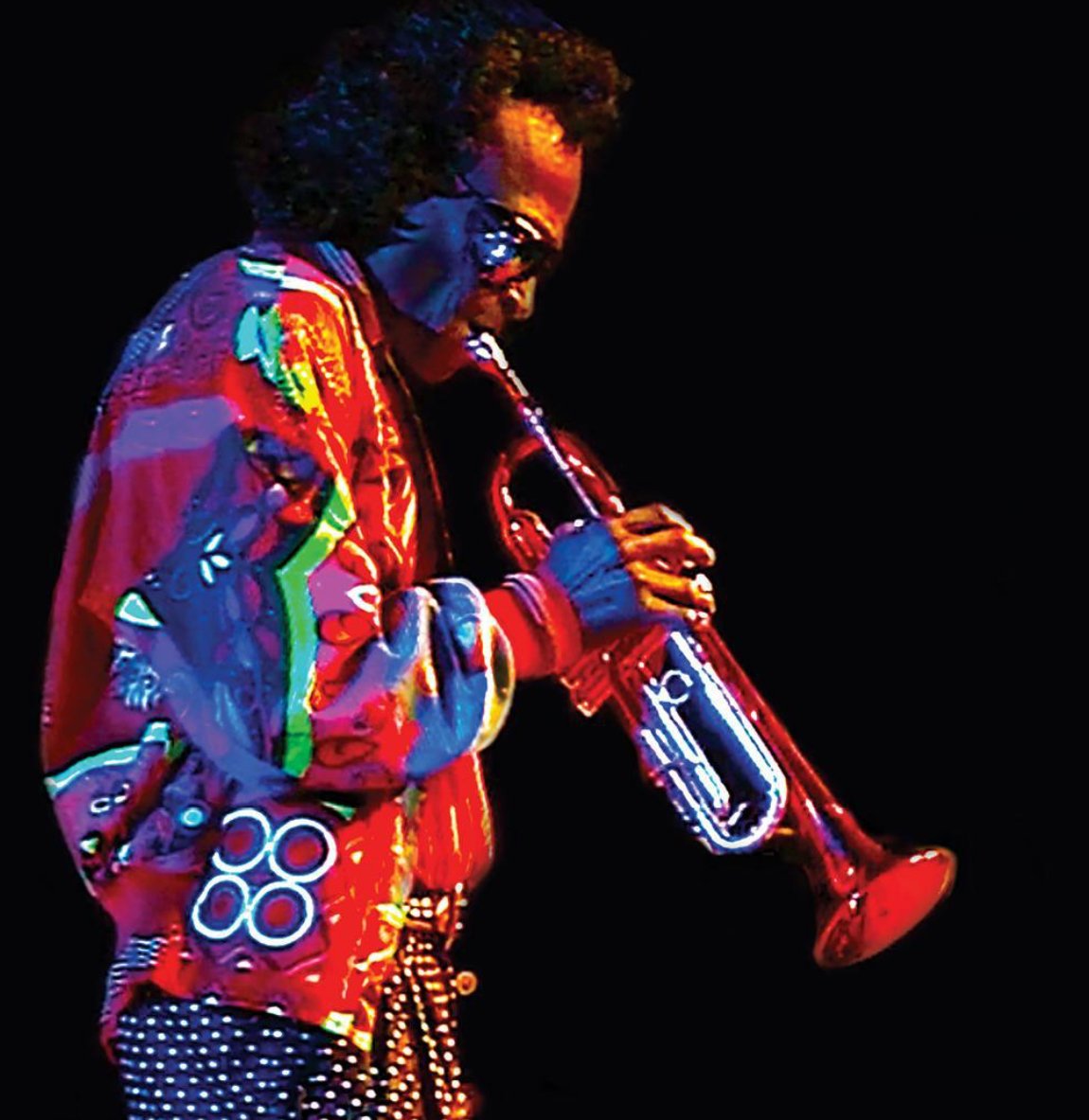
On this day, 21 April 1989, American jazz trumpeter, bandleader, and composer Miles Davis played Cardiff St David’s Hall.

Miles Davis is considered one of the most innovative, influential, and respected figures in the history of music. The Guardian described him as "a pioneer of 20th-century music, leading many of the key developments in the world of jazz." He has been called "one of the great innovators in jazz", and had the titles Prince of Darkness and the Picasso of Jazz bestowed upon him. The Rolling Stone Encyclopedia of Rock & Roll said, "Miles Davis played a crucial and inevitably controversial role in every major development in jazz since the mid-'40s, and no other jazz musician has had so profound an effect on rock.


Review by Steve Duffy - BBC News - 21 April 2016

It was winter in late 1988 and a fax arrived in my newspaper office in Cardiff. Miles Davis would be playing at St David's Hall.

What, Miles Davis? In Cardiff? Now jazz musicians of any ilk, especially undeniable legends, were not exactly queuing up at the Severn bridge tolls at the best of times.

But in the last two years of his life, he took to the road for a handful of UK shows beyond his near-annual London appearance.

He returned to Manchester Apollo for two nights for the first time since a Free Trade Hall gig in 1960. And then there would be two festival appearances - at Birmingham NEC and for Glasgow in its year as city of culture, a return after 17 years.

The Cardiff show in April 1989 was predictably a sell-out. I had invested a sizeable whack of my junior reporter's disposable salary on a ticket - £15. I didn't dare ask for a review ticket. After all, how do you review Miles Davis? I wanted to enjoy myself.

And then I got into a slight disagreement with the guy who got to do the review who insisted he would be disappointed if Davis didn't play Kind Of Blue, his 1959 epoch-making jazz classic. "But he hasn't played it for 30 years," I said. "That's the point of Miles Davis".

That point was, he did not look back. Unfortunately, Davis's music of the late 1980s - textural funky undertones to sparse melodies, mostly muted trumpet and twists on modern pop standards from the likes of Scritti Politti and Cyndi Lauper - has been overlooked somewhat. Many don't go beyond his critically-lauded, admittedly sublime 1950s and 1960s output.

None of that mattered to the lucky folks of Cardiff and Manchester 27 years ago this week. Now, if you wanted banter with the audience and high fives with the front row, then a Miles Davis concert was not the thing. He was more likely to have his back to the stalls. We should be thankful camera phones had not been invented.

Davis cut quite a small figure and walked off stage after a couple of songs before wandering back on a little while later.

There was an aura though, still some magic and the audience reacted quite wildly before the city of Cardiff, barring rare exceptions, could return to its sleepy default position as far as jazz giants are concerned.

The review, incidentally, was headlined "Off-form Miles is unexciting."

"He has the supreme and essential virtue of pleasing no-one but himself," my colleague wrote. I had to plead journalistic differences.

But what was it like being on stage with him?

Keyboard player John Beasley recalls: "It was my first tour with the band, so I was on cloud nine and I was learning from him like crazy.

"We rehearsed for two weeks in New York before so I'd started to get to know everybody."

He remembers the Cardiff concert.

"My family originally came from Wales so I remember the strange accent! We stayed over, it was a hotel not downtown but in a newer area. My wife was just about to have a baby and I hadn't realised they had Toys R Us in the UK too.

"Miles was on the bus with the rest of us - I was shocked, I thought he'd be flying to gigs or in a limo but he was hanging out with the guys. He could be funny. But it wasn't quite like being with your buddies because he was still Miles Davis."

He had been hired after Davis's nephew Vincent Wilburn, a drummer who had been watching Beasley's band play their weekly club set, suggested he record a cassette.

"He liked what we did and said he'd get a tape to Miles. I decided not to think about it but four months later in Florida my wife said, 'Miles Davis called'. Every musician has a joke about when Miles called but he answered when I called the number back."

Fellow keyboard player on the tour Kei Akagi said: "That was one of my first tours with Miles, and I was very green.

"I was trying very hard to find my place musically within such an incredible band. Miles could at times be a thoroughly intimidating and harsh leader, but he was also a very kind and warm person. He gave me a lot of words of encouragement."

Akagi said his concept of playing jazz piano had been formed by a succession of Davis musicians, from Red Garland to Keith Jarrett.

"To suddenly find myself being in Miles' band and occupying a position of such heavy historical import was very scary at first, and an awesome responsibility. It was humbling, to say the least."

Beasley said Davis would give little notes the next day after concerts.
"He'd call you in individually or the group into his dressing room and say what he liked or what he didn't like."

Akagi said: "He didn't tell me a lot about how to play. He could be rather verbally cryptic. But, what remains with me to this day is when he said 'I don't care what you play as long as you mean it'."

One thing which stuck with Beasley was a lesson on the art of leaving space - and when not to play.

"Early on, Miles came over and grabbed my left hand and put it behind my back. Piano players tend to play a phrase and use the left hand to fill in."

Akagi, still playing with his own trio but also a professor of music at the University of California in Irvine, remembers being part of an almost "tribal" tradition in the band.

"It was a curious tension. I think Miles gave us tremendous latitude to express ourselves, but there were definitely some firm boundaries that defined the 'Miles Davis sound'.

Beasley added: "At times he'd sit at his own keyboard - and play these little riffs, and I'd get to accompany him and he'd look over at me playing from over the top of his sunglasses. Sometimes he'd play something at me on his trumpet."


Setlist

Perfect Way

(Scritti Politti cover)

Star People

The Senate / Me & U

(Foley cover)

Jilli

Tutu

Human Nature

(Michael Jackson cover)

Wrinkle

Mr. Pastorius

Hannibal

Time After Time

(Cyndi Lauper cover)

On The Day 20/04/2004 Tim Booth

Images may be subject to copyright

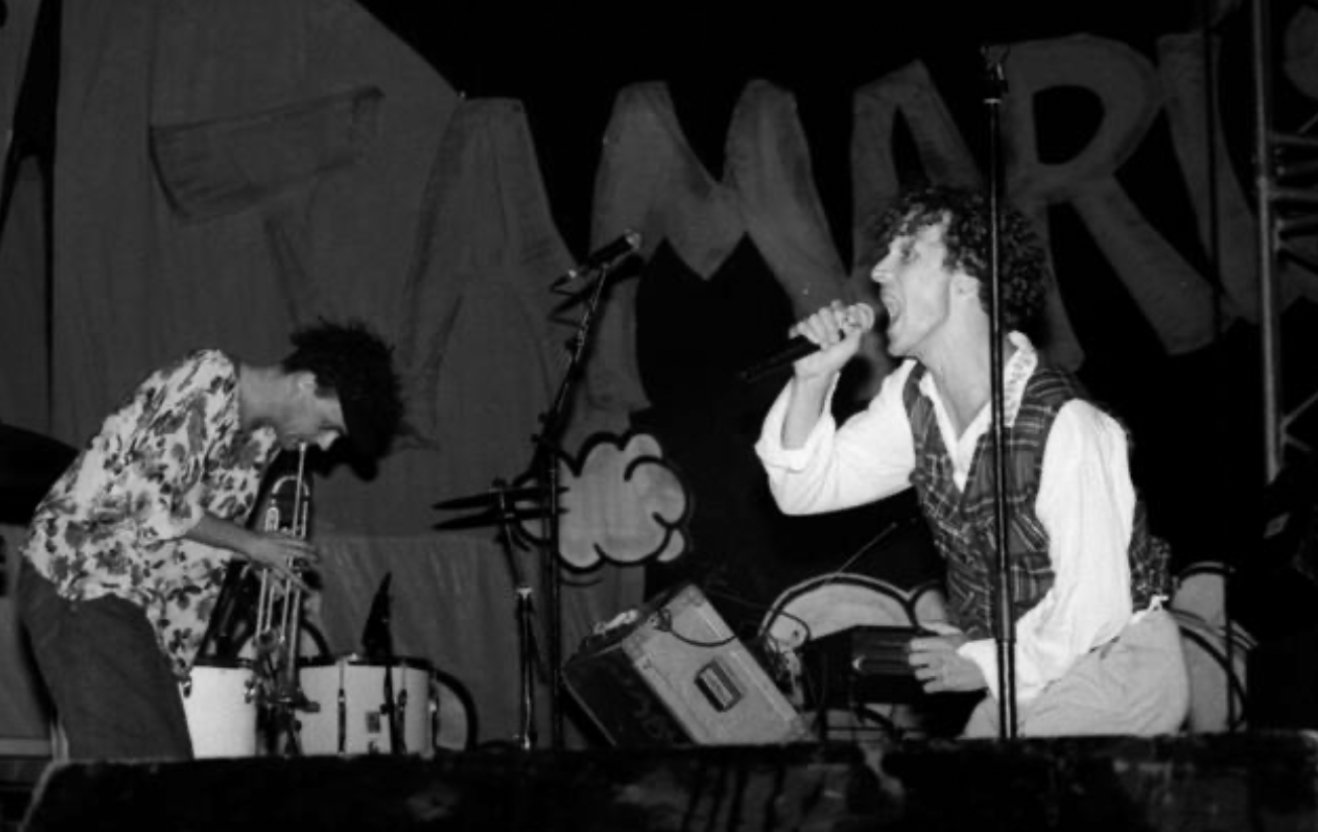
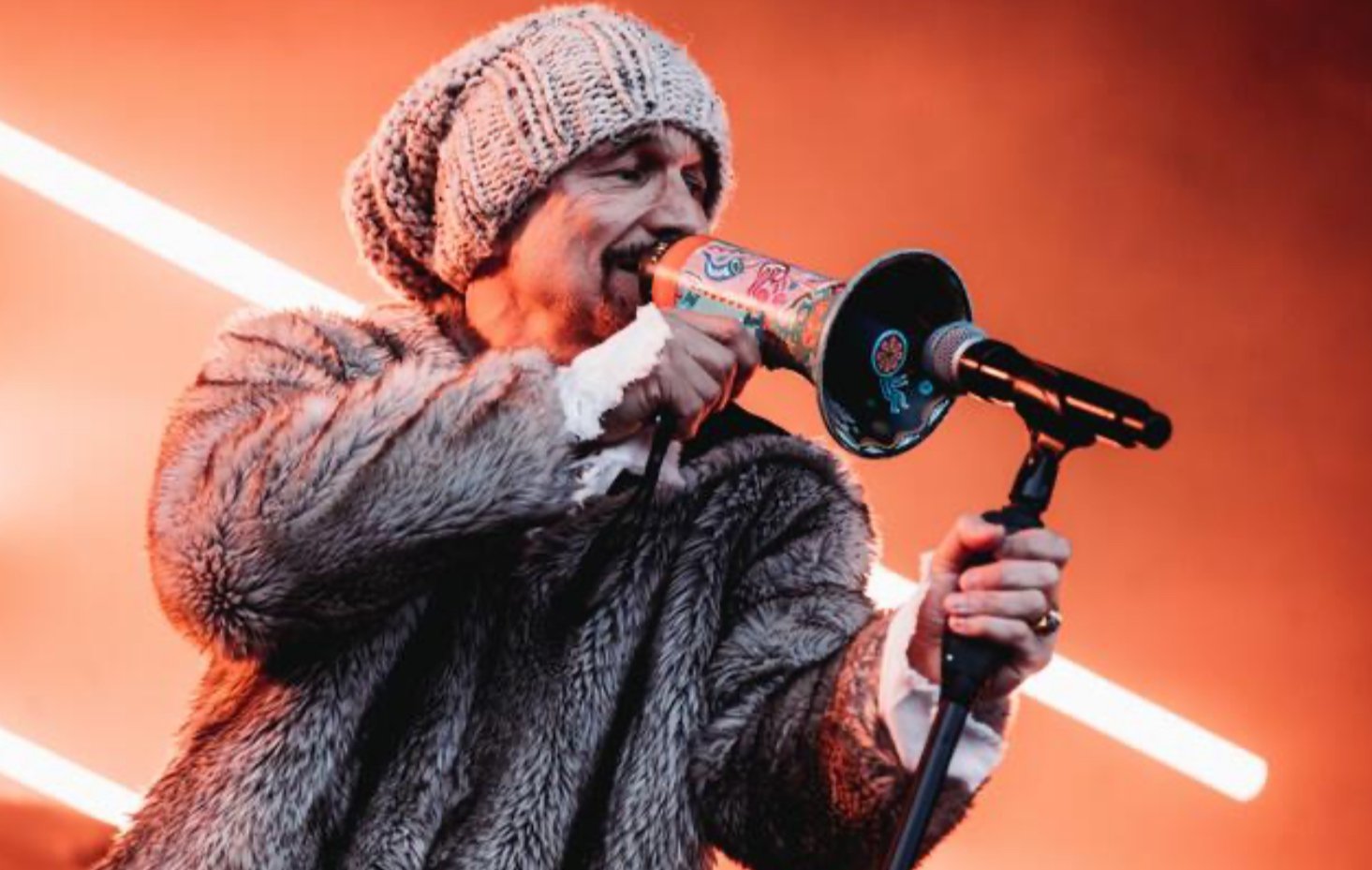
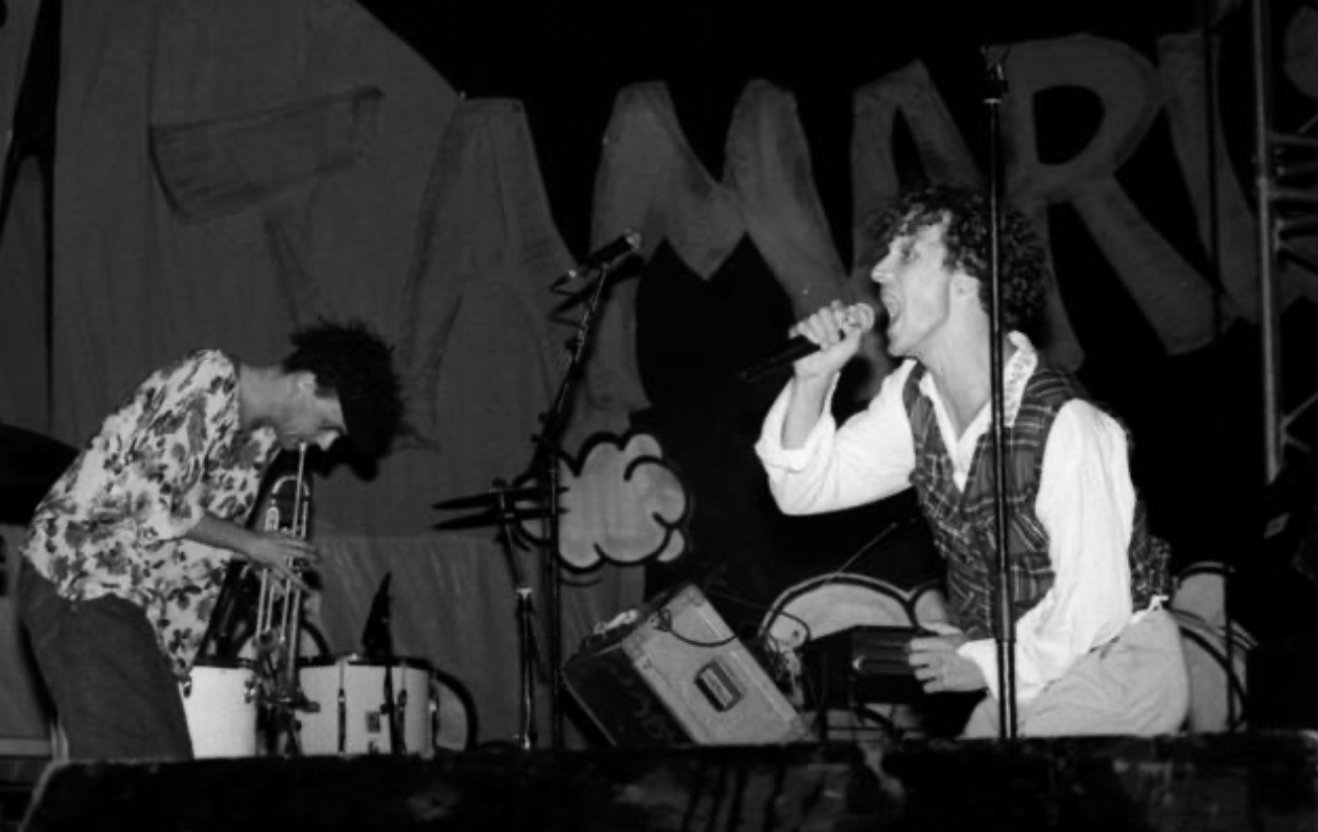
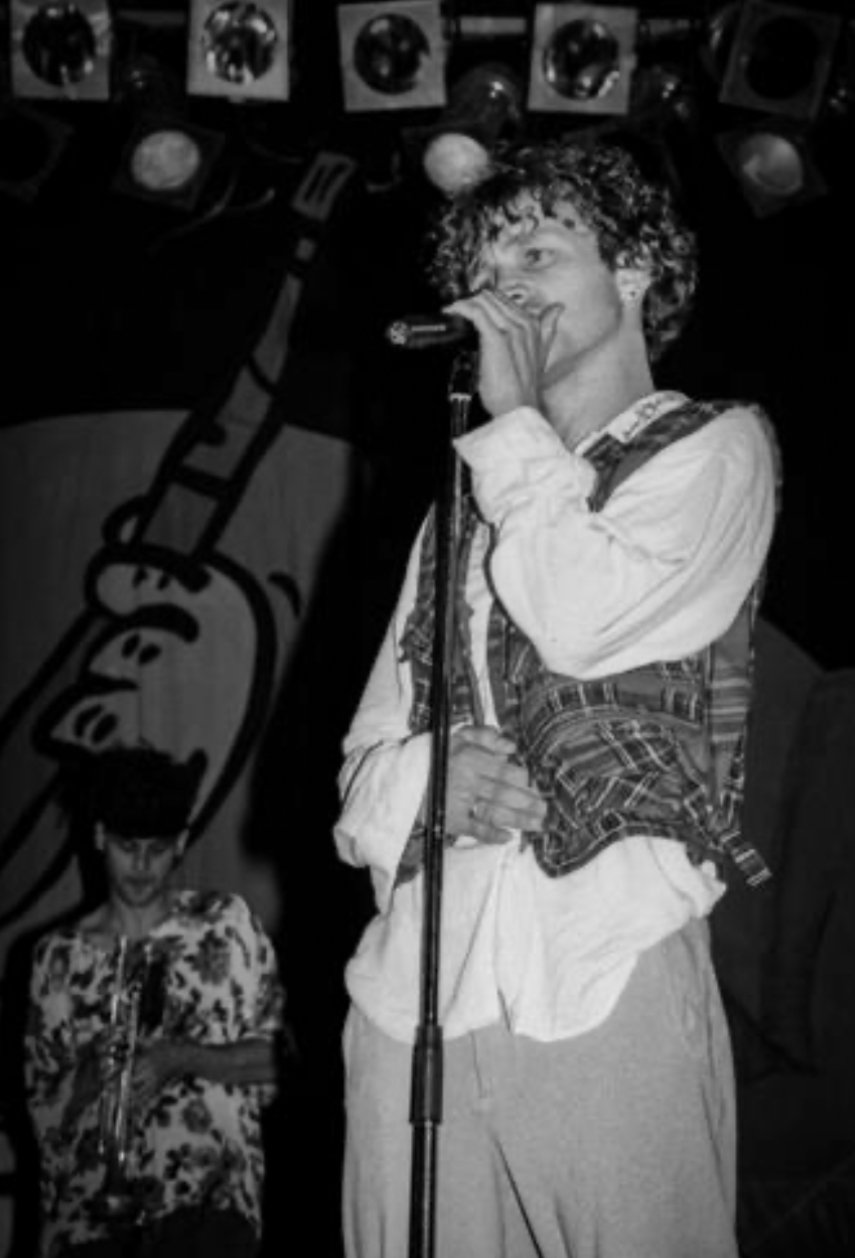
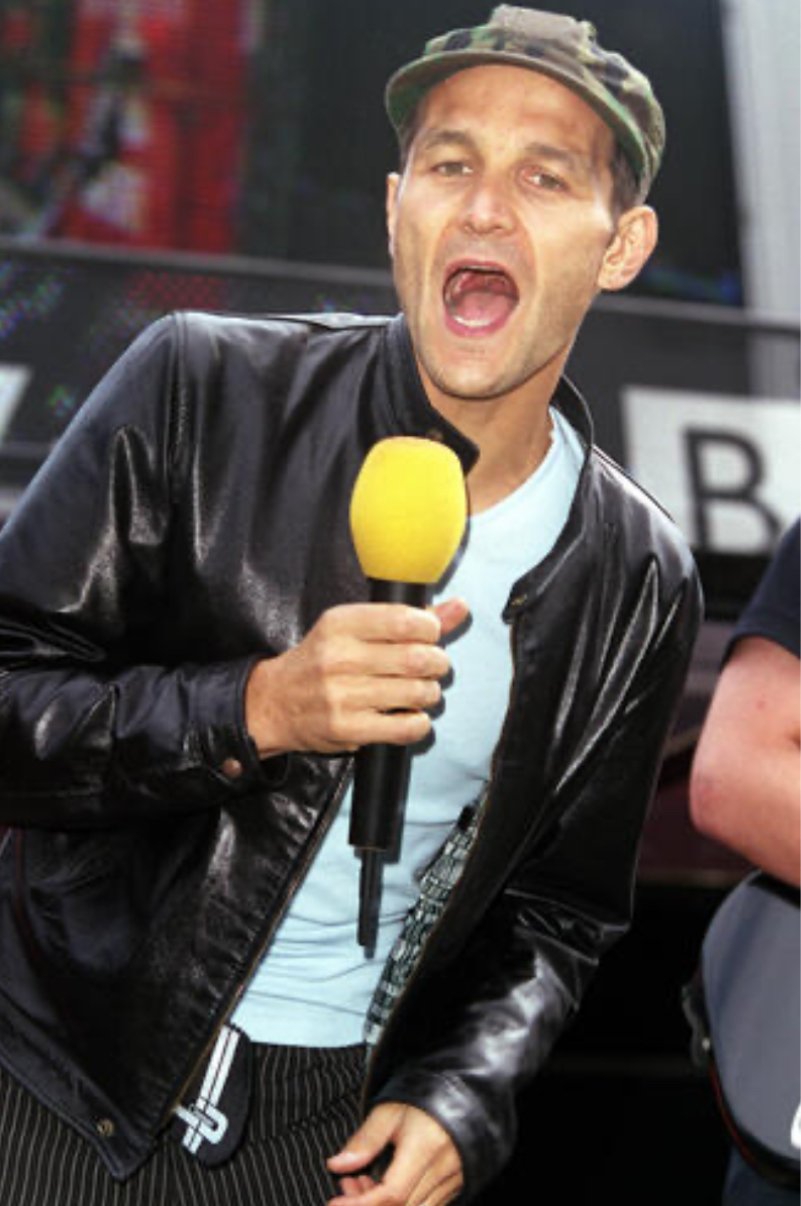
On this day, 20 April 2004, former James frontman Tim Booth played Cardiff’s Engine Rooms.

He is the lead singer and co-founder of the indie rock band James, and co-wrote several of their hit singles including "Sit Down", "Come Home", and "Laid". As an actor, Booth is also known for portraying Victor Zsasz in the 2005 film Batman Begins.

After a struggle for success and recognition throughout the 1980s, James finally achieved commercial success in the early 1990s with the rise of the Madchester music scene, and their single "Sit Down" reached number 2 in the UK Singles Chart

During 1995, Booth took a break from James and recorded an album with film composer Angelo Badalamenti, entitled Booth and the Bad Angel. He then returned to James to complete the recording of the album Whiplash, and stayed with the band until 2001 when he announced his departure to concentrate on other projects.
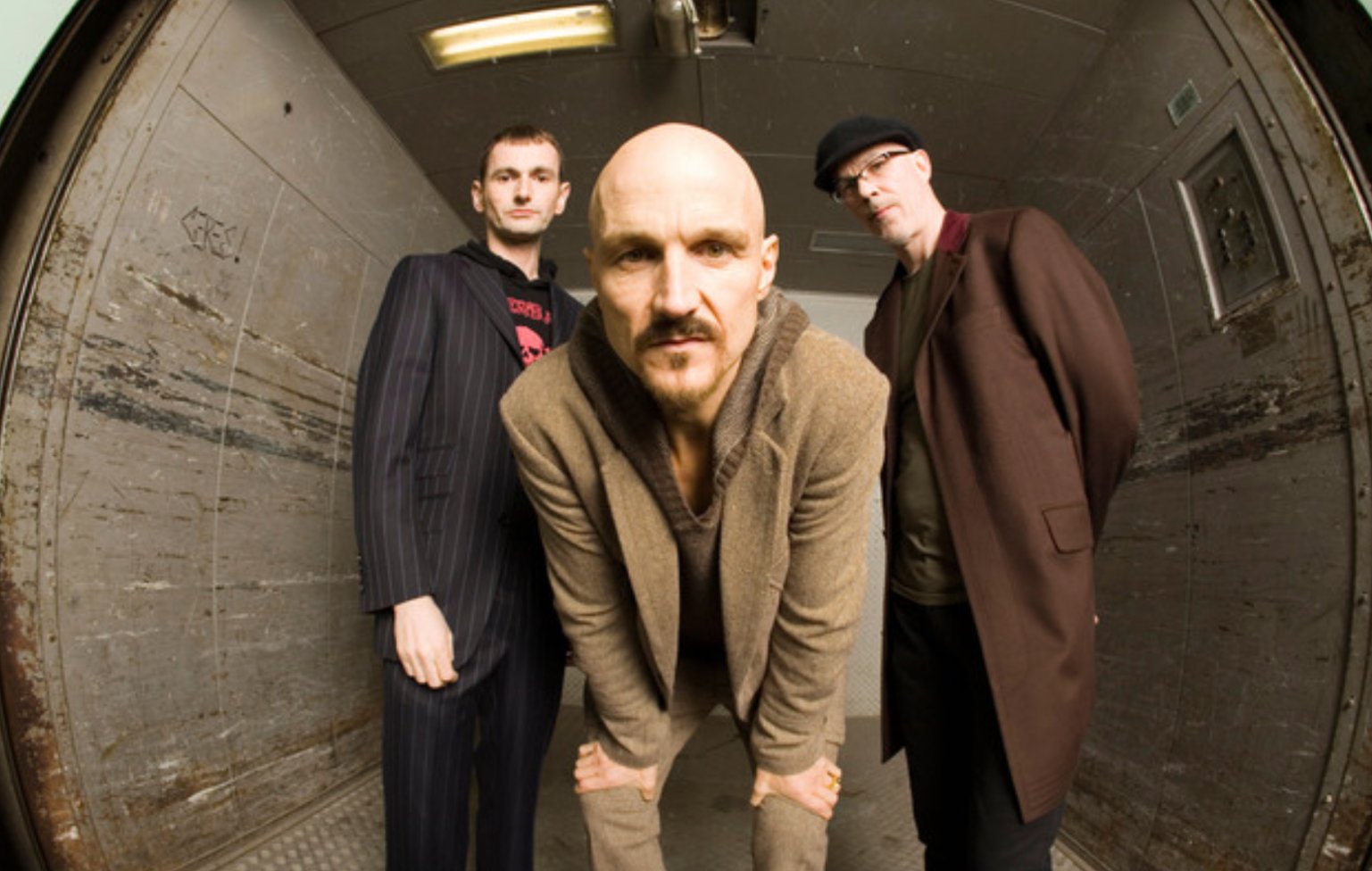
After leaving James, Booth spent time concentrating on teaching the dance practice known as the 5Rhythms, a movement meditation practice. In 2004, together with record producer Lee Muddy Baker and songwriter KK (Kevin Kerrigan), he released his first solo album, Bone, to general critical acclaim, though he referred to it as a collaborative effort and preferred to credit the album to 'Tim Booth & the Individuals' as opposed to taking sole credit.

On This Day 19/04/1989 The Vibrators

Images may be subject to copyright

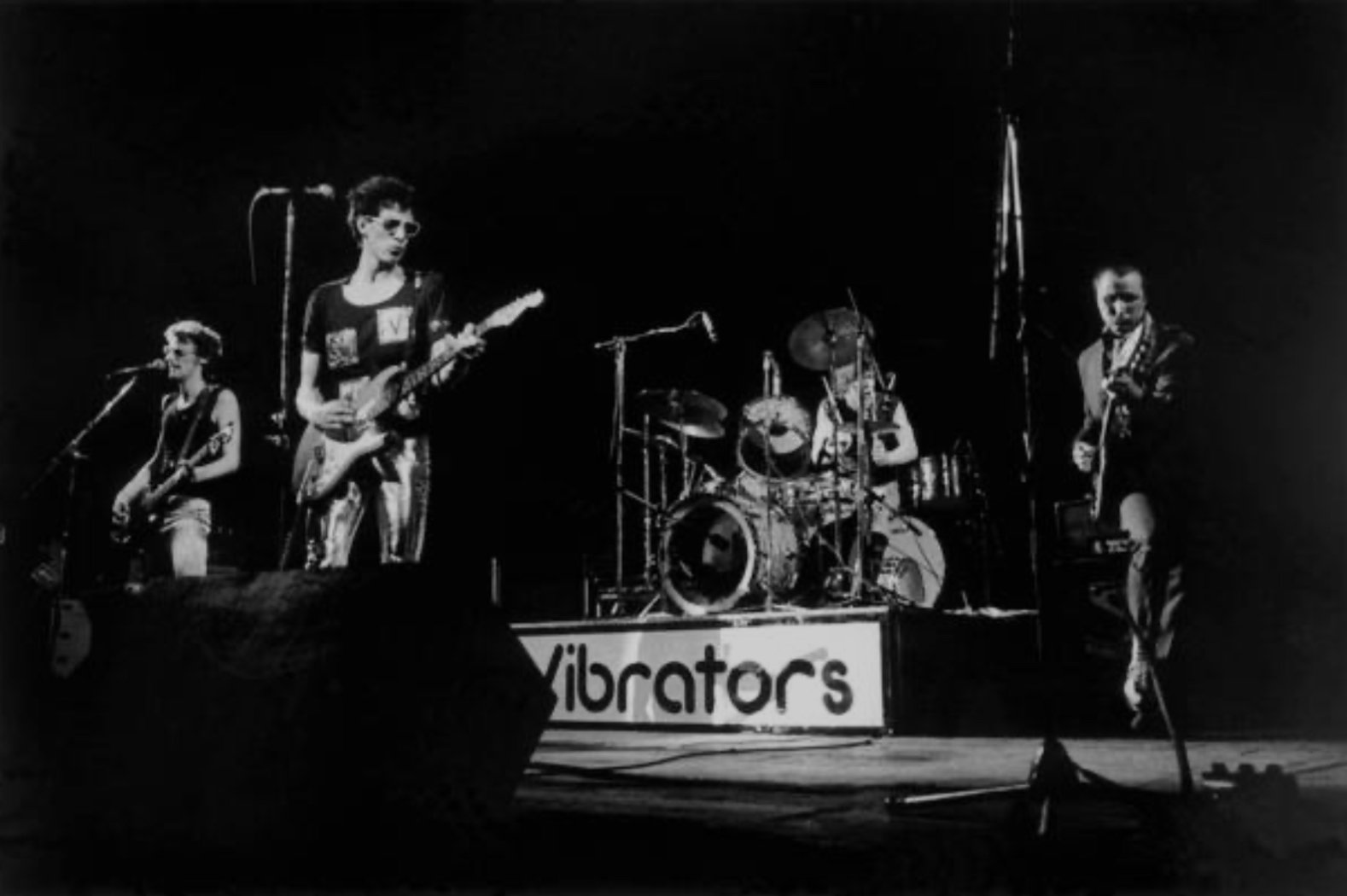
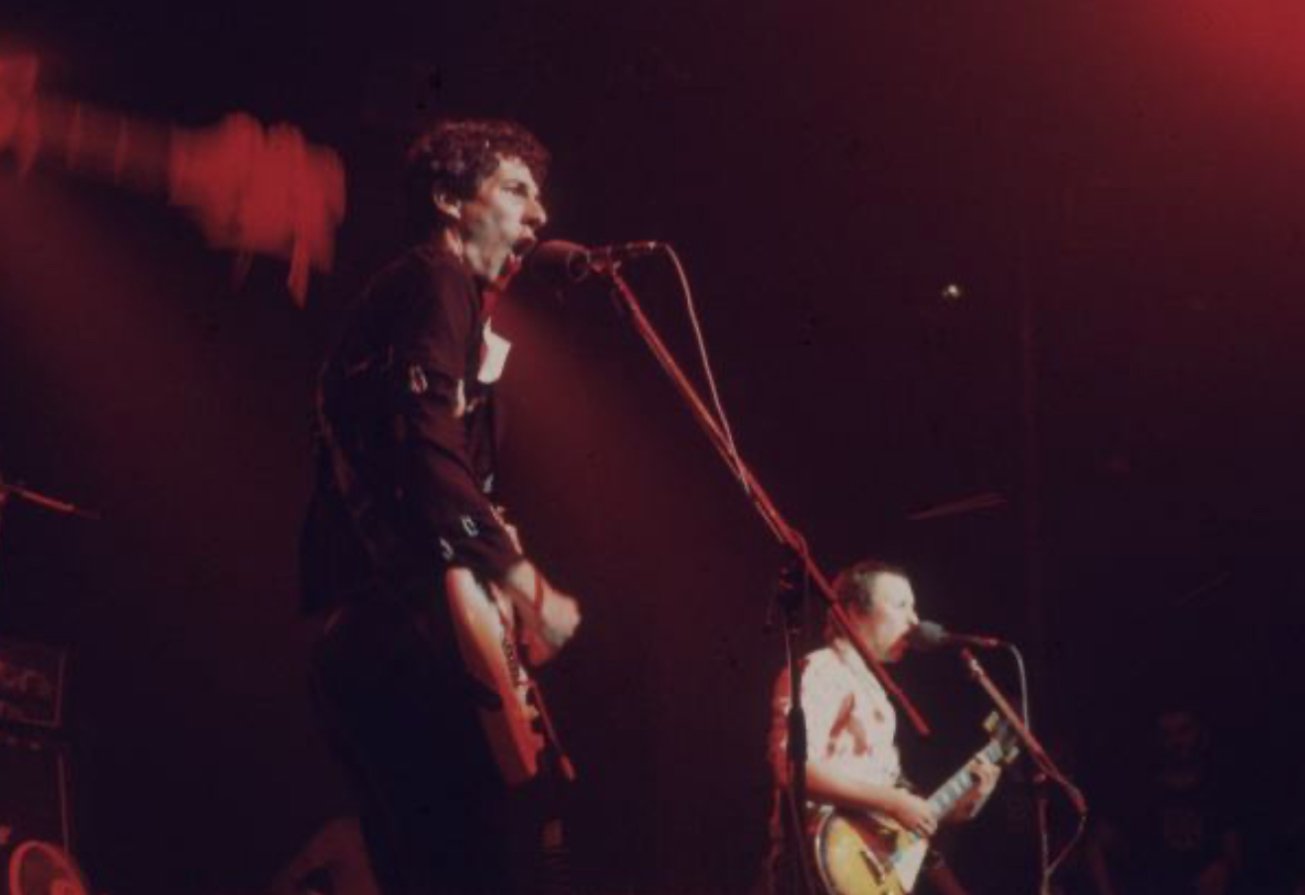
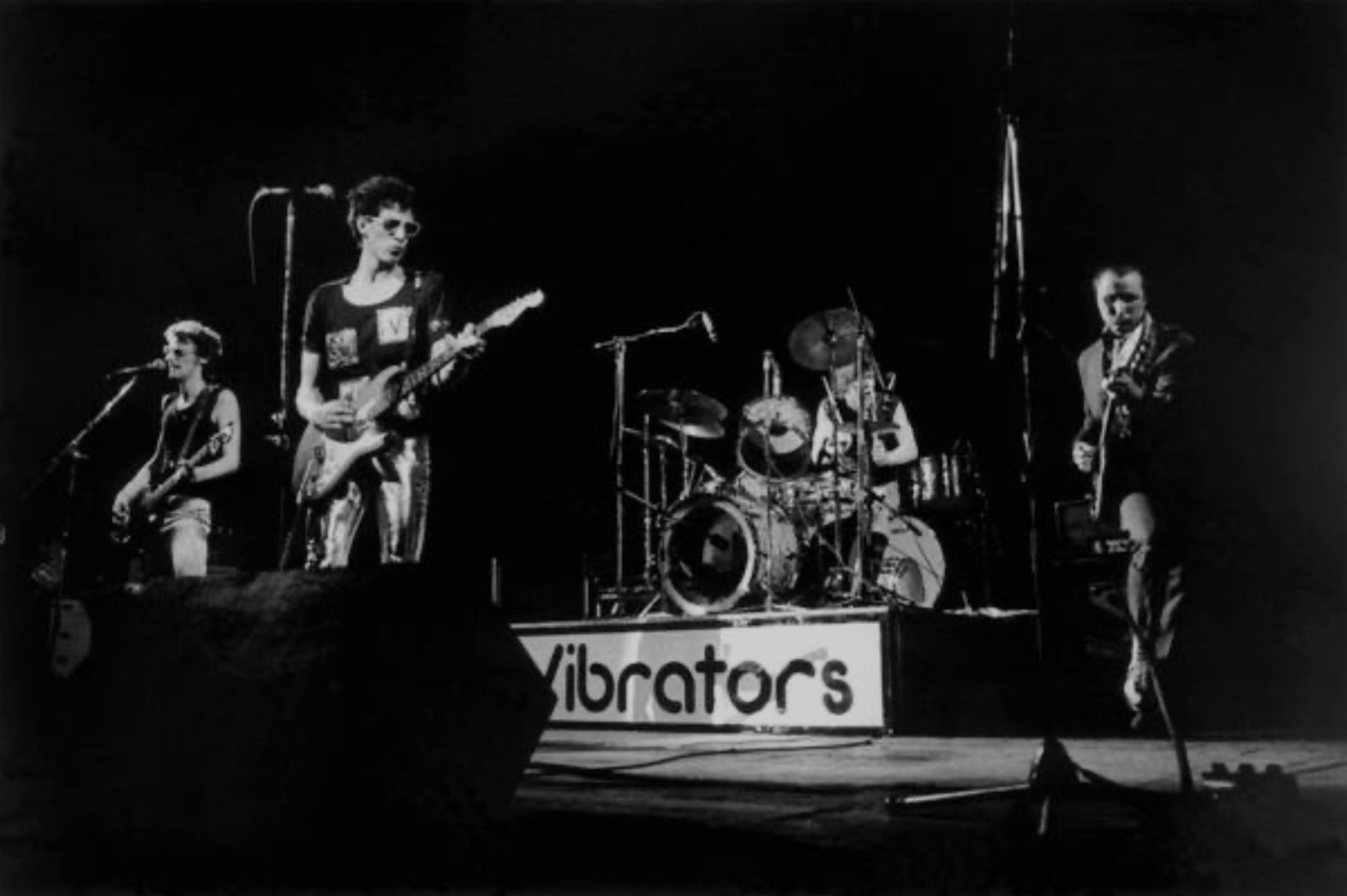
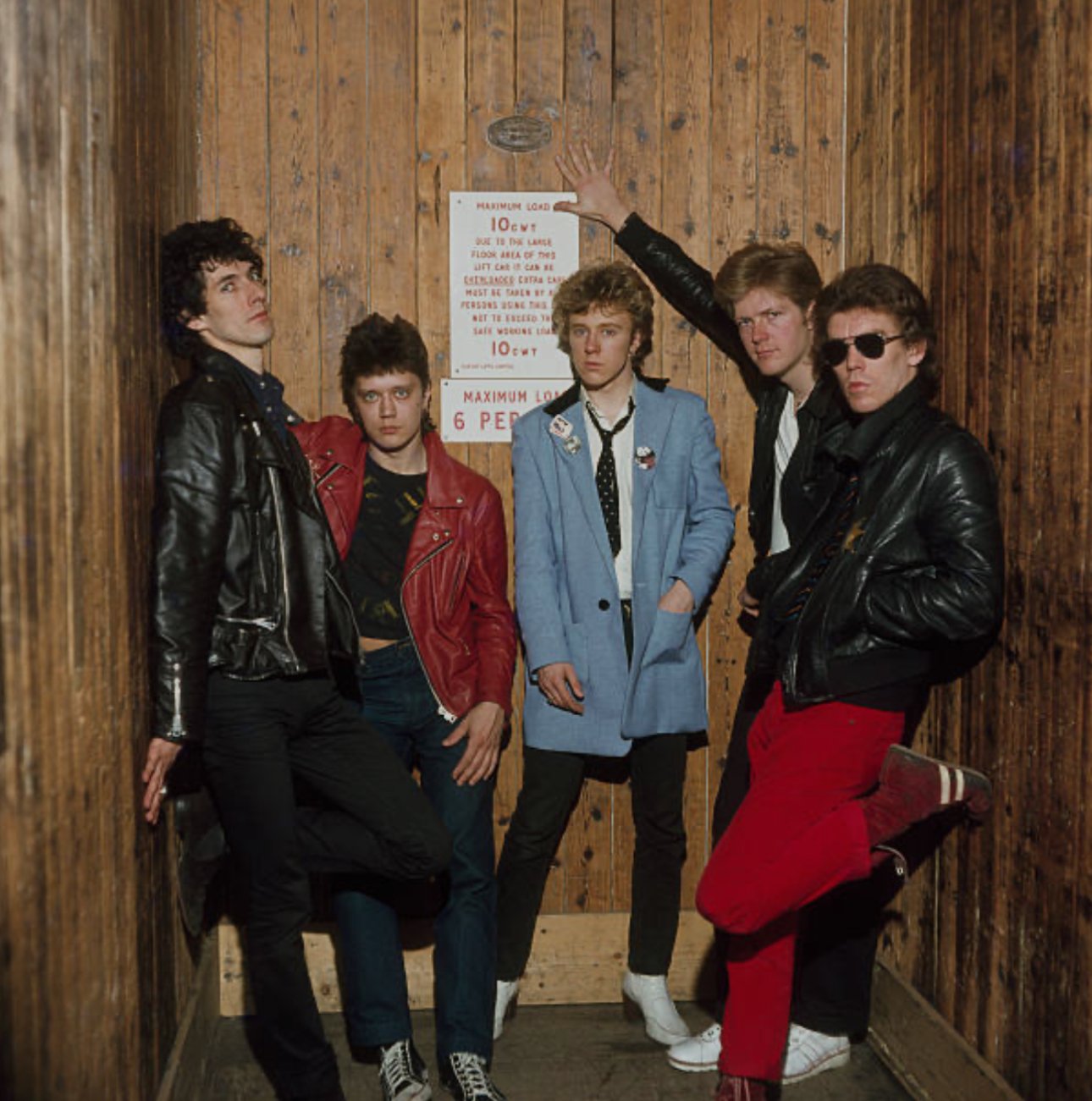
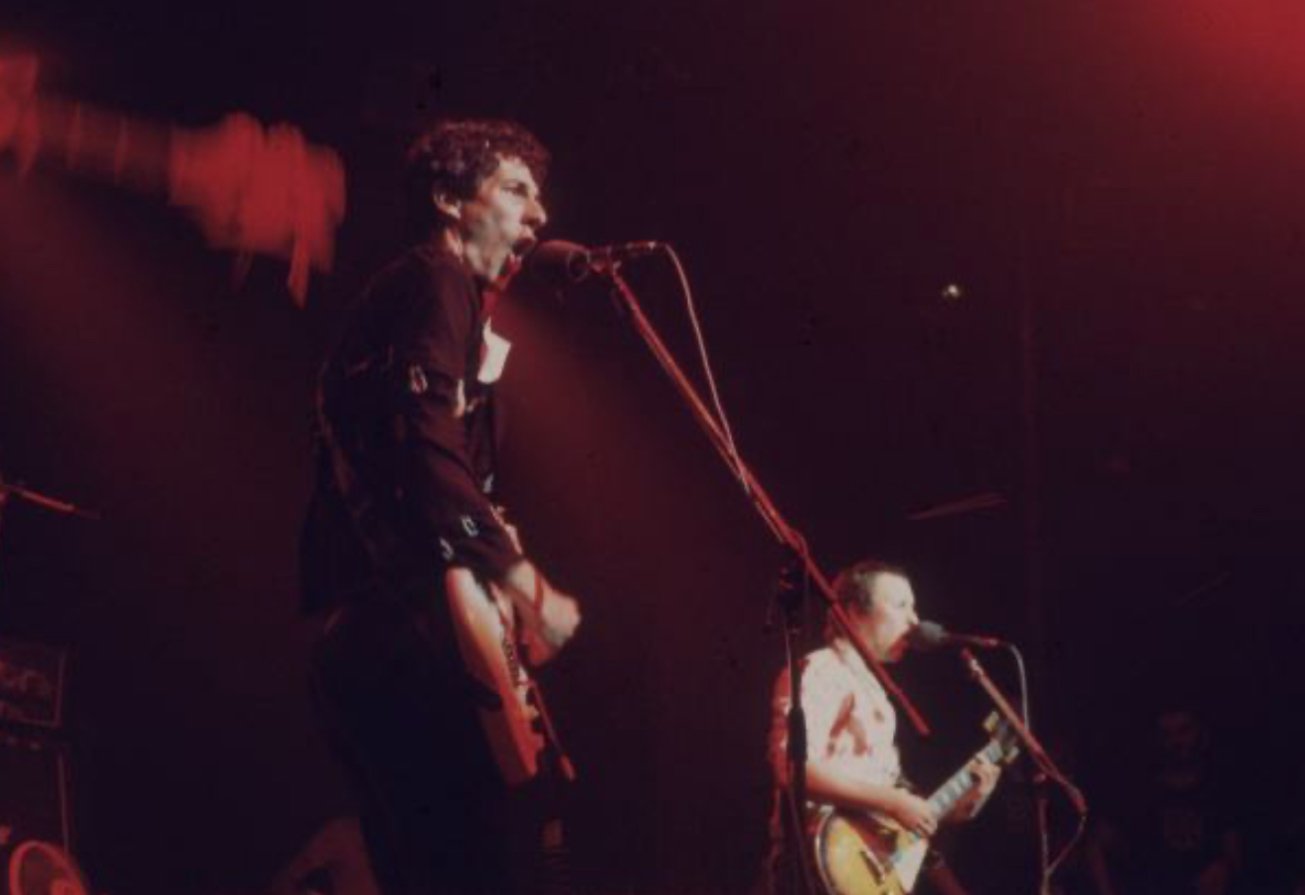
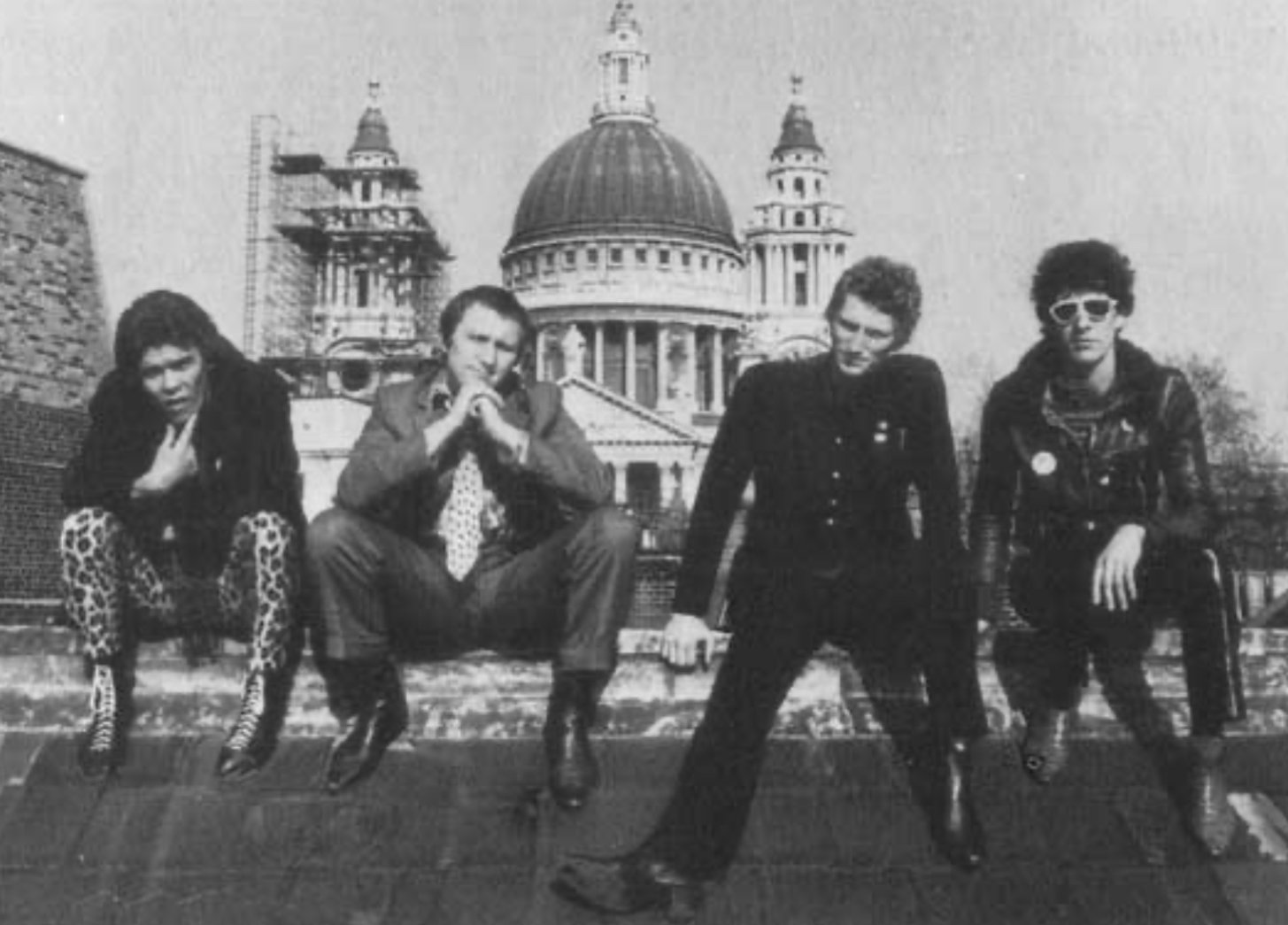
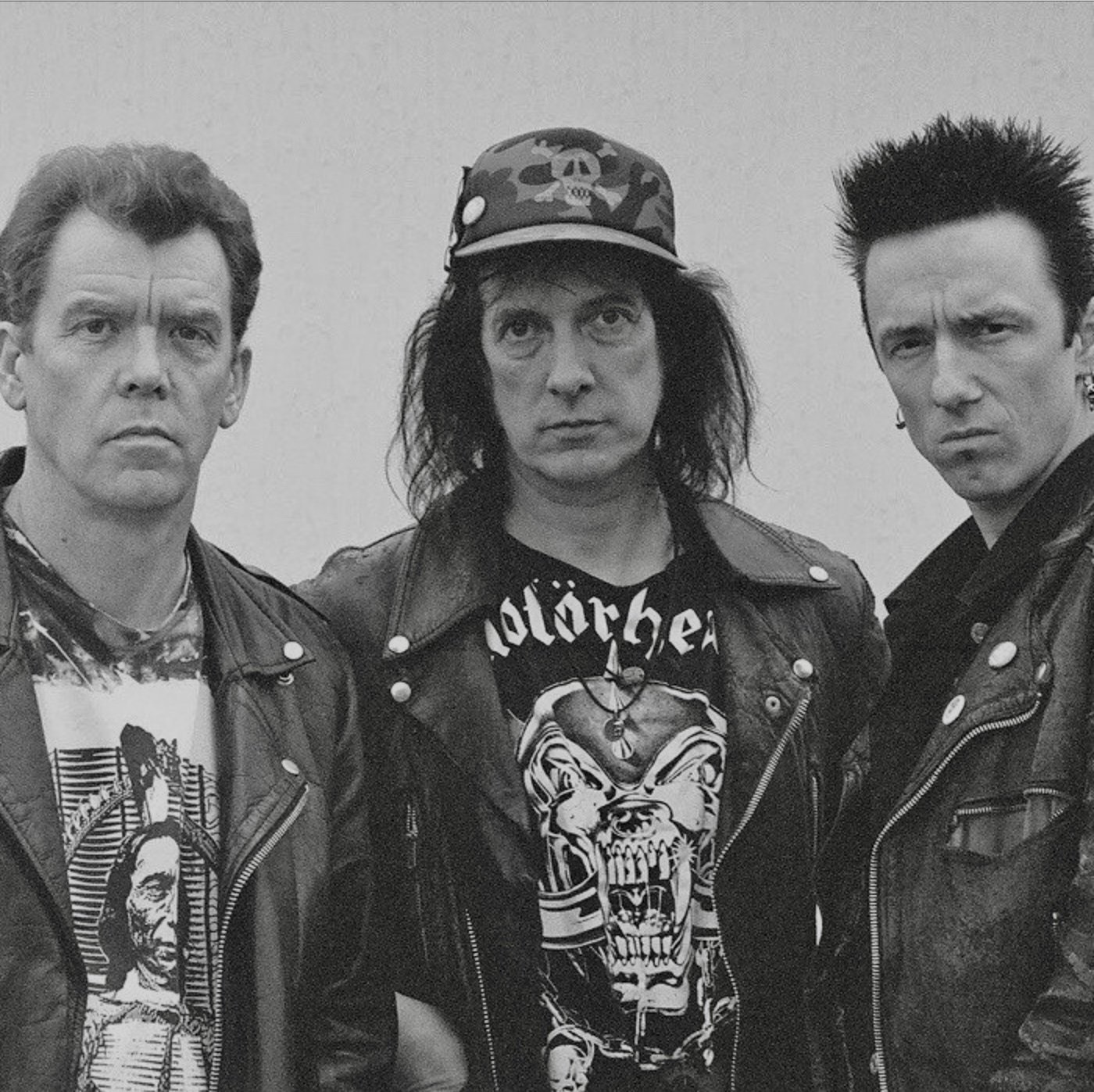
On this day, 19 April 1989, British punk band The Vibrators played The Venue, Cardiff.

The Vibrators were founded in 1976 by Ian 'Knox' Carnochan, bassist Pat Collier, guitarist John Ellis, and drummer John 'Eddie' Edwards. They first came to public notice at the 100 Club when they backed Chris Spedding in 1976. On Spedding's recommendation, Mickie Most signed them to his label RAK Records. Most produced their first single, "We Vibrate". The band also backed Spedding on his single, "Pogo Dancing".
The Vibrators recorded sessions for John Peel at BBC Radio 1 in October 1976, June 1977, and February 1978. They were one of the pioneering punk bands that played at London's Roxy Club. They headlined in January 1977, supported by the Drones, and in February they played twice at the venue. In March 1977, the band supported Iggy Pop on his British tour. Later that year, they backed ex-Mott the Hoople frontman Ian Hunter.

The band signed to Epic Records in early 1977. Their debut album, Pure Mania was co-produced with Robin Mayhew, the sound engineer for David Bowie's Ziggy Stardust live shows, and reached the top 50 of the UK Albums Chart. The album is well regarded by some music critics and, 17 years after its release, The Guinness Encyclopedia of Popular Music named Pure Mania one of the 50 best punk albums of all time.

Their follow-up album, V2, narrowly missed the UK top 30. The only single to be taken from that album, "Automatic Lover", was the only Vibrators' single to reach the UK top 40 where it reached No. 35. It earned the band a TV appearance on the prime-time TV show Top of the Pops. The Vibrators' final single on Epic, "Judy Says (Knock You in the Head)", was released in June 1978. It reached No. 70 on the UK Singles Chart. Years later it was included in Mojo magazine's list of the best punk rock singles of all time.

During the 1980s, John Ellis recorded with Peter Gabriel, as well as recording and touring frequently with Peter Hammill, then subsequently the Stranglers, eventually joining the latter full-time in the 1990s. Pat Collier went on to work closely with the Soft Boys, producing their seminal album Underwater Moonlight, and Robyn Hitchcock, producing and mixing some of his solo albums (to which Knox also sometimes contributed). Phil Ram went on to form Able Ram and brought out two singles, "Disco in Moscow" and "Hope We Make It", although without any chart success. Despite numerous line-up changes, the Vibrators continued to record and tour as a three-piece, with "Eddie" being the only original member.

On This Day 18/04/2002 Here And Now Tour ABC

Images may be subject to copyright

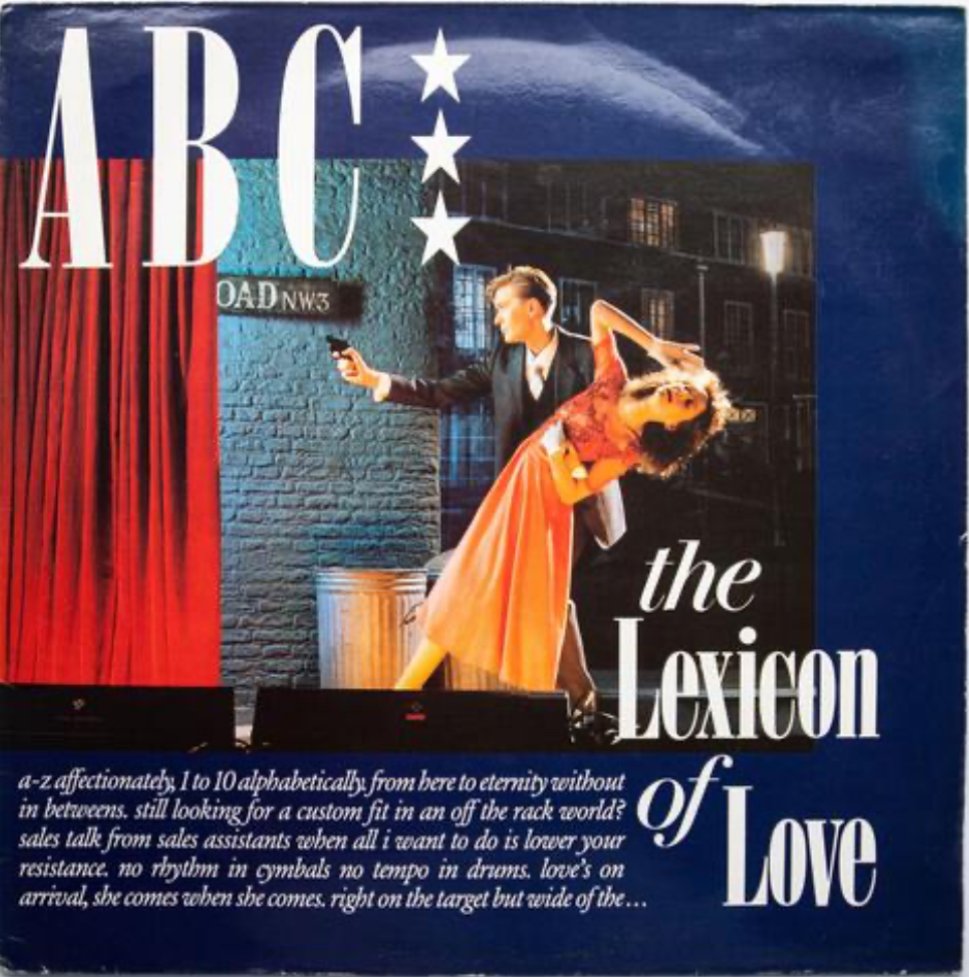
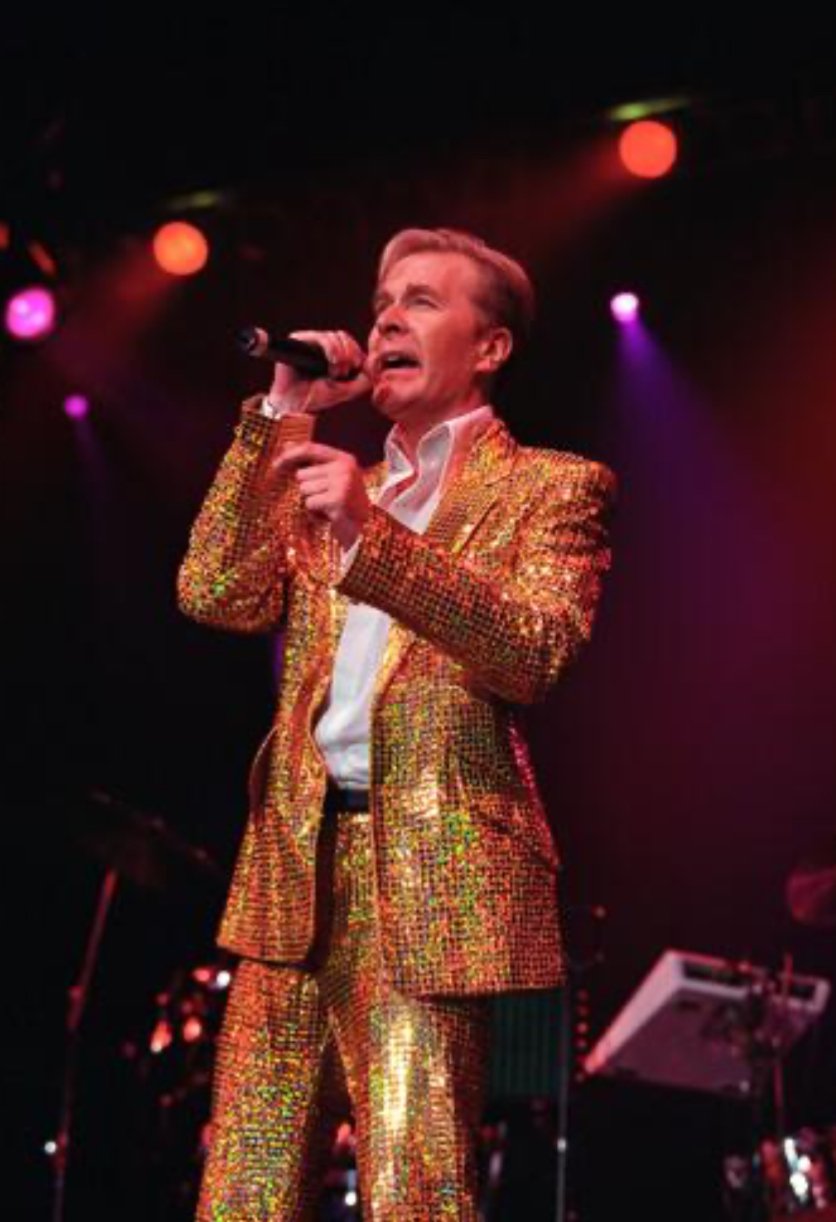
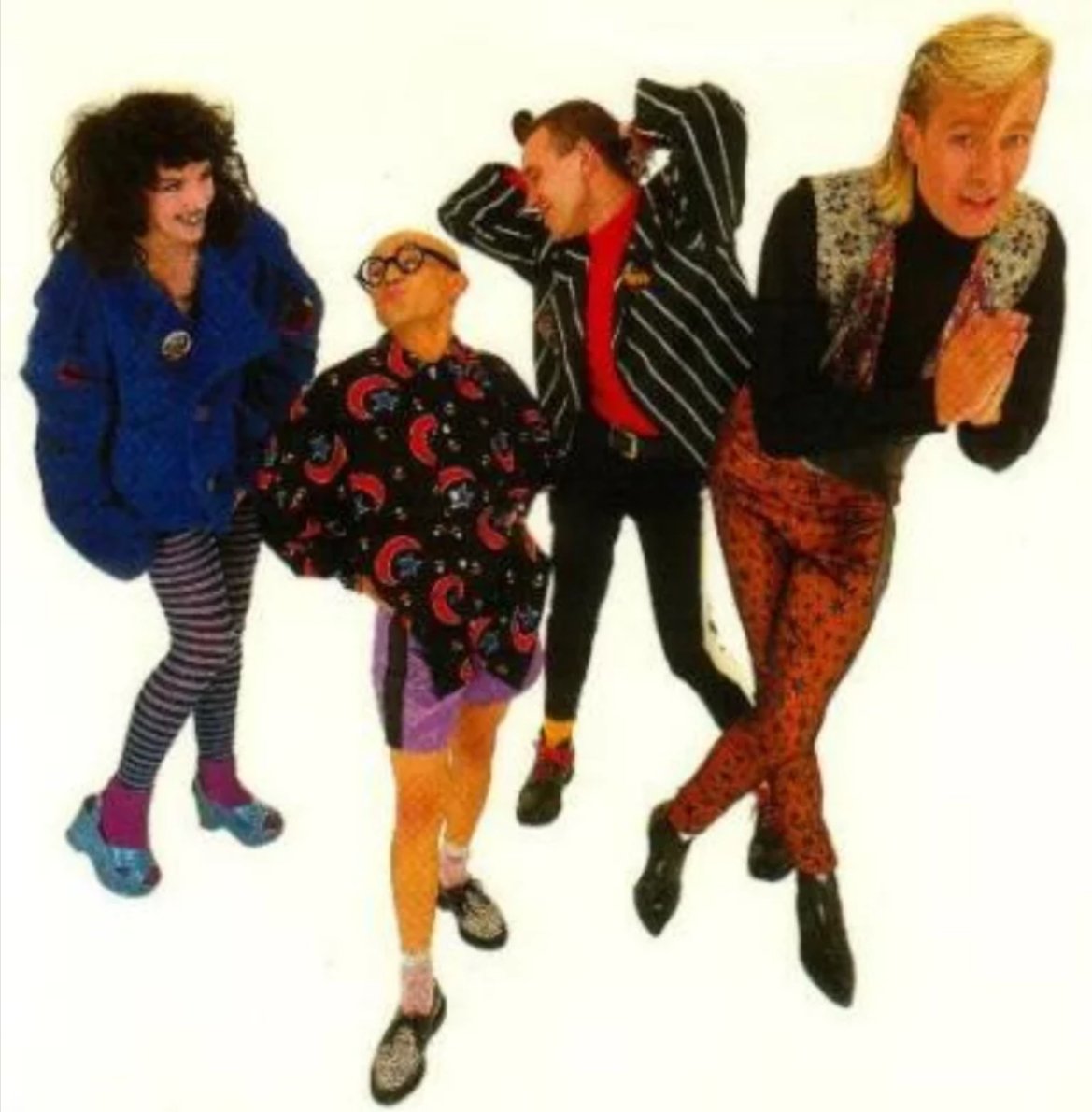
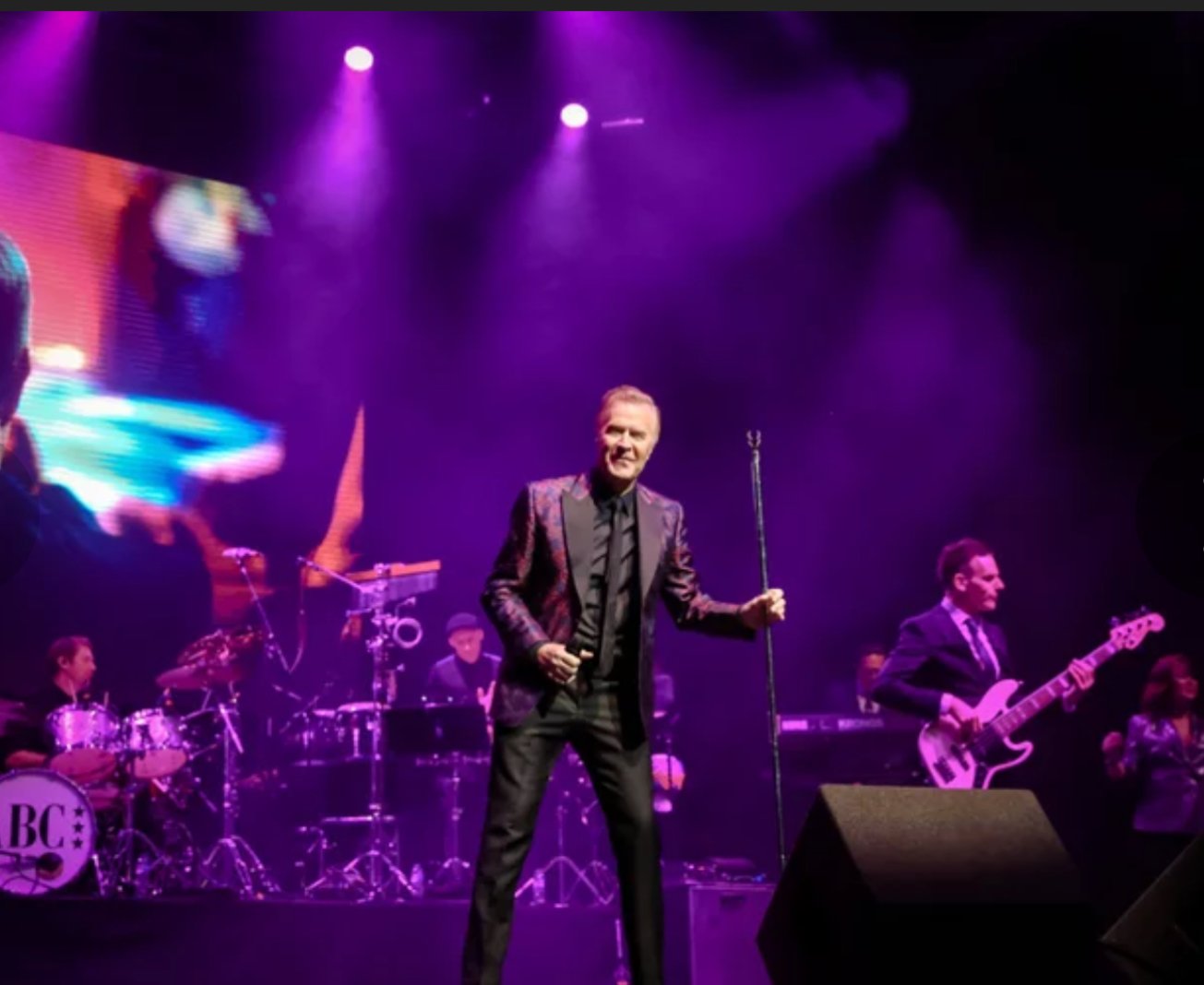
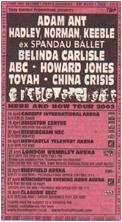
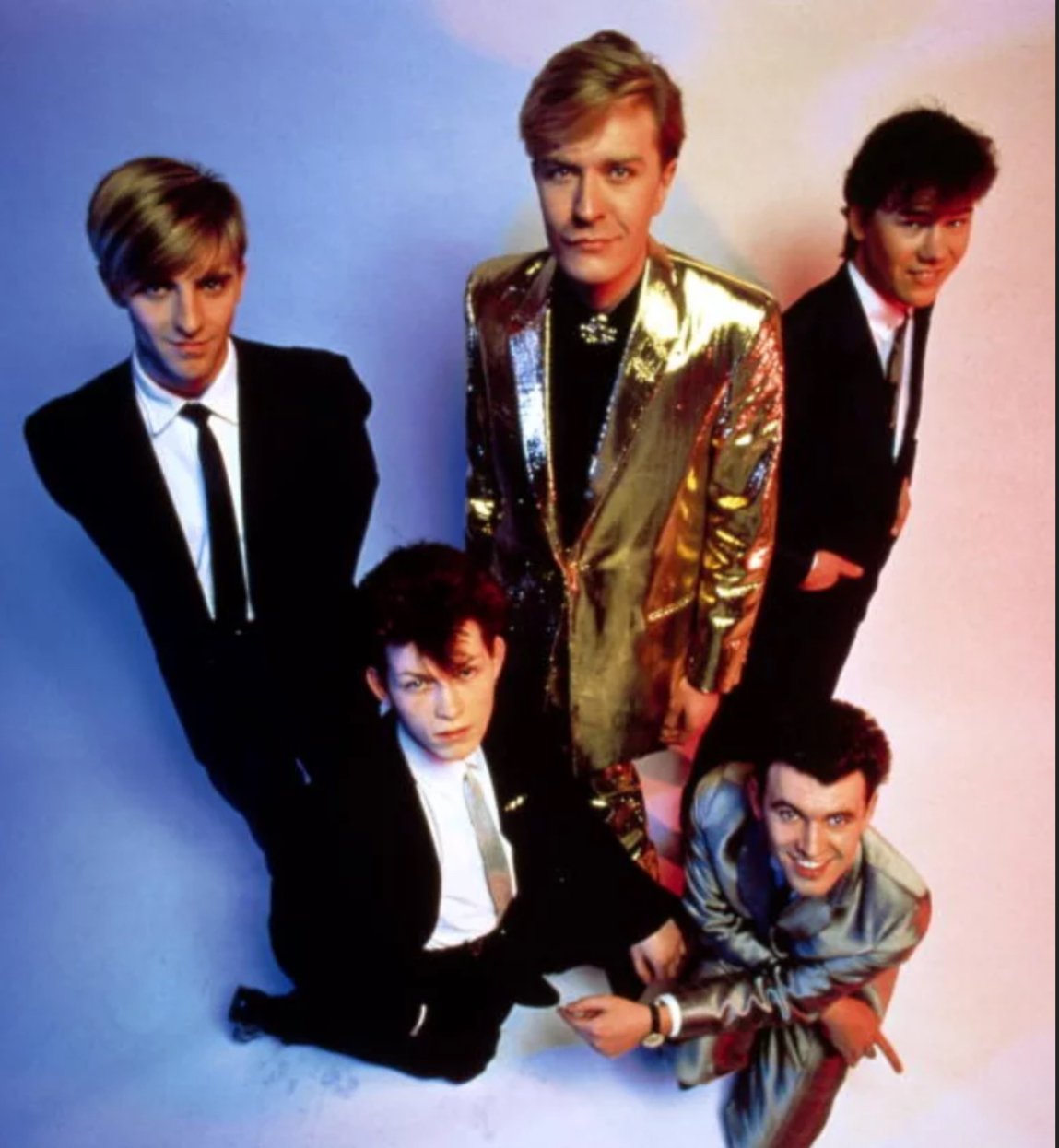
On this day, 18 April 2002, 80’s popsters ABC played Cardiff International Arena as part of an eighties package including Adam Ant, Belinda Carlisle, China Crisis, Howard Jones, Toyah and ex Spandau Ballet bandmates, Tony Hadley, Steve Norman and John Keeble.

ABC has its roots in Vice Versa, a Sheffield band formed in 1977 by synthesizer players Stephen Singleton and Mark White. Their debut gig was as the support to Wire at the Outlook club in Sheffield. They founded their own label, Neutron Records, releasing the EP Music 4. Martin Fry, who wrote the fanzine Modern Drugs, interviewed Vice Versa and shortly afterwards they asked him to join as synthesizer player. Fry accepted and by late 1980 the band had evolved into ABC, with Fry becoming lead singer.

The band's last day as Vice Versa was at the Futurama 2 Festival in Leeds in September 1980; from then on it performed as ABC, with Singleton playing saxophone and White on guitar and keyboards. In the new year, Singleton and White were joined by Mark Lickley on bass and David Robinson on drums.

The band's first single, "Tears Are Not Enough", made the UK top 20 in 1981. Soon afterwards, Robinson left the band and was replaced by David Palmer; Lickley departed shortly thereafter and was not replaced. In 1982, the band released their debut studio album The Lexicon of Love, which reached number one on the UK Albums Chart. Produced by Trevor Horn, it often featured in UK critics' lists of favourite albums: it ranked 42nd in The Observer Music Monthly's "Top 100 British Albums" (June 2004) and 40th in Q magazine's "100 Greatest British Albums" (June 2000).

The band had three top 10 hits during 1982: the singles "Poison Arrow", "The Look of Love" (both of which were recorded whilst Mark Lickley was still a member of the band), and "All of My Heart".[5] Several high-concept music videos were made, including the long-form spy pastiche "Mantrap" by Julien Temple.

On This Day 17/04/2002 The Dubliners

Images may be subject to copyright

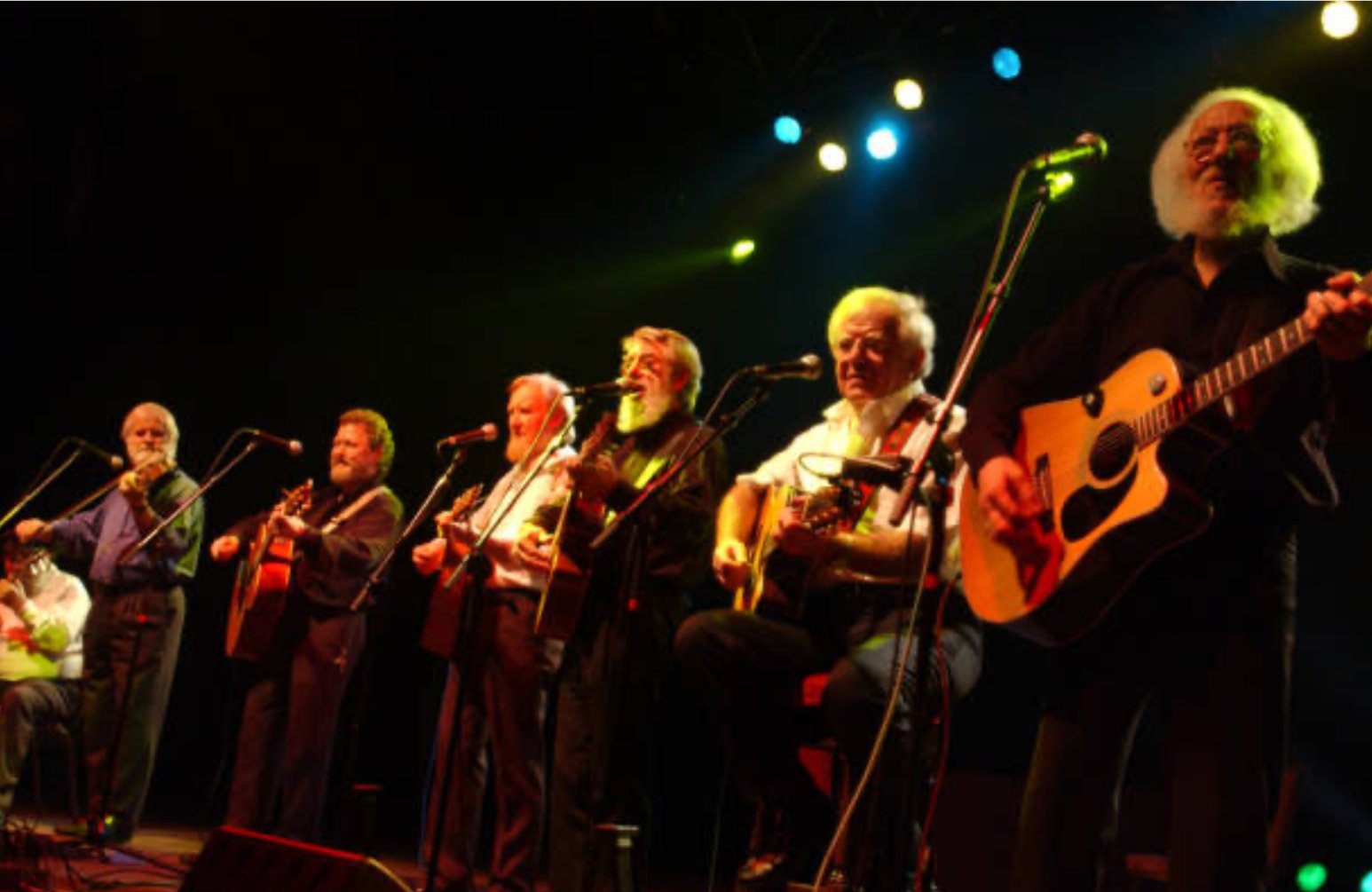
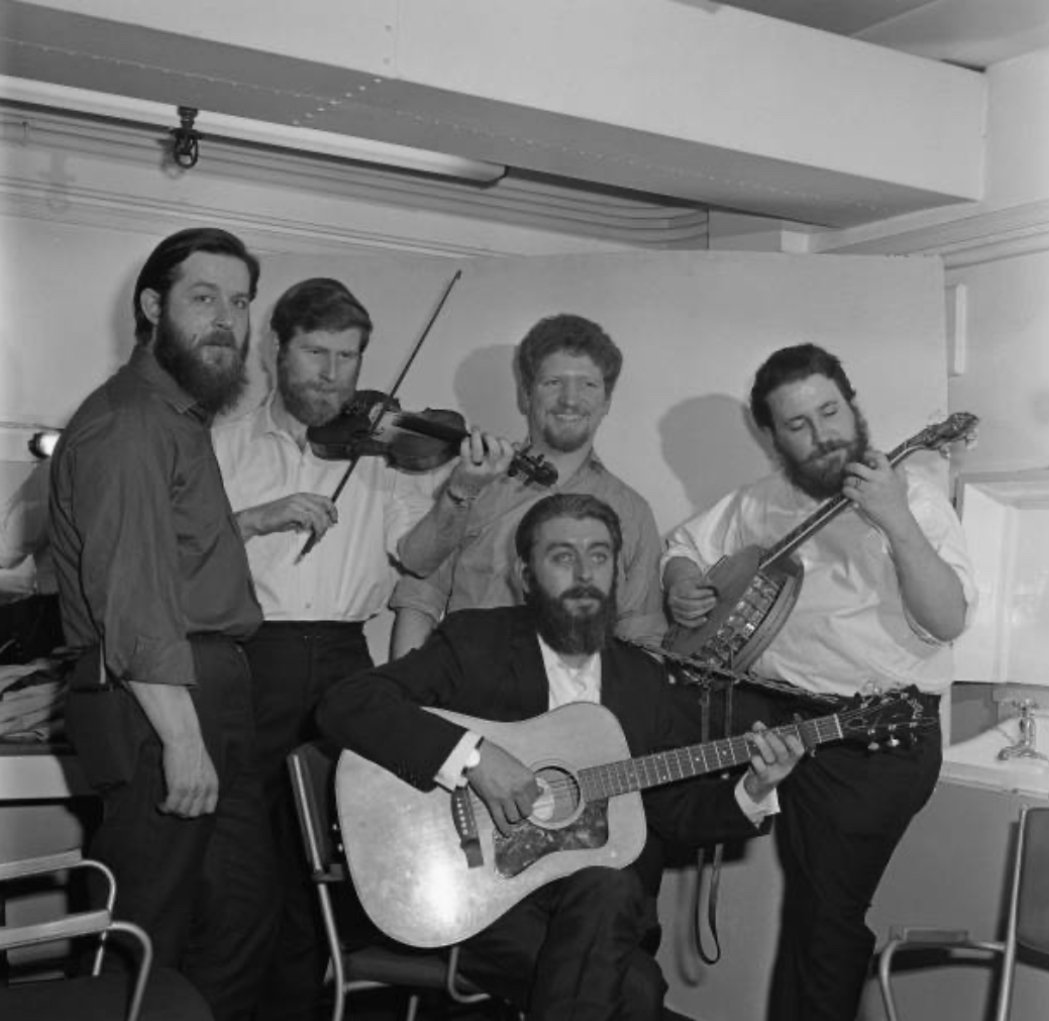
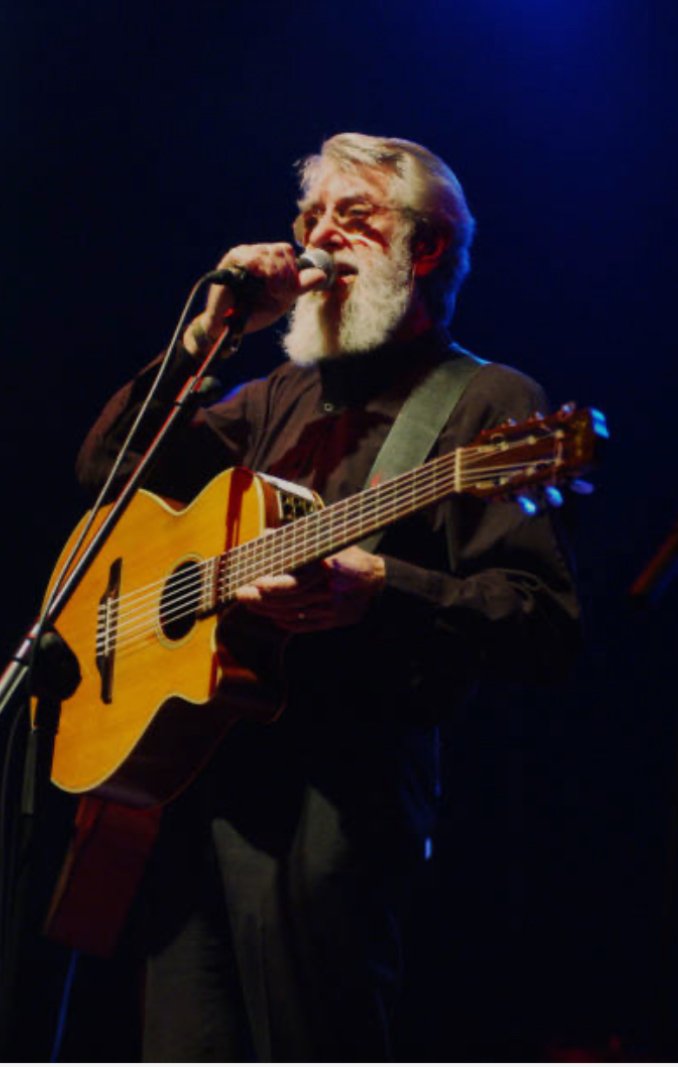
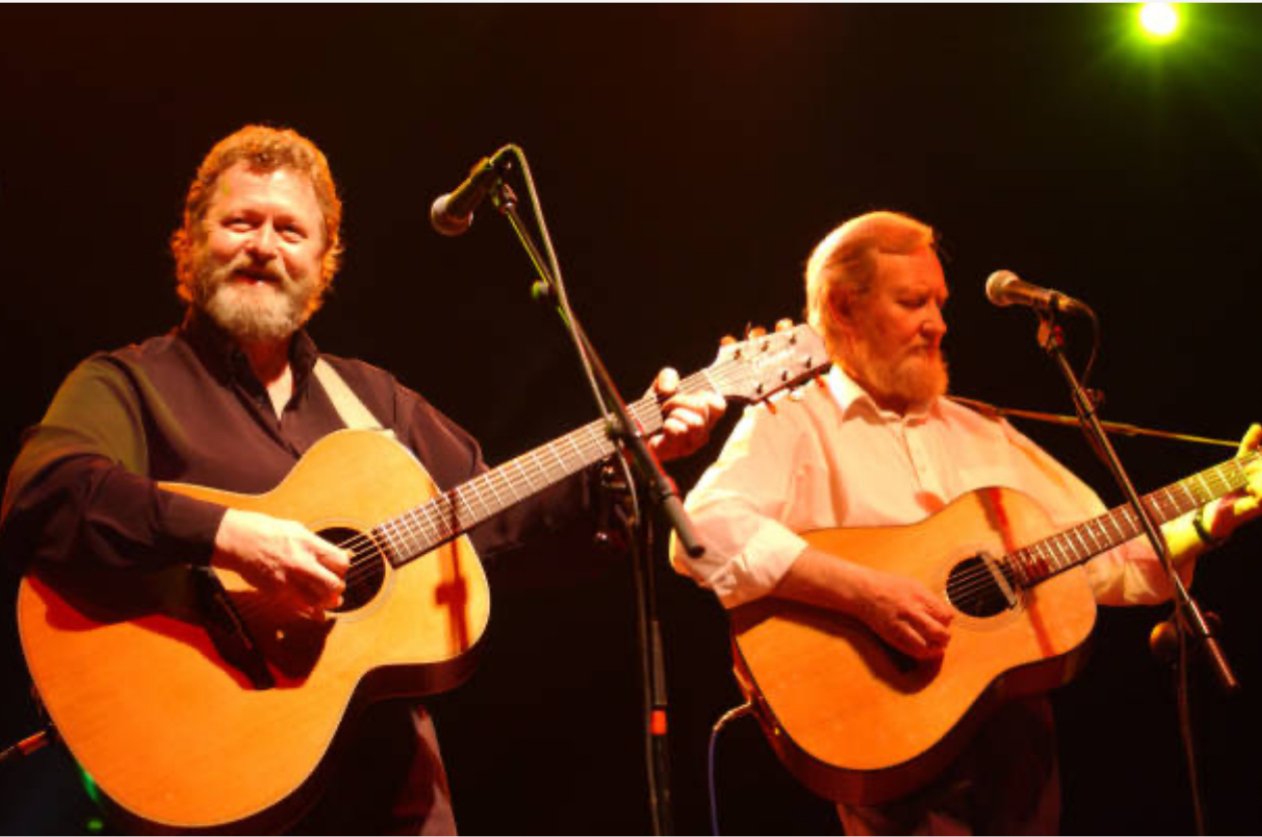
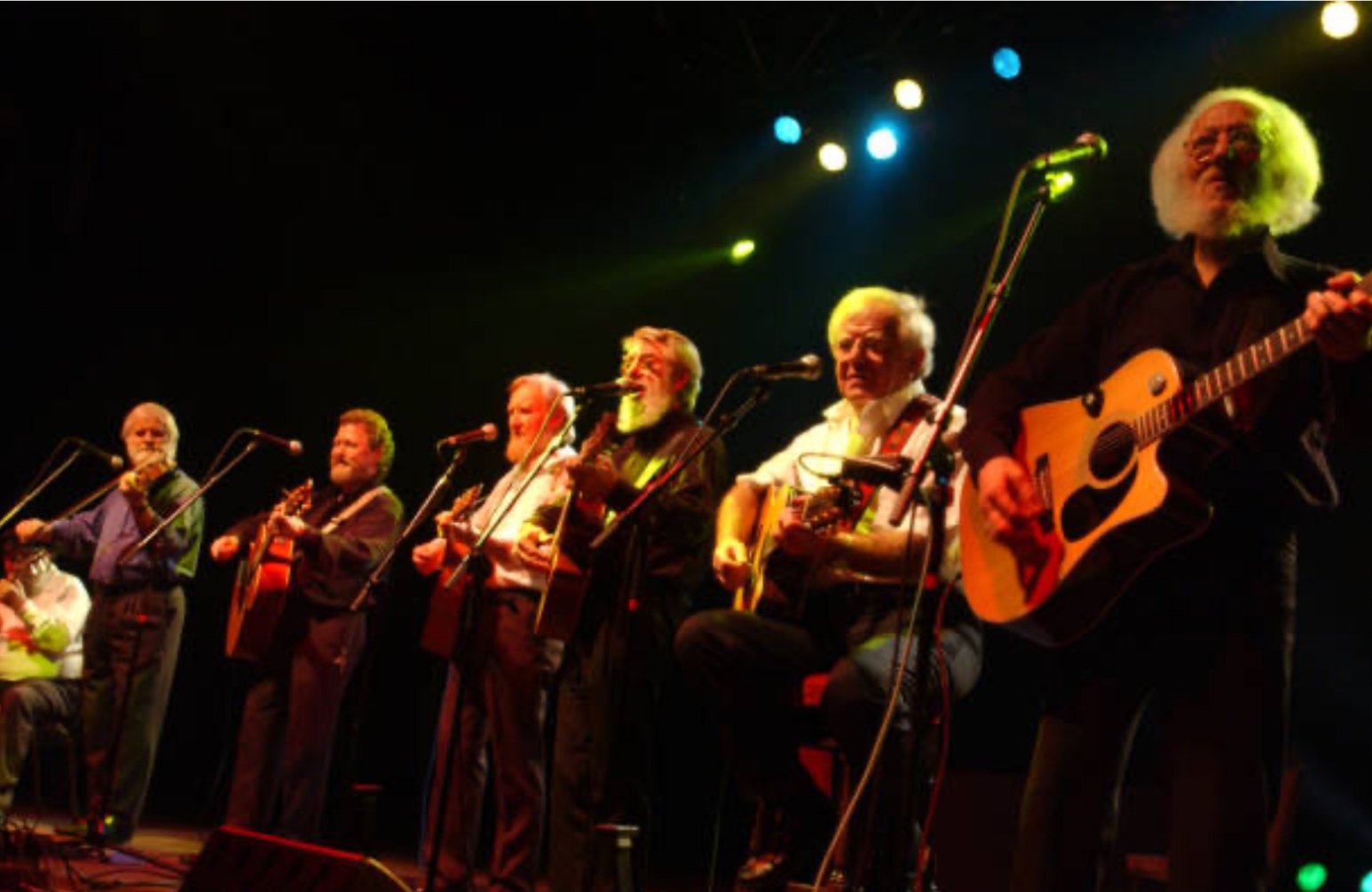
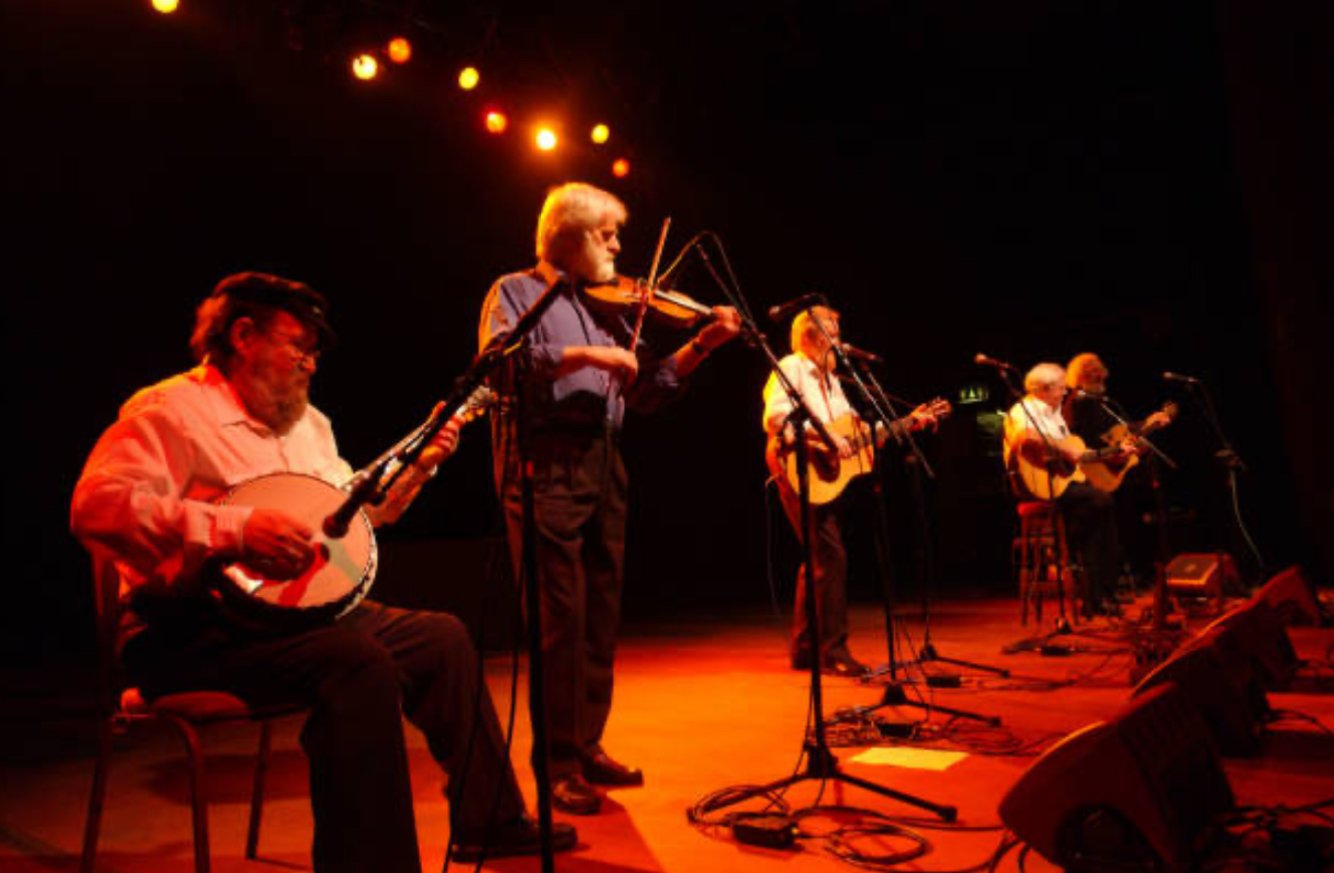
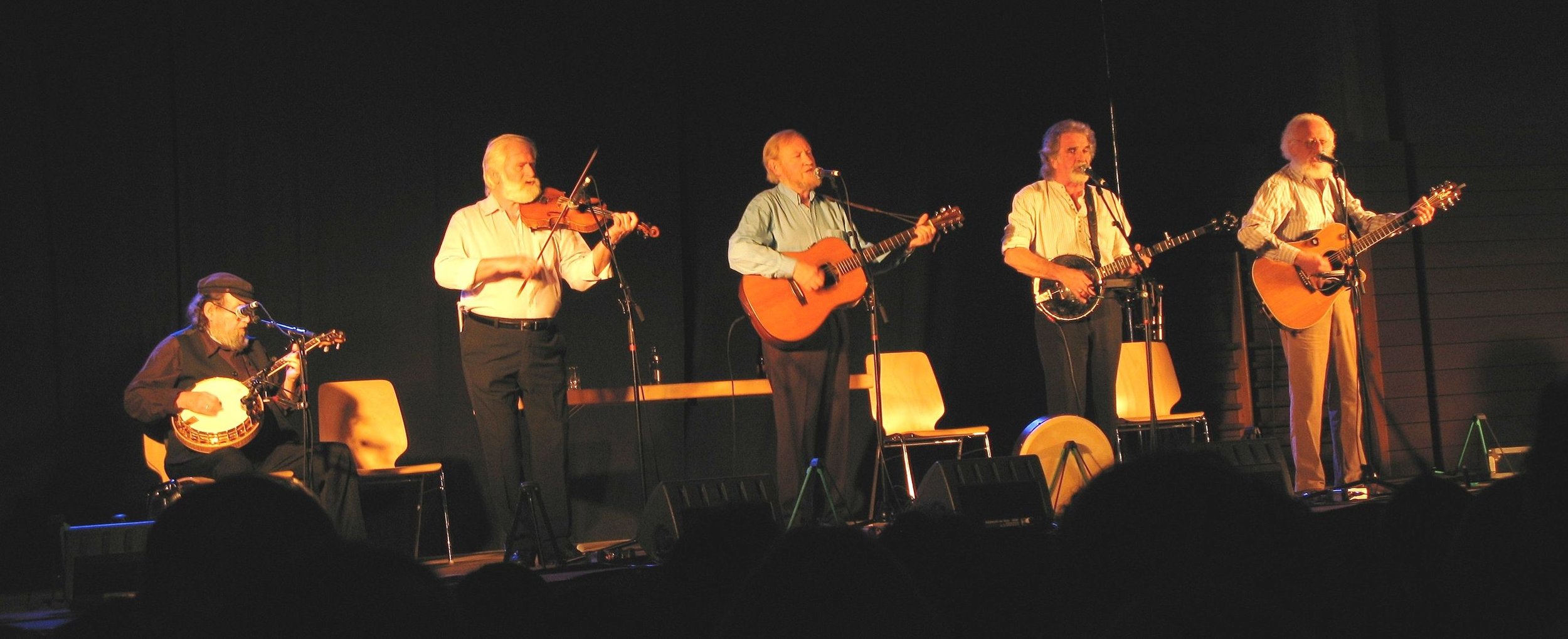
On this day, 17 April 2002, legendary Irish folk group The Dubliners played Cardiff’s St David’s Hall on their 40th Anniversary tour.

Founded in Dublin in 1962 as The Ronnie Drew Ballad Group, named after its founding member; they subsequently renamed themselves The Dubliners. The line-up saw many changes in personnel over their fifty-year career, but the group's success was centred on lead singers Luke Kelly and Ronnie Drew. The band garnered international success with their lively Irish folk songs, traditional street ballads and instrumentals.

The Dubliners were instrumental in popularising Irish folk music in Europe, though they did not quite attain the popularity of The Clancy Brothers and Tommy Makem in the United States. They influenced many generations of Irish bands, and their legacy can to this day be heard in the music of artists such as The Pogues, Dropkick Murphys and Flogging Molly.

Much adored in their native country, covers of Irish ballads by Ronnie Drew and Luke Kelly tend to be regarded as definitive versions. One of the most influential Irish acts of the 20th century, they celebrated 50 years together in 2012, making them Ireland's longest-surviving musical act. Also in 2012, the BBC Radio 2 Folk Awards bestowed them with a Lifetime Achievement Award.

The Dubliners announced their retirement in the autumn of 2012, after 50 years of performing, following the death of the last living original member Barney McKenna. However, some members of the group continued touring under the name of "The Dublin Legends", and as of 2021, Sean Cannon is the only remaining member of the Dubliners in that group, following the retirement of Patsy Watchorn in 2014 and the death of Eamonn Campbell in 2017.

On This Day 16/04/2006 Chris Rea

Images may be subject to copyright

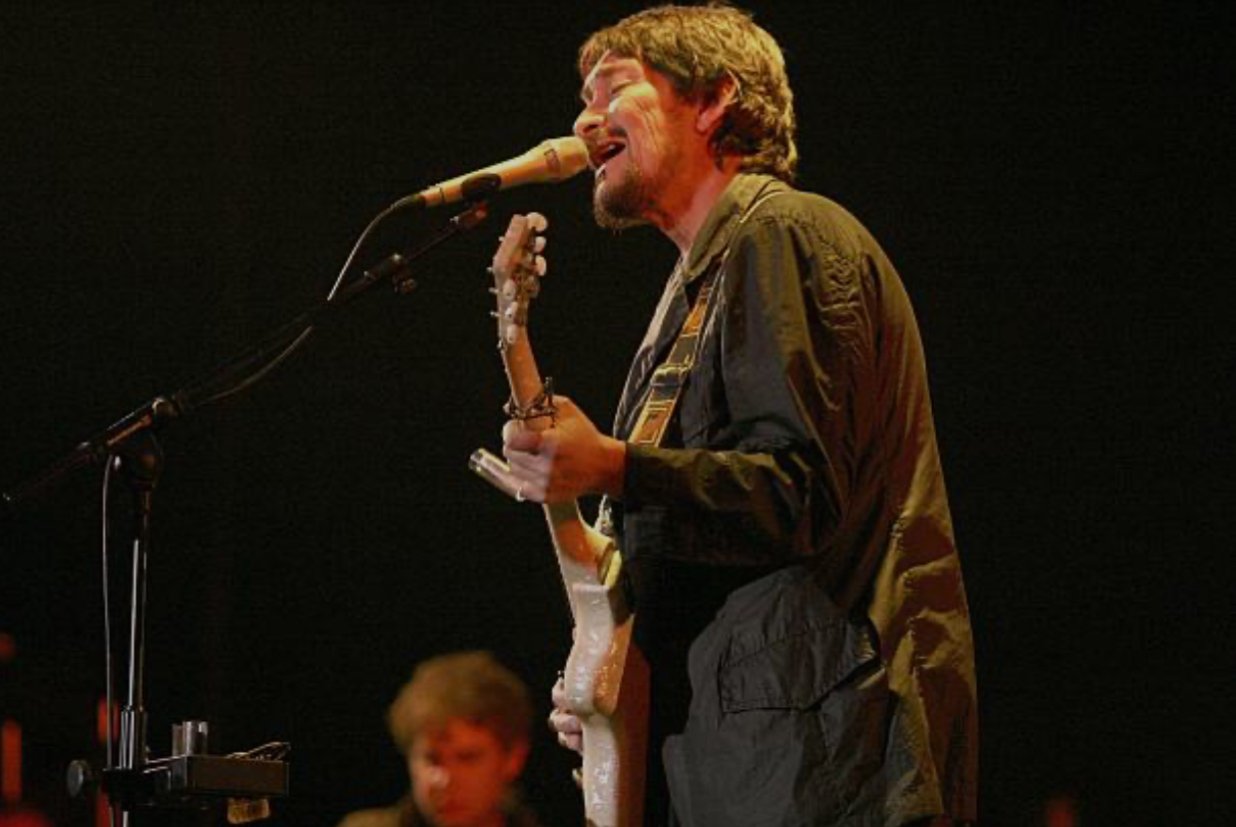
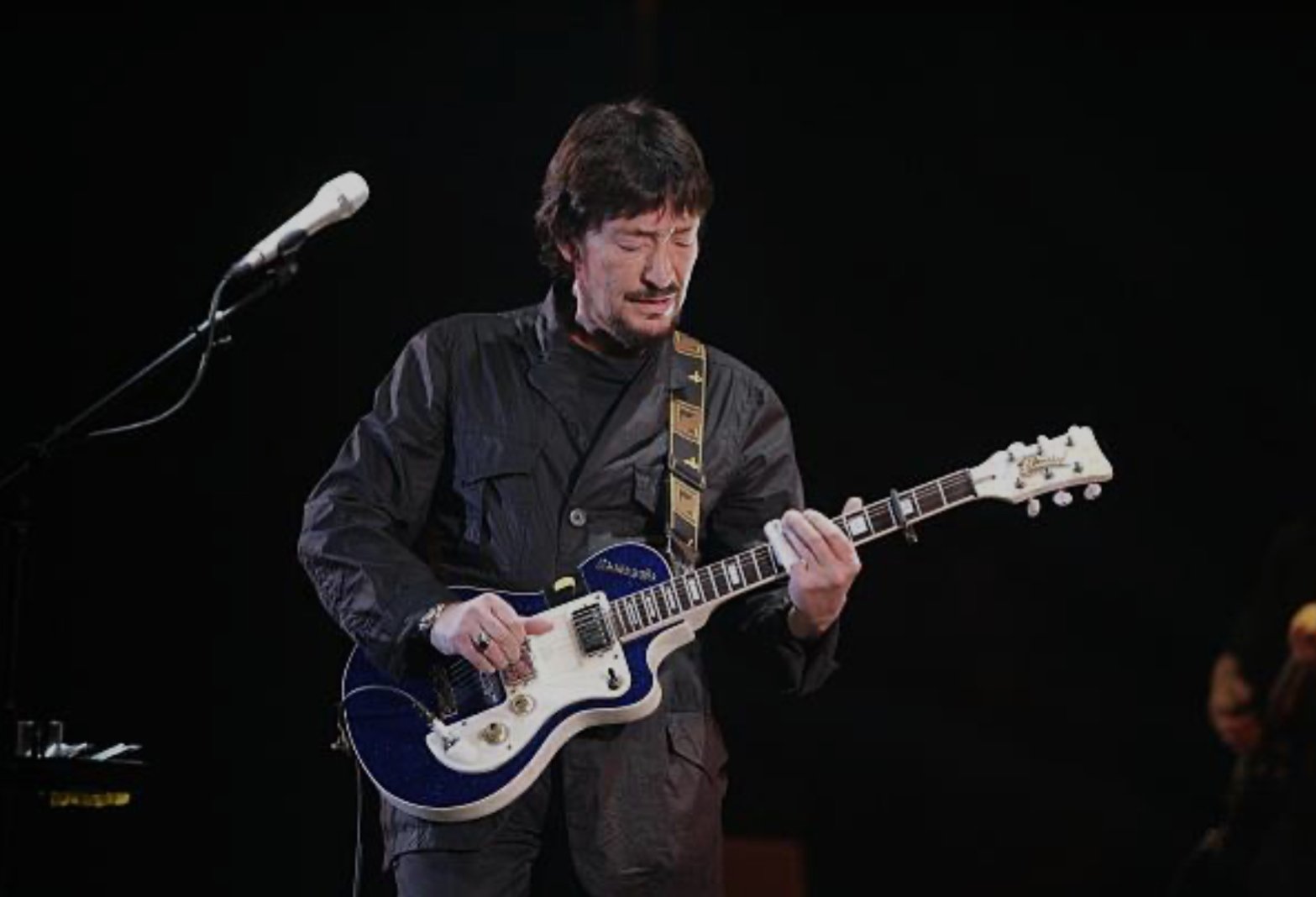
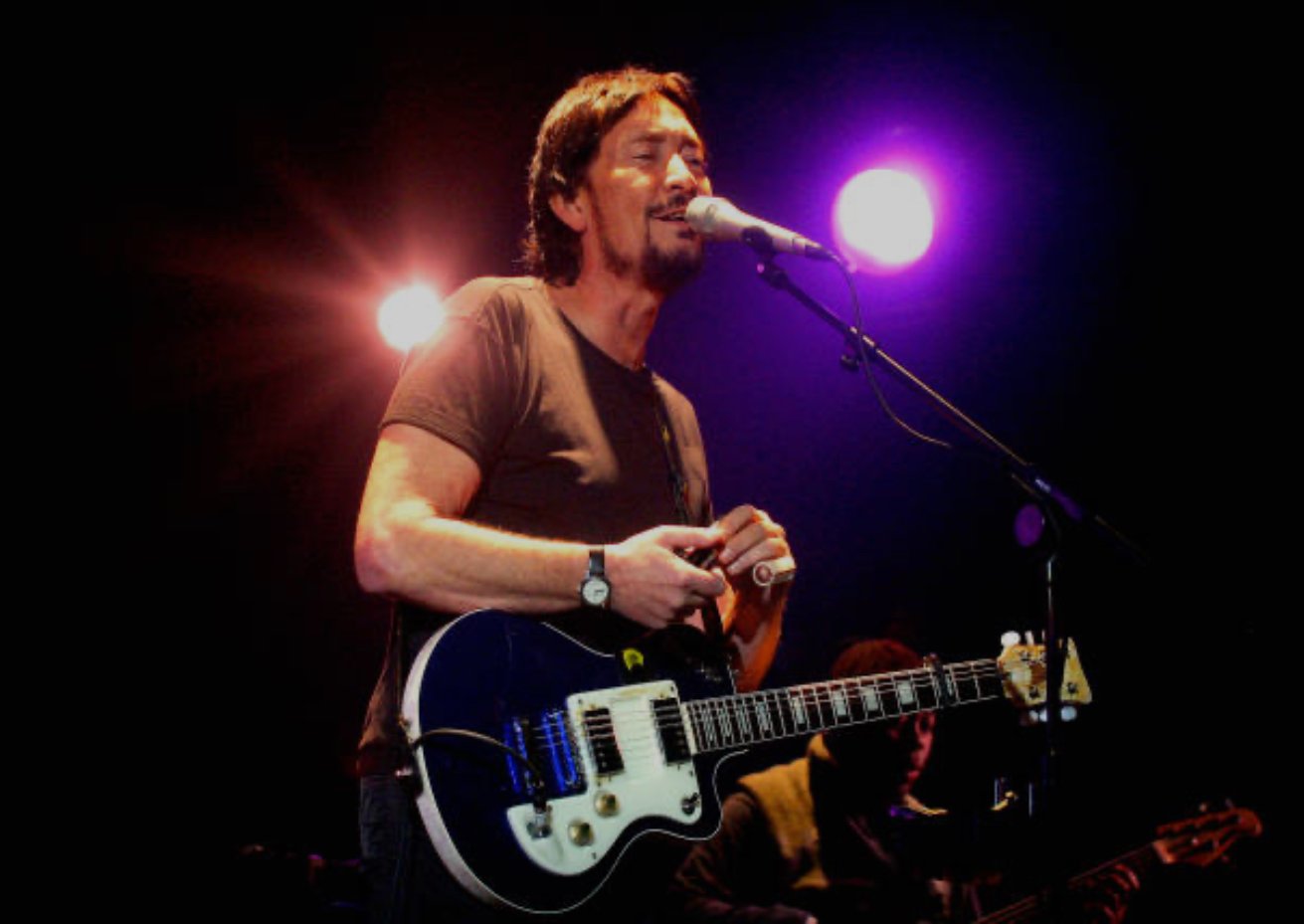
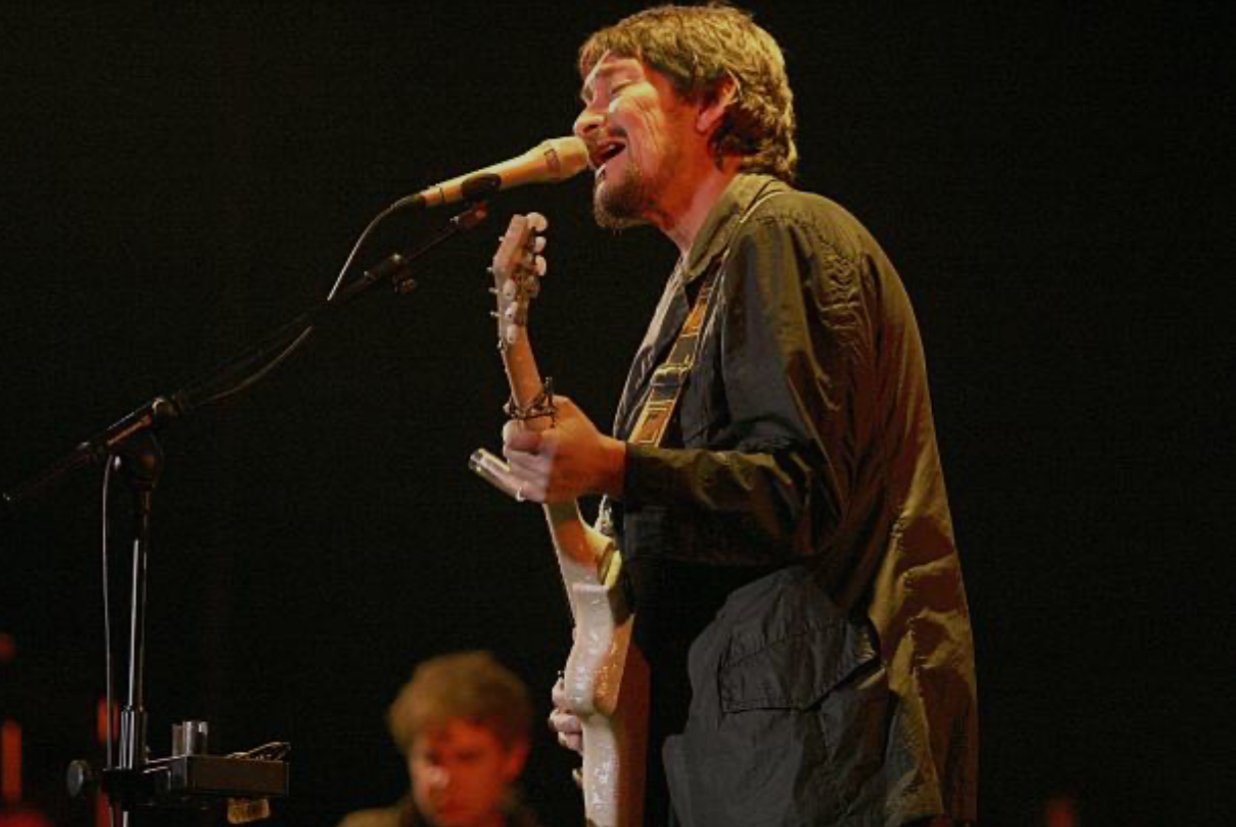
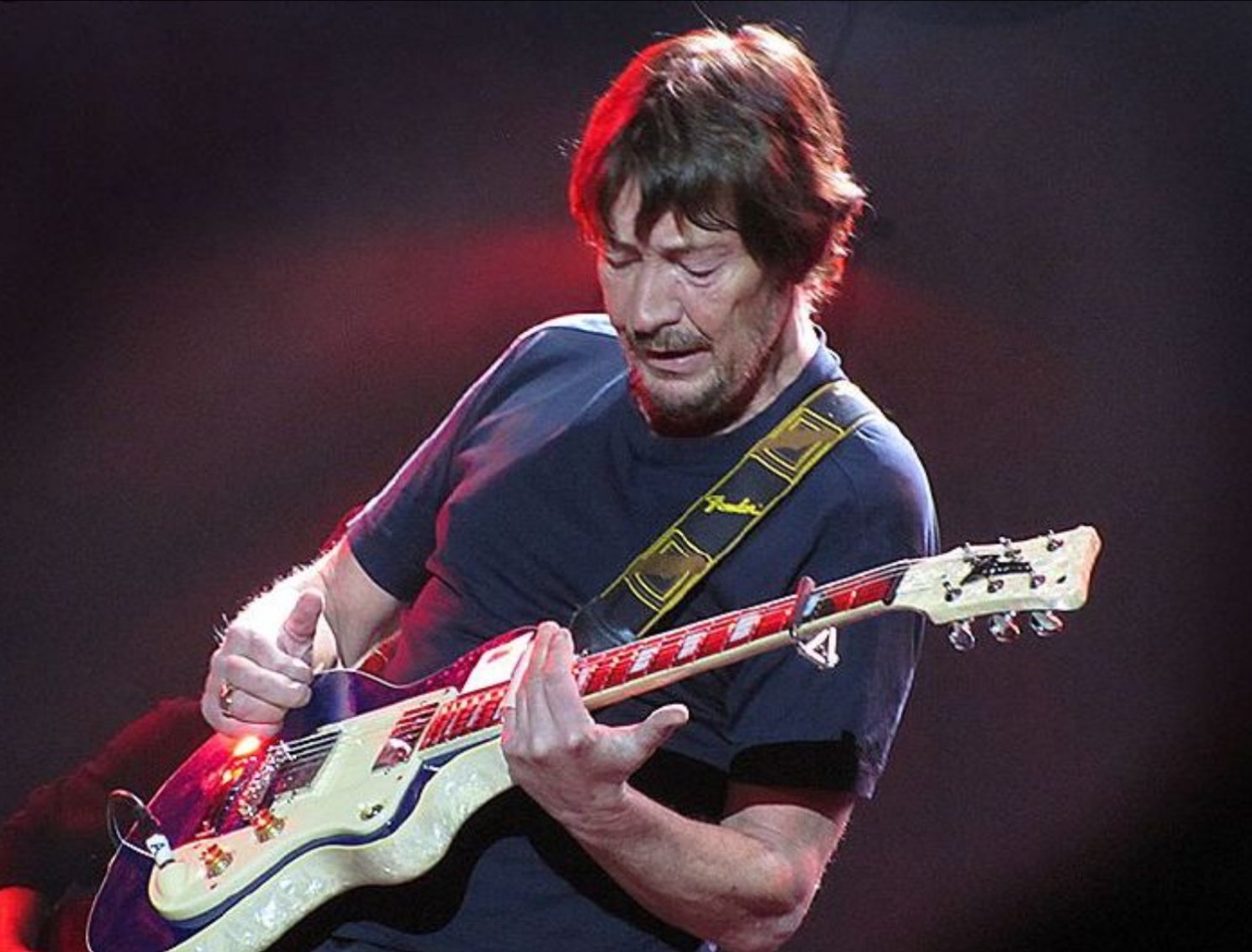
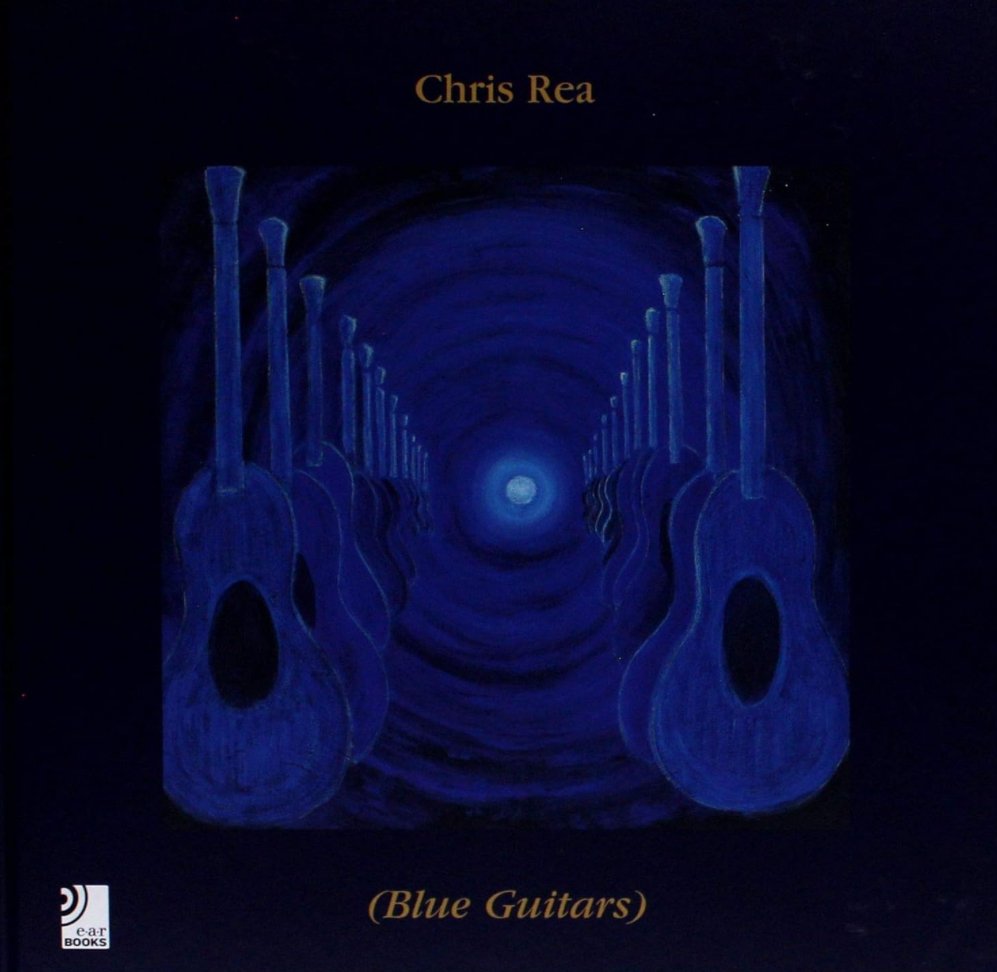
On this day, 16 April 2006, rock and blues singer/ songwriter Chris Rea played Cardiff’s St David’s Hall on his Blue Guitars tour.

Known for his distinctive voice and his slide guitar playing, Rea has recorded twenty five solo albums, two of which topped the UK Albums Chart, The Road to Hell in 1989 and its successor, Auberge, in 1991. He had already become "a major European star by the time he finally cracked the UK Top 10" with the single "The Road to Hell (Part 2)".

Over the course of his long career, Rea's work has at times been informed by his struggles with serious health issues. His many hit songs include "I Can Hear Your Heartbeat", "Stainsby Girls", "Josephine", "On the Beach", "Let's Dance", "Driving Home for Christmas", "Working on It", "Tell Me There's a Heaven", "Auberge" and "Julia". He also recorded a duet with Elton John, "If You Were Me". Rea was nominated three times for the Brit Award for Best British Male Artist: in 1988, 1989 and 1990.

In 2003, Rea released Blue Street (Five Guitars) and Hofner Blue Notes, and The Blue Jukebox the following year. 2005 saw the release of Blue Guitars, a box set of 11 CDs containing 137 blues-inspired tracks with Rea's paintings as album covers, which is a once in a lifetime ambitious project about the history of blues music. Rea said, "I was never a rock star or pop star and all the illness has been my chance to do what I'd always wanted to do with music [...] the best change for my music has been concentrating on stuff which really interests me".

On This Day 15/04/1944 Dave Edmunds

Images may be subject to copyright

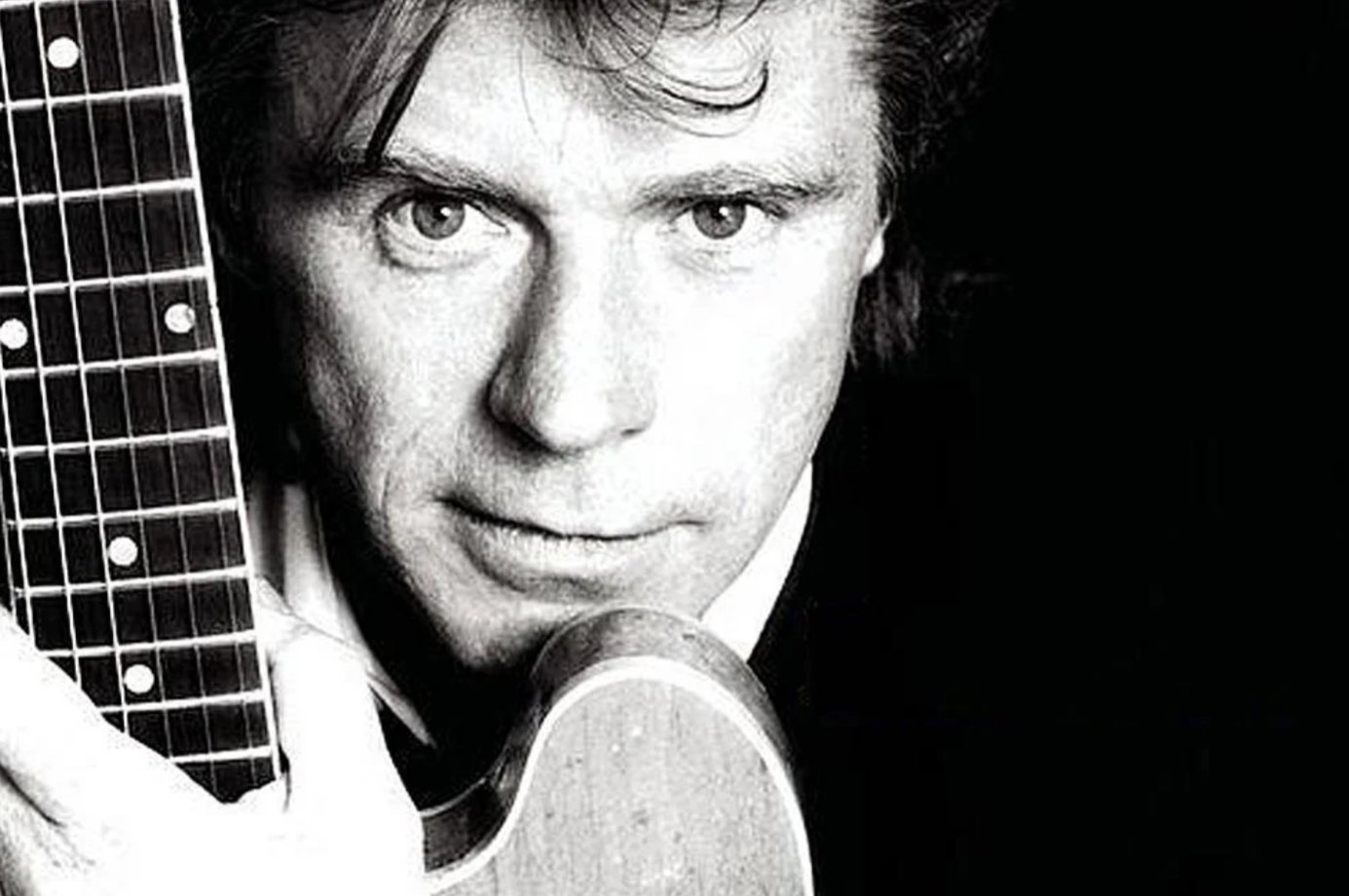
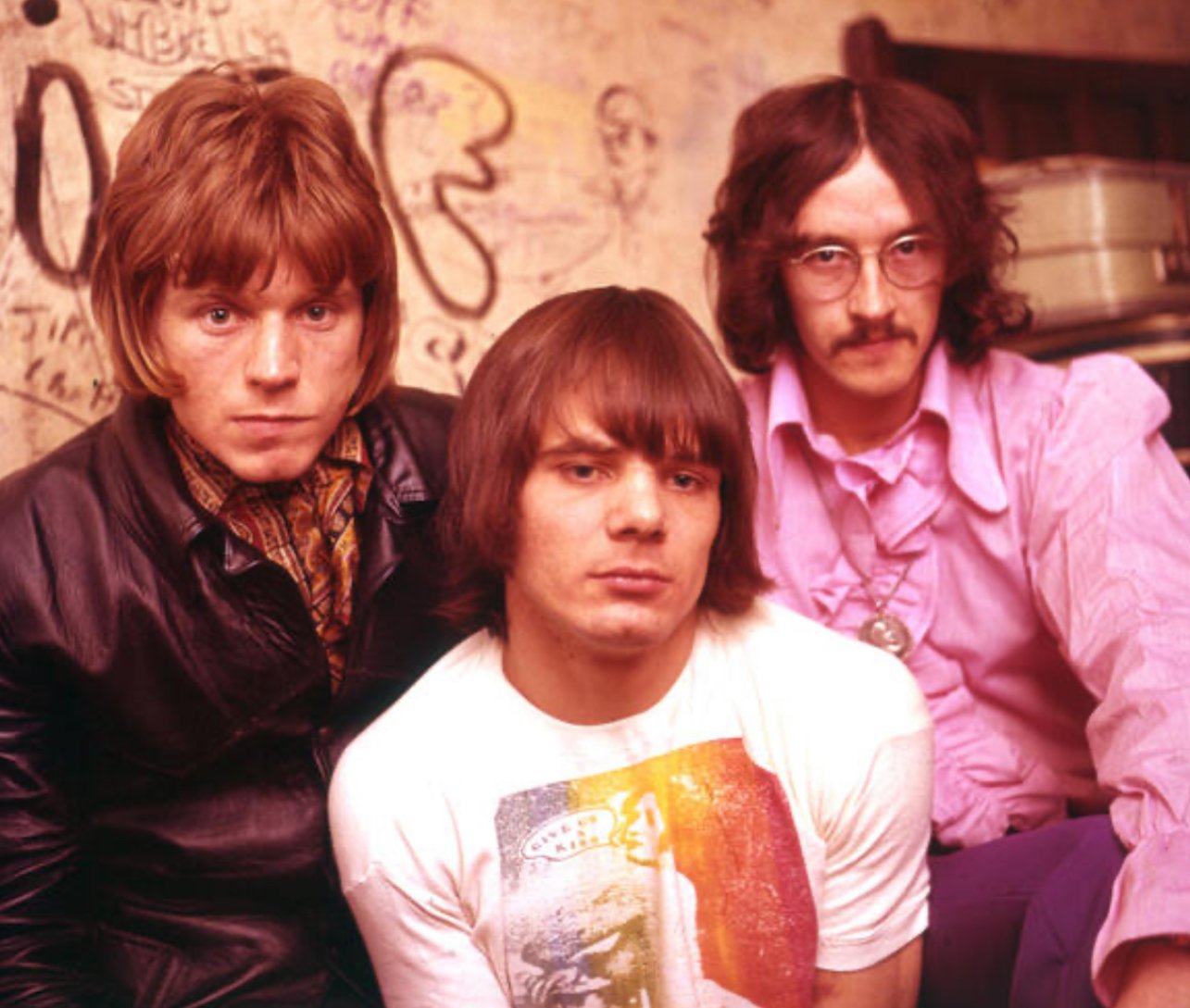
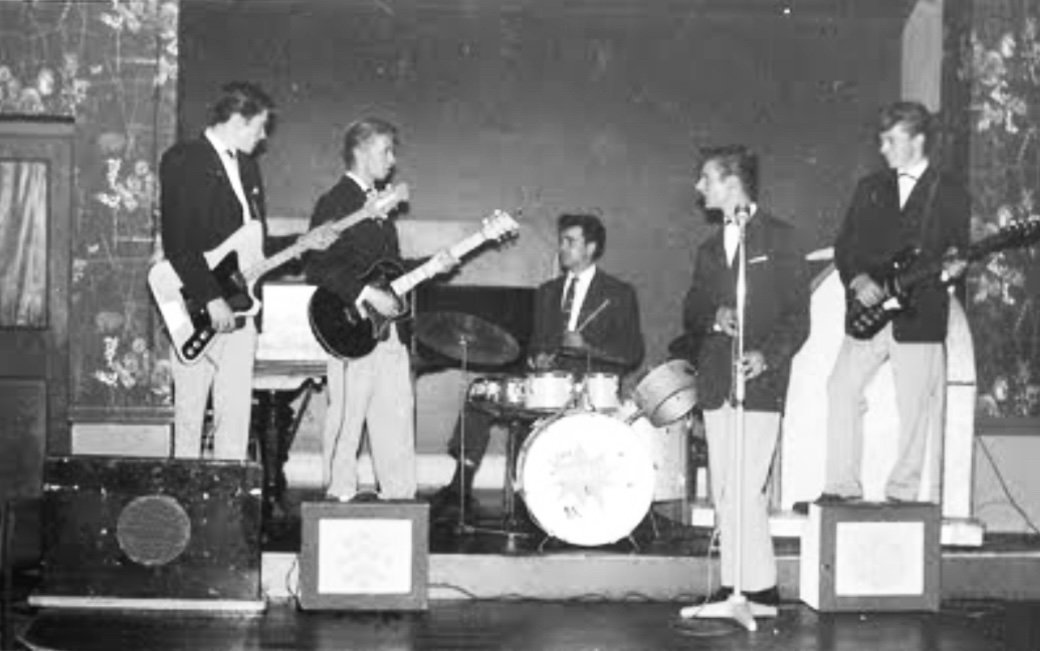
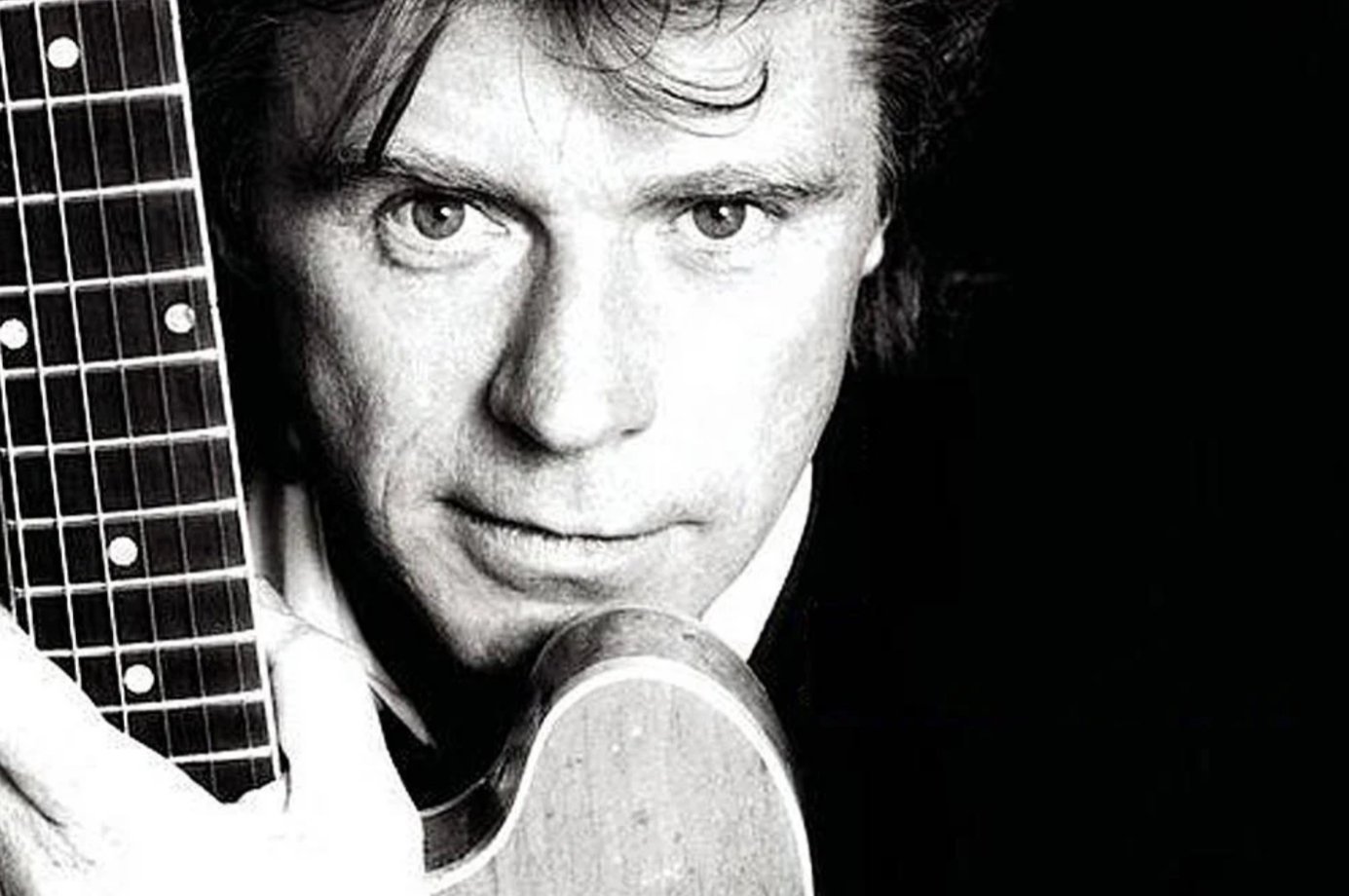
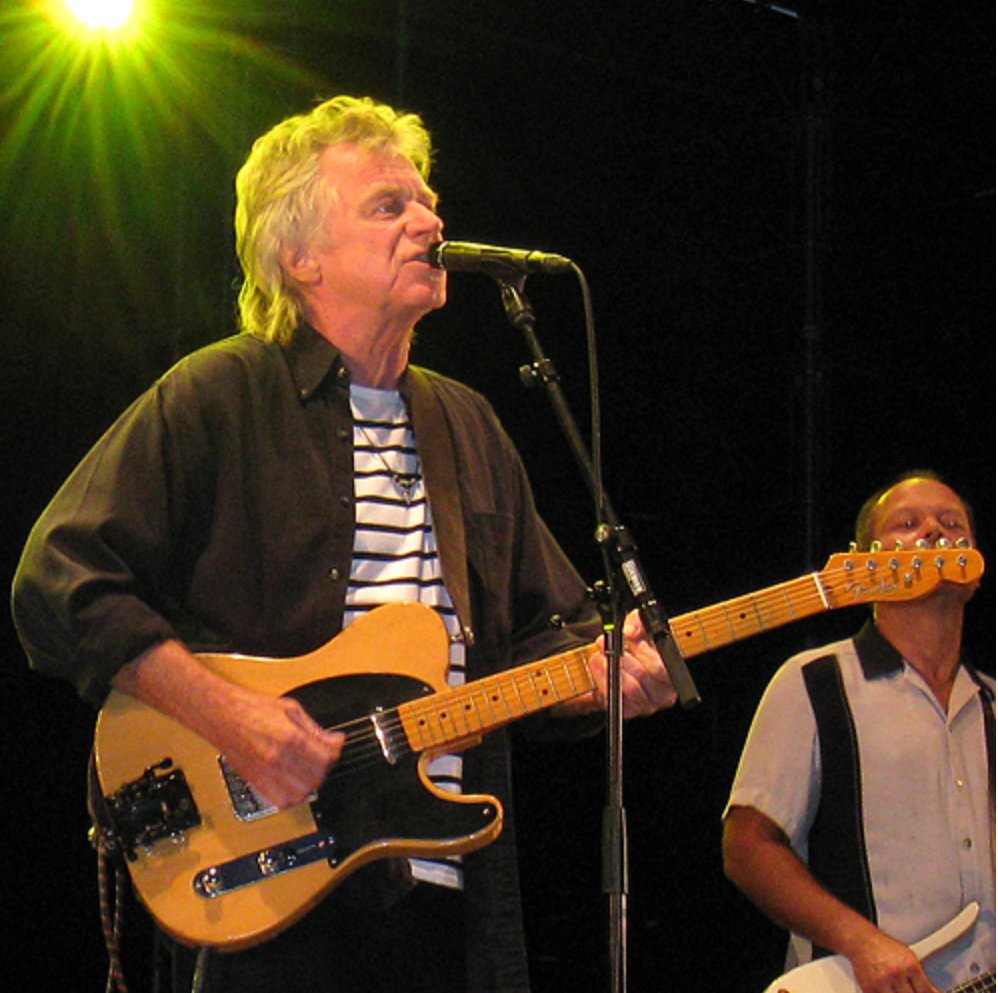
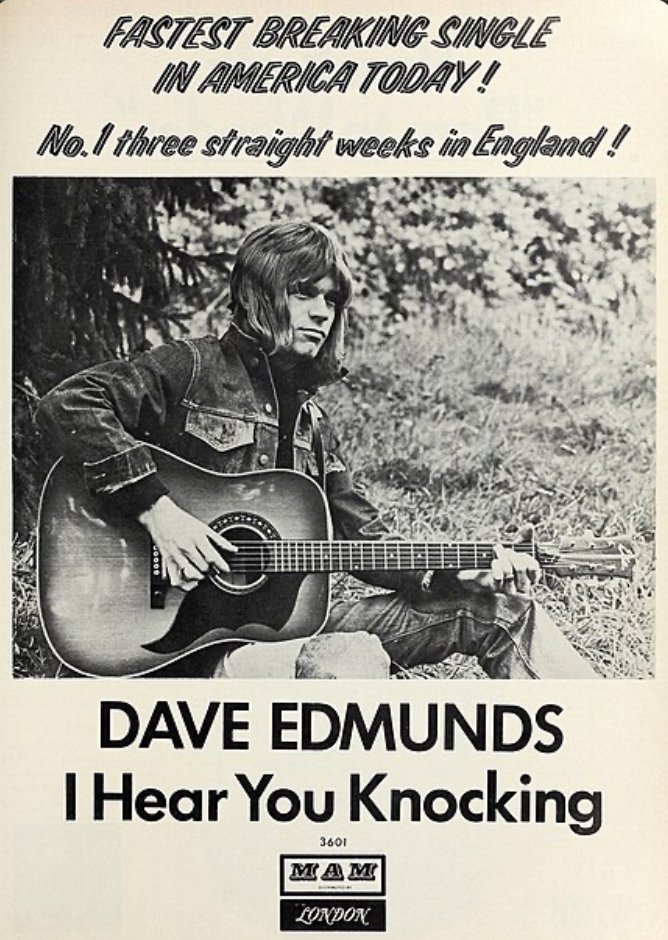
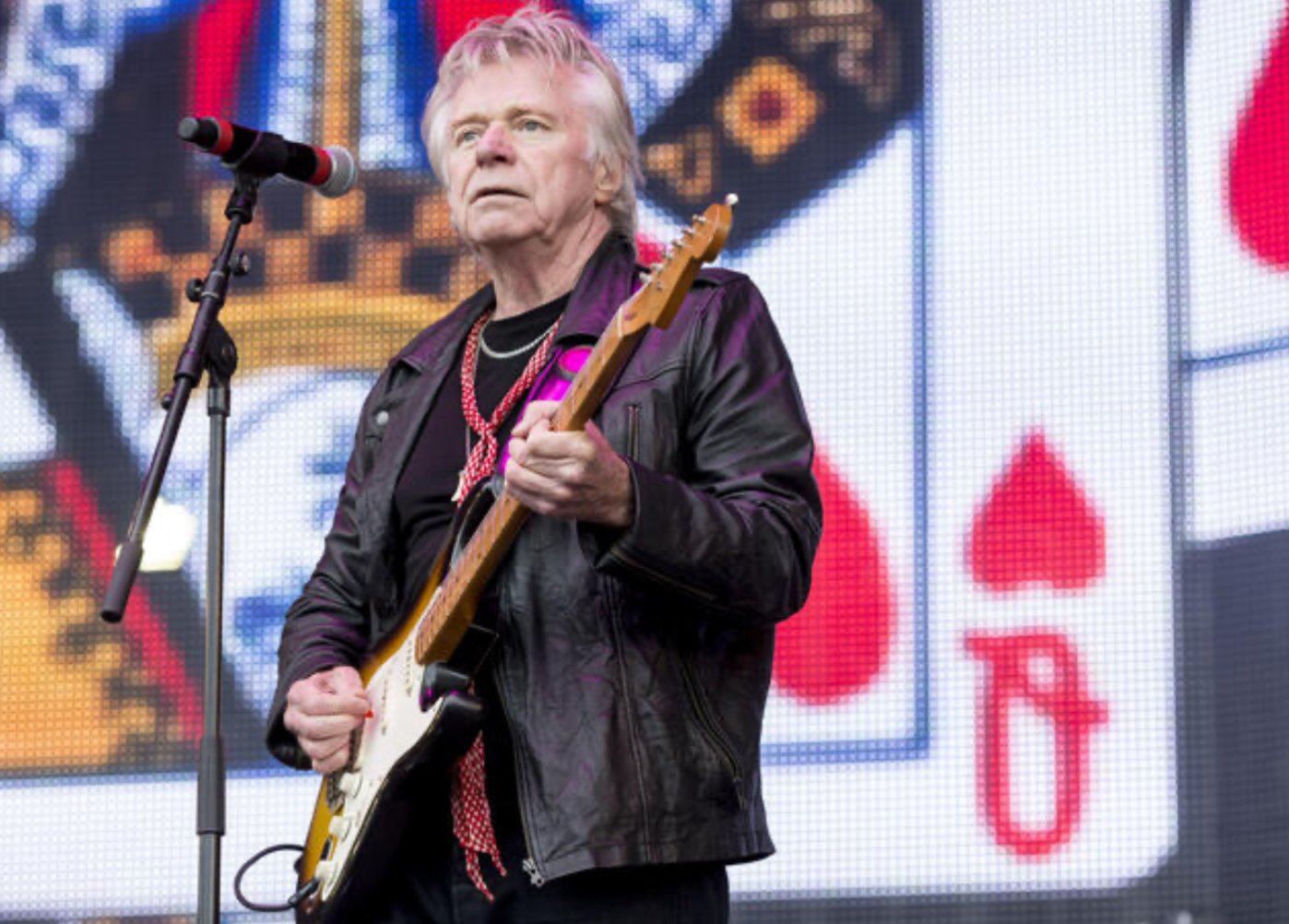
Happy 80th birthday to legendary Welsh rocker Dave Edmunds, born on this day in Cardiff in 1944.

Although he is mainly associated with pub rock and new wave, having many hits in the 1970s and early 1980s, his natural leaning has always been towards 1950s-style rock and roll and rockabilly.

Edmunds was born in Cardiff, Wales. As a ten-year-old, he first played in 1954 with a band called the Edmunds Bros Duo with his older brother Geoff (born 5 December 1939, Cardiff); this was a piano duo. Then the brothers were in the Stompers, later called the Heartbeats, formed around 1957 with Geoff on rhythm guitar, Dave on lead guitar, Denny Driscoll on lead vocals, Johnny Stark on drums, Tom Edwards on bass and Allan Galsworthy on rhythm. Then Dave and Geoff were in The 99ers along with scientist and writer Brian J. Ford.

After that Dave Edmunds was in Crick Feather's Hill-Bill's formed in c 1960, with Feathers (Edmunds) on lead guitar; Zee Dolan on bass; Tennessee Tony on lead vocals; Tony Kees on piano and Hank Two Sticks on drums. The first group that Edmunds fronted was the Cardiff-based 1950s style rockabilly trio The Raiders formed in 1961, along with Brian 'Rockhouse' Davies on bass (born 15 January 1943, Cardiff) and Ken Collier on drums. Edmunds was the only constant member of the group, which later included bassist Mick Still, Bob 'Congo' Jones on drums (b. 13 August 1946, Barry, South Wales) and John Williams (stage name John David) on bass. The Raiders worked almost exclusively in the South Wales area.

In 1966, after a short spell in a Parlophone recording band, the Image (1965–1966), with local drummer Tommy Riley, Edmunds shifted to a more blues-rock sound, reuniting with Congo Jones and bassist John Williams and adding second guitarist Mickey Gee to form the short-lived Human Beans, a band that played mostly in London and on the UK university circuit. In 1967, the band recorded a cover of "Morning Dew" on the British Columbia label, that failed to have any chart impact.

After just eighteen months, the core of Human Beans formed a new band called Love Sculpture that again reinstated Edmunds, Jones and Williams as a trio. Love Sculpture released their debut single "River to Another Day" in 1968. Their second single was a quasi-novelty Top 5, a reworking Khachaturian's classical piece "Sabre Dance" as a speed-crazed rock number, inspired by Keith Emerson's classical rearrangements. "Sabre Dance" became a hit after garnering the enthusiastic attention of British DJ John Peel, who was so impressed he played it twice in one programme on "Top Gear". The band issued two albums.
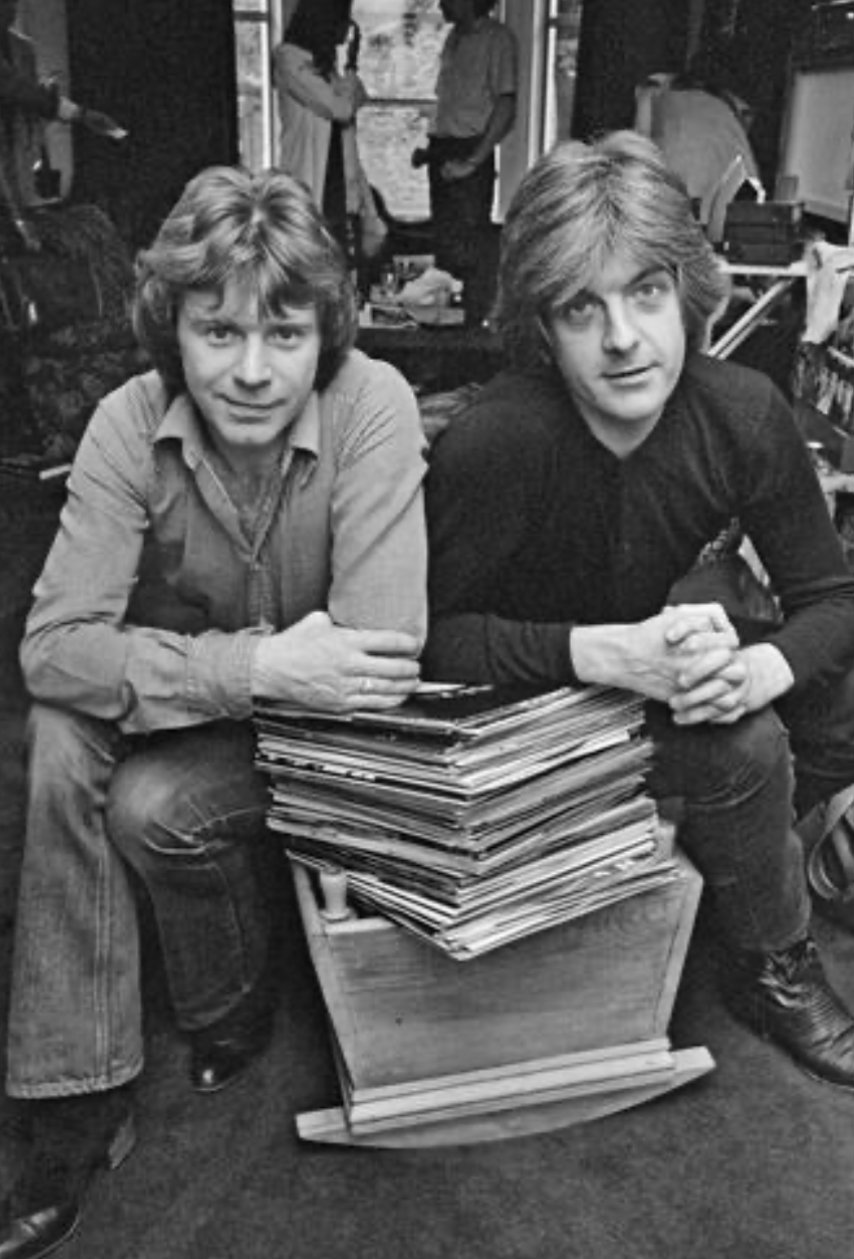
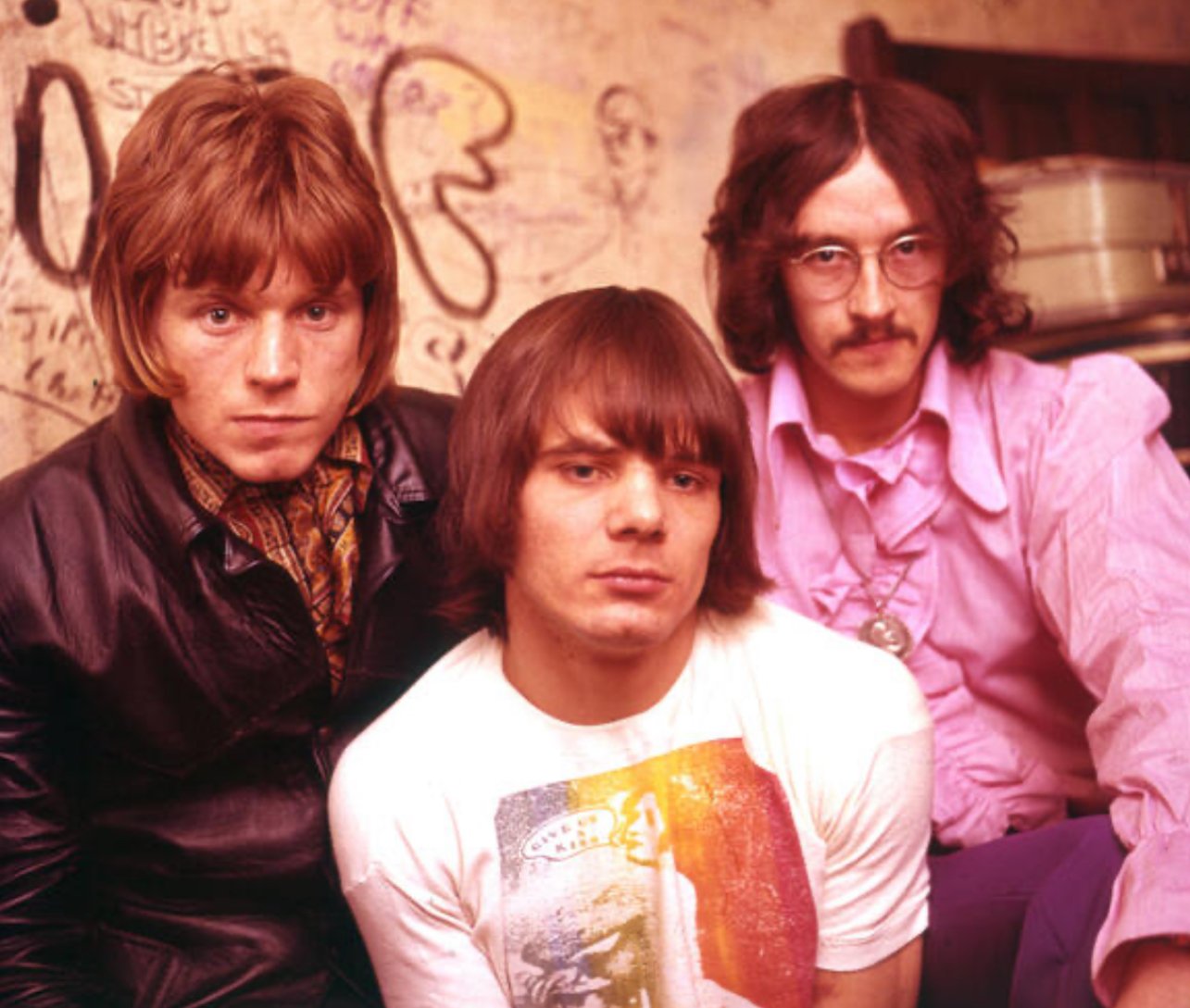
After Love Sculpture split, Edmunds had a UK Christmas Number 1 single in 1970 with "I Hear You Knocking", a Smiley Lewis cover, which he came across while producing Shakin' Stevens and the Sunsets' first album entitled A Legend. The recording was the first release on Edmunds' manager's MAM Records label. This single also reached No. 4 in the US, making it Edmunds' biggest hit by far on either side of Atlantic Ocean. It sold over three million copies, and was awarded a gold disc.
Edmunds had intended to record Wilbert Harrison's "Let's Work Together", but when he was beaten to that song by Canned Heat, he adapted the arrangement he intended to use for it to "I Hear You Knocking". The success of the single caused EMI's Regal Zonophone Records to use an option that it had to claim Edmunds' album, 1972's Rockpile, and the momentum from the single's success on a different label went away.

Edmunds' only acting role followed, as a band member in the David Essex movie Stardust. After learning the trade of producer, culminating in a couple of singles in the style of Phil Spector, "Baby I Love You" and "Born to Be with You", he became linked with the pub rock movement of the early 1970s, producing (among others) Brinsley Schwarz, Ducks Deluxe, Flamin' Groovies, and blues rock band Foghat, using a stripped down, grittier sound.

Edmunds had bought a house in Rockfield, Monmouth, a few miles away from Charles and Kingsley Ward's Rockfield Studios where he became an almost permanent fixture for the next twenty years. His working regime involved arriving at the studio in the early evening and working through till well after dawn, usually locked in the building alone. Applying the layered Spector Wall of Sound to his own productions, it was not unusual for Edmunds to multilayer up to forty separately recorded guitar tracks into the mix.

His own solo LP from 1975, Subtle as a Flying Mallet, was similar in style. The Brinsley Schwarz connection brought about a collaboration with Nick Lowe starting with this album, and in 1976 they formed the group Rockpile, with Billy Bremner and Terry Williams. Because Edmunds and Lowe signed to different record labels that year, they could not record as Rockpile until 1980, but many of their solo LPs (such as Lowe's Labour of Lust and Edmunds' own Repeat When Necessary) were group recordings. Edmunds had more UK hits during this time, including Elvis Costello's "Girls Talk", Nick Lowe's "I Knew the Bride", Hank DeVito's "Queen of Hearts" (later a larger, international hit for American country-rock singer Juice Newton), Graham Parker's "Crawling from the Wreckage", and Melvin Endsley's "Singing the Blues" (originally a 1956 US Country No. 1 hit for Marty Robbins, then a US pop No. 1 cover for Guy Mitchell, and a UK No. 1 for both Mitchell and Tommy Steele). The album Repeat When Necessary received a Silver Certification from the British Phonographic Industry on 20 March 1980 (for over 60,000 copies sold in the UK). The single "Girls Talk" also received a Silver Certificate from the BPI.

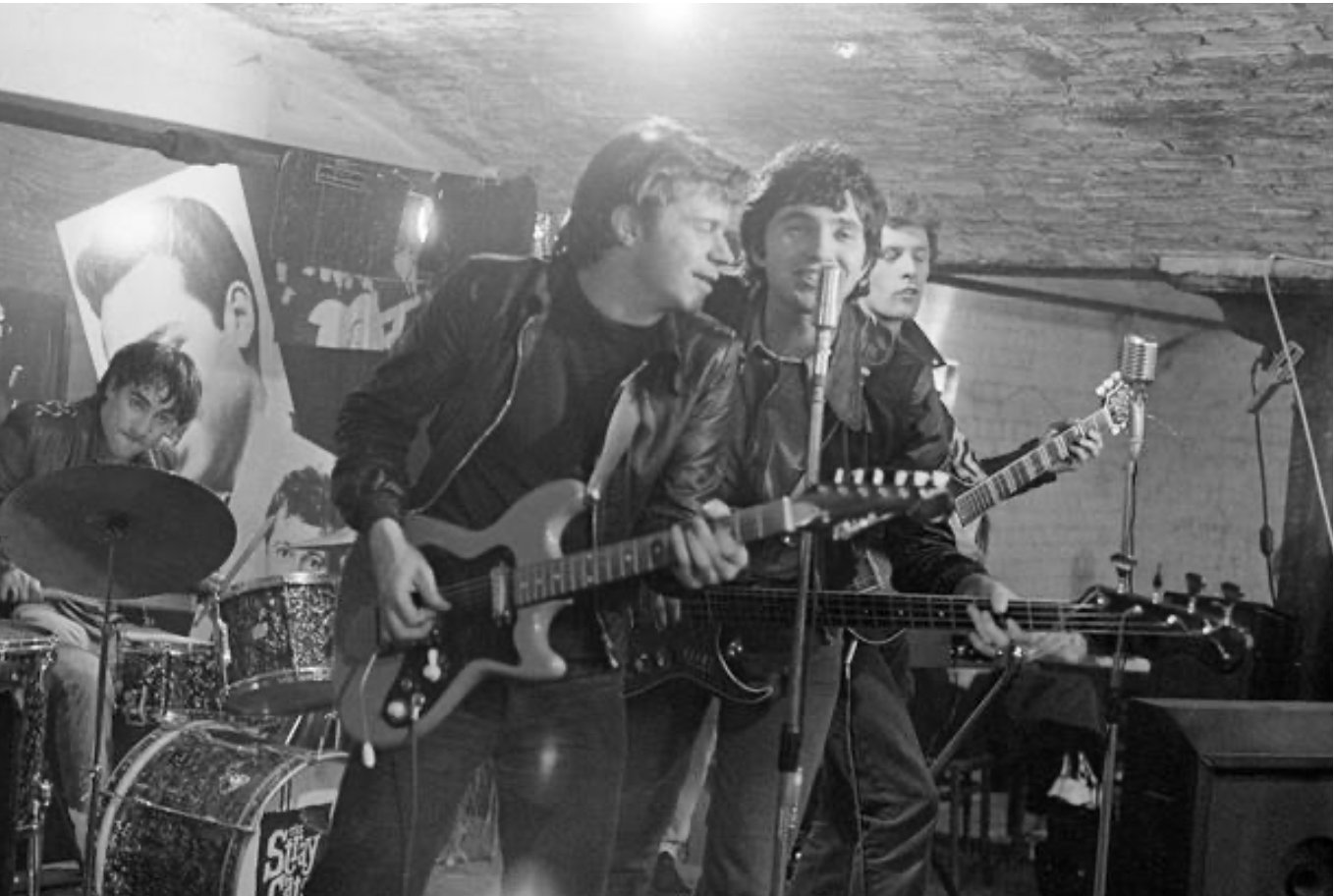
Unexpectedly, after Rockpile released their first LP under their own name, Seconds of Pleasure (1980), the band split. Edmunds and the band, including Lowe, performed in a music video for the track "Girls Talk", directed by Martin Pitts and produced by Derek Burbidge and Helen Pollack. For the video the band set up on the roof of the Warner Brothers Records building in Midtown Manhattan in the early afternoon. Edmunds spent the 1980s collaborating with and producing an assortment of artists, including Paul McCartney, King Kurt, Stray Cats, Fabulous Thunderbirds, and Status Quo.

On his 1983 release, Information, Edmunds collaborated on two songs with Jeff Lynne, the leader of Electric Light Orchestra. One of these songs, a Lynne composition, "Slipping Away", became Edmunds' only other US Top 40 hit, spending a single week at No. 39 while having a video clip in heavy rotation on MTV. It was not a hit in the UK. In 1984, Lynne produced six tracks on Edmunds' following album, Riff Raff. He also recorded the soundtrack for the movie Porky's Revenge!, supplying the main theme, "High School Nights."

In late 1985, Dave Edmunds was the musical director and a participating band member of Carl Perkins's Blue Suede Shoes: A Rockabilly Session television special recorded live at Limehouse Studios in London. Other musicians involved in the project included George Harrison, Ringo Starr, Eric Clapton and Rosanne Cash. In 1989, Edmunds produced the album Yo Frankie for Dion.

Edmunds recorded less frequently after the mid-1980s, living in Wales in semi-retirement, but occasionally touring. He joined up with Ringo Starr & His All-Starr Band for tours in 1992 and 2000. However, 2007 marked a return to touring for Edmunds, alongside Joe Brown, on a lengthy tour around the UK. He made an appearance on stage alongside Stray Cats, at the Brixton Academy in London, on 10 September 2008, playing "The Race Is On" and "Tear It Up" with the band.

On New Year's Eve 2008, he appeared on Jools' Annual Hootenanny, performing "Girls Talk" and "I Hear You Knocking". He was Holland's guest again at Borde Hill Garden on 20 June 2009, on 28 August at an open-air concert at Carrickfergus Castle, on 31 October at Ipswich Regent, on 7 November at Stoke Victoria Hall and on 14 November at Nottingham Concert Hall. Edmunds also played a five-song set, including "I Hear You Knocking," "I Knew the Bride" and "Sabre Dance" with the Holland Big Band at the Royal Albert Hall on 27 November 2009.

He returned and performed "Sabre Dance" on Jools' Annual Hootenanny on the 2009/10 edition. An album release on 19 November 2013 called ...Again, featured recordings from the 1990s, plus four new tracks, Edmunds' first for almost 20 years, with the title track released as a digital download single. In 2015, Edmunds released his first instrumental album On Guitar... Dave Edmunds: Rags & Classics, which featured instrumental covers of classic songs, such as The Beach Boys' "God Only Knows" and Elton John's "Your Song". The album was Edmunds' final album and after playing a final show in July 2017, he was reported to have retired from the music business.