
On This Day 24/3/1979 Tony Bennett

All Images Subject To Copyright

All Images Subject To Copyright

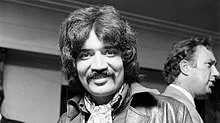
On this day, 24 March 1973, American singer Tony Bennett played Cardiff’s Capitol Theatre.
Bennett had just released his 35th album Listen Easy.

image2 (1).jpeg


Anthony Dominick Benedetto (born August 3, 1926), known professionally as Tony Bennett, is an American singer of traditional pop standards, big band, show tunes, and jazz.

He is also a painter, having created works under his birth name that are on permanent public display in several institutions. He is the founder of the Frank Sinatra School of the Arts in Astoria, Queens, New York.


He has won 19 Grammy Awards (including a Lifetime Achievement Award, presented in 2001) and two Primetime Emmy Awards, and was named an NEA Jazz Master and a Kennedy Center Honoree. Bennett has sold over 50 million records worldwide.
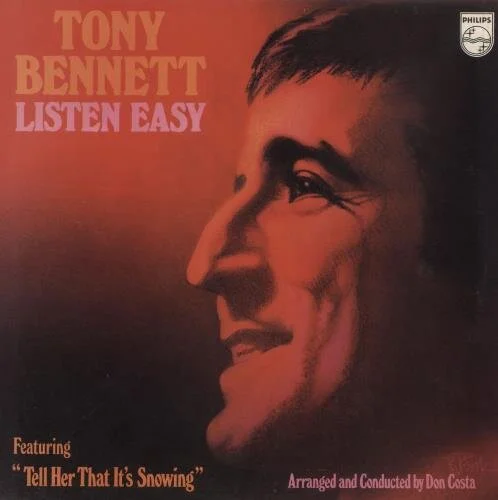
image1 (1).jpeg

On This Day 23/3/1961 Elle Fitzgerald & Oscar Peterson

image1 (1).jpeg
image3 (1).jpeg

On this day, 23 March 1961, the legendary American jazz legend Ella Fitzgerald and Canadian jazz pianist Oscar Peterson played Cardiff’s Gaumont Theatre along with the Lou Levy Quartet.


Sometimes referred to as the First Lady of Song, Queen of Jazz, and Lady Ella. She was noted for her purity of tone, impeccable diction, phrasing, timing, intonation, and a "horn-like" improvisational ability, particularly in her scat singing.

image0 (1).jpeg


In 1993, after a career of nearly 60 years, she gave her last public performance. Three years later, she died at the age of 79 after years of declining health. Her accolades included fourteen Grammy Awards, the National Medal of Arts, and the Presidential Medal of Freedom.

Peterson was called the "Maharaja of the keyboard" by Duke Ellington, simply "O.P." by his friends, and informally in the jazz community as "the King of inside swing".

image2 (1).jpeg


He was influenced by Teddy Wilson, Nat King Cole, James P. Johnson, and Art Tatum, to whom many compared Peterson in later years.[31] After his father played a record of Tatum's "Tiger Rag", he was intimidated and disillusioned, quitting the piano for several weeks.

"Tatum scared me to death," he said, and was "never cocky again" about his ability at the piano.

On This Day 22/3/1995 The Prodigy

All Images Subject To Copyright

All Images Subject To Copyright

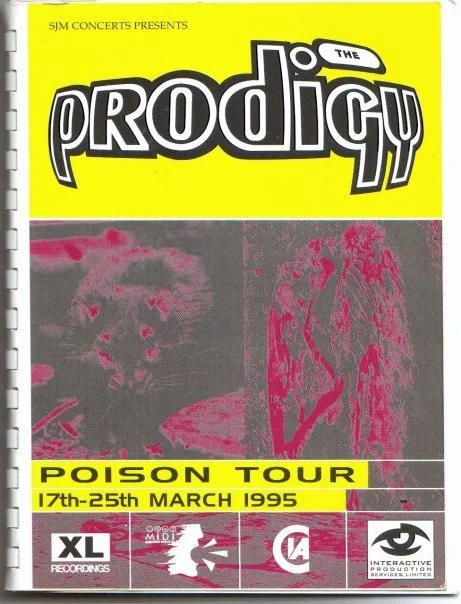
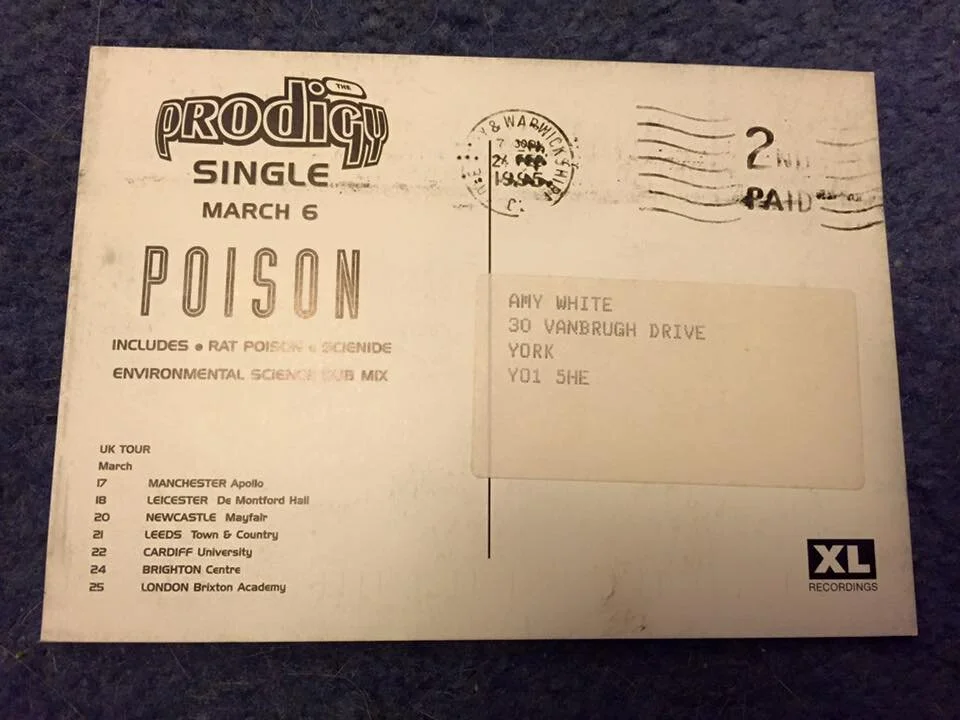
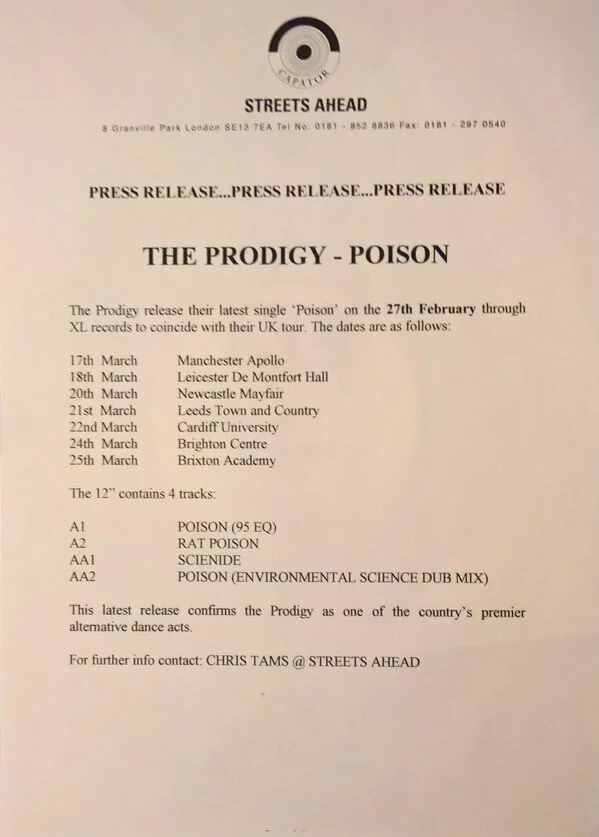
On this day, 22 March 1995, Electronic dance band The Prodigy played Cardiff University on their Poison Tour.


The Prodigy first emerged in the underground rave scene in the early 1990s and achieved popularity and worldwide recognition with UK number one singles such as "Firestarter" and "Breathe", both singles coming from their UK and US chart- topping album The Fat of the Land (1997).


Formed in 1990 by keyboardist and songwriter Liam Howlett. The band's line-up has included MC and vocalist Maxim, dancer and vocalist Keith Flint (until his death in March 2019), dancer and live keyboardist Leeroy Thornhill (who left to pursue a solo career in 1999), and dancer and vocalist Sharky (1990–1991).

Along with the Chemical Brothers and Fatboy Slim, The Prodigy are credited as pioneers of the breakbeat-influenced genre big beat, which achieved mainstream popularity in the 1990s.

On This Day 21/3/1991 The LA's

image2 (1).jpeg

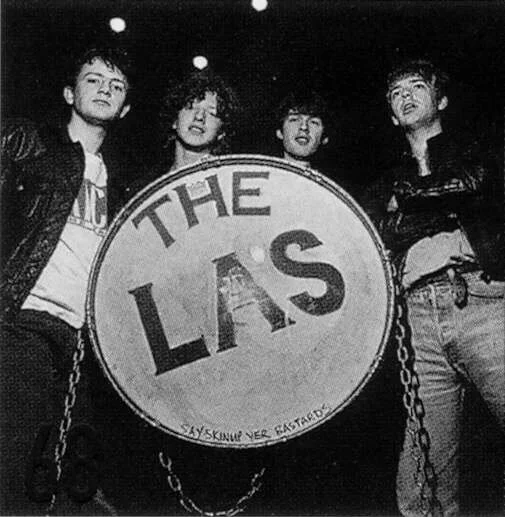
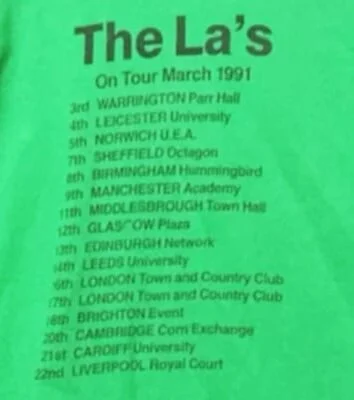
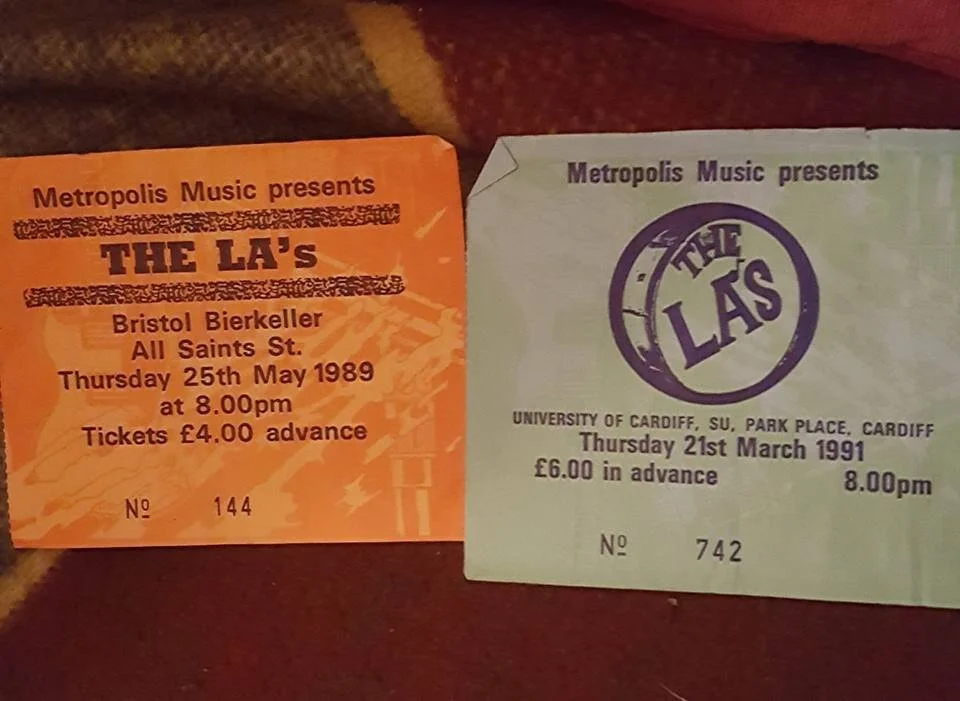
On the day, 21 March 1991, legendary Liverpool band The LA’s played Cardiff University. Support was provided by the Milltown Brothers.


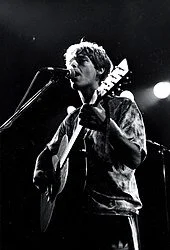
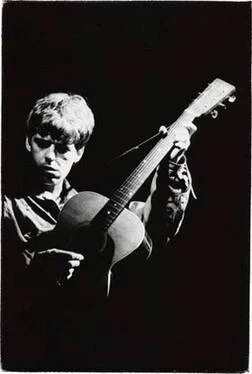
Fronted by singer, songwriter and guitarist Lee Mavers, the group are best known for their hit single "There She Goes".


The La's were noted for their distinctly different style to other popular British bands in the late 1980s, such as The Stone Roses and Happy Mondays, who were part of the Madchester movement.


The La's have been cited as influences by Oasis, The Courteeners, The Stone Roses, The Charlatans and The Libertines.


Pitchfork named their debut and only album The La’s as one of the best Britpop albums as part of their 50 Best Britpop Albums list, placing the album at #14.

On This Day 20/3/1969 Stevie Wonder

image4+%281%29.jpg

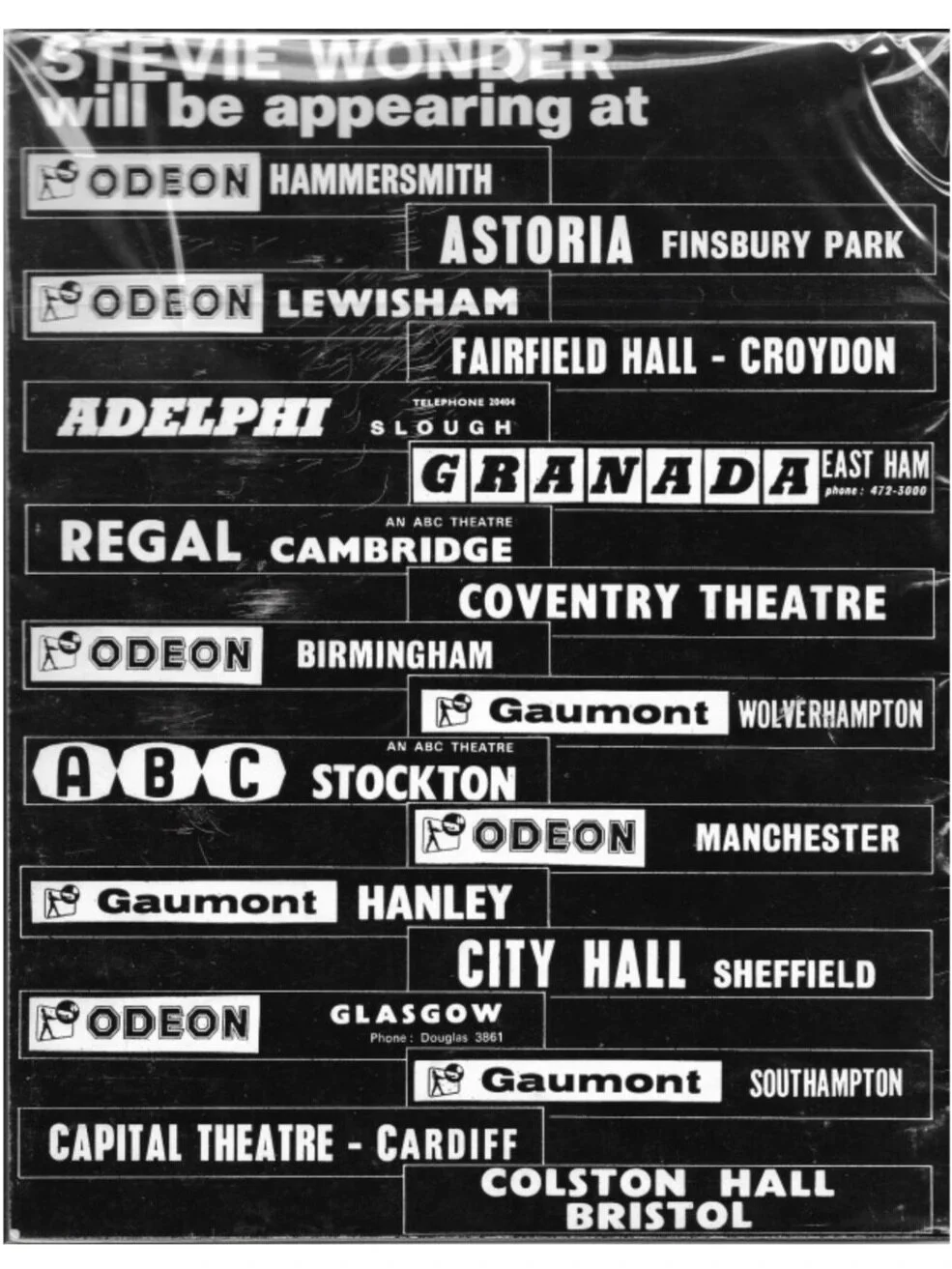
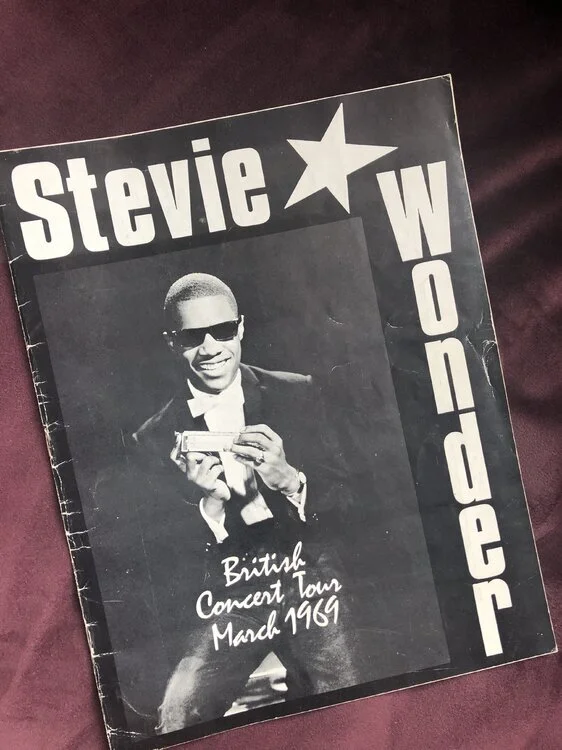
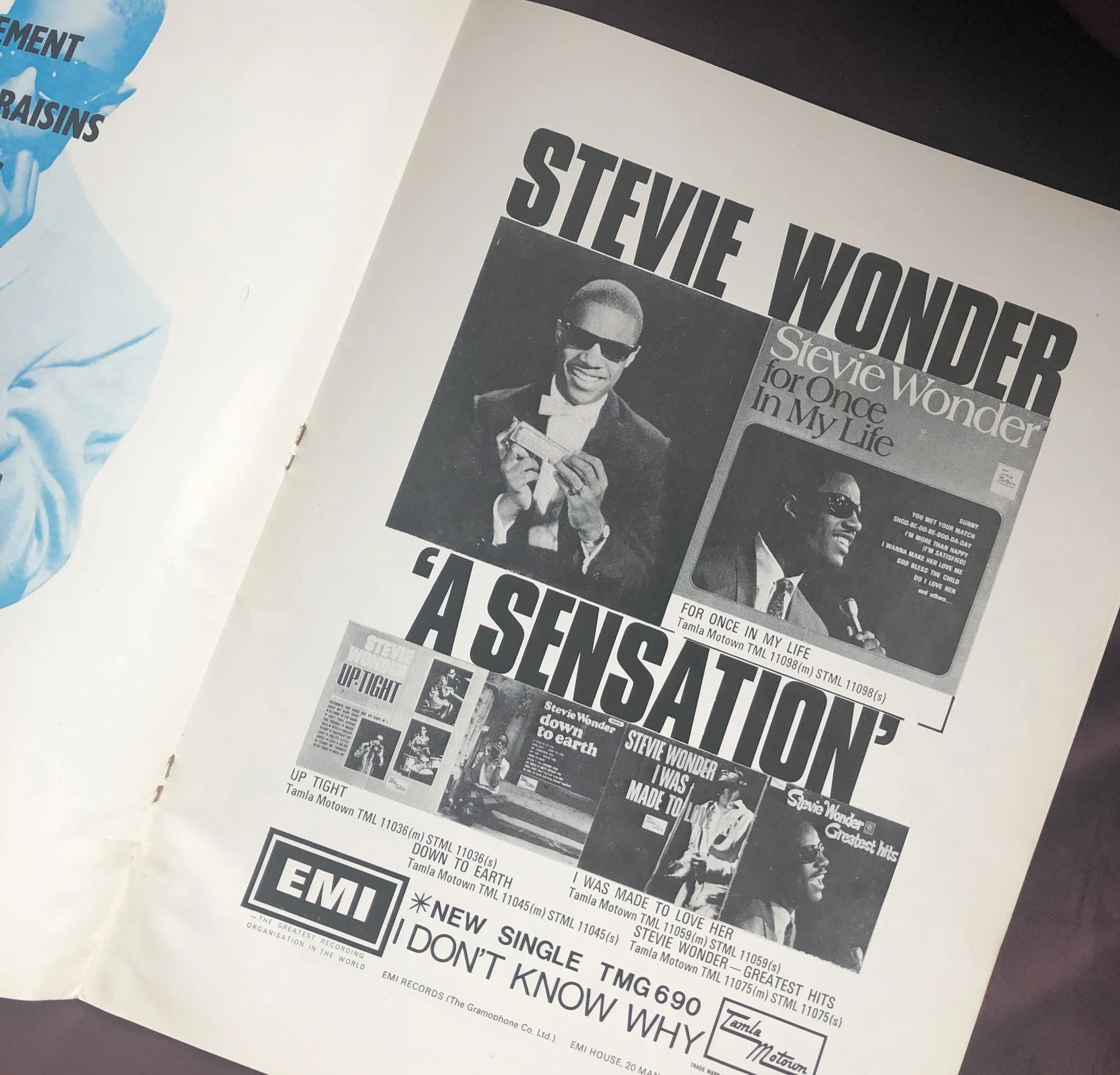
On this day, 20 March 1969, American music legend Stevie Wonder played Cardiff’s Capitol Theatre. The support included The Foundations, The Flirtations and DJ Emperor Rosko.


Stevland Hardaway Morris (born Judkins; born May 13, 1950), is a prominent figure in popular music during the second half of the 20th century, Wonder is one of the most successful songwriters and musicians.

A virtual one-man band, his use of synthesisers and further electronic musical instruments during the 1970s reshaped the conventions of R&B.


Wonder previewed some of the tracks from his soon to be released My Cherie Amour album, which featured a couple of major hits, including the title track and "Yester-Me, Yester-You, Yesterday", as well as Wonder's take on the 1967 hit "Light My Fire" by The Doors.

On This Day 19/3/1996 Oasis

All Images Subject To Copyright

All Images Subject To Copyright

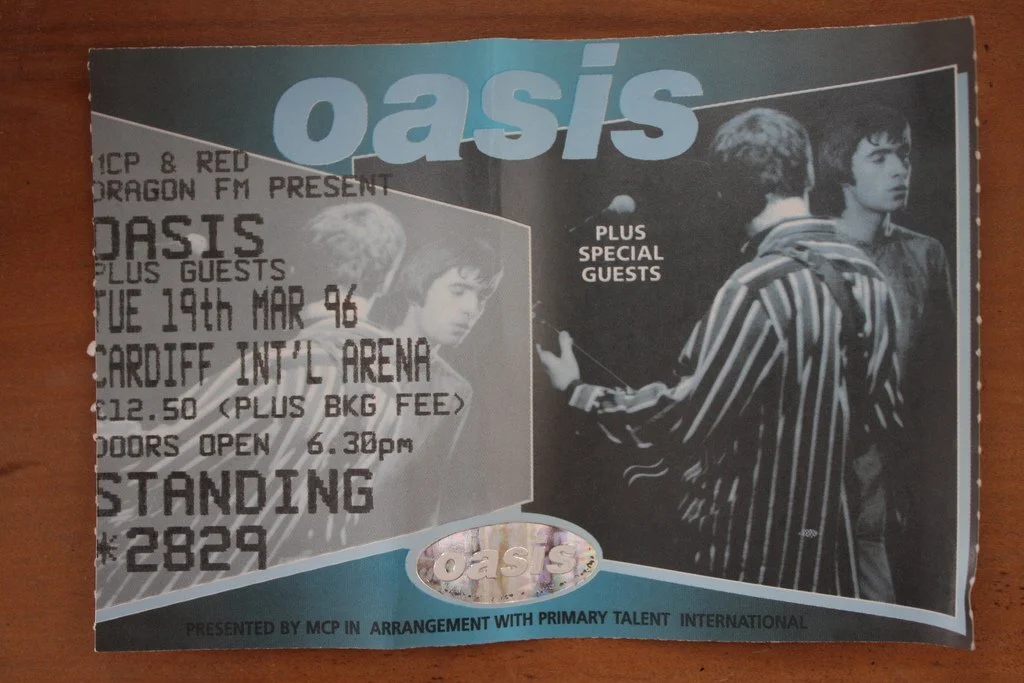
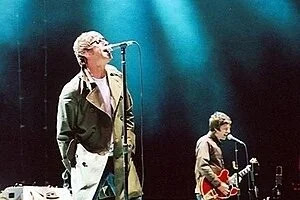
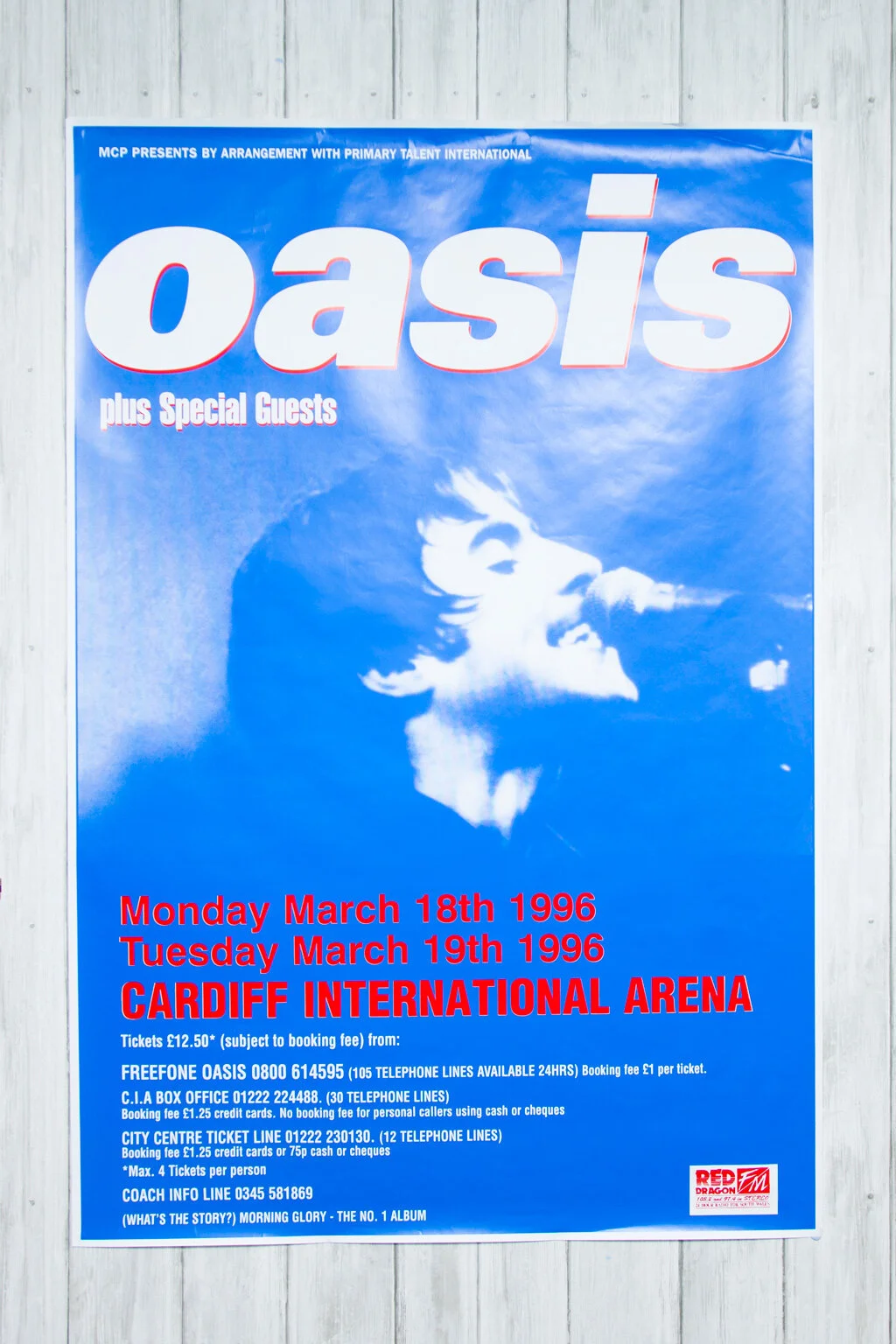
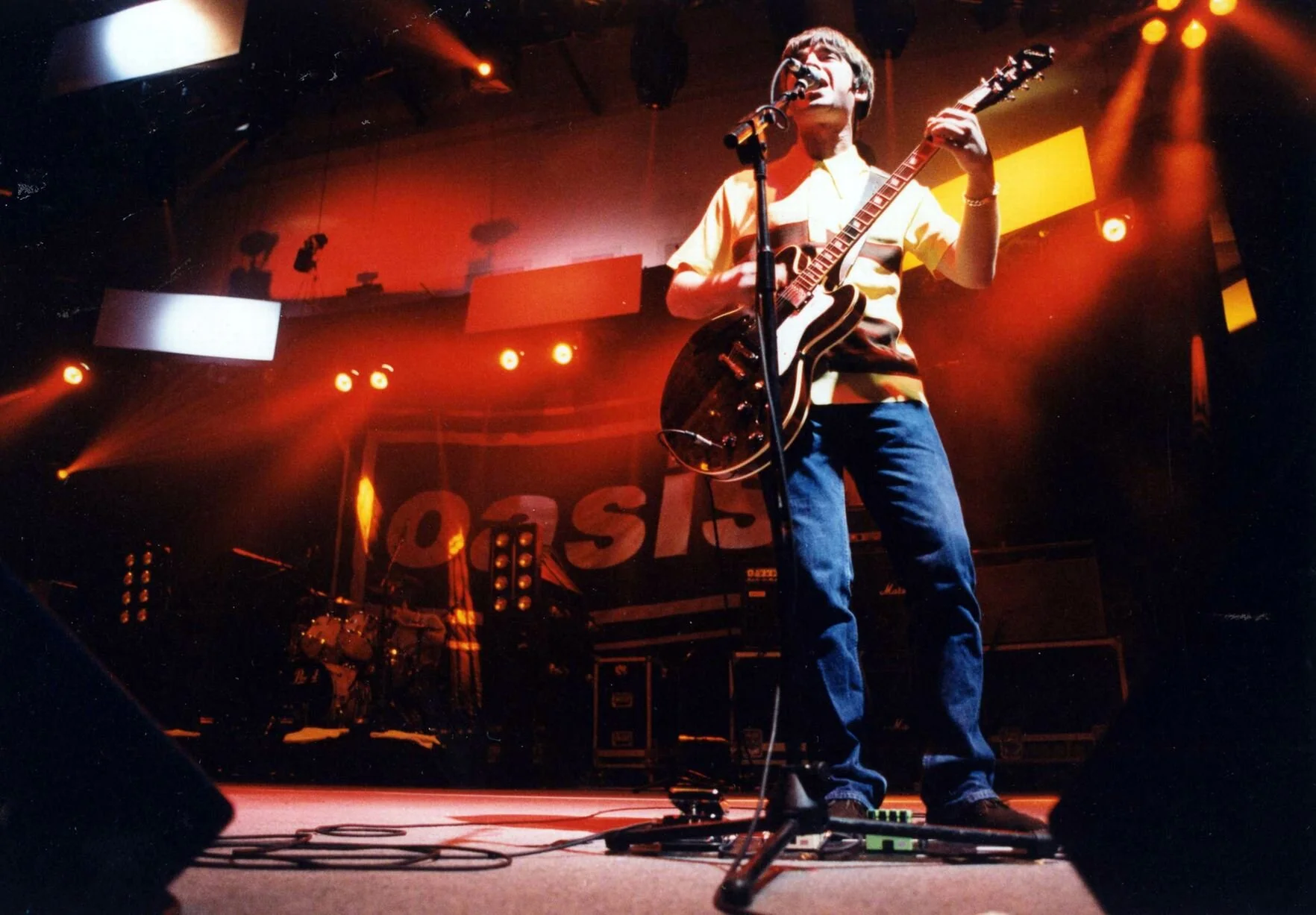
On this day 19 March 1996, Manchester Britpop legends Oasis played their second night at the Cardiff International Arena on their (What’s The Story) Morning Glory? Tour.

Support was provided by the Manic Street Preachers.

image2 (1).jpeg

Review

MANCHESTER’S bad lads confirmed their status as Britain’s biggest band when they swaggered onto the stage at Cardiff.

For these boys there was no flashy set, no intricate lights, no arena-filming stage show - just five men in jeans with guitars and drums.

Any lesser band could have fallen flat, but not the three-times Brit winners, whose music was all that was needed to generate mass adoration from the 6,700 fans.

Many had waited more than eight hours to get their place on the front barrier and were rewarded by hit after hit. Supersonic and Champagne Supernova scaled new heights. While Roll With It and Some Might Say brought football crows chants of “Liam.”

But frontman Liam was untouched by the adoration in the supremely arrogant style that makes Johnny Rotten look like a gameshow host. His only acknowledgment of the hero worship was his ape-like strut onto the speaker column before the band’s final exit.

Leaving the stage after an hour - the band surprisingly conceded to showbiz by doing two encores.

Songwriter Noel armed with only a guitar came back for an unplugged return belting out Wonderwall, which sadly turned into a sing-along, and Whatever.

Then the rest of the band plugged themselves back in for the final Don’t Look Back in Anger and ended with their Beatles cover I Am the Walrus.

South Wales Echo 19 March 1996

Setlist

The Swamp Song

image0 (1).jpeg

Acquiesce

Supersonic

Hello

Some Might Say

Roll With It

Shakermaker

Round Are Way

(Ending with Up In The Sky)

Morning Glory

Cigarettes & Alcohol

Champagne Supernova


Noel Gallagher's Acoustic Set

Whatever

(Ending with Octopus's Garden)

image3 (1).jpeg

Wonderwall

Slide Away


Rest of Electric Set

Don't Look Back in Anger

Live Forever

I Am the Walrus

(The Beatles cover)

On This Day 18/3/1967 Gene Pitney/The Troggs

All Images Subject To Copyright

All Images Subject To Copyright

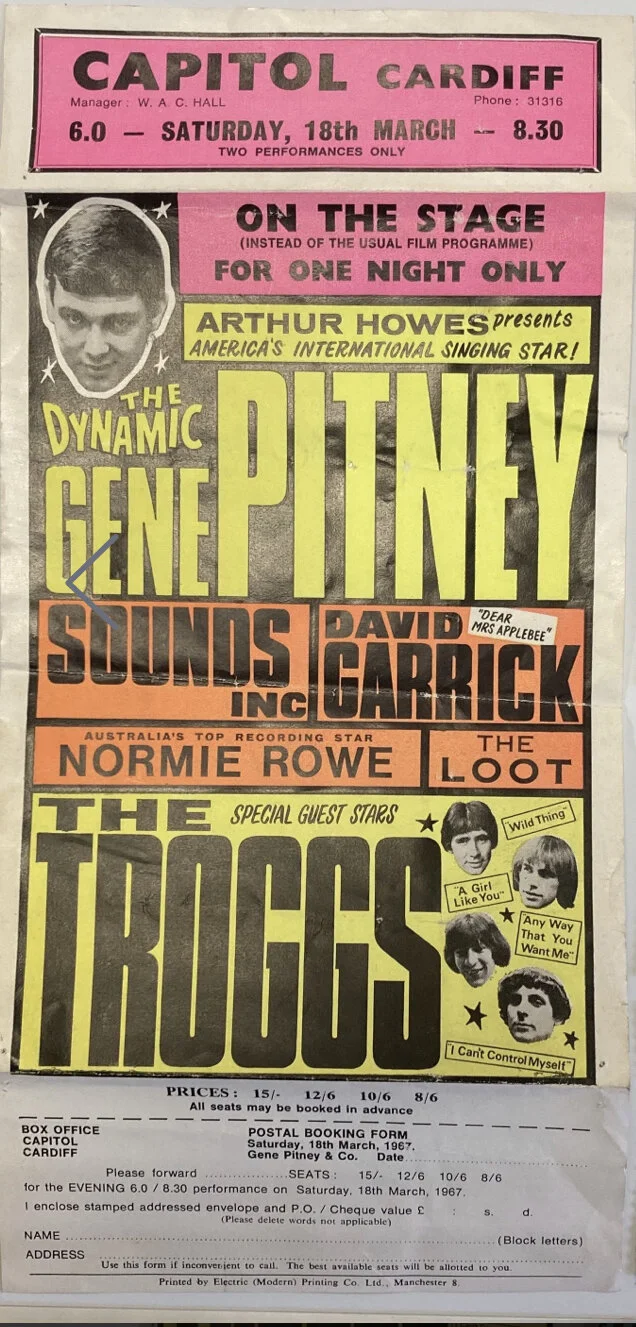
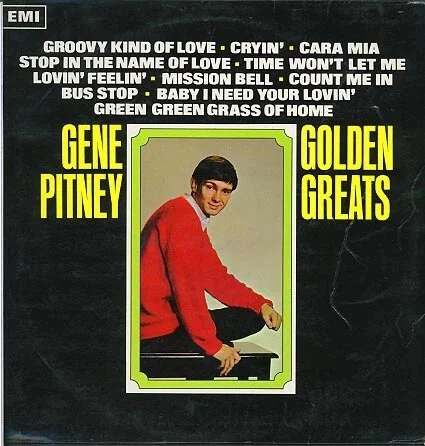
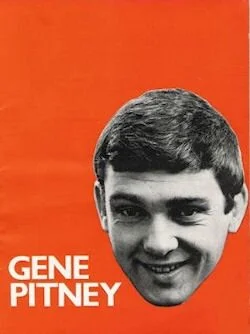
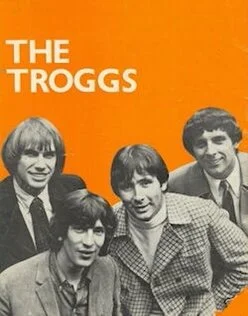
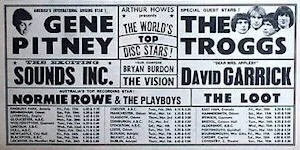
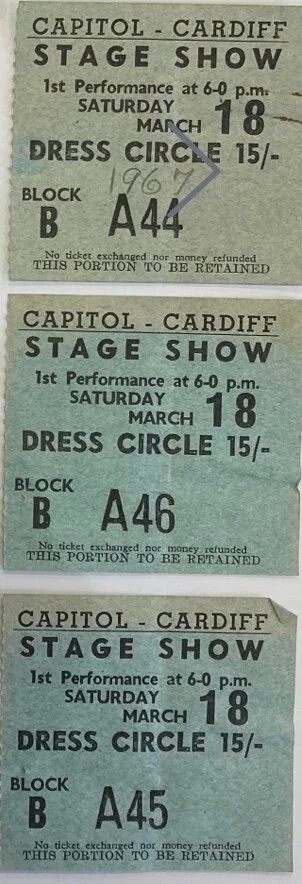
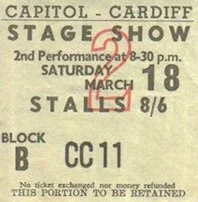
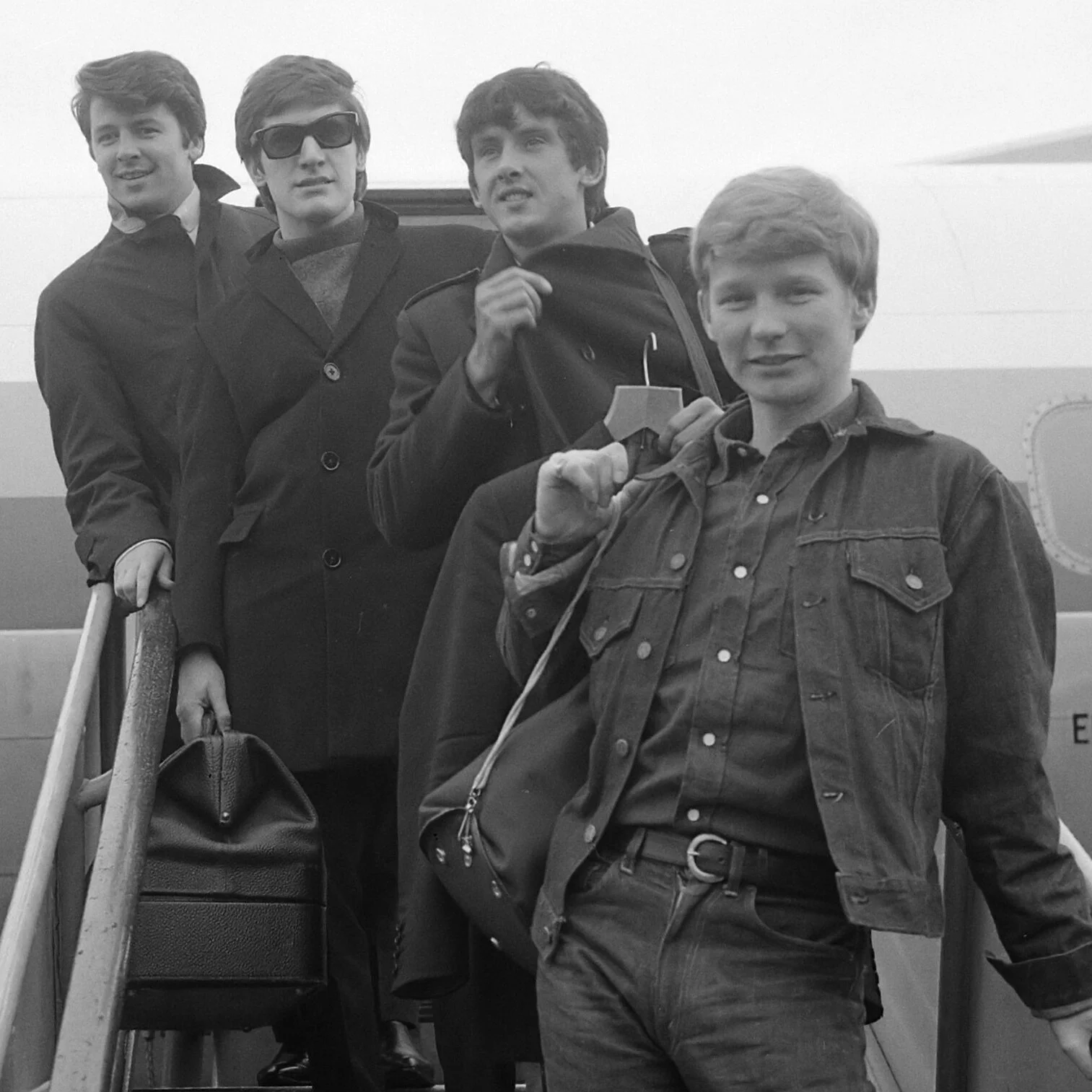
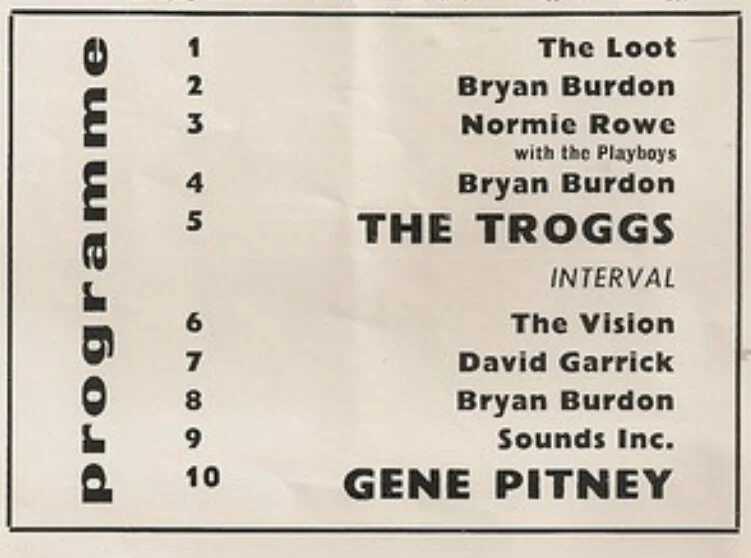
On this day, 18 March 1967, a package tour including American Gene Pitney and British band The Troggs played Cardiff’s Capitol Theatre.

The Troggs closed the first half of the show whilst headliner Pitney closed the evening’s performance.
Also included on the bill were, The Loot, Normie Rowe and the Playboys, Sounds Inc. and David Garrick.


The Troggs had just released “Give It To Me” peaking at No 12 in the UK singles charts whilst Gene Pitney was about to release his Golden Greats album.


Gene Pitney’s final show was 5 April 2006 at Cardiff's St David's Hall. He had earned a standing ovation; ending his show with "Town Without Pity".


He died aged 66 at his hotel later that evening from a heart attack.

On This Day 17/3/2000 Solid Silver Sixties

image0-31.jpeg

On this day, 17 March 2000, the Solid Silver Sixties tour played St David’s Hall, Cardiff.
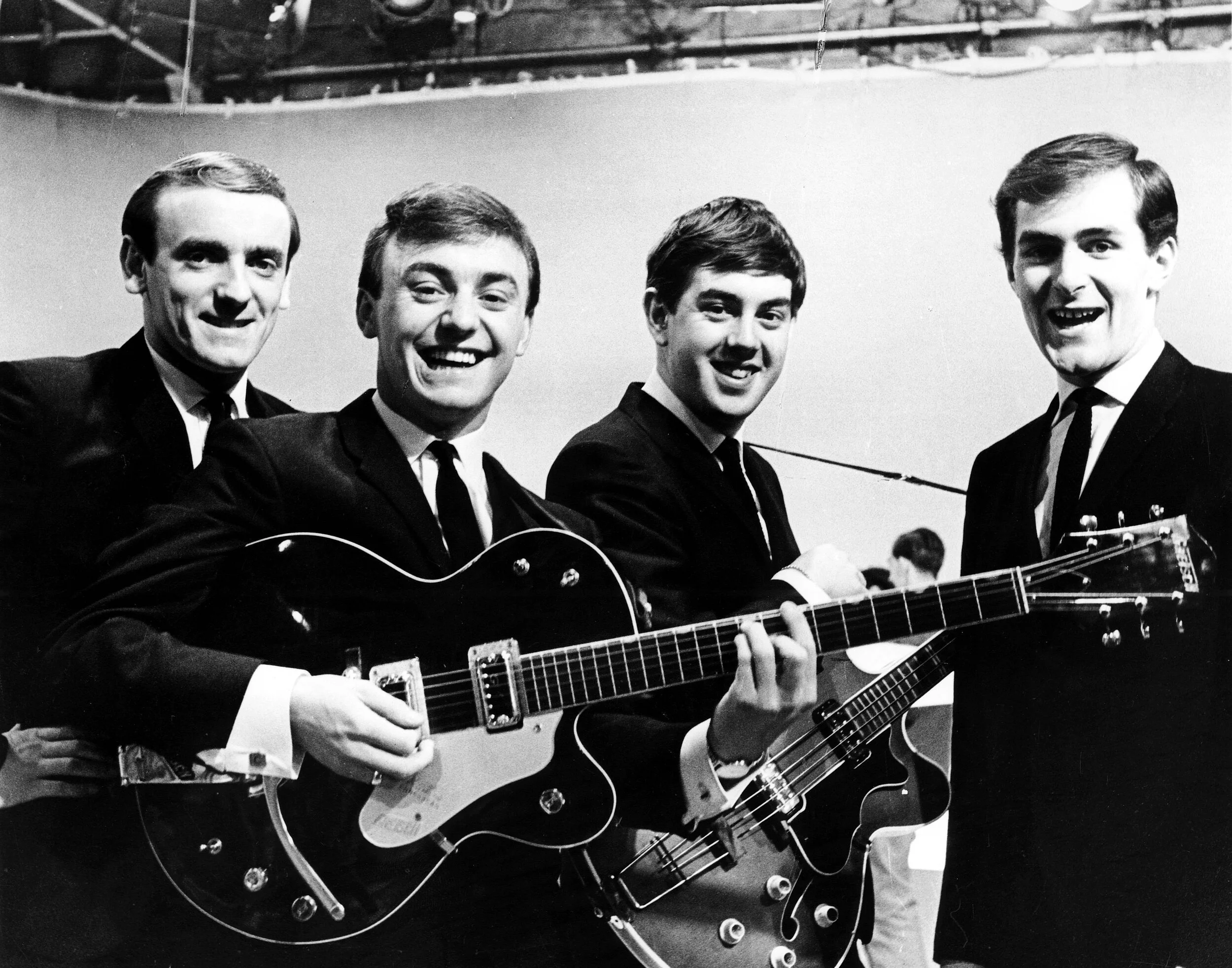
The package included some of the biggest bands of the Sixties, Gerry and the Pacemakers, The Searchers, the Swinging Blue Jeans and Peter Sarstedt.


Gerry Marsden formed the group Gerry and the Pacemakers in 1956 with his brother Fred, Les Chadwick, and Arthur McMahon. They rivalled the Beatles early in their career, playing in the same areas of Hamburg and Liverpool. Originally called Gerry Marsden and the Mars Bars, they had to change their name following a complaint by the Mars chocolate company.


The Searchers were formed as a skiffle group in Liverpool in 1959 by John McNally and Mike Pender, the band took their name from the 1956 John Ford western film The Searchers.
The Swinging Blue Jeans formed in 1957, when Bruce McCaskill formed a jazz influenced skiffle sextet group called the Bluegenes.


Peter Sarstedt was best known for his 1969 UK number one single, "Where Do You Go To (My Lovely)?", a portrait of a poor-born girl Marie-Claire who becomes a member of the European jet set. The song topped the chart in 14 countries.