
On This Day 9/12/1996 The Cure

image.jpeg

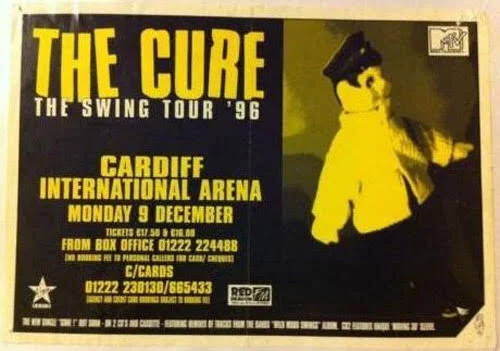
On this day, 9 Dec 1996, The Cure played Cardiff’s International Arena.

The Cure were formed in Crawley, West Sussex, in 1978. The band members have changed several times, and guitarist, lead vocalist, and songwriter Robert Smith is the only constant member.
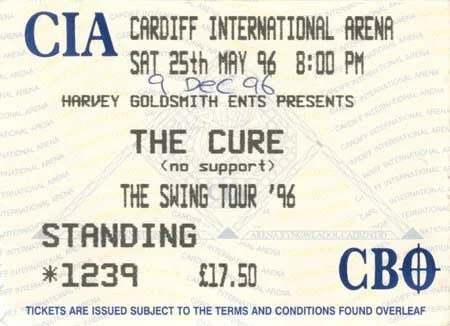
image.jpeg

The Cardiff concert was a re-arranged date with the band cancelling the earlier 25 May date due to Robert suffering from a pernicious and lingering sinus infection affecting his ears, eyes and throat.
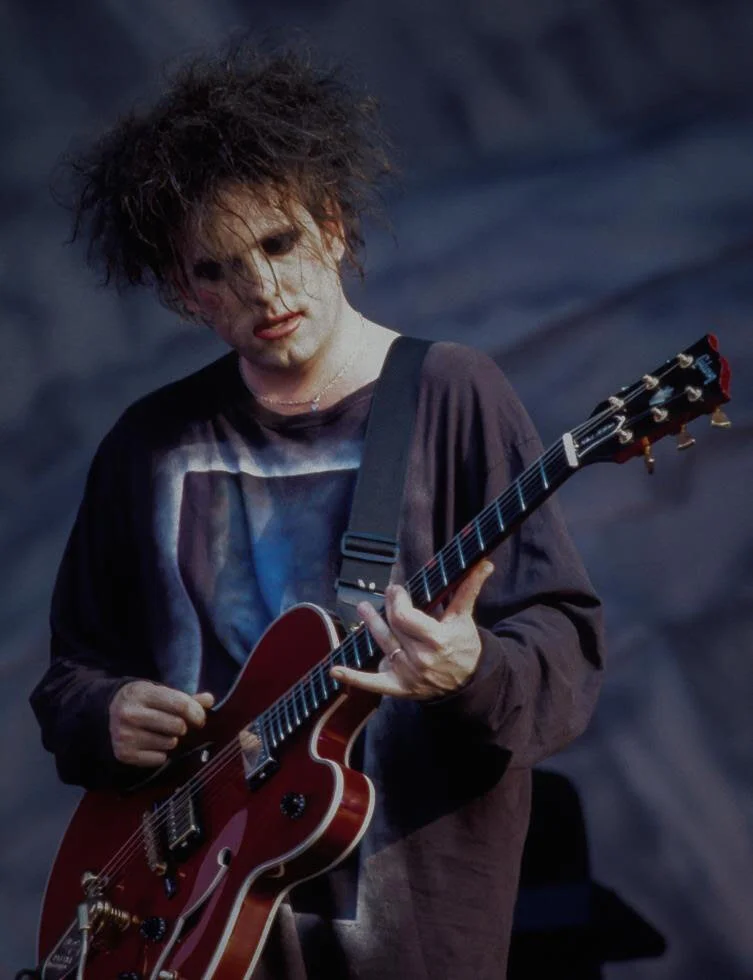
image.jpeg

Set list

Mainset:

image.jpeg

Want

Club America

Fascination Street

A Night Like This

High

Lullaby

Jupiter Crash

Just Like Heaven

Mint Car
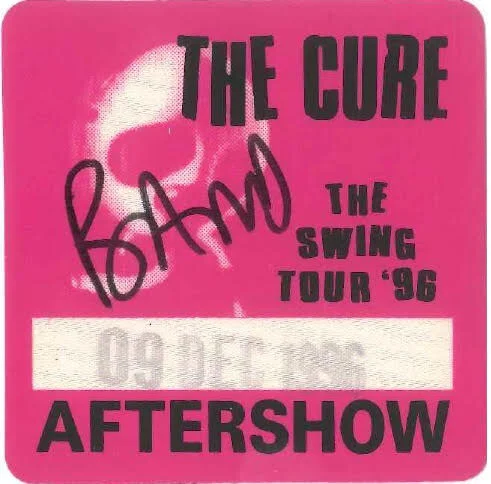
image.jpeg

Like Cockatoos

Strange Attraction

Cold

The Walk

Never Enough

Trap

Treasure

Prayers For Rain

In Between Days

From The Edge Of The Deep Green Sea

Bare

Encore 1:

Lovesong

Friday I'm In Love

Hot Hot Hot!!!

Why Can't I Be You
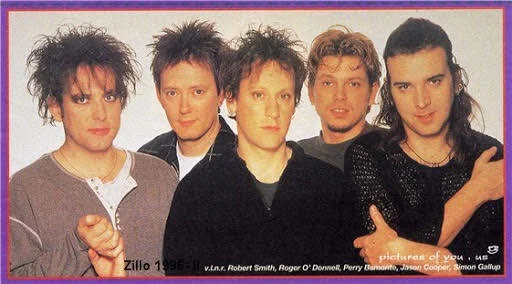
image.jpeg

Encore 2:

The Funeral Party

Charlotte Sometimes

A Forest

Encore 3:

Subway Song

Grinding Halt

Play For Today

Boys Don't Cry

10.15 Saturday Night

Killing An Arab
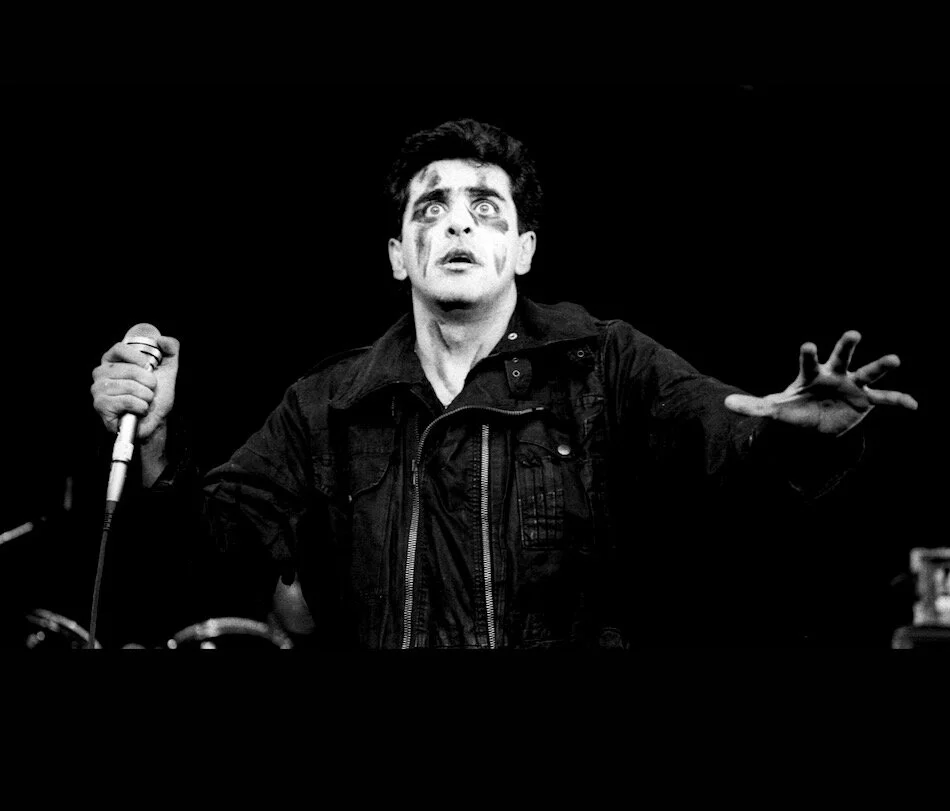


On This Day 7/12/1983 Killing Joke

image0-6.jpeg

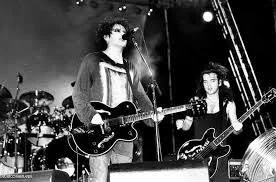
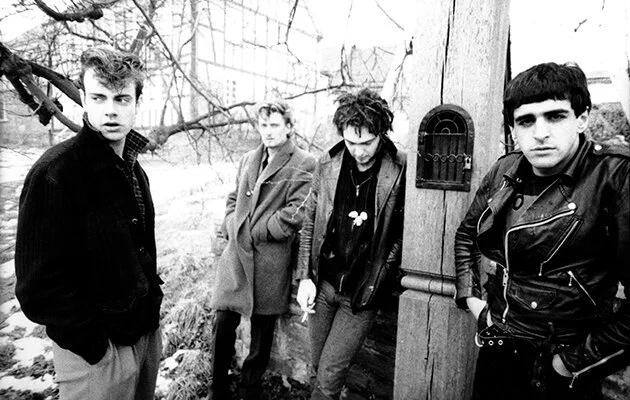
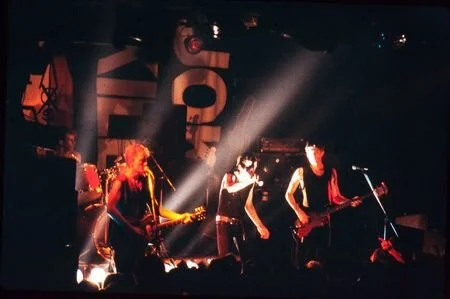
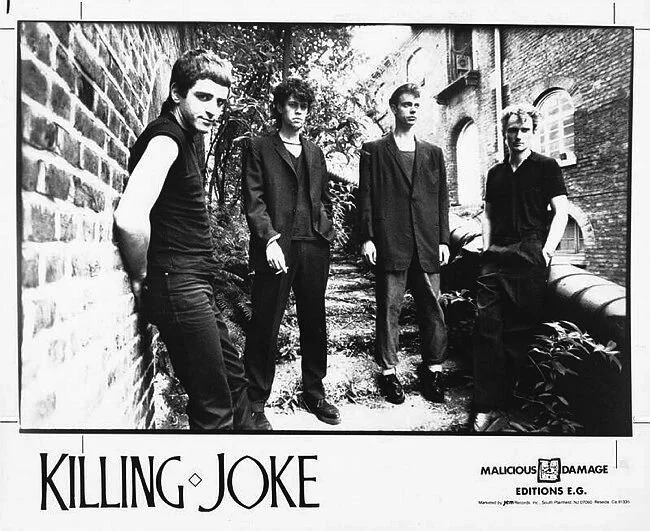
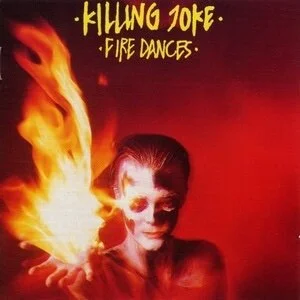
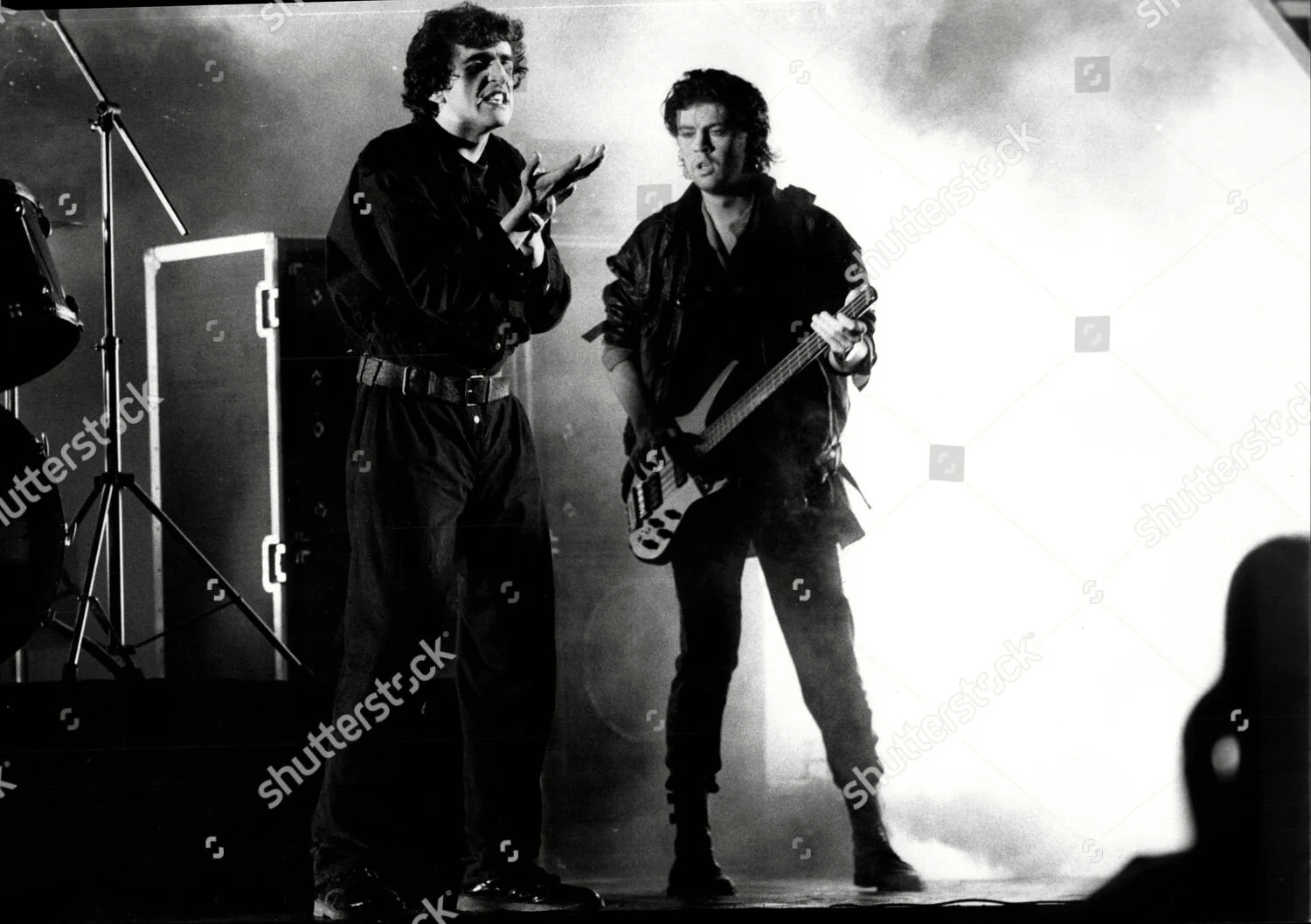
On this day, 7 Dec 1983, Notting Hill band Killing Joke, played the New Ocean Club, Cardiff.
The band had earlier in the year released their Fire Dances album, the first with new bassist Paul Raven.
Formed in 1979 by Jaz Coleman, Paul Ferguson, Geordie Walker and Youth. Their first Their first album, Killing Joke, was released in 1980. The band achieved mainstream success in 1985 with both the album Night Time and the single "Love Like Blood".

image2-2.jpeg


The band called their sound "tension music". Co-founder Ferguson described it as "the sound of the earth vomiting. I'm never quite sure whether to be offended by the question of 'are we punk' or not, because, I loved punk music, but we weren't. And I think our influences were beyond punk. Obviously before punk, there was Led Zeppelin, Black Sabbath and there was Yes even and King Crimson, and those had all influenced me as a player, and the other guys would say other things, but I'm sure they were all part of their history as well".


On This Day 6/12/2002 Doves

image0-5.jpeg

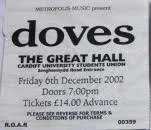
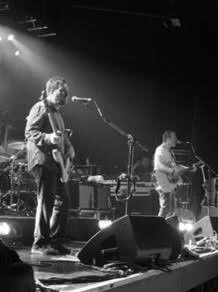
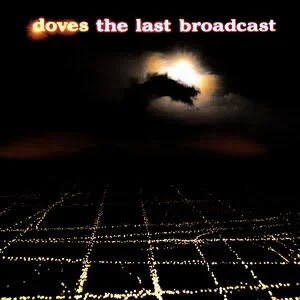
On this day, 6 Dec 2002, Manchester band Doves played Cardiff University. The tour was in support of their second album The Last Broadcast. The support was provided by the Scottish indie band, The Delgados.

The band is composed of twin brothers Jez Williams (guitar, vocals) and Andy Williams (drums, vocals), and Jimi Goodwin (bass, vocals, guitar). Additionally, the band employs Martin Rebelski, as a touring and session musician on keyboards. The band released four studio albums between 2000 and 2009, two of which reached #1 on the UK album charts.

Doves' The Last Broadcast reached No. 1 on the UK Albums Chart, and was nominated for the Mercury Music Prize. The album's first single "There Goes the Fear" became the band's highest-charting single to date, reaching No. 3 on the UK Singles Chart despite only being released for one day before it was deleted. The album's second single "Pounding" reached No. 21 on the Singles Chart and was used in the Vancouver 2010 Winter Olympics.

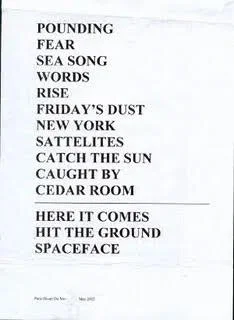
Setlist

Intro
Pounding
There Goes The Fear
Sea Song
Rise
Catch The Sun
Satellites
Words
The Man Who Told Everything
The Last Broadcast
Where We’re Calling From
NY
A House
Caught By The River
The Cedar Room

Firesuite
Here It Comes

Spaceface

On This Day 5/12/1985 Blue Oyster Cult

image.jpeg

On this day, 5 Dec 1985, American rock band Blue Oyster Cult played Cardiff’s St David’s Hall, with support provided by Girlschool.
Best known for the singles "(Don't Fear) The Reaper", "Burnin' for You", "Cities on Flame with Rock and Roll", and "Godzilla,” the tour coincided with the release of their tenth album Club Ninja and the release of a single White Flags.

Set list

ME 262
Dominance and Submission
E.T.I. (Extra Terrestrial Intelligence)
White Flags
Make Rock Not War
Take Me Away
Then Came the Last Days of May
Dancin' in the Ruins
Joan Crawford
Shadow Warrior
Burnin' for You
Godzilla
(Don't Fear) The Reaper

Encore:
Roadhouse Blues

On This Day 4/12/1974 Curved Air

image.jpeg

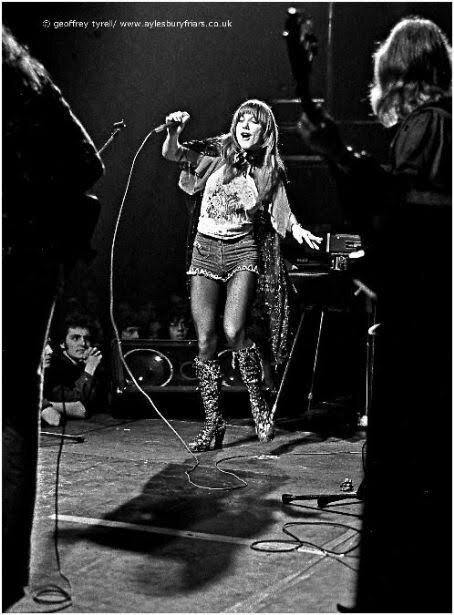
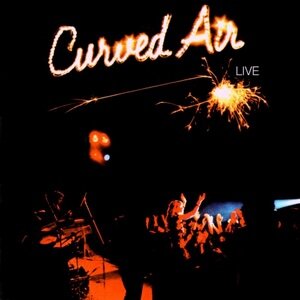
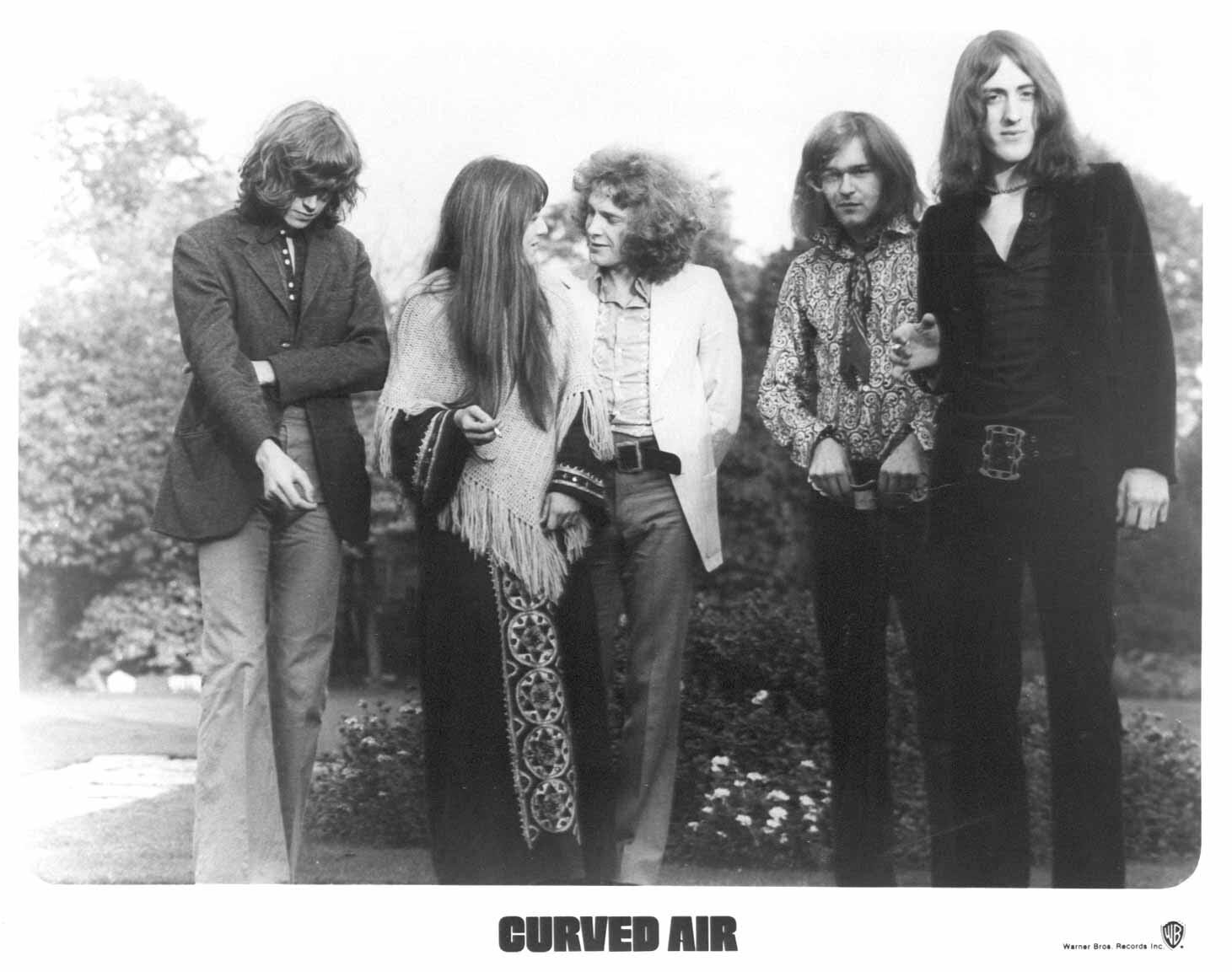
On this day, 4 Dec 1974, progressive rock band Curved Air, played Cardiff University.
The concert was recorded and released as Curved Air – Live and the first official live album by the band. It was the band's reunion tour and though it failed to enter the charts, it made enough profit to pay off the tax bill which had compelled Curved Air to reunite, allowing Francis Monkman and Florian Pilkington-Miksa to again leave the group.
Curved Air were formed in 1970 by musicians from mixed artistic backgrounds, including classical, folk, and electronic sound. The resulting sound of the band was a mixture of progressive rock, folk rock, and fusion with classical elements.

Curved Air

Sonja Kristina – lead vocals
Darryl Way – violin, keyboards, backing vocals
Francis Monkman – lead guitar, organ, VCS3 synthesizer
Florian Pilkington-Miksa – percussion
Philip Kohn – bass guitar

On This Day Family 30/11/1971

image.jpeg

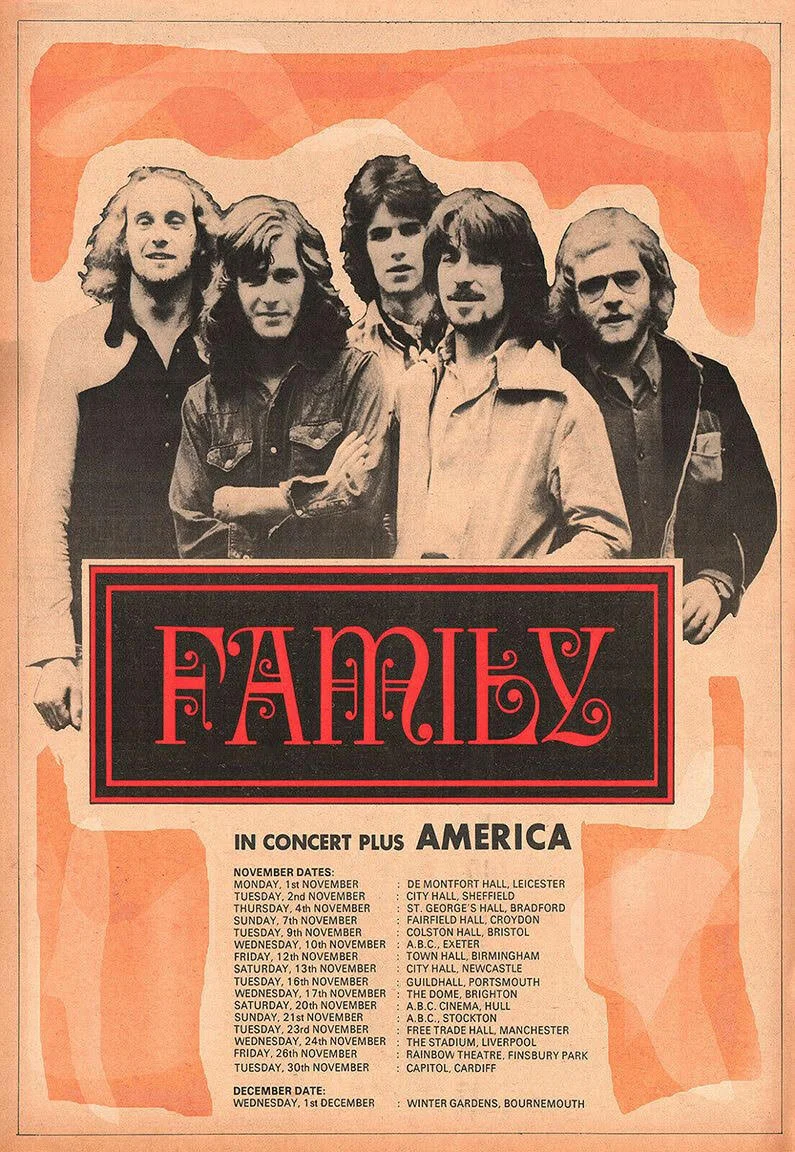
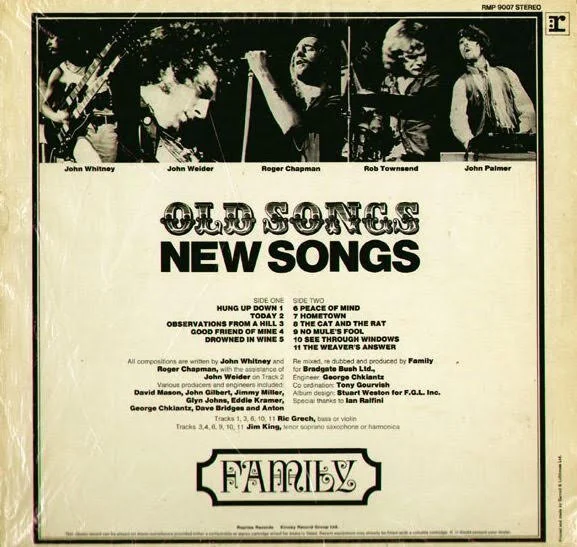
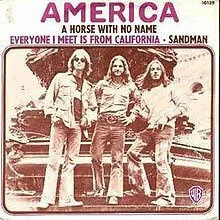
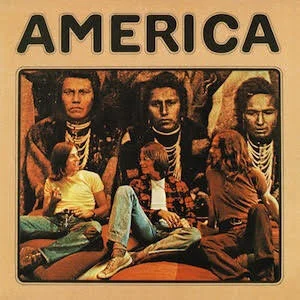
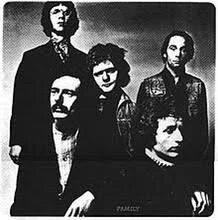
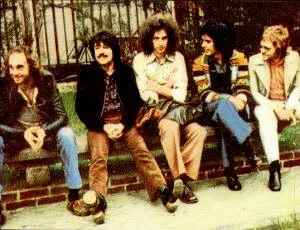
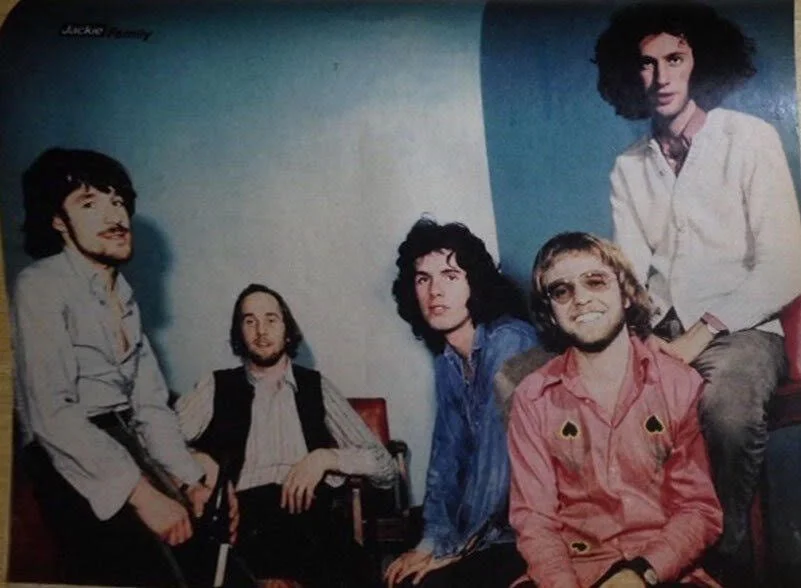
On this day, 30 November 1971, Family played the Capitol Theatre with support provided by America, and American band formed in London and had a hit earlier in the year with the single, Horse With No Name.

Family formed in late 1966 in Leicester, England, from the remaining members of a group that was previously known as The Farinas.

In March 1971 the compilation album, Old Songs New Songs, (which contained remixes and rare tracks) was released, but in June, Weider left Family to join Stud. He was replaced by former Mogul Thrash bassist John Wetton, who had just declined an invitation from Robert Fripp to join King Crimson. The band performed at the Glastonbury Free Festival 1971, filmed by Nicolas Roeg for the 1972 documentary Glastonbury Fayre.

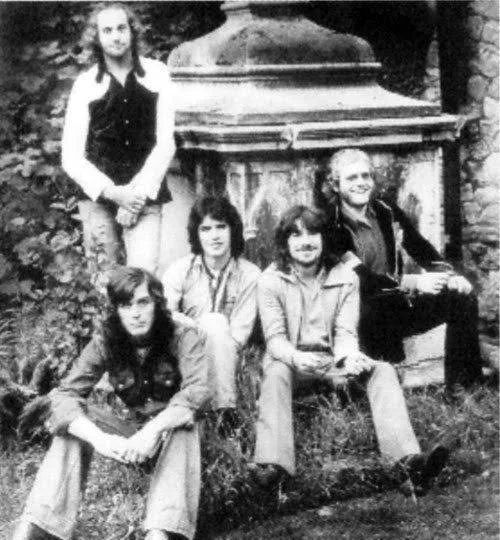
The band

FAMILY Mk V
Roger Chapman: vocals, tenor saxophone, harmonica, percussion
John ‘Charlie’ Whitney: guitars, keyboards, mellotron, sitar
Rob Townsend: drums, percussion
Poli Palmer: flute, piano, vibes,

John Wetton: bass, vocals, guitar, piano


On This Day 27/11/1967 Traffic

image.jpeg

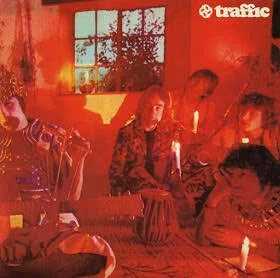
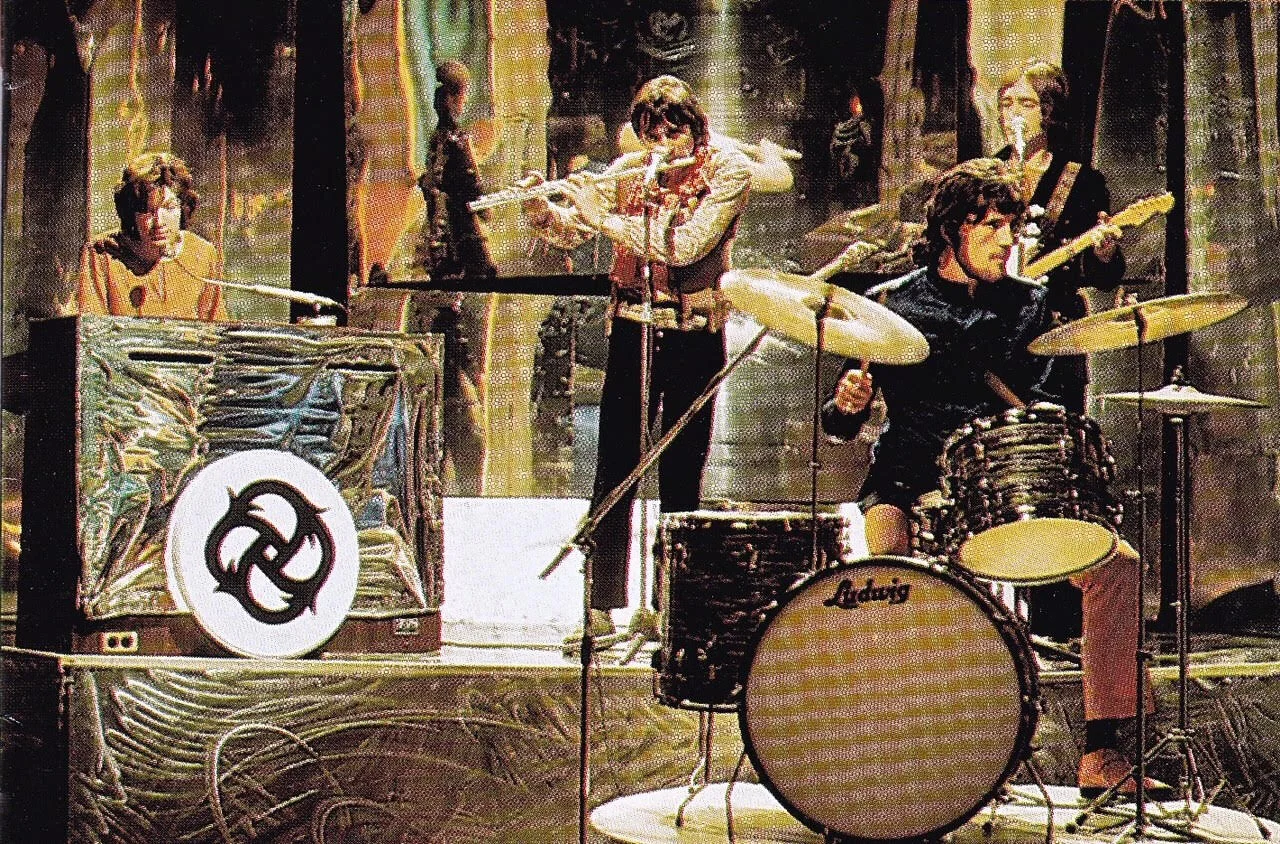
On this day, 27 Nov 1967, rock band Traffic played the Top Rank, Cardiff.

Traffic were formed in Birmingham in April 1967 by Steve Winwood, Jim Capaldi, Chris Wood and Dave Mason. They began as a psychedelic rock group and diversified their sound through the use of instruments such as keyboards like the Mellotron and harpsichordsitar, and various reed instruments, and by incorporating jazz and improvisational techniques in their music.

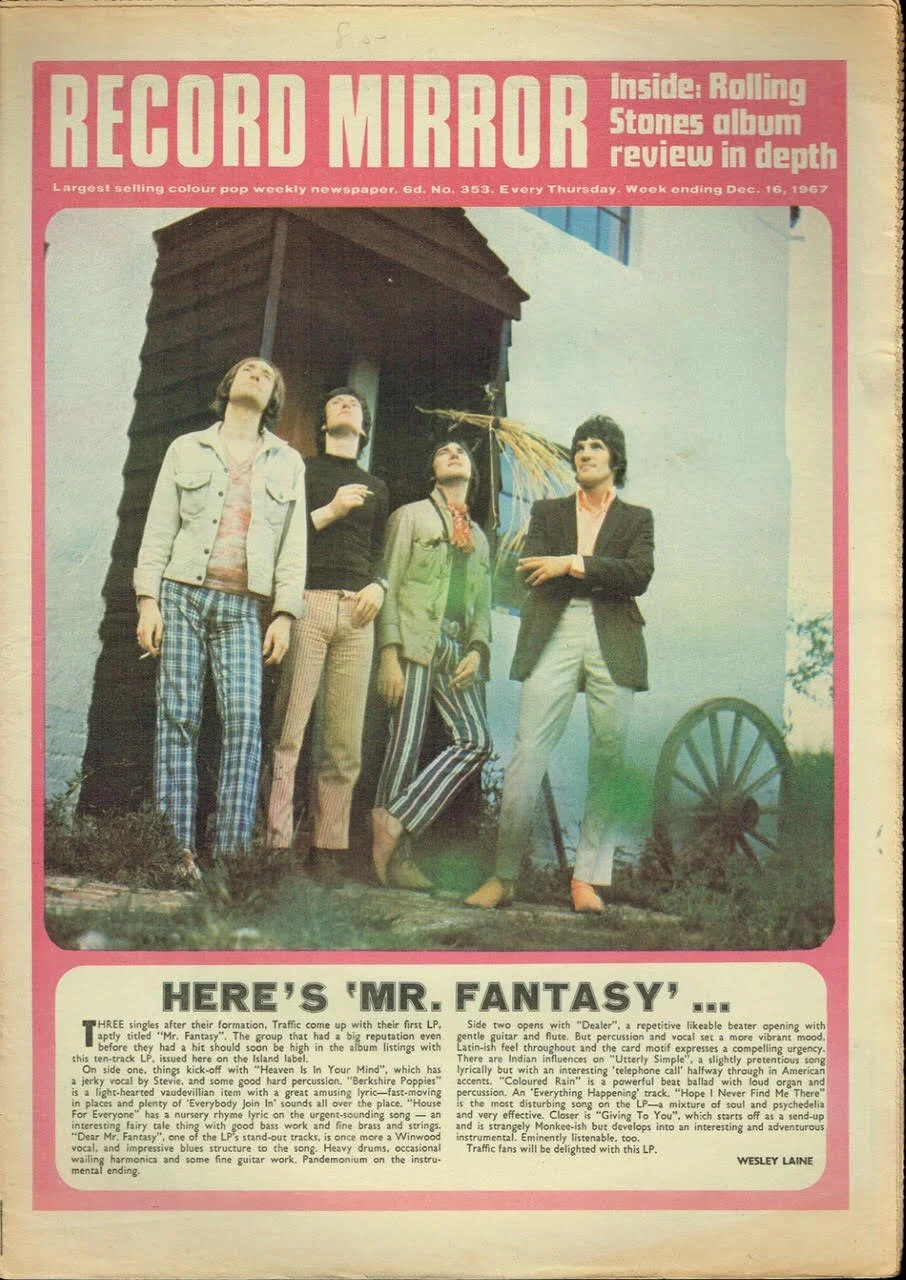
Their first three singles were "Paper Sun", "Hole in My Shoe", and "Here We Go Round the Mulberry Bush" all of which featured on their debut album Mr Fantasy

Line-up / Musicians for the album Mr Fantasy

- Steve Winwood / vocals, guitar, piano, harpsichord, organ, bass, percussion
- Dave Mason / vocals, guitar, sitar, tamboura, shakkai, Mellotron, bass
- Chris Wood / vocals, flute, saxophone, organ
- Jim Capaldi / vocals, drums, percussion

On This Day 20/11/1955 Bill Haley

image.jpeg

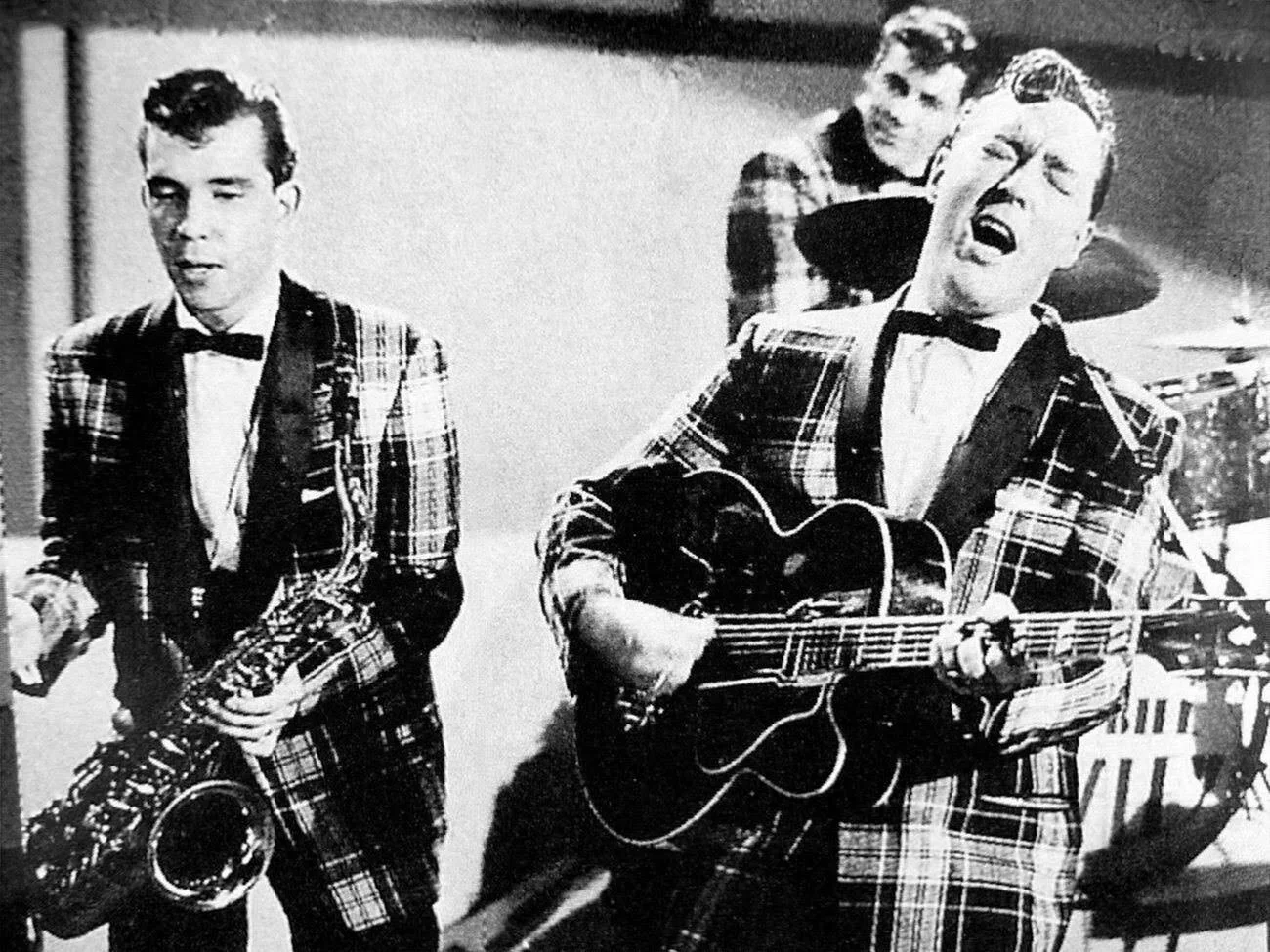
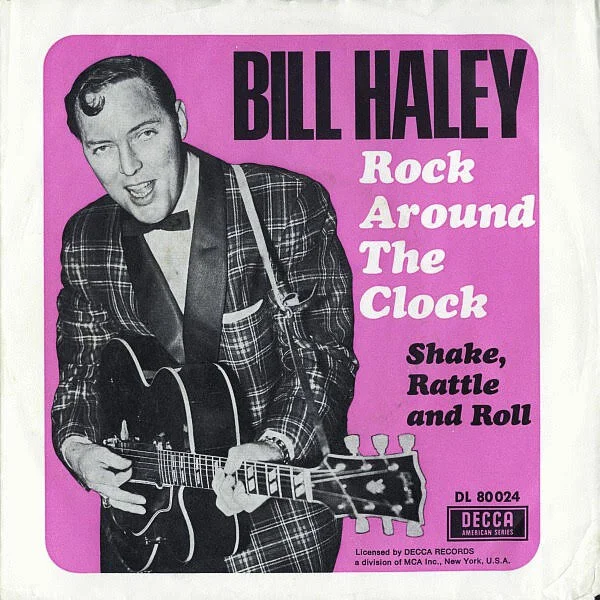
On this day, 20 Nov 1955, The song that changed popular music history 'Rock Around the Clock' by Bill Haley & His Comets went to No.1 on the UK singles chart. The song was used under the opening credits of the film Blackboard Jungle.

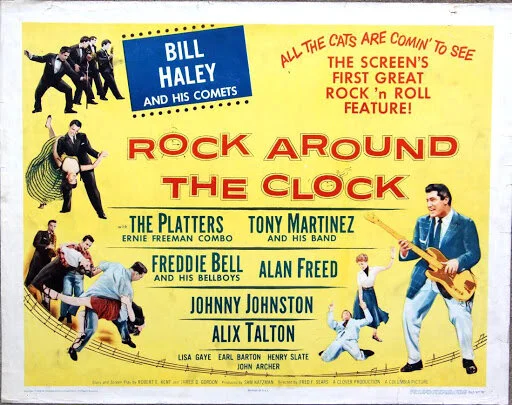
In 1956, Bill Haley’s film Rock Around the Clock hit Britain. The film was released in England, Scotland and Wales, being shown in places like Newport, Cardiff and Swansea. It symbolised the beginnings of the phenomenon of teenage culture, as audiences vandalised cinemas and acted in other violent ways. These actions caught the attention of the media, which helped spread the outbreak in teenage violence from London to Cardiff and the rest of Britain.

Similar to the rest of Britain, Rock Around the Clock caused considerable controversy in Wales. When the film was shown in Newport, the audience carried out the same violent ‘ritualistic’ behaviour that was reported in The Times, slashing seats with pocket knives and tearing fire extinguishers off the walls. This extreme behaviour caused local authorities to ban the film elsewhere. This was backed up by a local paper who agreed that they had done the right thing.

There were reports of violent behaviour in Cardiff, similar to the London Evening News. A family doctor told the South Wales Echo about the violent behaviour that took place during the screening of the film. He detailed how the teenagers shouted during the film, and stood on the seats to jive to the music. The doctor said ‘this was symptomatic of youth the world over in a ‘neurotic age’, with its easy money, poor discipline, misguided education and lax morals.’

Despite this behaviour taking place in Newport and Cardiff, on 25 September 1956 the South Wales Evening Post reported that no riots took place in Swansea caused by the screening of Rock Around the Clock.

The fact that the South Wales Evening Post reported no violent behaviour in Swansea following the screening of the film shows that despite media hype, not all teenagers copied this ‘ritualistic behaviour’. However, the newspaper doesn’t detail anything else about the screening of Rock Around the Clock so it could be that teenagers were clapping, and hissing, as well as jiving on the seats and in the aisles. So whereas media attention had made a major impact on worrying older generations, the reality of the violent behaviour associated with this film was intermittent as opposed to a countrywide disturbance.

The song entered the charts a further six times until 1974 and was the inspiration for many a young aspiring musician and changed the musical landscape almost overnight.

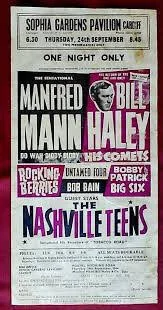
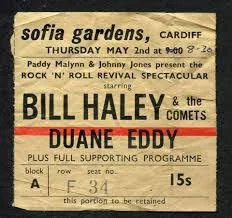
Bill Haley and his Comets first visit to Cardiff was 22 Feb 1957 at the Capitol Theatre and attracted a sell out crowd eager to hear the ‘new’ sound coming from the States.

A few years had passed by the time he and the Comets made their return playing Sophia Gardens in September 1964, and again in May 1968 at the same venue, which was his final appearance in Wales.